Mumbai Real Estate Market Hits 14-Year Peak: September Sees Robust Surge in Property Registrations
By IANS
Mumbai, September 30, 2026: In a significant indicator of urban economic health and consumer confidence, Mumbai’s residential real estate market has achieved a historic milestone. Data released today reveals that the city recorded its highest number of property registrations for the month of September in 14 years. This surge underscores a resilient housing sector that continues to defy broader macroeconomic headwinds, maintaining a steady upward trajectory as the fiscal year progresses into its third quarter.
According to the latest regulatory filings, the momentum witnessed in the previous month has been sustained, with September registrations marginally surpassing the 12,580 units recorded in August. While the incremental increase appears modest on the surface, market analysts suggest that this sustained high volume, occurring during a period typically characterized by seasonal shifts, points toward a profound underlying demand for property ownership in India’s financial capital.
The Chronology of Growth: A Year-on-Year Perspective
To understand the magnitude of this achievement, one must look at the broader timeline of the Mumbai property market. Over the past decade and a half, the city has navigated various regulatory shifts—including the implementation of RERA (Real Estate Regulatory Authority), demonetization, and the unprecedented disruptions caused by the global pandemic in 2020.
Throughout these cycles, the property market exhibited varying levels of volatility. However, the data for September 2026 confirms that the market has not only recovered from the post-pandemic slump but has entered a phase of sustained expansion. The trajectory began to sharpen in early 2025, fueled by infrastructure developments and the rapid urbanization of Mumbai’s peripheral suburbs.
By mid-2026, the market was already trending above historical averages. The transition from August to September, often viewed as a "wait-and-see" period for developers and buyers alike, has instead turned into a testament to the sector’s durability. The fact that registrations in September exceeded August’s 12,580-unit benchmark signals that the market is currently experiencing a "high-velocity" phase, where inventory absorption is keeping pace with new project launches.
Supporting Data: Dissecting the Surge
The strength of the current housing cycle is best understood through a multi-dimensional analysis of the registration figures.
1. Sustained Absorption Rates
The consistency in transaction volumes suggests that buyers are not merely speculative investors but end-users looking for long-term assets. The transition from August to September, while marginal in percentage terms, is statistically significant because it prevents the "cooling off" effect often seen after the festive season prep work in early Q3.
2. The Micro-Market Shift
While South Mumbai continues to command the highest price points, the bulk of the registration volume is emanating from the Western and Eastern suburbs, as well as the extended suburban corridor. Infrastructure projects such as the Coastal Road, the expansion of the Metro network, and the MTHL (Mumbai Trans Harbour Link) have fundamentally altered the commute-to-work dynamics, making these peripheral regions increasingly attractive to home seekers.
3. Inventory Mix
Data indicates a healthy split between luxury segments and mid-market housing. While high-net-worth individuals (HNIs) continue to snap up premium units, the primary engine of this growth remains the mid-segment, where developers have successfully aligned unit sizes and amenities with the evolving post-pandemic requirement for larger, more flexible living spaces.
Official Responses and Market Sentiment
While formal government statements regarding specific monthly figures are often understated, industry bodies have been vocal about the implications of these numbers.
"The consistency in registration volumes is the most encouraging aspect of this data," noted a senior consultant at a leading real estate analytics firm. "Usually, we see a spike followed by a dip. To see September outperforming August—a month that was already strong—tells us that the appetite for home ownership is not just a momentary trend but a structural shift in how Mumbaikars view the asset class."
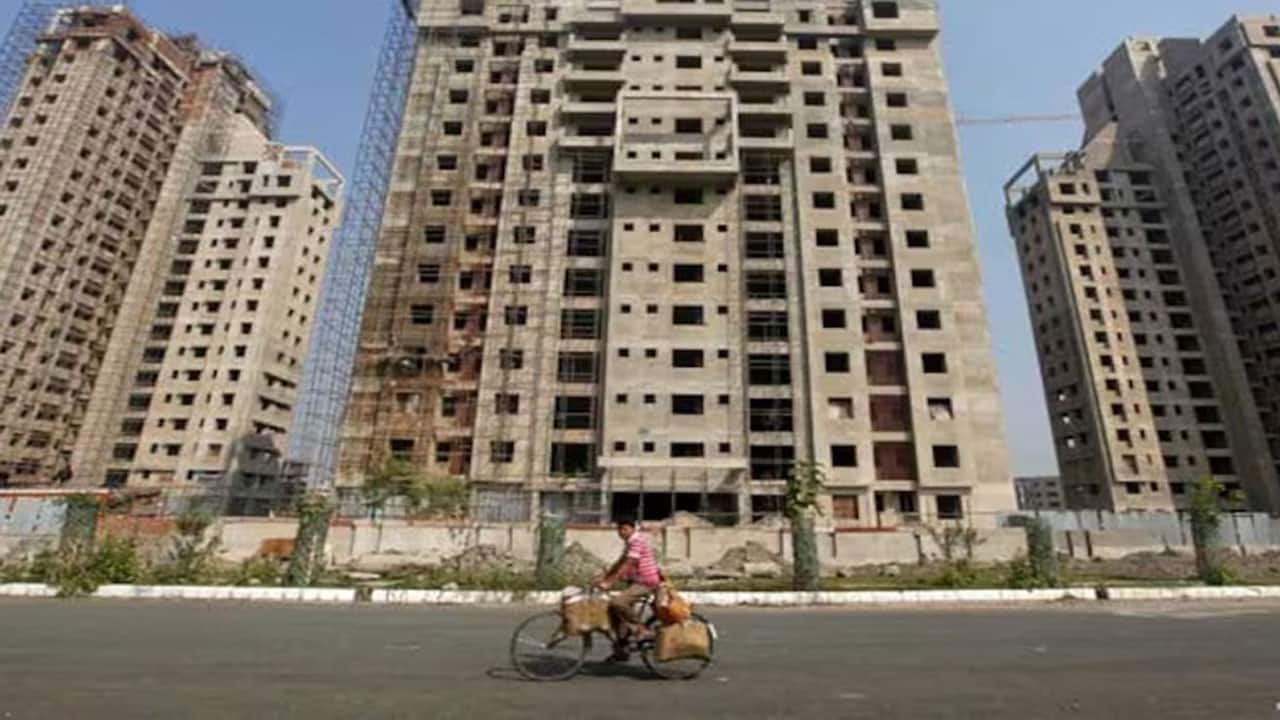
Developers, on the other hand, highlight that the digital transformation of the registration process has played a critical role. The ease of the Stamp Duty and Registration process, facilitated by the state’s digital infrastructure, has removed bureaucratic bottlenecks, allowing transactions to be processed at a speed that matches the velocity of the market.
"The ease of doing business at the registrar’s office has significantly lowered the friction for homebuyers," says a spokesperson for a prominent Mumbai-based construction conglomerate. "When a buyer knows the process is seamless and transparent, they are far more likely to finalize their purchase decision within the quarter."
Economic Implications: Why Mumbai Matters
The real estate sector is a vital component of the Mumbai Metropolitan Region (MMR) economy, contributing significantly to the state’s GDP and providing employment to millions, both directly and through ancillary industries like steel, cement, interior design, and home finance.
1. Revenue Generation for the State
High registration volumes translate directly into higher stamp duty and registration fee collections for the Maharashtra state government. This revenue is crucial for funding ongoing and future infrastructure projects, creating a positive feedback loop where real estate growth fuels public works, which in turn drives further real estate development.
2. Banking and Finance Stability
The surge in registrations indicates a robust demand for home loans. Banks and non-banking financial companies (NBFCs) are reporting healthy disbursements in the mortgage category. This signals that despite fluctuating interest rate environments, the appetite for debt-backed asset acquisition remains high, reflecting confidence in long-term income growth.
3. Employment and Urban Development
The sheer volume of units being registered implies a continuous cycle of construction. This supports a massive workforce, from skilled engineering talent to semi-skilled labor, ensuring that Mumbai remains a focal point for internal migration and job creation.
Looking Ahead: The Final Quarter of 2026
As we move into the final quarter of 2026, market experts are closely watching for signs of sustainability. The challenge, many argue, will not be demand, but supply-side management. As inventory levels are being depleted faster than in previous years, developers are under pressure to launch new projects to keep the momentum going.
Furthermore, there is a growing conversation around price stability. While the current demand is robust, affordability remains a primary concern for the mid-market segment. Developers are expected to continue balancing the rising costs of land and raw materials against the necessity of keeping prices attractive enough to sustain the current registration volumes.
The record-breaking performance of September 2026 is, in many ways, a narrative of resilience. It suggests that the Mumbai housing market has entered a mature phase where internal economic factors—such as rising income levels and improved urban connectivity—have become more influential than external market shocks.
Conclusion: A New Benchmark for the Future
The milestone of 14-year high registrations in September is more than just a data point; it is a signal of the enduring appeal of Mumbai as a commercial and residential powerhouse. Whether the market can sustain this pace through the end of the year remains to be seen, but the current data offers a compelling case for optimism.
For prospective buyers, the message is clear: the market is active, liquid, and highly competitive. For policymakers, the task ahead is to ensure that this growth is supported by sustainable infrastructure and transparent regulations. As the city evolves, the property market remains its most accurate barometer, and for the moment, that barometer is pointing firmly toward continued prosperity.
Disclaimer: This report is based on current registration data provided by official sources and industry analysis. Readers are encouraged to consult with financial advisors before making significant investment decisions based on market trends.