Nothing OS 5.0 Rolls Out in India: A Comprehensive Deep Dive into Android 17, AI Enhancements, and the Future of Glyph Integration
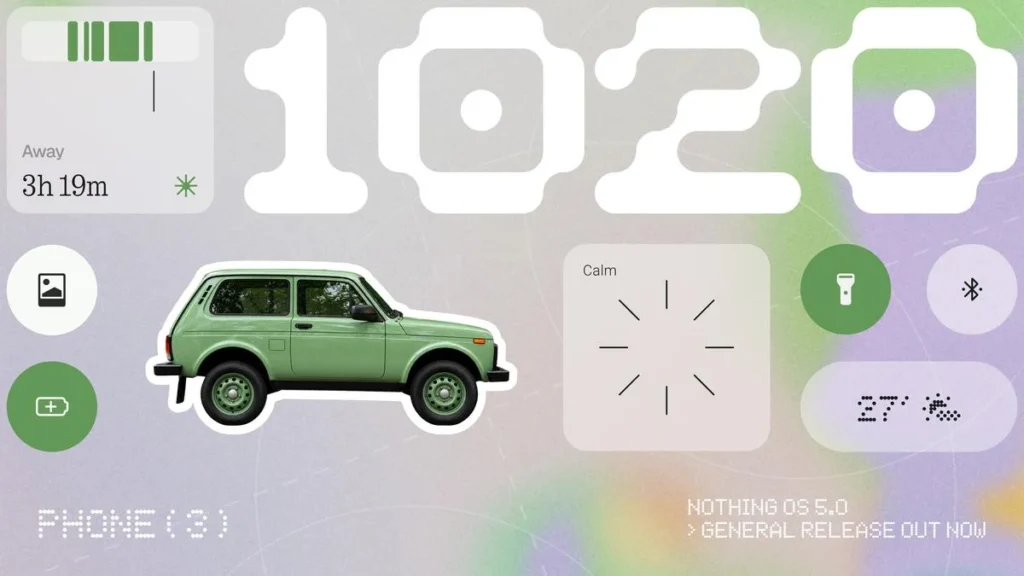
NEW DELHI — London-based consumer technology innovator Nothing officially commenced the general rollout of Nothing OS 5.0, its heavily anticipated custom user interface built on top of Android 17. Initiated on Monday, October 12, 2026, the software deployment kicked off in the Indian market, beginning with the flagship Nothing Phone (3).
The update marks a major milestone for the brand, which has steadily carved out a distinct identity in the hyper-competitive smartphone ecosystem through its minimalist design philosophy, transparent hardware aesthetics, and signature Glyph Interface. According to official disclosures from the company, the global and regional rollout will expand progressively to encompass other eligible Nothing and CMF devices over the coming months.
Nothing OS 5.0 introduces over 80 structural, visual, and functional updates. Spanning aesthetic overhauls, advanced personalisation features, artificial intelligence (AI) integration, and substantial performance tuning, the software represents one of the company’s most ambitious system-level upgrades to date.
1. Main Facts: What is Nothing OS 5.0?
Nothing OS 5.0 is the latest iteration of Nothing’s proprietary operating system. Built upon the architectural foundation of Android 17, the software refines the brand’s signature monochrome-and-red design language while introducing deeper customization options, functional split-panel layouts, and hardware-software synergies.
Key Highlights of the Release:
- Android 17 Foundation: Leverages the latest security, background process management, and efficiency frameworks from Google’s mobile operating system.
- Initial Target Device: Rolling out first to the Nothing Phone (3) in India, with wider availability scheduled for older Nothing models and CMF sub-brand devices.
- Scale of Updates: Packed with more than 80 distinct improvements across UI design, personalisation, system performance, and AI-driven utilities.
- Ecosystem Expansion: Introduces cross-platform file sharing via Quick Share using QR codes, bridging gaps between Android and iOS.
2. Chronology: The Evolution of Nothing OS
To understand the weight of Nothing OS 5.0, it is essential to trace the software trajectory of the company since its inception.
- Early 2022 (Nothing OS 1.0): Following the launch of the Nothing Phone (1), the company debuted a clean, near-stock Android experience characterized by bespoke dot-matrix typography, custom weather and clock widgets, and a restrained visual palette. The emphasis was heavily on eliminating bloatware.
- Late 2022 to 2023 (Nothing OS 2.0): Rolled out alongside the Phone (2), version 2.0 doubled down on functional customisation. It introduced monochrome icon packs, redesigned home screen widgets, and deeper integration with the Glyph Interface, encouraging users to spend less time staring at their displays.
- 2024–2025 (Nothing OS 3.0 and 4.0 iterations): These updates refined the notification shading, introduced lock screen customisations inspired by iOS and modern Android paradigms, and expanded hardware-level AI capabilities for image processing and battery preservation.
- October 12, 2026 (Nothing OS 5.0 Launch): Marking a leap to Android 17, Nothing OS 5.0 drops the intermediary number pacing to align closely with major architectural shifts, introducing split panels, advanced micrographics, and unified peripheral control.
3. Supporting Data & Detailed Feature Breakdown
Nothing OS 5.0 is not merely a cosmetic refresh; it introduces deep architectural changes designed to streamline how users interact with their devices. Below is a comprehensive breakdown of the key features arriving with the update.
Visual Redesign and Personalisation
Nothing OS 5.0 introduces a redesigned Home screen experience that leans further into the brand’s transparent design ethos.
- Transparent Elements: Widgets and the search bar now feature transparent layers that dynamically blend with background elements.
- Adaptive Colour System: The OS extracts ambient color palettes directly from the user’s current wallpaper, applying them subtly across system accents for a cohesive, personalized visual language.
- Micrographics Clock Face: A new micrographics-inspired lock and home screen clock face integrates time, date, local weather updates, and upcoming calendar meetings into a single, high-information, low-distraction glanceable layout.
- Essential Space Upgrades: The dedicated space for priority notifications and pinned widgets has received performance and layout tweaks to reduce cognitive load.
Layout and Navigation Enhancements
Taking a cue from modern tablet and large-screen smartphone ergonomics, Nothing has overhauled how users access system controls:
- Separated Notification and Quick Settings Panels: Abandoning the unified drop-down menu common in earlier versions, Nothing OS 5.0 splits these utilities. Swiping down from the top-left corner of the screen opens the Notification shade, while swiping down from the top-right corner reveals the Quick Settings panel.
- Batch Home Screen Editing: Users can now select and move multiple applications and widgets across the Home screen simultaneously, dramatically reducing the friction of reorganizing app layouts.
New Interactive Widgets: The "Collector"
Nothing OS 5.0 introduces novel ways to interact with personal media via the Collector widget. This feature allows users to build a dynamic, growing visual collage of their favorite objects, photographs, and memories captured using the device’s camera or gallery. These collections can be pinned directly to both the Home screen and Lock screen, turning static backgrounds into living scrapbooks.
Glyph Interface Integration and Glyph Timer
The hardware-software synergy that defines Nothing devices reaches a new high in OS 5.0:

- Dedicated Glyph App: All features, custom sounds, ringtones, and scheduling options for the rear LED lighting array have been consolidated into a single, dedicated app interface, making it easier to manage device lighting profiles.
- Glyph Timer Widget: Users can now initiate a countdown timer directly from the Home screen. Once activated, the physical LED strips on the back of the phone visually display the remaining time, allowing users to track progress without turning on the main display—staying true to Nothing’s anti-distraction ethos.
Performance, Resource Management, and Touch Responsiveness
Under the hood, Nothing OS 5.0 brings substantial optimizations powered by the Android 17 core:
- Optimized Resource Allocation: The system introduces smarter background app retention policies. When system memory is under pressure, the OS dynamically prioritizes the foreground application, ensuring smoother frame rates and minimizing stutter or unexpected app reloads.
- Touch Latency Reduction: Fine-tuned touch response algorithms make scrolling and gesture navigation feel significantly more immediate.
Connectivity and Camera Utilities
- Redesigned Bluetooth Controls: The Quick Settings Bluetooth tile has been rebuilt from the ground up, allowing users to discover, pair, connect, and disconnect nearby audio accessories and wearables in fewer taps.
- Fixed QR Code Detection: The native camera application now locks onto detected QR codes and keeps them fixed on the screen, preventing them from slipping out of frame and making them effortless to tap without requiring rescanning.
- Cross-Platform Quick Share: Bridging the traditional divide between mobile ecosystems, the new OS enables cross-platform file sharing via Quick Share. Users can transfer files seamlessly between Android devices and iPhones using a simple QR code, eliminating the need for third-party file-transfer applications.
4. Official Responses and Industry Context
While Nothing has maintained a measured approach to its software deployment strategy, leadership has frequently emphasized that software longevity and user experience are core pillars of the brand’s market positioning.
Industry analysts observe that as hardware specifications across mid-range and flagship smartphones plateau—with processors offering diminishing returns for daily tasks—the differentiator for consumers increasingly boils down to software UX, ecosystem connectivity, and unique hardware integrations like Nothing’s Glyph Interface.
By launching Nothing OS 5.0 in India first, the company acknowledges the critical importance of the Indian market, which has emerged as one of Nothing’s most receptive demographics for design-forward consumer technology. Early feedback from beta testers and early adopters on community forums highlights widespread appreciation for the split notification panel and the utility of the Glyph Timer, though some users are adjusting to the shift in muscle memory required for the new gesture layouts.
5. Implications for Users and the Market
The rollout of Nothing OS 5.0 based on Android 17 carries several strategic implications for both Nothing as an independent manufacturer and the broader smartphone landscape:
Strengthening Ecosystem Loyalty
Features like cross-platform Quick Share demonstrate Nothing’s willingness to build bridges rather than walls. By making it frictionless to share files with iPhone users, Nothing lowers the barrier to entry for iOS users considering a switch to Android, without alienating households with mixed device ecosystems.
Refining the "Anti-Distraction" Identity
As smartphones face increasing cultural pushback over screen addiction, Nothing’s continued refinement of glanceable tools—such as the micrographics clock and the Glyph Timer—reinforces its core value proposition. The goal is to provide powerful computing tools while encouraging users to put their phones down faster.
Pressure on Competitors
Nothing’s aggressive push of major Android version updates to its product stack puts pressure on other emerging brands to maintain software support parity. As consumers demand longer software lifecycles and frequent feature drops, OS optimization has become a battleground where agility matters just as much as raw processing power.
What’s Next?
As the rollout widens across India and prepares for international deployment to devices like the Nothing Phone (2), Phone (2a), and CMF Phone series over the coming months, all eyes will be on system stability and battery performance metrics under Android 17. For now, Nothing OS 5.0 stands as a bold statement of maturity for a brand determined to prove that functional minimalism and cutting-edge software can coexist.