Operation Proxy-Takedown: FBI Dismantles NetNut Infrastructure Linked to Massive Botnet
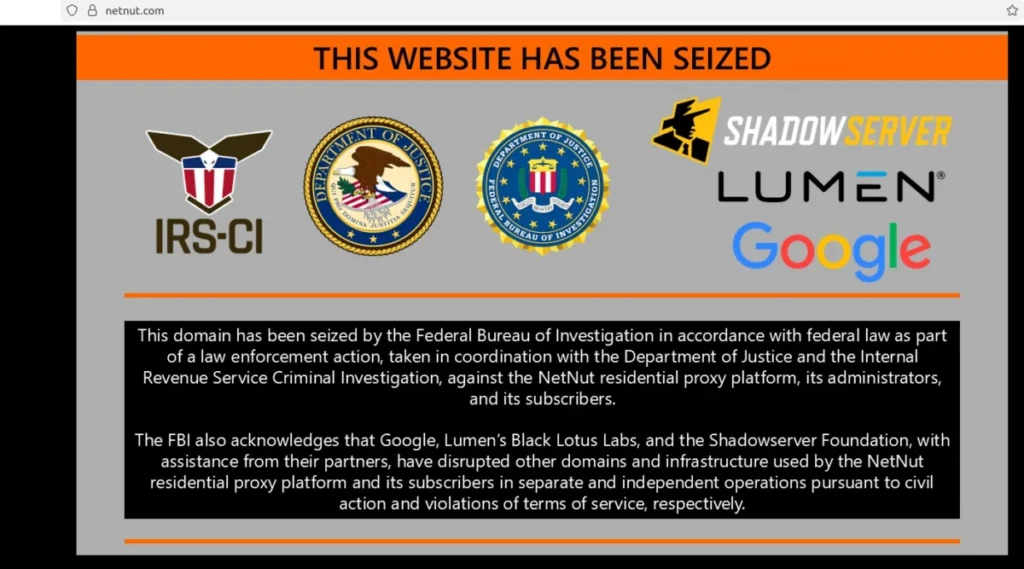
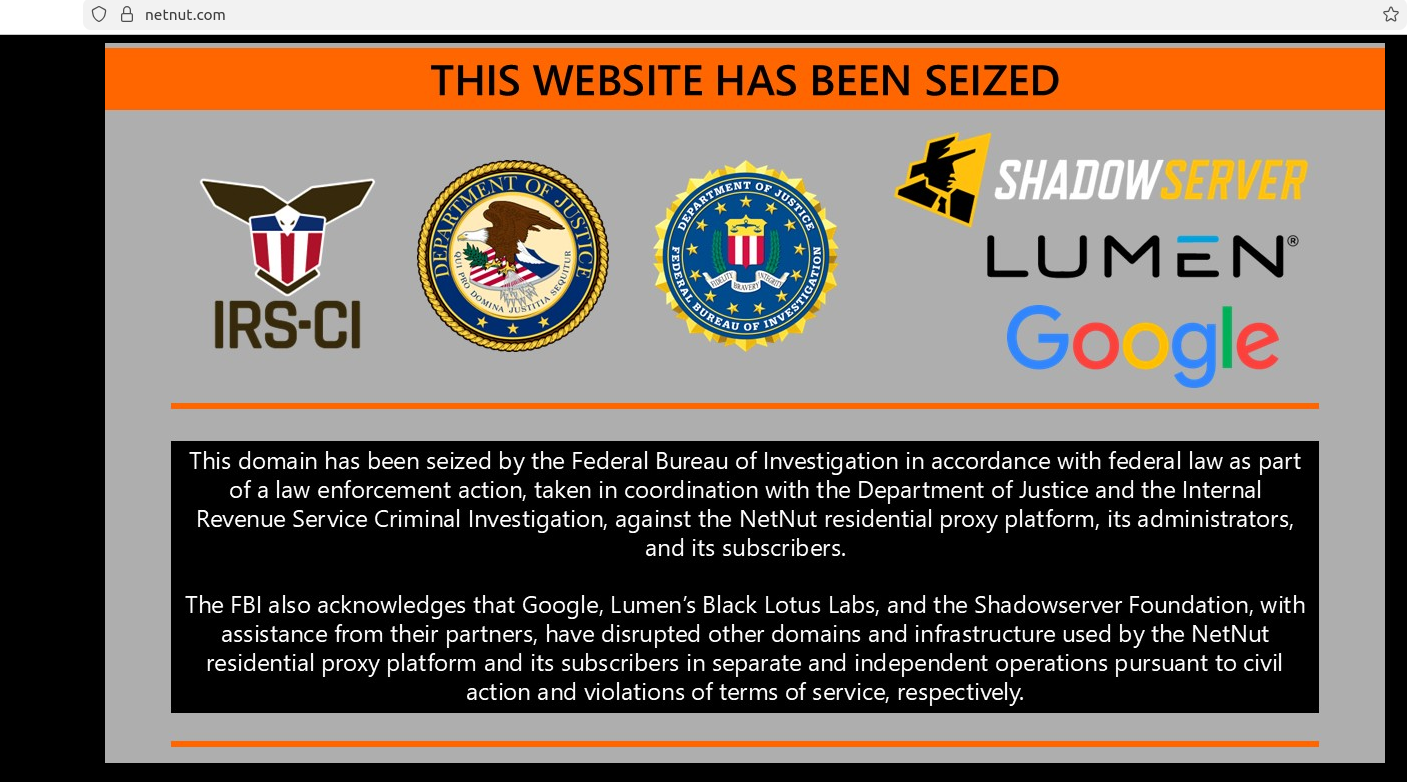
In a decisive blow to the global cybercriminal ecosystem, the Federal Bureau of Investigation (FBI), in coordination with the Internal Revenue Service Criminal Investigation (IRS-CI) division and a coalition of private-sector security firms, has successfully seized hundreds of domains associated with NetNut. The service, a sprawling residential proxy network operated by the publicly traded Israeli company Alarum Technologies (NASDAQ: ALAR), had long been identified by security researchers as a primary engine for malicious internet activity.
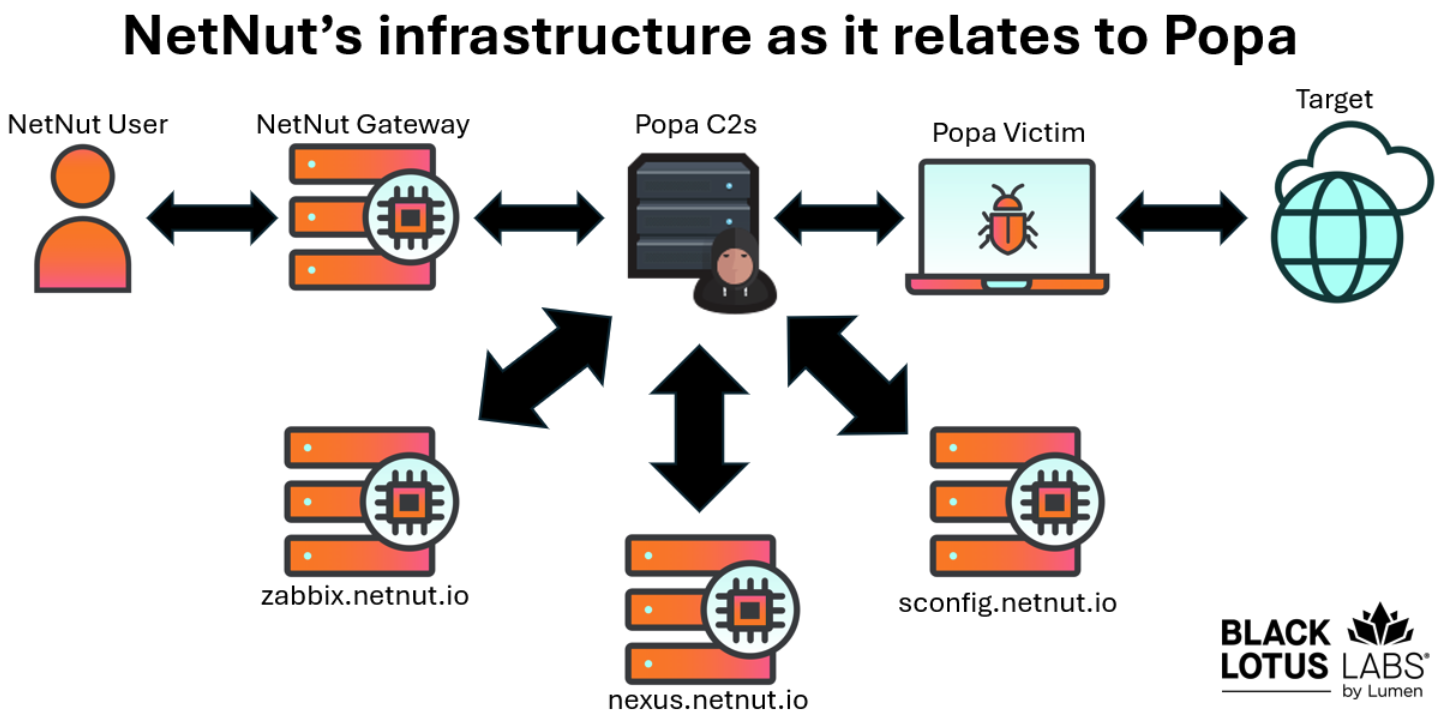
The seizure marks the culmination of an intense, weeks-long investigation following reports that NetNut was the backbone of the Popa botnet—a vast, involuntary network comprising at least two million compromised devices. These devices, ranging from smart TVs to budget streaming boxes, were weaponized without the consent of their owners, turning everyday household electronics into nodes for cyber-attacks, data scraping, and large-scale advertising fraud.
The Chronology of the Takedown
The collapse of NetNut’s infrastructure did not happen in a vacuum; it followed a concentrated campaign by threat intelligence researchers to expose the relationship between residential proxy services and botnet operations.
- Mid-June 2026: Three independent security firms published concurrent findings identifying NetNut as the primary engine for the Popa botnet. The reports detailed how NetNut distributed software development kits (SDKs) to residential devices, effectively turning them into "always-on" proxy nodes.
- Late June 2026: Pressure mounted as major technology players, including Google’s Threat Intelligence Group (GTIG), began actively disrupting the infrastructure, disabling Google accounts tied to NetNut’s malware command-and-control servers.
- Early July 2026: The FBI and IRS-CI executed the domain seizures. By July 8, the seizure notices had expanded to the parent company’s primary website, alarum.io.
- Market Reaction: Following the news of the federal intervention, Alarum Technologies’ stock price experienced a precipitous decline, plummeting approximately 67% to trade at roughly $2.62 per share.
Anatomy of a Residential Proxy Botnet
To understand why federal authorities prioritized this operation, one must look at the mechanics of the "residential proxy" model. A residential proxy allows a user to route their internet traffic through a legitimate home IP address, making it appear as though the traffic is originating from a regular consumer rather than a data center or a server farm.
The Role of the "Popa" Botnet
The Popa botnet specifically targeted "non-reputable" streaming hardware—often inexpensive Android-based TV boxes imported and sold via major global e-commerce platforms. These devices often come pre-loaded with "grey-market" software intended to facilitate the piracy of premium content. Hidden within this software is the NetNut SDK, which silently initiates a connection to the proxy network.
Once infected, these devices become exit nodes. Cybercriminals pay to use these nodes to mask the origin of their traffic, enabling them to bypass IP-based security blocks. This is a preferred tactic for:
- Account Takeover (ATO): Masking automated login attempts to make them appear as if they are coming from a user’s home network.
- Ad Fraud: Simulating human traffic to defraud advertising networks.
- Credential Stuffing: Launching massive password-spraying attacks against corporate infrastructure.
The Ecosystem of "White-Labeling"
Google’s recent intelligence report highlighted a disturbing trend: the "white-labeling" of proxy services. NetNut was not merely a standalone service; it was a wholesaler. Numerous third-party proxy providers resold NetNut’s infrastructure under their own branding, allowing them to scale operations without building their own networks. This interconnectedness meant that a single takedown of the NetNut backend effectively crippled a significant portion of the residential proxy market.
Supporting Data: A View from the Trenches
The evidence gathered by security researchers paints a grim picture of the scale of the abuse. Benjamin Brundage, founder of the proxy tracking service Synthient, noted that NetNut’s volume and quality made it a "tier-one" service for cybercriminals.
"NetNut gained significant popularity after the takedown of IPIDEA earlier this year," Brundage explained. "They were on par with IPIDEA in terms of daily traffic, quality, and price per gigabyte. Their demise leaves a massive hole in the cybercrime market."
The Scope of Exposure
The risk is not limited to those who knowingly purchase "sketchy" streaming boxes. Recent research from Spur.us indicates that the infection vector is far more pervasive. Their analysis of smart TV ecosystems revealed:
- LG webOS: Approximately 42% of available apps in the LG application store were found to contain residential proxy SDKs.
- Samsung Tizen: Over 25% of apps tested for the Tizen OS contained similar components that could turn a television into a proxy node.
This means that a consumer’s home network, which they assume is secured behind a firewall, is effectively being used as a gateway for malicious actors. When a device becomes an exit node, traffic from the outside world is routed through the user’s local network, potentially exposing other connected devices—such as laptops, phones, or smart home controllers—to local network threats.
Official Responses and Corporate Accountability
The response from the parent company, Alarum Technologies, has been one of damage control and cooperation. Omer Weiss, legal counsel for the firm, stated: "Alarum takes this matter seriously and will fully cooperate with law enforcement to ensure any misuse of its infrastructure is thoroughly investigated and those responsible are held to account."
However, the legal and financial ramifications for the company remain in flux. While the company claims to be a facilitator, federal investigators and independent researchers have provided evidence that the "misuse" was not a bug, but a feature of the business model. By providing the tools for traffic obfuscation to an anonymous, global user base, the company effectively shielded the very criminal entities the FBI is now tasked with hunting.
Google, for its part, has taken a proactive role, not only by providing intelligence but by actively pruning its ecosystem of malicious actors. "We recognize that creating a lasting disruption in this fluid ecosystem means we must scale our efforts to target the infrastructure of several interconnected providers," a Google spokesperson noted in a blog post.
Implications: The Future of the Residential Proxy Market
The takedown of NetNut is a tactical victory, but it is not a strategic endgame. The history of the proxy market shows a recurring pattern: when one giant falls, the infrastructure is quickly re-sold, rebranded, or absorbed by smaller players.
The "Hydra" Problem
As Google’s Threat Intelligence Group warned, the residential proxy ecosystem is highly resilient. When a major provider is disrupted, operators often simply pivot to buying capacity from their competitors. This "reseller" model ensures that the traffic continues to flow, even if the primary source is obscured.
Recommendations for Consumers
For the average user, the implications are clear: the hardware we bring into our homes is a potential liability. Security experts offer the following guidance:
- Stick to Established Brands: Reputable manufacturers are significantly less likely to include, or allow, the installation of malicious SDKs that turn your device into a proxy node.
- Avoid "Unofficial" Operating Systems: TV boxes that require side-loading unofficial Android OS versions are high-risk targets for botnet operators.
- Verify Certification: Ensure that any Android-based TV device is Play Protect certified.
- Prune Your Apps: Be judicious about what software you install on smart TVs. If an app doesn’t have a clear, legitimate developer or is from an unknown source, it is safer to avoid it entirely.
A Turning Point for Internet Governance?
The FBI’s involvement, coupled with the collaboration of companies like Google, Lumen, and Shadowserver, signals a shift in how the industry handles residential proxy abuse. By treating these networks as national security threats rather than merely "grey-market" nuisances, law enforcement is raising the cost of doing business for the architects of these botnets.
While this latest operation has caused "significant degradation" to the proxy network, the battle for a clean, non-abused internet continues. As the dust settles on the NetNut seizure, the focus will now shift to identifying the next tier of proxy providers and, more importantly, finding ways to prevent the monetization of compromised residential devices at the software development level. The era of the "unregulated" residential proxy may be coming to a close, but the resilience of these criminal networks ensures that the cat-and-mouse game is far from over.