The landscape of artificial intelligence continues to accelerate past simple conversational prompts into proactive automation, cinematic media generation, and deeply integrated enterprise workflows. Recent developments highlight a fundamental pivot: businesses and creators are moving away from ad-hoc prompting and toward structured execution tools, platform-agnostic workflows, and powerful native-system agents.
Key milestones driving this transformation include:
The Form-Driven AI Execution Model: Shifting from open-ended chat outputs to structured form inputs that serve as automated execution triggers.
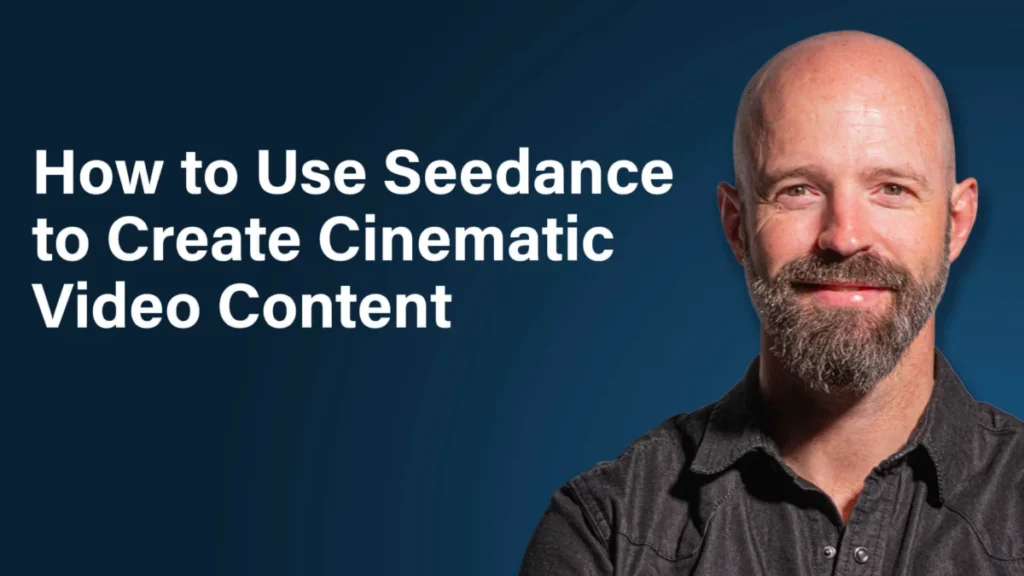
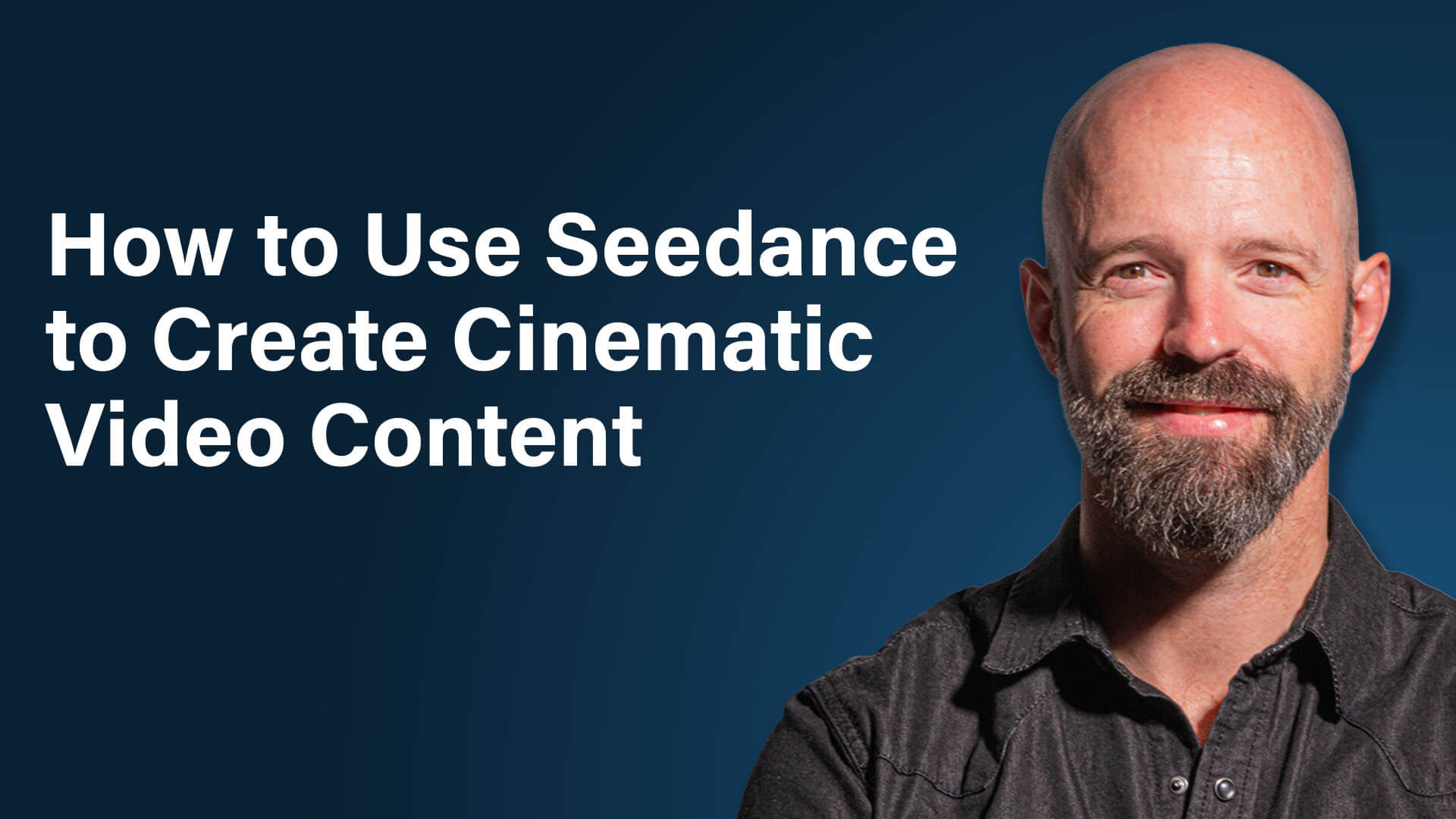
Cinematic AI Video Production: Moving beyond viral, distorted clips to professional, intentional storytelling utilizing diffusion and large language model (LLM) synergies, championed by industry leaders like Zen Robot CCO Ross Symons.
Anthropic’s Claude Opus 5.5 and Unified Interface: The release of a high-performance, cost-efficient flagship model accompanied by a streamlined interface combining chat, Cowork, Artifacts, and design capabilities.
Meta’s Muse Agent for macOS: Expanding desktop-level OS integrations to let AI agents safely execute tasks across native Mac applications.
OpenAI’s Advanced Advertising Suite: The introduction of conversational ad creation, Sponsored Agents, and native CRM/commerce integrations via HubSpot and Shopify.
Chronology of Recent Developments
The past week has witnessed a rapid cadence of strategic releases, architectural framework shifts, and software updates across the artificial intelligence ecosystem:
Early Week – The Workflow Awakening: Industry insights popularized a return to foundational digital tools—specifically online forms—as the ultimate mechanism to transition AI from a passive research assistant into an active automation trigger. Concurrently, educational campaigns by organizations like the AI Business Society emphasized platform-agnostic agent workflows.
Mid-Week – Cinematic Video Insights: Zen Robot’s Ross Symons released a comprehensive masterclass on professional AI video creation. Breaking away from traditional prompt-and-pray methods, his framework introduced storyboard-first concepts, director-based creative shorthand, and the keyframe method to eliminate common generation artifacts.
Anthropic’s Opus 5.5 Debut: Anthropic officially launched Claude Opus 5.5. Designed for heavy enterprise lifting—ranging from advanced coding to complex data research—the model combined enhanced capabilities with reduced operational overhead and stricter safeguards for high-risk domains.
Anthropic’s Interface Consolidation: Following the Opus rollout, Anthropic unified Claude’s scattered features into a single, cohesive interface capable of routing user requests dynamically across chat, design, and newly introduced collaborative document and presentation workflows.
Meta’s Desktop Expansion: Meta brought its Muse AI agent to macOS, opening the door for native file, message, calendar, and email management directly on desktop computers.
OpenAI Advertising Ecosystem Overhaul: OpenAI unveiled conversational campaign tools, ChatGPT Work natural-language prompt builders, Sponsored Agents for direct consumer engagement, and deep integrations with platforms like HubSpot and Shopify.
Supporting Data and Technical Breakthroughs
As artificial intelligence systems mature, the metrics defining success have shifted from raw parameter counts to operational efficiency, structural reliability, and error reduction in creative output.
1. Eliminating the "Research Tax" via Forms
Traditional AI usage suffers from what automation experts call the "Research Tax": AI gathers and synthesizes vast amounts of data, only to return a dense block of text that a human must manually parse, format, and input into a CRM or project management tool.
The Structural Shift: By routing data collection through standardized fields (drop-downs, radio buttons, and clear text inputs), every label acts as a strict programmatic instruction.
Automation Velocity: Form submissions eliminate unstructured parsing errors. Because a form response acts as an absolute trigger in automation stacks (such as Zapier or Make), downstream actions—like prospect research updating a CRM or call notes turning into assigned tasks—execute instantly with zero human friction.
2. Mastering the Diffusion-LLM Divide in Video
The gap between amateur AI video generation and professional cinematic production lies in understanding the distinct roles of Large Language Models and Diffusion Models.
Conceptual Pre-Planning: Professional studios avoid direct prompting. Instead, they use LLMs (such as ChatGPT) to flesh out emotional arcs, script continuity, and narrative structures before touching video generators.
Visual Direction and Keyframing: By utilizing historical film directors as stylistic shorthand (e.g., framing composition, lighting contrast, and pacing cues), creators bypass generic, flat, symmetrically centered compositions. Furthermore, utilizing explicit start and end keyframes resolves multi-clip continuity errors—eradicating the notorious "spaghetti arms" and anatomical distortion prevalent in early viral video attempts.
3. Model Architecture and Ecosystem Upgrades
Claude Opus 5.5: Anthropic’s latest flagship delivers high-tier performance for advanced computing and biological/cybersecurity research while scaling down operating costs and increasing output speeds. The impending rollout of Sonnet 5.5 and Haiku 5.5 promises to distribute these efficiency gains across the entire product ecosystem.
Meta Muse on macOS: Operating system-level permissions enable Muse to act locally on desktop applications. By restricting sensitive actions behind user approval prompts, Meta bridges the gap between web-bound assistants and local digital agents.
OpenAI Advertising Integration: The convergence of natural-language campaign management with HubSpot and Shopify data pipelines turns conversational interfaces into direct commerce drivers, reducing the friction between ad generation, lead tracking, and final sale conversion.
Official Responses and Industry Reactions
The latest wave of updates has drawn significant commentary from industry pioneers, founders, and enterprise leaders focused on productivity and sustainable tech integration.
Michael Stelzner, founder of Social Media Examiner and the AI Business Society, emphasized the importance of resilience in modern workflows:
"Every time your AI platform changes, raises its price, or goes down completely, it can feel like starting from scratch—relearning steps you already had working. The real fix isn’t learning faster. It’s building a workflow that survives the platform changing underneath it."
On the creative front, Ross Symons, co-founder and chief creative officer of Zen Robot, addressed the pervasive myth surrounding the ease of AI video production:
"Anyone can type a prompt and get a video clip back. But getting a result that actually looks good requires a specific way of communicating with these tools that’s very different from how you’d chat with an AI assistant. The language you use matters infinitely more than the tool you pick."
Enterprise software analysts have similarly praised Anthropic’s interface consolidation. By merging Claude Chat, Cowork, Artifacts, and newly minted document/presentation workflows into a single environment, Anthropic addresses "tab fatigue" and fragmented tool usage, streamlining how multidisciplinary teams collaborate on real-time projects.
Implications for Businesses, Marketers, and Creators
The compounding weight of these developments signals profound changes for professionals across marketing, sales, content creation, and software development.
1. From Passive Assistants to Autonomous Triggers
Businesses must rethink how they deploy artificial intelligence. Rather than treating AI as an isolated chat window where employees ask questions and manually copy-paste results, companies should build systematic pipelines. By integrating structured input forms with automated trigger-action architectures, organizations can achieve true "set-and-forget" operational efficiency—automating competitor intelligence tracking, lead generation, and customer onboarding.
2. The Democratization of Professional Media
The maturation of AI video tools—bolstered by storyboard workflows, keyframing techniques, and diffusion-LLM integration—means high-end visual storytelling is no longer restricted to large studios with massive budgets. Small businesses, independent marketers, and solo creators can now produce cinematic, brand-aligned video assets capable of standing out in crowded digital feeds, provided they master structural concepts over random prompt experimentation.
3. Platform Agnosticism as an Enterprise Survival Strategy
With tech giants frequently updating models, shifting pricing tiers, and altering ecosystem boundaries, organizations risk severe operational disruption if their internal processes are tightly coupled to a single proprietary platform. Building modular, four-step agent frameworks that can run across multiple AI backends ensures business continuity, insulating companies from sudden vendor pivots or service outages.
4. The Convergence of Advertising, Commerce, and AI Agents
OpenAI’s expansion into conversational advertising, paired with Shopify and HubSpot integrations, points to a future where ad campaigns are managed through natural language and consumers interact directly with intelligent sponsored agents. Marketers must adapt by learning how to seed conversational prompts, construct effective brand agents, and analyze metrics generated natively within unified AI workspaces.