The Architect of Chaos: Inside the Massive Snowflake Extortion Syndicate

In a sweeping legal victory for the U.S. Department of Justice, Connor Riley Moucka—a 26-year-old Canadian national once labeled one of the most significant cyber threats of 2024—has pleaded guilty to a sprawling conspiracy of computer fraud and extortion. Moucka, who operated under the menacing digital aliases "Judische" and "Waifu," orchestrated a campaign that compromised over 165 organizations, exposing the vulnerabilities of major cloud infrastructure and triggering a national security crisis.
His guilty plea marks the culmination of a high-stakes international investigation into a criminal network that didn’t just steal data; they weaponized it against the very people tasked with stopping them.
The Anatomy of the Breach: A Cloud-Based Catastrophe
The operation led by Moucka targeted the architectural foundations of modern business: Snowflake, a widely used cloud-hosted data platform. Between February and October 2024, Moucka and his co-conspirators exploited a systemic weakness in how organizations managed their cloud credentials. By identifying accounts that lacked robust multi-factor authentication (MFA), the hackers gained unauthorized entry into the private data silos of corporate giants, including Ticketmaster, LendingTree, Advance Auto Parts, and Neiman Marcus.
The scale of the theft was staggering. The syndicate exfiltrated terabytes of sensitive information, encompassing banking details, payroll records, Drug Enforcement Administration (DEA) registration numbers, driver’s licenses, and Social Security numbers. Beyond the corporate breaches, Moucka admitted to his role in the compromise of AT&T’s systems, which resulted in the theft of call and text history records for more than 100 million customers.
Chronology of a Cyber-Criminal Empire
To understand the rise of the "Judische" persona, one must look at the timeline of his escalation from a software engineer in Ontario to a global extortionist.

- 2020: The earliest indicators of Moucka’s involvement in data breaches and voice phishing (vishing) attacks against U.S. entities begin to surface.
- February 2024: The commencement of the coordinated assault on Snowflake customers. Over the next eight months, the syndicate executes a systematic campaign of credential harvesting and data exfiltration.
- September 2024: Investigative reporting by KrebsOnSecurity identifies the link between the "Judische" alias and extremist groups known for harassing minors. The investigation highlights the blurred lines between traditional cybercrime and predatory online behavior.
- October 2024: The Royal Canadian Mounted Police (RCMP), acting on a provisional warrant from the United States, apprehends Moucka in Ontario.
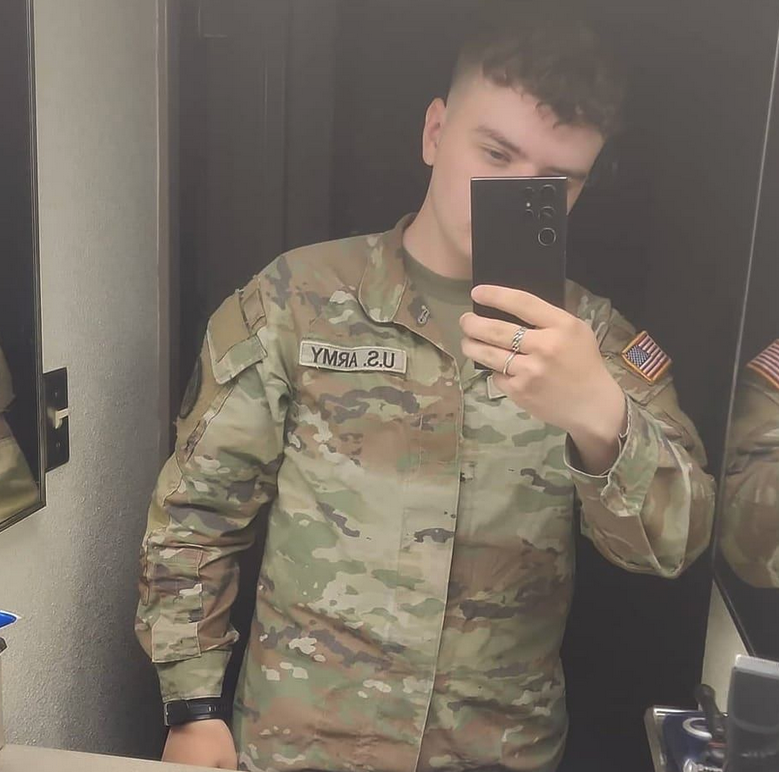
- July 2025: Cameron "Kiberphant0m" Wagenius, a co-conspirator and U.S. Army soldier, pleads guilty to his role in the AT&T and Verizon data thefts.
- October 2027: Moucka’s scheduled sentencing date, where he faces up to 30 years in prison.
The Co-Conspirators: A Network of Global Disruptors
Moucka did not operate in a vacuum. His network was composed of individuals who utilized their unique skill sets—and in some cases, military access—to amplify their reach.
Cameron "Kiberphant0m" Wagenius
A U.S. Army soldier stationed in South Korea, Wagenius provided a bridge between the military and the underground hacking forums. His arrest revealed that the threat was not merely external but involved the exploitation of internal organizational trust. Wagenius is linked to the bold, high-profile release of data purported to be the AT&T call logs of President-elect Donald Trump and Vice President Kamala Harris, as well as classified schematics from the National Security Agency (NSA). He is set to be sentenced in September 2026.
John Erin Binns (IRDev)
The third pillar of this triad, 26-year-old American John Erin Binns, represents the challenges of international law enforcement. Indicted for his role in the 2021 T-Mobile breach that affected 76 million people, Binns fled the U.S. and eventually resurfaced in Turkey. Sources indicate that Binns has secured Turkish citizenship, creating a geopolitical impasse; Turkey generally does not extradite its citizens to face foreign charges, effectively shielding Binns from U.S. justice.
Tactics of Terror: Re-Extortion and Harassment
What distinguished Moucka’s syndicate from typical "ransomware" groups was the sadistic nature of their extortion. They did not merely demand payment to delete stolen data; they practiced "re-extortion."
In at least one documented case, after receiving a ransom payment, Moucka continued to threaten the victim with further data exposure. He extended this harassment to the government officials and security researchers who were actively tracking his movements. In a particularly egregious display of malice, Moucka utilized the stolen personal data of a government officer—and their immediate family—to exert pressure and instill fear. This shift from profit-driven crime to targeted, personal terror represents a dangerous evolution in the cyber-threat landscape.
Official Responses and Corporate Accountability
The sheer volume of compromised data forced a reckoning within the software-as-a-service (SaaS) industry. Snowflake, in response to the massive data leak, was compelled to overhaul its security posture. The company implemented stricter password complexity requirements and mandated multi-factor authentication for all users, effectively closing the "open door" that allowed the syndicate to thrive for nearly a year.
The U.S. Justice Department has framed these convictions as a warning to the global cybercrime community. "The era of the digital safe haven is ending," remarked a federal official familiar with the case. The prosecution of Moucka and Wagenius highlights the efficacy of cross-border intelligence sharing between the FBI, the RCMP, and international cybersecurity firms.
Implications: The Future of Cloud Security
The case of Connor Riley Moucka offers three critical lessons for the future of digital safety:
- The MFA Imperative: The breach was not caused by a zero-day exploit or a sophisticated bypass of encryption. It was caused by the lack of basic multi-factor authentication. Organizations that treat MFA as an optional feature are essentially inviting intrusion.
- The Insider Threat: The involvement of a U.S. Army soldier underscores the reality that organizations must monitor their internal assets with the same vigor they apply to external firewalls. The human element remains the weakest link in the security chain.
- The Geography of Justice: The case of John Erin Binns serves as a stark reminder of the limitations of the current international legal framework. As cybercriminals acquire citizenship in non-extradition countries, the internet becomes a landscape where criminals can operate with near-impunity, provided they choose their jurisdictions wisely.
As Moucka awaits his October 2027 sentencing, the cybersecurity community continues to analyze the "Judische" archives. While his specific criminal career has reached an impasse, the methodology he pioneered—targeting cloud infrastructure and weaponizing personal data against victims—has been absorbed into the modern hacker’s playbook. The battle against such syndicates is no longer just about protecting data; it is about protecting the sanctity of the digital lives of millions of citizens who are now, more than ever, targets of opportunity.