The Dawn of Autonomous Governance: AWS DevOps Agent Evolves to Solve the "Release Bottleneck"
In the modern software development lifecycle, the speed of innovation has become a double-edged sword. As development teams increasingly leverage AI-powered coding assistants to accelerate feature delivery, they have inadvertently triggered a secondary crisis: a massive, unmanageable surge in pull requests (PRs). This influx has outpaced the human capacity for thorough code review, leading to a precarious state where developers—under immense pressure to deploy—often bypass rigorous examination, inadvertently allowing security vulnerabilities and configuration drift to permeate production environments.
Addressing this critical friction point, Amazon Web Services (AWS) has announced a significant expansion of its AWS DevOps Agent. By introducing new "Release Readiness Review" and "Autonomous Release Testing" capabilities—currently available in preview—AWS is positioning its agent not merely as an assistant, but as an autonomous governance layer designed to maintain velocity without sacrificing system integrity.
The Architecture of the "Release Bottleneck"
To understand the significance of this update, one must recognize the current state of DevOps. Traditional CI/CD pipelines rely heavily on static, pre-defined test suites. While effective for known regression scenarios, these suites often struggle to keep pace with the complex, non-linear code generated by AI.
When a developer submits a pull request, the review process is often a bottleneck. Human reviewers are forced to choose between thoroughness and speed. When the human element falters, the "drift" between staging environments and production increases, leading to the infamous "it worked in my environment" phenomenon. AWS DevOps Agent, already capable of incident investigation and root cause analysis, now aims to close this gap by applying deep, context-aware intelligence to the pre-deployment phase.
Chronology: From Reactive Support to Proactive Governance
The evolution of the AWS DevOps Agent marks a clear shift in how AWS approaches operational management:
- Initial Launch: AWS DevOps Agent was introduced as an "always-available teammate," primarily focused on post-deployment operations. Its initial utility included autonomous incident investigation, root cause analysis, and the provision of actionable mitigation steps for production failures.
- The Integration Phase: AWS began integrating the agent deeper into the developer ecosystem, allowing it to interface with version control systems like GitHub and GitLab, and IDEs via plugins like Claude Code and Kiro.
- The Current Milestone: With the announcement of the release management features, the agent has effectively "shifted left." It now intervenes before the code is even merged, acting as a gatekeeper that validates changes against both general best practices and custom, organization-specific standards.
Decoding the New Capabilities
The core of this release lies in two distinct but complementary features: Release Readiness Review and Autonomous Release Testing.

Release Readiness Review: The Digital Auditor
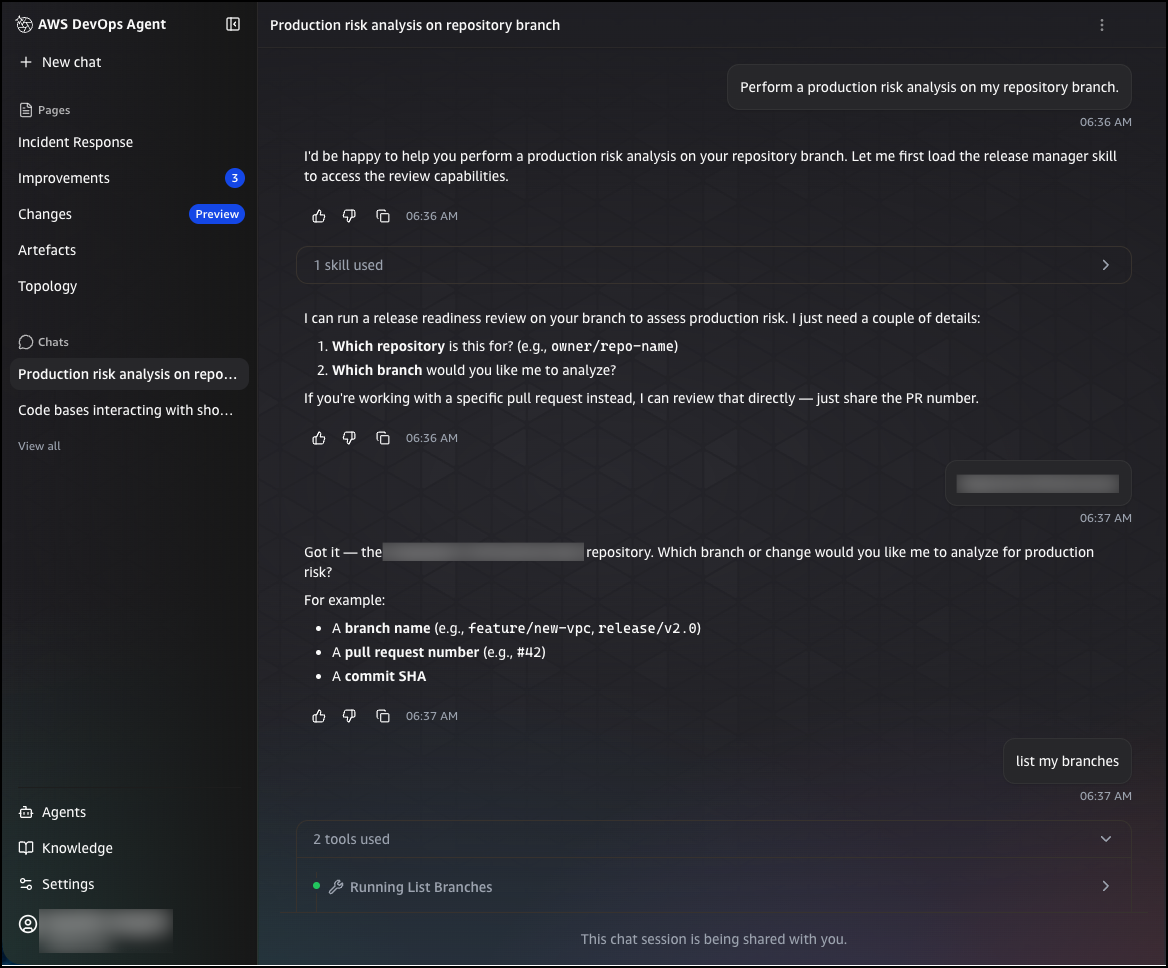
The Release Readiness Review serves as an automated, intelligent auditor. When a developer submits a PR, the agent does not merely check for syntax; it evaluates the change against the company’s internal "natural language" standards.
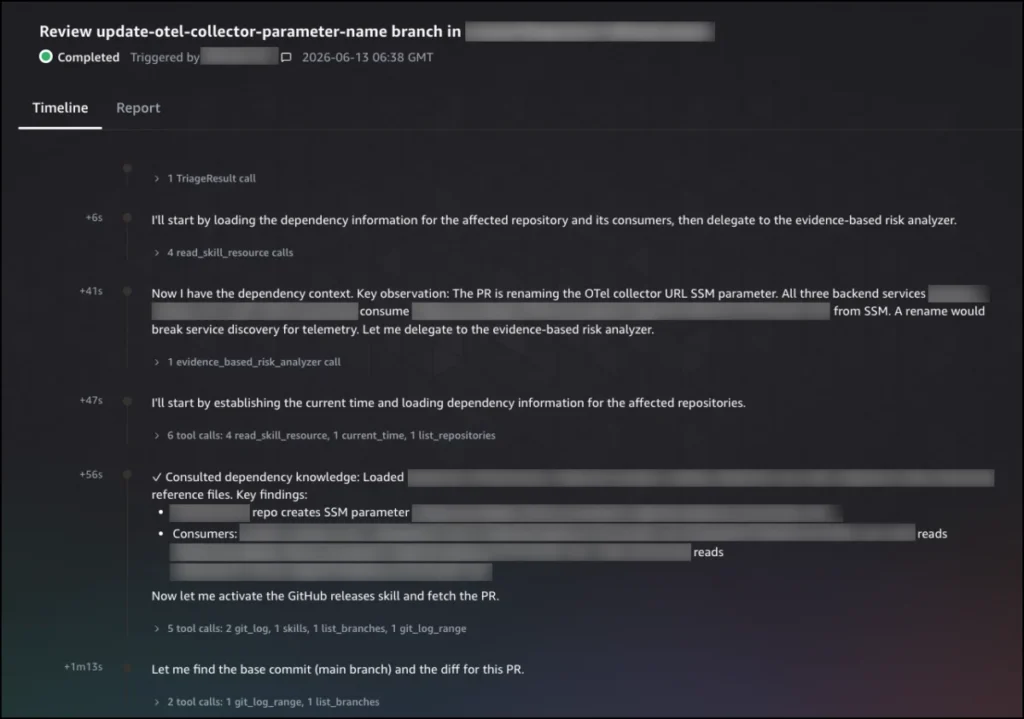
Organizations can define specific instructions for the agent—such as requirements for encryption, network access rules, or data classification. If a developer submits a change that violates these internal policies, the agent flags it. More importantly, it performs cross-repository dependency analysis. It understands the "knowledge graph" of an entire environment, predicting how a change in a core service might break downstream dependencies—a task that is notoriously difficult for humans to perform manually across large-scale, microservices-based architectures.
Autonomous Release Testing: Dynamic Verification
While traditional testing is static, the agent’s new testing capability is dynamic. It reasons about the nature of the specific code change. If a developer alters an API endpoint, the agent doesn’t just run a generic suite; it constructs a targeted test plan tailored to that specific code. It verifies functional correctness and behavioral regressions, then executes these tests in an isolated, production-like environment managed by AWS. This ensures that the code is not just "syntactically correct," but "operationally viable."
Implications for Engineering Teams
The shift toward autonomous release management has profound implications for the structure of engineering teams:
- Human-in-the-Loop Optimization: By automating the "boring" parts of the review process—such as checking for policy violations or dependency risks—human engineers can focus their cognitive energy on architectural design and complex business logic.
- Increased Security Posture: By enforcing the AWS Well-Architected Framework and custom compliance standards at the PR level, the agent acts as a permanent, non-negotiable security guard. This reduces the risk of human error in security configurations.
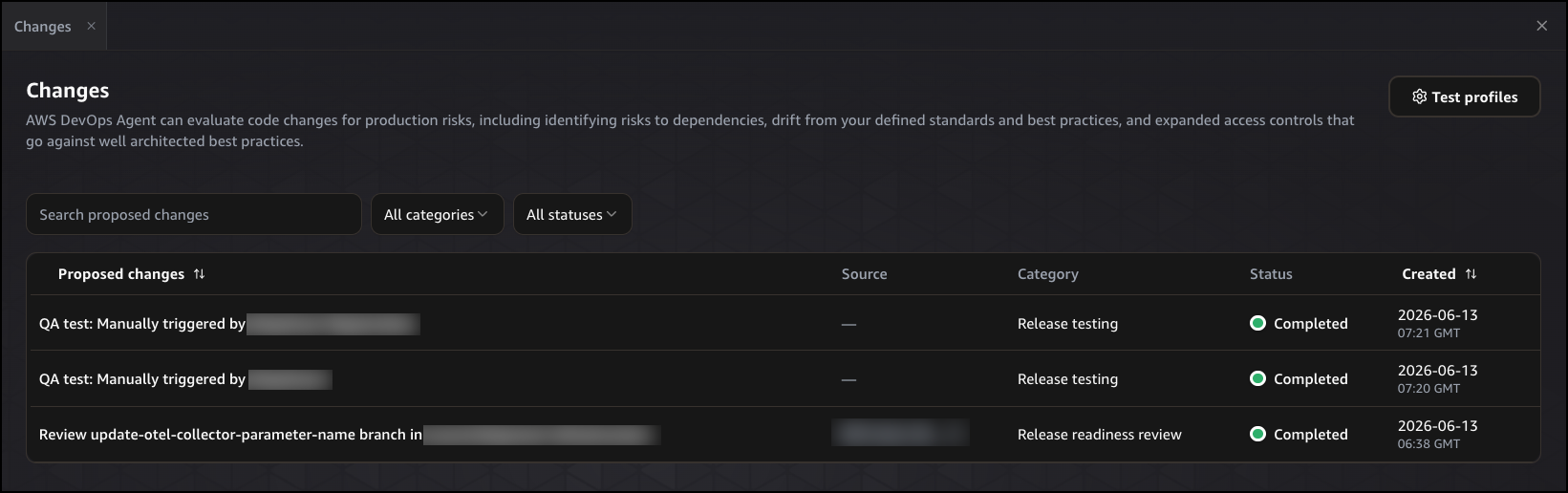
- Velocity Without Chaos: The "BLOCK," "Proceed with Caution," and "Safe to Release" status indicators provide clear, data-backed guidance to developers. This transparency removes the ambiguity from the deployment process, significantly reducing the "fear of release" that often plagues high-stakes deployments.
The Technical Workflow: A Closer Look
To implement these features, teams must first connect their GitHub or GitLab repositories to an "Agent Space" within the AWS DevOps Agent console. The agent then indexes the repository to build a comprehensive knowledge graph.
Tailoring the Intelligence
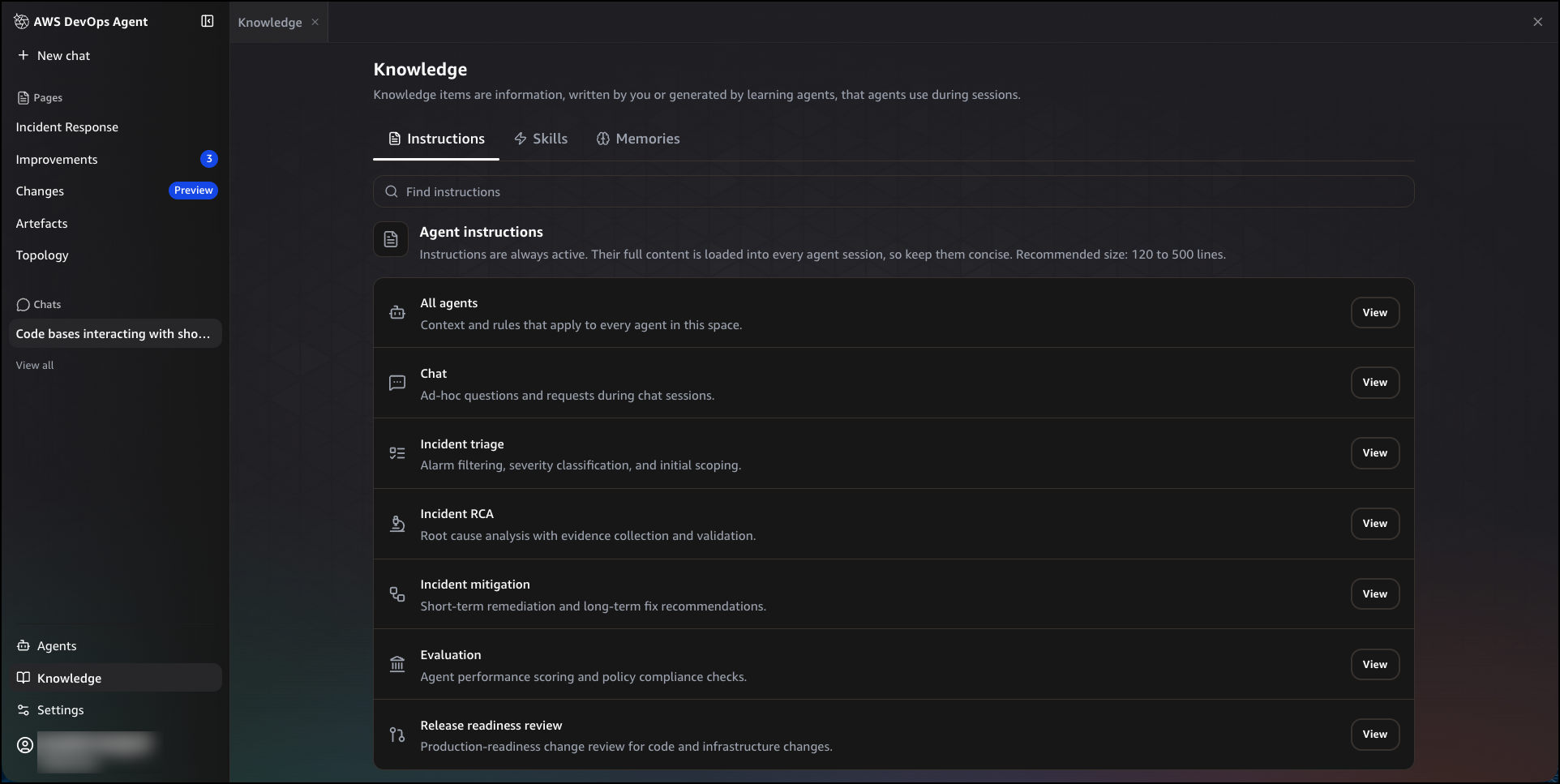
The power of the agent lies in its customizability. Through the "Instructions" tab, users can define their organizational standards in plain English. For example, a team can instruct the agent to: "Always verify that any change to S3 buckets includes server-side encryption and public access blocking." The agent interprets these instructions and applies them consistently across every review, regardless of who submitted the code.
The Feedback Loop
The integration with IDEs ensures that the feedback loop is as tight as possible. A developer working in their local environment via the Kiro power or Claude Code plugin can trigger a review before committing. This preemptive feedback prevents the "ping-pong" effect where a PR is submitted, rejected, fixed, and resubmitted, thereby shaving hours off the development cycle.
Official Perspective and Future Outlook
While AWS has not released specific performance metrics for the preview, the company emphasizes that the primary goal is to ensure that the value generated by AI coding tools actually reaches the end-user. As AI models become more adept at writing code, they also become more adept at identifying potential security or functional issues. AWS is effectively using the "fire to fight fire" approach, utilizing AI agents to govern the output of AI coding assistants.
The current preview is available in the US East (N. Virginia) region at no additional cost. This indicates a strategy of rapid adoption and feedback gathering. By lowering the barrier to entry, AWS is encouraging teams to experiment with the agent’s reasoning capabilities, likely with the intent of refining the model’s performance before a wider, global release.
Conclusion: The New Standard for Deployment
The introduction of release management capabilities to the AWS DevOps Agent represents a fundamental change in the relationship between developers and their tools. We are moving away from a world of manual gatekeeping toward a future of "autonomous governance."
As software ecosystems grow in complexity, the ability to maintain a high-velocity deployment pipeline while simultaneously ensuring security, compliance, and architectural integrity will become the primary differentiator between successful engineering organizations and those stalled by technical debt. With this update, AWS is not just providing a new tool; it is defining the standard for how the next generation of autonomous software engineering will be managed, audited, and deployed. For teams struggling under the weight of their own innovation, the AWS DevOps Agent may well be the missing piece in the puzzle of modern, sustainable DevOps.