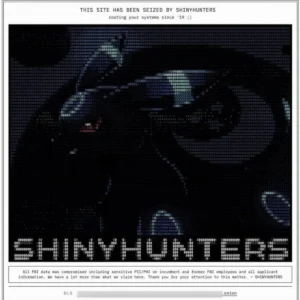
The Digital Identity Catastrophe: Inside the ‘Nexus’ Breach of 153 Million Records
In what cybersecurity experts are calling one of the most significant data exposures in North American history, a shadowy dark web entity known as "Nexus" has surfaced, claiming to possess and sell high-resolution digital scans of more than 153 million driver’s licenses and government-issued identification cards. The scale of the breach, which includes sensitive biometric-ready images of citizens from across the United States and Canada, has triggered an urgent investigation by the Federal Bureau of Investigation (FBI).
The data, which appears to have been siphoned from a Louisiana-based identity verification firm, includes not only standard driver’s licenses but also medical marijuana cards, commercial licenses, and even Common Access Cards (CAC)—high-security credentials used by federal employees to gain entry into restricted government facilities.
The Anatomy of the Nexus Service
The Nexus service first appeared on the Russian-language cybercrime forum Exploit on August 31. The operator’s initial marketing was brazen: they offered a free "sample" of the stolen data, which included the driver’s license of a prominent cybersecurity journalist.
The scope of the repository is staggering. By performing a blank search on the platform, researchers identified approximately 11.5 million pages of results, with each page containing roughly 15 individual records. While the breach impacts both U.S. and Canadian citizens, the overwhelming majority of the records belong to Americans. Canadian records number over 1.1 million, with the highest density originating from Ontario.

What distinguishes this breach from traditional database leaks is the granular nature of the files. Each record typically contains six distinct images: the front and back of the identification card in standard format, as well as infrared and ultraviolet versions of the same images. These specialized scans are a hallmark of high-end identity verification technology used to detect forged documents, suggesting the attackers compromised the backend infrastructure of a major vendor rather than a simple retail database.
A Chronology of Discovery
The discovery of the Nexus platform was facilitated by meticulous investigative work. On August 31, a source alerted security researchers to the forum post. By cross-referencing timestamps embedded in the filenames of the stolen images with the real-world activities of affected individuals, investigators began to trace the origins of the data.
- June 2025: The timeline of the leaked data appears to span at least one year. Timestamp analysis reveals that many of the scans were captured during routine identity checks at rental car counters and regulated retail environments.
- August 31, 2026: Nexus officially launches on the Exploit forum. The service boasts of "continuously exfiltrating" new data, with internal metrics showing the database growing by approximately 400,000 records every 24 hours.
- September 1–2, 2026: Researchers and federal authorities begin connecting the dots. Journalists contacted multiple individuals whose licenses appeared in the database. In every case, the timestamps on the digital scans correlated with the exact dates and times those individuals presented their IDs at specific venues—primarily Hertz rental counters and Planet13 marijuana dispensaries.
- September 2, 2026 (Evening): Shortly after news of the breach went public, the Nexus website abruptly went dark, displaying a cryptic message: "This service is no longer available."
The Fingerprints of a Supply Chain Attack
The evidence points squarely at idscan.net, a New Orleans-based provider of identity verification solutions. The company acts as a middleman for Fortune 500 companies and high-security venues, processing over 21 million verifications every month at more than 20,000 locations worldwide.
The "trust" page of the idscan.net website lists a portfolio of clients that reads like a who’s who of American industry: Hertz, FedEx, Target, Motorola Solutions, and Caesars Entertainment. The technology employed by these companies is specifically designed to capture the infrared and ultraviolet signatures of IDs—the exact files being sold on the dark web.

The methodology is consistent: a user visits a business, hands their ID to a clerk, and the document is inserted into a scanner. That scanner transmits the data to the idscan.net server for verification. It is at this point of transmission or storage that the breach occurred. Even federal employees—who possess heightened security clearances—were not spared. Their IDs were captured during secondary transactions, such as renting a car after a flight, effectively turning a routine travel requirement into a lifelong security liability.
Official Responses and Federal Intervention
The FBI’s New Orleans field office, recognizing the national security implications of the breach—which includes the exposure of high-ranking government officials and assistant-level personnel—launched an immediate inquiry.
In a conference call with security researchers, senior leaders from the FBI’s cyber division confirmed they were treating the idscan.net breach as a high-priority incident. The gravity of the situation was underscored by the fact that the attackers successfully harvested the credentials of individuals who likely hold sensitive positions within the U.S. government.
For its part, idscan.net was initially slow to respond but eventually issued a formal notification on September 8. The company admitted that an "unauthorized third party may have accessed and/or copied certain customer information," including full names and government-issued identification numbers. They have since pledged to offer credit protection services to those affected, though critics argue such measures are insufficient given the nature of the data stolen.

Other organizations have scrambled to distance themselves. A spokesperson for Caesars Entertainment, for instance, stated that the company had not been a client of idscan.net since February 2025 and that no active accounts existed at the time of the incident, effectively insulating their customer base from the fallout.
The Broader Implications: A "Life-Long" Liability
The implications of the Nexus breach extend far beyond standard credit card fraud. Experts like Larry Baldwin, a principal intelligence researcher at Cybera, warn that this exposure constitutes a "life-long" security threat.
1. The Death of Authentication
"Just when it seems like we’re making headway in improving authentication controls through driver’s license verification systems, this happens," Baldwin noted. The breach undermines the very trust mechanism that modern businesses rely on to verify identities. Because the leaked files include high-fidelity images of the documents, bad actors can now create near-perfect physical forgeries or feed the digital images into AI-based systems to bypass remote identity checks.
2. Risk to Vulnerable Populations
The most chilling aspect of the data release is the impact on individuals who cannot "reset" their identities. People fleeing domestic violence, witnesses in federal criminal trials, and those in protected status programs rely on the integrity of their identification. If an identity thief can track a person’s movements via the metadata attached to these scans, the physical safety of those individuals is at immediate risk.

3. The Failure of Third-Party Oversight
The breach highlights a systemic failure in how sensitive data is handled across the private sector. Companies are increasingly required to collect government IDs to satisfy "Know Your Customer" (KYC) regulations, anti-fraud policies, or age-verification laws—such as those for marijuana dispensaries. However, the security standards for these third-party vendors often fail to match the sensitivity of the data they process.
Zach Edwards, a privacy researcher who discovered his own license in the database, summarized the systemic failure: "These systems are putting sensitive data into more and more third-party vendors, and we don’t have nearly the oversight to ensure they are safe."
Conclusion
The Nexus breach is not merely a database leak; it is a fundamental breakdown of the digital trust infrastructure in North America. By centralizing the verification of 153 million citizens into the hands of a few private firms, the industry has created "honeypots" of immense value for cybercriminals. As the FBI continues its investigation, the incident serves as a grim reminder that in the age of digital surveillance, the act of proving one’s identity has become a significant liability. For the millions of Americans and Canadians whose personal documents are now circulating on the dark web, the fallout—ranging from identity theft to physical safety concerns—will be felt for years to come.