The Endurance King: A Comprehensive Review of the Oppo Watch X3
The wearable technology market has long been plagued by a singular, persistent compromise: the trade-off between the rich, app-heavy ecosystem of Wear OS and the abysmal battery life that typically accompanies it. For years, users have been forced to choose between a smartwatch that does everything but dies by sunset, or a "fitness tracker" that lasts a week but lacks the smarts of a true companion device. Enter the Oppo Watch X3, a device that boldly challenges this status quo by promising a multi-day endurance experience without sacrificing the depth of Google’s wearable platform.
Priced at approximately €300, the Watch X3 is not just another iterative update; it is a strategic maneuver by Oppo to capture the power-user segment. By leveraging a unique dual-chip architecture and premium, lightweight materials, the Watch X3 aims to stand toe-to-toe with industry heavyweights while offering a refreshing perspective on what a long-lasting Wear OS watch should look and feel like.
Main Facts: Hardware and Design Philosophy
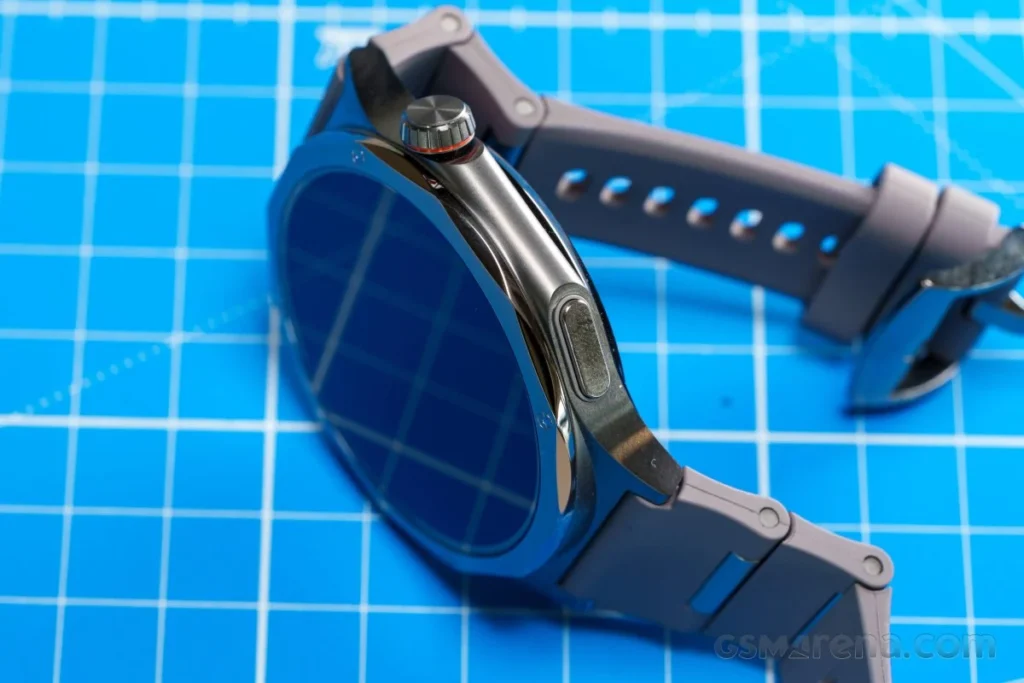
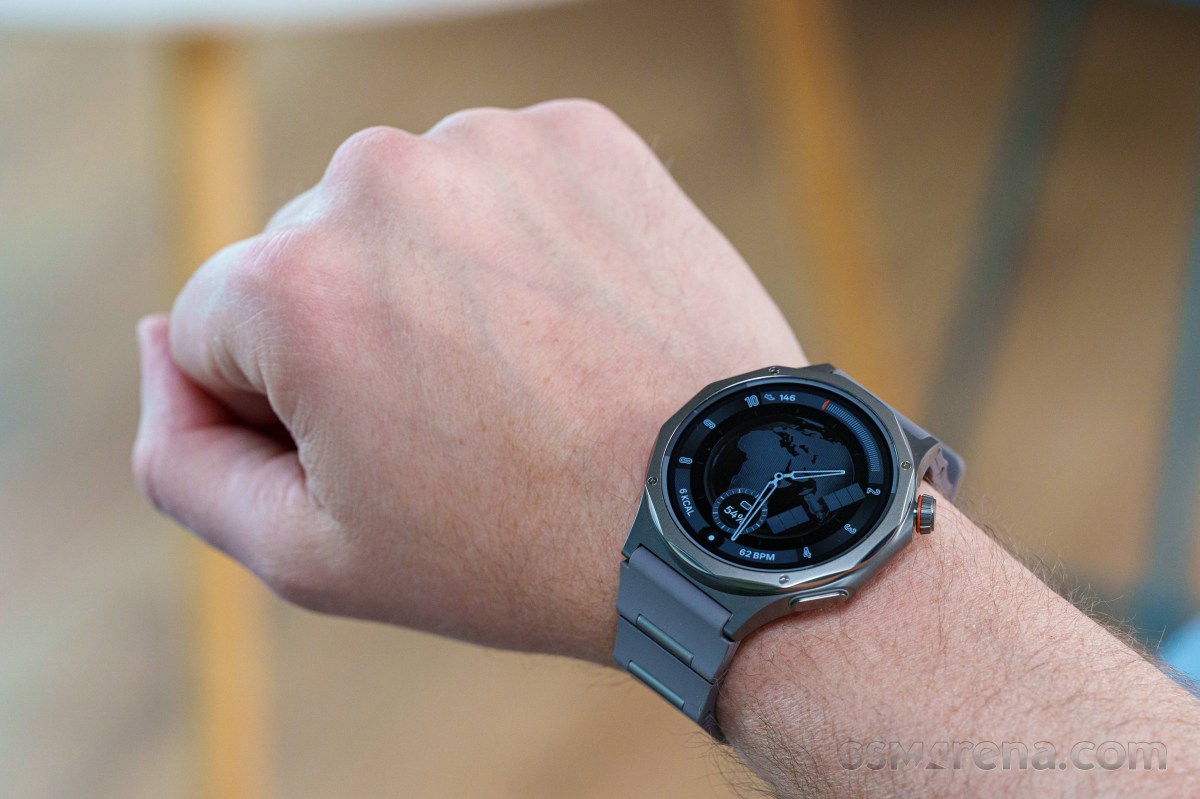
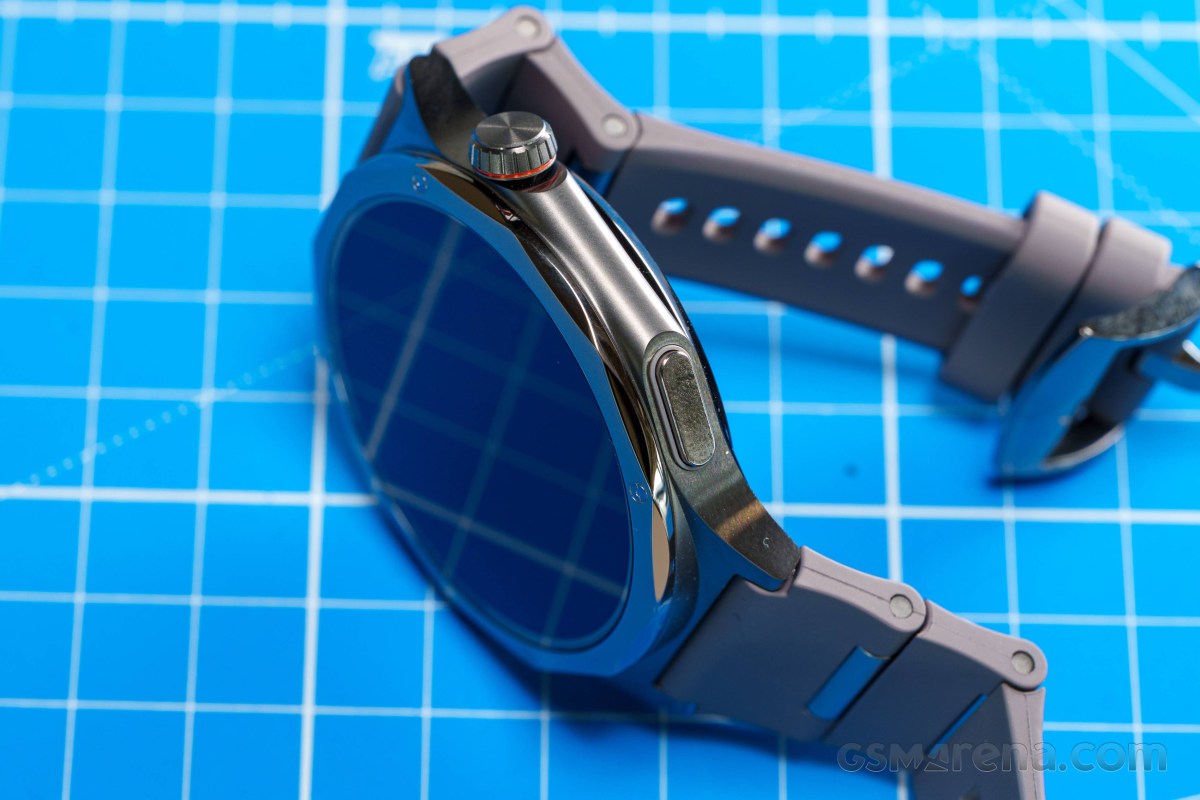
At its core, the Oppo Watch X3 is a masterclass in material engineering. Oppo has opted for a titanium alloy chassis, a deliberate choice that balances structural integrity with a remarkably low weight of just 43g (excluding the strap). With a slim profile of 11mm, it manages to feel unobtrusive on the wrist while maintaining a presence that feels undeniably high-end.
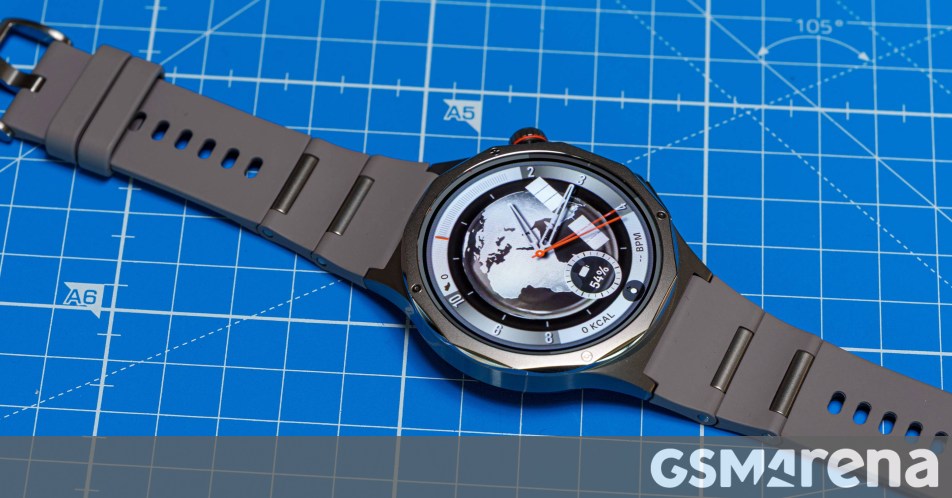
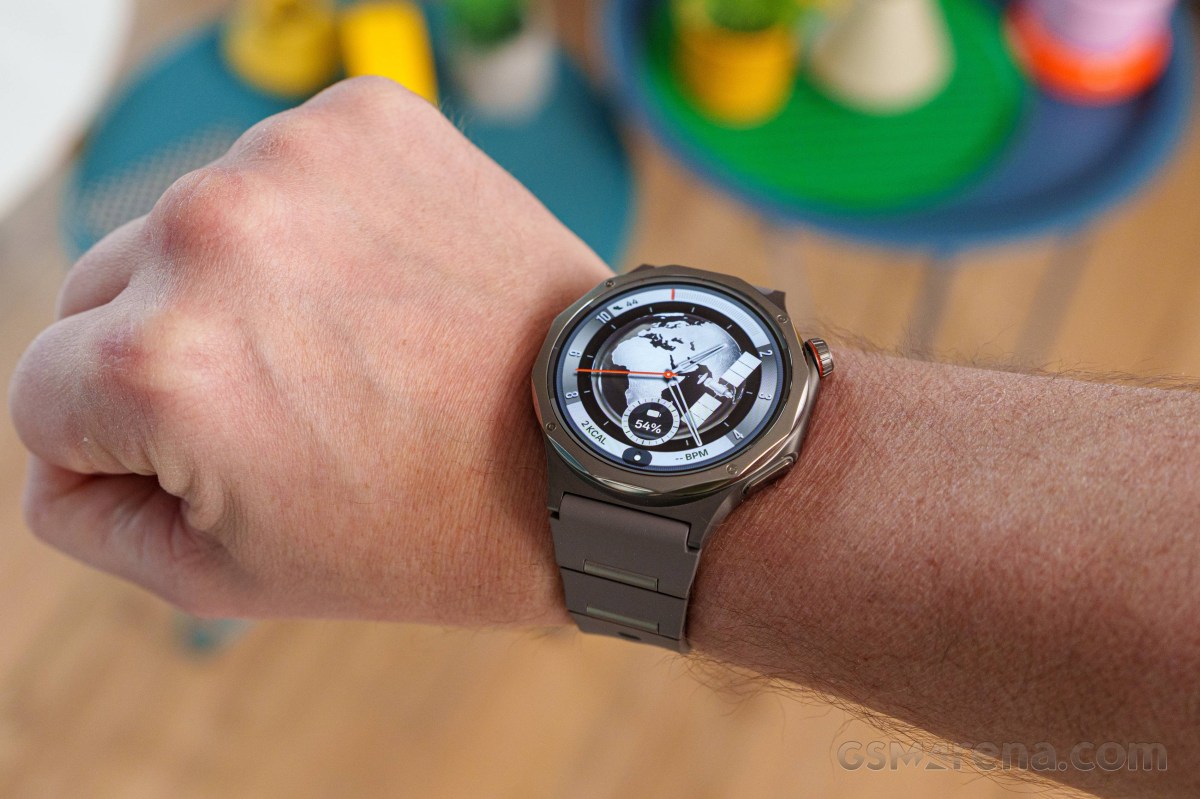
The design is split into two distinct visual identities: the minimalist "Obsidian Black" and the more intricate "Misty Titanium." The latter is particularly notable for its 12-faceted bezel, which subtly nods to the indices of a traditional mechanical timepiece. Beyond aesthetics, the watch features sapphire crystal glass, providing exceptional scratch resistance. While Oppo advises caution regarding high-impact drops onto unforgiving surfaces like concrete, the device has proven its mettle through 16 MIL-STD-810H durability tests, confirming its resistance to thermal shock, salt spray, and extreme environments.
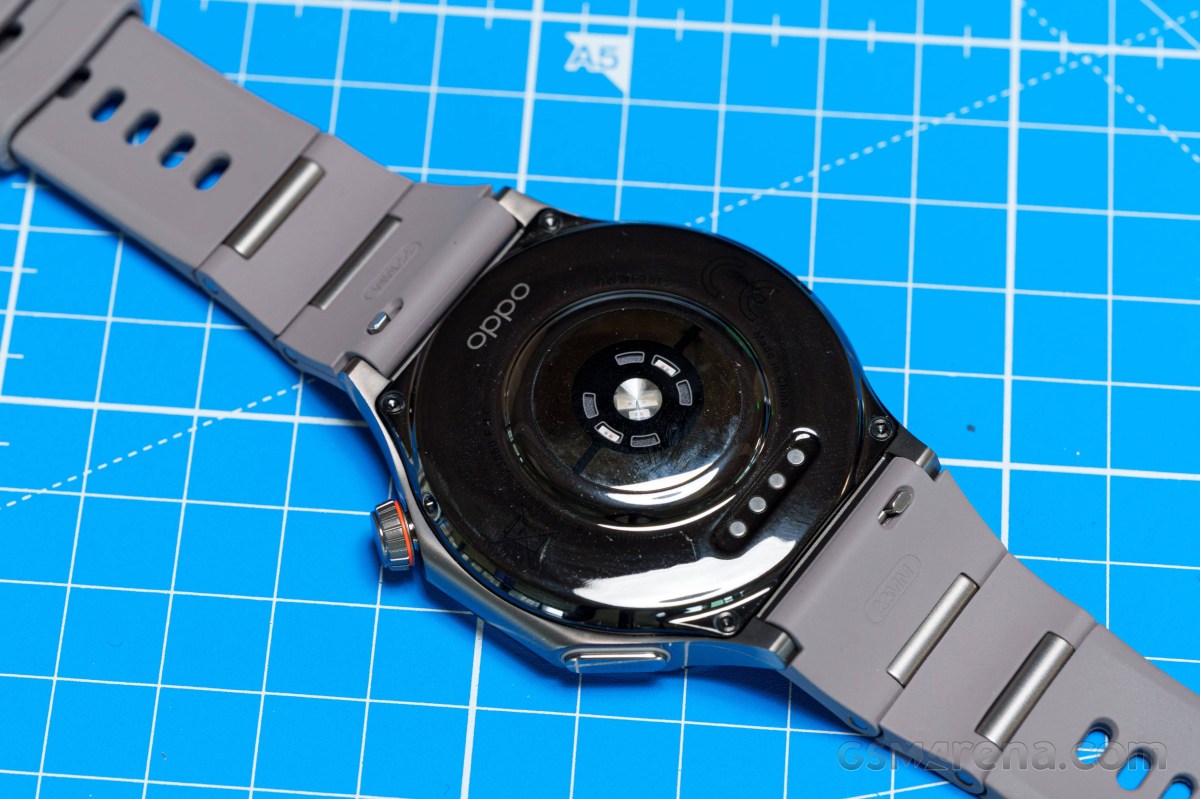
One slight point of contention remains the underside of the watch, which is crafted from glass-fiber-reinforced plastic. While this choice likely aids in weight reduction and wireless signal transmission, it lacks the tactile luxury of the titanium frame. However, this is largely mitigated by its impressive environmental sealing—IP68/IP69 and 5ATM ratings—ensuring it is as comfortable in the deep end of a pool as it is in a boardroom.
Chronology: From Concept to Daily Companion
The journey of the Watch X3 reflects a broader shift in Oppo’s hardware strategy. Following the release of the Watch X2, the brand clearly identified that its user base desired more granular control over battery consumption. The development of the X3 focused on a "hybrid intelligence" approach.
- The Architecture Shift: By integrating the Snapdragon W5 Gen 1—the industry standard for performance-oriented Wear OS devices—alongside the ultra-low-power BES2800BP co-processor, Oppo created a "two-brain" system.
- The Testing Phase: Over a month of rigorous daily testing, the watch demonstrated a consistent ability to manage power intelligently. The device enters a sophisticated "hibernation" mode during sleep hours, offloading background tasks to the low-power chip, which effectively minimizes idle drain.
- Market Arrival: Launching as a technical sibling to the OnePlus Watch 4, the X3 distinguishes itself through its bespoke finishings and the inclusion of the Dynamic-Link strap—a high-tech, ergonomically contoured Fluoroelastomer (FKM) band that elevates the watch’s overall wrist presence.
Supporting Data: Performance and Battery Metrics
The performance of the Watch X3 is defined by its 1.5-inch LTPO OLED display. With a resolution of 466×466 pixels (310 PPI), the screen is remarkably sharp. More impressive, however, is the brightness management. The display boasts a typical maximum brightness of 600 nits, which can jump to 1,500 nits in direct sunlight. For those engaged in high-intensity sports, a "Sunlight Mode" pushes the peak brightness to a staggering 3,000 nits, ensuring legibility is never a concern, even in the harshest outdoor conditions.
Battery Life Benchmarks
The real-world performance of the 646mAh Si/C battery is where the Watch X3 justifies its price tag:
- Smart Mode (Heavy Use, AOD On): 4 full days of consistent operation.
- Smart Mode (AOD Off): 5.5 days of endurance.
- Power Saver Mode: An incredible 15 days, achieved by leaning entirely on the BES2800BP chip.
Charging is handled via a proprietary magnetic 10W pogo-pin puck. While some may lament the lack of universal Qi wireless charging, the speed and efficiency of the magnetic connection—especially when paired with an Oppo SuperVOOC power brick—ensure that the watch spends very little time tethered to a wall.
Software Ecosystem and Google Integration
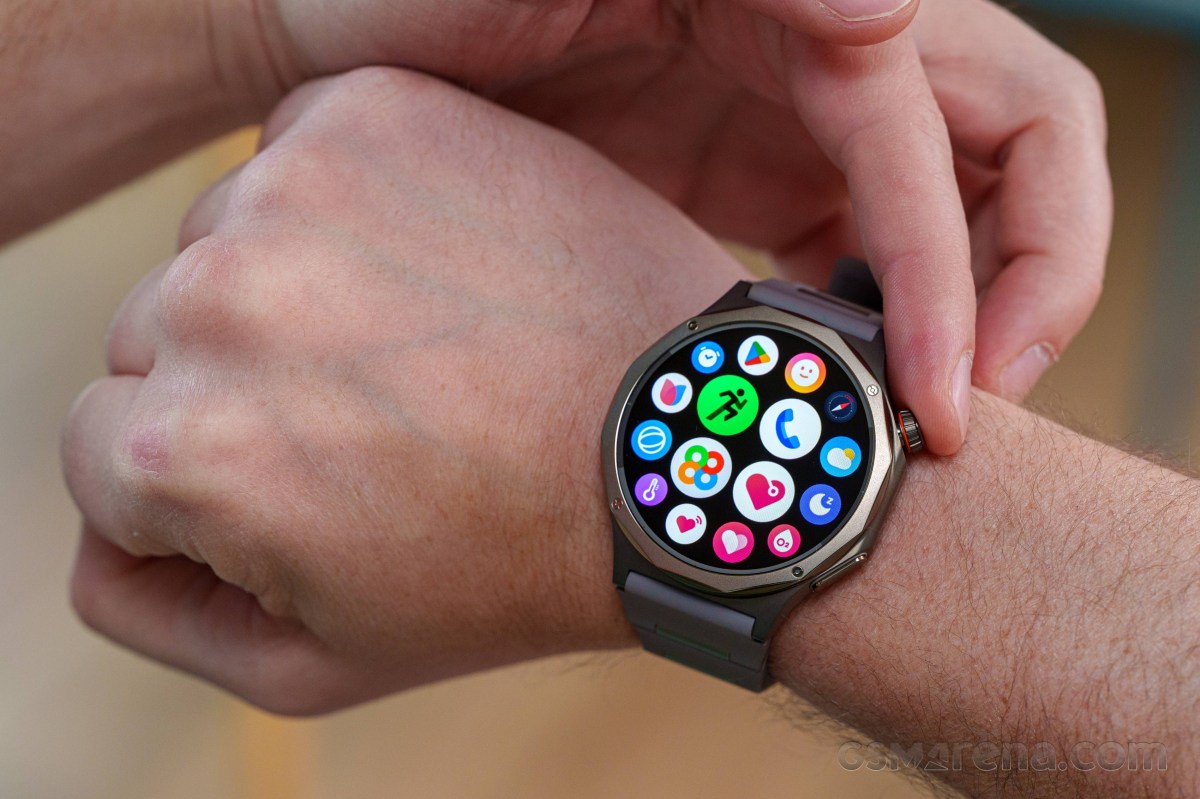
Running Wear OS 6, the Watch X3 offers an unfiltered entry into the Google ecosystem. Users gain access to seamless Google Wallet NFC payments, Google Maps for precise pedestrian navigation, and the generative capabilities of Google Gemini.
The integration of Gemini is a standout feature. While voice-to-text on a watch can often be cumbersome, the ability to pin custom Gemini actions as a home-screen tile allows users to trigger specific queries or tasks with a single tap. For those embedded in the Oppo ecosystem, users of smartphones running ColorOS 15 enjoy exclusive perks, including remote camera triggers and native playback controls for short-form video platforms like TikTok and YouTube.
However, the software experience is not without its limitations. The OHealth companion app, while functional, feels slightly sparse compared to the deep, data-rich suites offered by Samsung or Garmin. Advanced sleep diagnostics, such as snoring detection or detailed HRV analysis, are absent, which may deter the "data-obsessed" fitness enthusiast. Furthermore, the limited library of dedicated smart-home apps on Wear OS remains a point of friction, though the Google Home dashboard manages to bridge the gap for most basic controls.
Health and Activity Tracking: The Tri-Sense System
The "Tri-Sense" sensor array is the heartbeat of the X3’s health capabilities. Utilizing an 8-channel optical heart rate sensor and a 16-channel SpO2 sensor, the watch provides granular data for over 100 sports modes.
The "60s Wellness Overview" is a highlight for those who want a quick snapshot of their physiological status, combining ECG readings with heart rate and blood oxygen levels into a single, actionable report. For athletes, the device provides advanced metrics:
- Running: Ground contact time, vertical oscillation, and left/right balance.
- Racquet Sports: Swing speed and total stroke counts.
- Mind and Body: A stress-management feature that tracks HRV and emotional intensity, providing timely prompts for breathing exercises during peak stress periods.
Implications: The Verdict and Competitive Landscape
The Oppo Watch X3 arrives in a crowded market. Its primary hurdle is its own internal twin, the OnePlus Watch 4. Because both devices share the same Snapdragon/BES architecture, the "better" choice depends entirely on the consumer’s aesthetic preference. If the titanium bevels and the premium feel of the Dynamic-Link strap resonate with you, the X3 offers a compelling value proposition. However, for the budget-conscious, the OnePlus model offers near-identical performance for a lower price.
When compared to the broader market:
- Samsung Galaxy Watch Ultra 2: Offers a more polished software experience and superior health-tracking insights but carries a price tag nearly double that of the X3.
- Xiaomi Watch 5: A fierce competitor that matches the X3’s battery endurance and offers unique gesture controls. While the Xiaomi features a full-sapphire design (including the underside), it is heavier due to its stainless steel construction.
Final Thoughts
The Oppo Watch X3 is a triumph for the Wear OS platform. It effectively silences the critics who claimed that a "true" smartwatch could never achieve multi-day battery life. By prioritizing hardware efficiency and refined design, Oppo has delivered a device that feels like a genuine luxury timepiece while acting as a powerful digital assistant. If you are an Android user looking for a reliable, durable, and sophisticated watch that doesn’t require a nightly charging ritual, the Watch X3 is arguably one of the most balanced options available today.
Pros:
- Exceptional battery life that exceeds most Wear OS competitors.
- Premium titanium alloy construction with a scratch-resistant sapphire display.
- Dual-chip architecture provides a seamless balance between performance and efficiency.
- Versatile "Power Saver" mode for extended trips.
Cons:
- OHealth app lacks the depth of more established fitness ecosystems.
- Underside material (glass-fiber-reinforced plastic) feels slightly less premium than the top chassis.
- Lack of official first-party strap alternatives.
- Wear OS is restricted to Android, leaving iPhone users without an entry point.