The Kawasaki Ninja 500: A Refined Powerhouse in an Evolving Middleweight Market
By Lakshya Rana
Updated: June 17, 2026
The middleweight motorcycle segment has long been the battleground for manufacturers seeking the "Goldilocks" zone of performance—bikes that are powerful enough to thrill experienced riders but accessible enough for those stepping up from entry-level machines. In this highly competitive arena, the Kawasaki Ninja 500 remains a cornerstone of the Japanese marque’s lineup. However, as of June 2026, the machine finds itself at a crossroads, balancing technical prowess against an increasingly complex pricing narrative.
Main Facts: The Heart of the Ninja
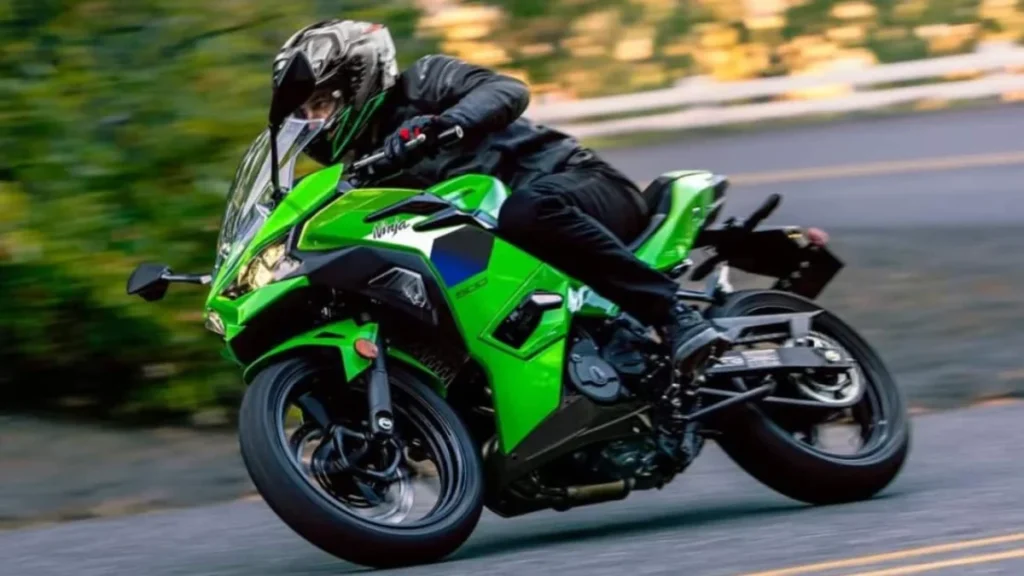
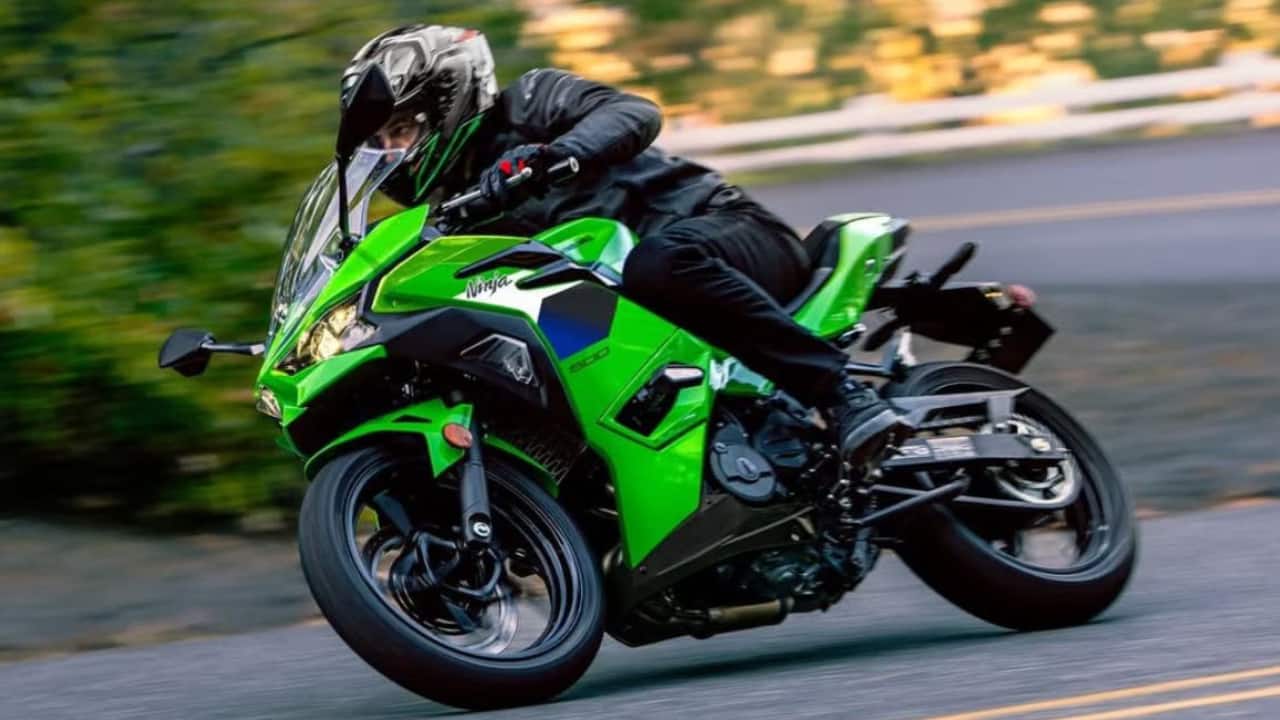
At the core of the 2026 Kawasaki Ninja 500 lies a refined 451cc parallel-twin, liquid-cooled engine. This powerplant is designed to deliver a punchy, reliable performance profile that prioritizes mid-range torque—essential for both urban commuting and spirited canyon carving.
The engine produces 45 horsepower at 10,000 rpm, a figure that places it comfortably within the A2 license compliance requirements in many global markets, making it a gateway to the high-performance world of Kawasaki. Complementing this output is a peak torque of 42.6 Nm, which arrives at 7,500 rpm. This torque curve is intentionally broad, ensuring that riders do not need to constantly dance on the gear shifter to keep the bike in its power band.
The architecture of the engine—a liquid-cooled parallel-twin—remains one of the most balanced configurations in the industry. It provides the vibration-damping benefits of modern counter-balancers while maintaining the slim, aerodynamic profile that the "Ninja" brand name is globally famous for.
Chronology: The Evolution of a Legend
The lineage of the Ninja 500 is one of iterative perfection. To understand its current standing, one must look at the progression of Kawasaki’s middleweight strategy:
- The Predecessors: For decades, the Ninja 500 (and its previous iterations, such as the EX500) defined the "budget sportbike" category. It was the quintessential learner bike, known for being virtually indestructible.
- The Transition: In recent years, Kawasaki shifted its focus toward the 400cc class, which dominated sales charts. However, the market demand for more displacement, better highway stability, and increased torque led to the development of the current 451cc platform.
- Late 2025 – Early 2026: As supply chain fluctuations and inflationary pressures hit the automotive industry, Kawasaki began adjusting its pricing structure for the global market.
- June 2026: The latest price revision has sparked significant discourse among enthusiasts. While the mechanical hardware remains largely unchanged, the market positioning of the bike has shifted, raising questions about value-for-money in an era where competitors are offering increasingly high-tech features at similar price points.
Supporting Data: Technical Specifications and Market Context
To truly appreciate what the Ninja 500 offers, one must compare it against the broader market trends of 2026.
| Feature | Specification |
|---|---|
| Engine Type | Liquid-cooled, 4-stroke, Parallel-Twin |
| Displacement | 451cc |
| Max Power | 45 hp @ 10,000 rpm |
| Max Torque | 42.6 Nm @ 7,500 rpm |
| Transmission | 6-speed, Return Shift |
| Clutch | Assist & Slipper Clutch |
The inclusion of the Assist & Slipper clutch is a significant selling point. It reduces lever effort at the handlebar, easing the fatigue of stop-and-go city traffic, while preventing rear-wheel hop during aggressive downshifts—a feature once reserved for track-only superbikes.
However, when comparing this to the growing trend of "feature-rich" entry-level bikes—which now often include cornering ABS, traction control, and Bluetooth-enabled TFT displays—the Ninja 500’s minimalist approach becomes a focal point of debate. Its strength lies in its raw, mechanical purity, yet its pricing suggests a premium that some buyers feel is no longer fully justified by the spec sheet alone.
Official Responses and Corporate Strategy
Kawasaki’s official stance, as communicated through regional representatives, has consistently emphasized "rider engagement over digital distraction." The company maintains that the Ninja 500 is engineered for those who prioritize the tactile feel of a motorcycle—the connection between the wrist and the rear wheel—rather than the complexity of electronic aids.
Regarding the recent price adjustments, the manufacturer points to the rising costs of raw materials, particularly the high-grade steel and aluminum alloys used in the chassis and engine casing. Kawasaki has argued that the "Ninja" premium is a guarantee of build quality, long-term reliability, and high resale value. While the company has not explicitly addressed the criticism regarding its price-to-feature ratio, their strategy appears to be one of confidence: they believe that the refined 451cc engine provides a level of durability that cheaper, feature-heavy competitors cannot match over the long term.
Implications: Is the Ninja 500 Still Worth the Investment?
The implications of the current pricing model are twofold.
1. The "Brand Tax" Dilemma
For the loyalist, the Ninja 500 is a proven quantity. It is the evolution of a platform that has been refined over decades. The implication for the consumer is that they are paying for "peace of mind." The parts network, the community knowledge, and the established aftermarket support make the Ninja a safe bet. However, for the first-time buyer looking at the specs on paper, the bike may look less "advanced" than a similarly priced competitor.
2. The Shift in Market Expectations
The motorcycle market in 2026 is vastly different from even five years ago. Riders are no longer just looking for a bike that starts every time; they are looking for a tech-integrated experience. Kawasaki’s hesitation to fully lean into high-end electronics on the 500 series indicates a deliberate brand choice: the Ninja is a "rider’s bike." The implication here is that Kawasaki is willing to lose a segment of the "tech-obsessed" market to maintain the purity of the Ninja experience.
3. The Secondary Market Outlook
Because the Ninja 500 is a staple for beginners, it has always held its value well. The recent price hikes, while frustrating for new buyers, may actually stabilize the resale value of existing models. As new units become more expensive, the gap between a new and a pre-owned machine widens, potentially making well-maintained older Ninjas more attractive than ever.
Conclusion
The Kawasaki Ninja 500 remains a formidable machine. Its 451cc engine is a masterclass in linear power delivery and daily usability. While the recent price hikes have undoubtedly alienated some prospective buyers, the core of the bike remains untarnished. It is not trying to be a spaceship; it is trying to be the most balanced, reliable, and engaging motorcycle in its class.
As the industry moves toward electrification and hyper-connectivity, the Ninja 500 serves as a reminder of why we ride: for the sensation of the engine, the precision of the handling, and the simple joy of the open road. Whether the market will continue to accept the premium price tag for this "pure" experience remains the definitive question for Kawasaki in the coming fiscal year. For now, the Ninja 500 stands tall—expensive, yes, but undeniably capable.
Disclaimer: This report is based on current market data and manufacturer specifications as of June 2026. Prices and availability are subject to change based on regional dealership policies and economic factors.