The Monetization of Authority: Navigating the Complex World of Big Media Product Reviews
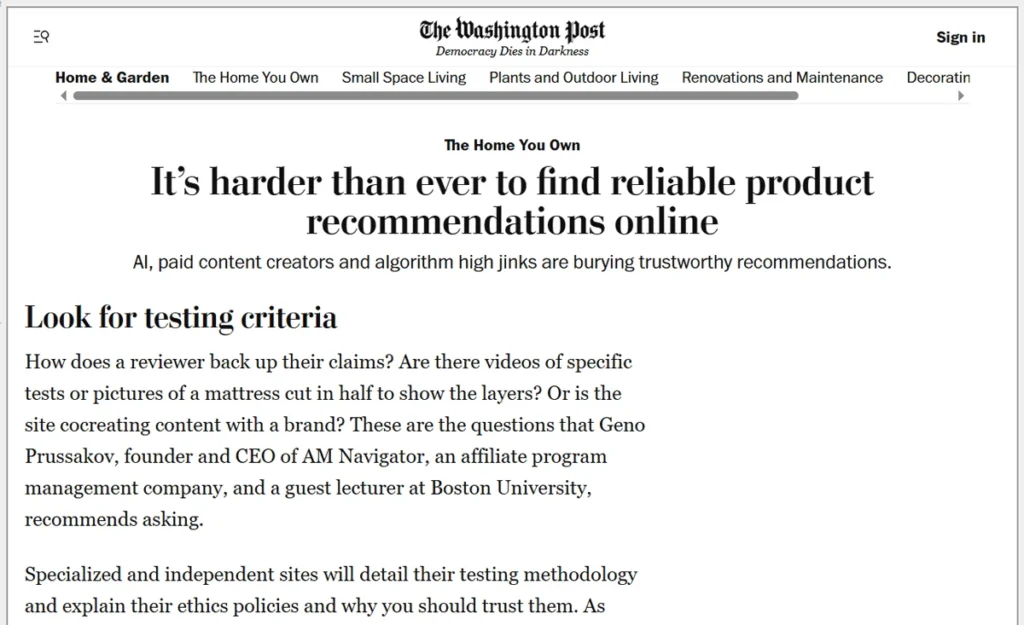
In an era where digital content is synonymous with commerce, the line between editorial integrity and affiliate revenue has become increasingly porous. Earlier this year, The Washington Post invited me to weigh in on a burgeoning industry trend: the transformation of legacy media houses into influential shopping curators. While my initial contribution to their coverage provided a concise perspective, the complexity of this ecosystem demands a deeper, more granular exploration.
As digital publishers look to diversify revenue streams amidst the decline of traditional advertising models, many have pivoted toward "affiliate commerce." This shift forces consumers to confront a difficult reality: How much of the advice we consume is rooted in genuine expertise, and how much is merely a product of a sophisticated financial arrangement?
The Evolution of Media Authority into Monetization
For decades, the "trusted voice" of major media outlets was earned through investigative journalism, rigorous reporting, and editorial independence. However, the digital age has commodified this trust. Today, major publications—ranging from national newspapers to niche lifestyle magazines—leverage their high domain authority (DA) to dominate search engine results pages (SERPs).
When a household name publishes a "Best of 2025" product roundup, they are not just providing a service to their readers; they are capturing high-intent search traffic. By ranking for keywords like "best vacuum cleaner" or "top-rated laptops," these media outlets monetize their search engine rankings through affiliate links. When a user clicks and makes a purchase, the publisher earns a commission. This business model has proven so lucrative that entire editorial departments have been restructured to prioritize "commerce content."
The Mechanics of Trust: How Big Media Curates Content
Having managed affiliate programs for years at AM Navigator, I have observed this evolution from the inside. It is a misconception to assume that all "sponsored" or "affiliate-driven" content is inherently biased or low-quality. In fact, many top-tier publishers treat their affiliate operations with the same, if not more, rigor than their newsrooms.
From my professional experience, there are four pillars that distinguish responsible media curation from mere "link farming":
- Independent Testing Labs: Many reputable organizations now operate dedicated testing facilities. Rather than relying on manufacturer-provided specs, they subject products to real-world stress tests.
- Editorial Firewalls: Sophisticated publishers maintain a strict separation between the commerce team (which manages affiliate relationships) and the editorial team (which performs the reviews). This ensures that the writer’s opinion is not explicitly bought by the advertiser.
- Data-Driven Methodology: The shift toward quantitative analysis—measuring battery life, sound decibels, or material durability—provides an objective layer that minimizes the subjective bias of a single reviewer.
- Transparency Disclosures: While legally required, the best outlets go beyond the minimum, explicitly stating their relationship with brands and explaining the methodology used to rank the products.
The Hidden Influence: When Money Tilts the Scales
Despite these safeguards, the system is not infallible. The "commercialization of authority" carries inherent risks. At times, the ranking of a product—or its inclusion in a list at all—is directly influenced by financial arrangements. This can manifest in several subtle ways:
- Placement Fees: A brand may pay a flat fee to be included in a "Best of" list, regardless of its comparative performance against competitors.
- Inflated Commission Rates: When a merchant offers a significantly higher commission rate to a publisher, that publisher’s incentive to prioritize the product in their rankings increases, creating a conflict of interest.
- EPC (Earnings Per Click) Guarantees: Some arrangements guarantee a publisher a certain payout per click, which may incentivize the publisher to promote products with higher conversion rates rather than higher quality.
- The "Affiliate-Only" Filter: Some media outlets exclusively review products that have an affiliate program. If a superior, independent, or small-batch product does not offer a commission, it may be excluded from the conversation entirely, effectively hiding the best options from the consumer.
Navigating the Maze: A Consumer’s Guide to Informed Buying
Given these complexities, how can the modern consumer cut through the noise? Relying blindly on a "Top 10" list is no longer a sound strategy. To make truly informed decisions, readers must adopt a more skeptical, analytical approach to their shopping journey.

1. Cross-Reference Against Multiple Sources
Never rely on a single publication. If a product is ranked #1 on a major site, check if it holds the same position on independent, specialized enthusiast forums or niche review sites. If the product appears in every single list, it might be a sign of high commission payouts rather than superior performance.
2. Look for "How" Not Just "What"
A superficial review lists features. A high-quality review explains the methodology. Look for content that describes the testing process, includes original photography or video of the product in use, and acknowledges flaws or "cons" alongside the pros. If a review only lists positive attributes, treat it with extreme caution.
3. Check for Affiliate Disclosures
Transparency is the hallmark of integrity. Reputable sites will always include a disclosure statement near the top of the article. If you cannot find a clear explanation of how the site makes money or how they select their products, assume the content is primarily designed to drive revenue rather than inform.
4. Consult User-Generated Content (with caution)
While aggregate review sites (like Amazon or Trustpilot) are prone to fake reviews, they can offer a "pulse" of the product’s performance in the wild. Look for patterns in complaints. If 50% of users complain about a specific hardware failure that the "Best of" article ignored, prioritize the user experience over the media endorsement.
The Future of Editorial Integrity
As we look toward the future of digital media, the sustainability of the affiliate model depends entirely on trust. If readers feel betrayed by "pay-to-play" lists, the authority of these publications will erode, leading to a decline in traffic and, ultimately, revenue.
We are likely to see a "correction" in the market. Search engines like Google are increasingly penalizing content that is purely designed for affiliate clicks without adding genuine value. This is a positive development. It forces media companies to compete on the quality of their insights rather than the volume of their affiliate links.
For the consumer, the takeaway is simple: You are the final arbiter of truth. The internet has provided us with more information than at any point in human history, but it has also created a sophisticated infrastructure of influence. By understanding the business models behind the articles you read, you can strip away the commercial bias and focus on what really matters: finding the right product for your needs.
What is your experience?
Have you ever felt misled by a major media recommendation, or have you found a specific publication that consistently earns your trust? I am interested to hear your perspective on the shifting landscape of product reviews. The comments section is open, and I look forward to engaging with your thoughts and experiences.