The Next Evolution of Foldables: A Comprehensive Analysis of Samsung’s Galaxy Unpacked 2026
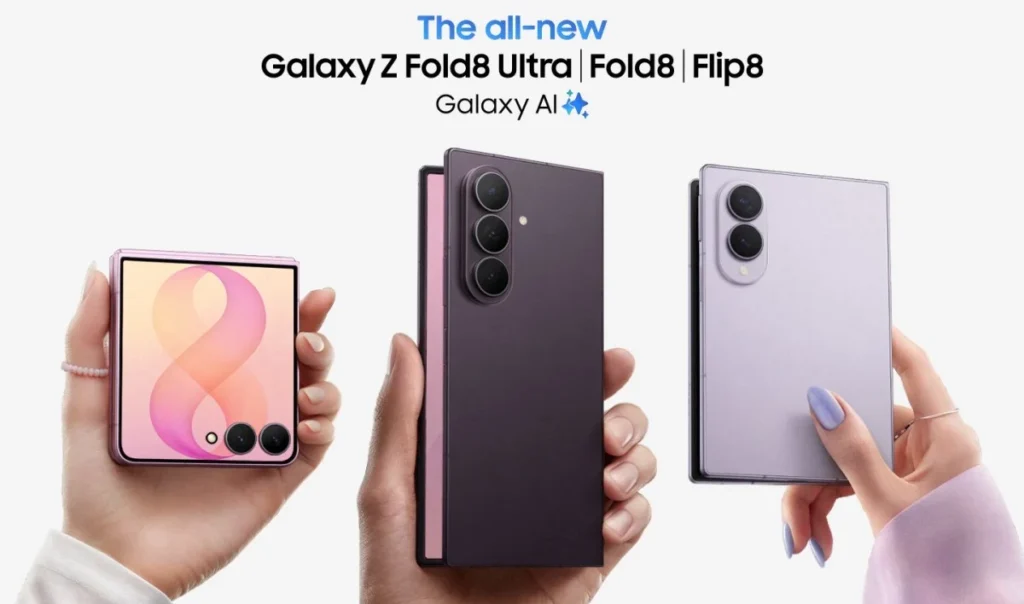
Samsung has officially reshaped its foldable hierarchy. At its latest Galaxy Unpacked event, the tech giant debuted a revised strategy that moves beyond iterative updates, introducing a new form factor and a top-tier "Ultra" designation. As the market for foldable devices matures, Samsung’s latest maneuvers suggest a pivot toward catering to power users who demand more than just a novelty folding screen.
Main Facts: A New Hierarchy for the Galaxy Z Series
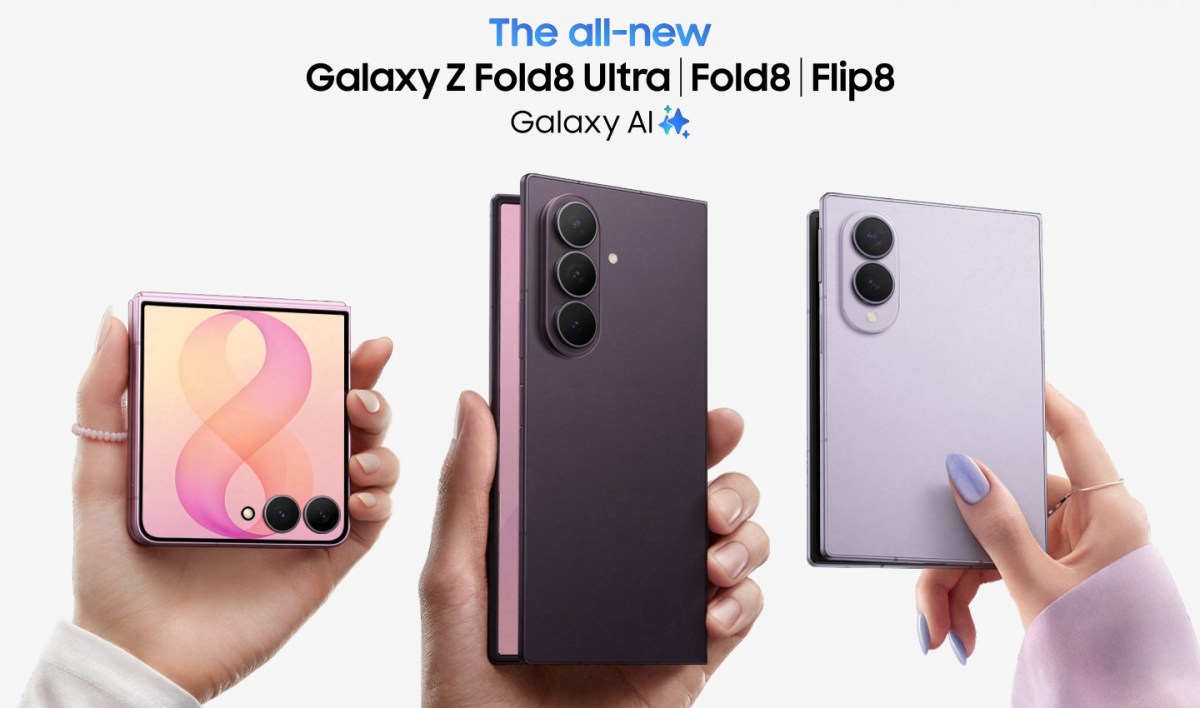
The headline of this launch is undoubtedly the introduction of the Galaxy Z Fold8, a device that defies traditional naming conventions. Despite its numerical identifier, the Z Fold8 is not a direct successor to the previous generation; rather, it introduces an entirely new design language for Samsung. Featuring a 16:10 cover display paired with a 4:3 inner screen, this model addresses long-standing user complaints regarding the narrow, cramped aspect ratios of previous Fold iterations.
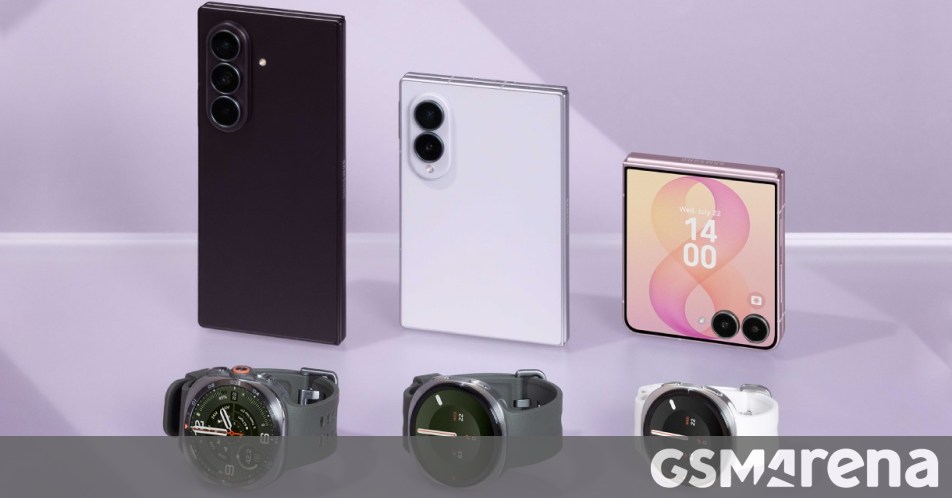
Simultaneously, Samsung has solidified the true successor to the Z Fold7: the Galaxy Z Fold8 Ultra. This model represents the pinnacle of Samsung’s current engineering, leveraging advancements in Silicon-Carbon battery technology to pack a massive 5,000mAh capacity—a significant 600mAh increase over its predecessor.
Rounding out the lineup is the Galaxy Z Flip8, which arrives with a focus on refined portability, boasting a slimmer and lighter chassis. Notably absent from the stage was any "Flip FE" (Fan Edition) model, signaling a potential consolidation of the mid-range foldable market. All new devices in the series have seen a notable price increase, reflecting both the premium nature of the hardware and the rising costs of advanced manufacturing.
Chronology of the Unpacked Event
The event, held yesterday, was a fast-paced showcase of Samsung’s ecosystem expansion. The timeline of the announcements proceeded as follows:
- The Foldables Reveal: The presentation opened with the dual-debut of the Z Fold8 and Z Fold8 Ultra, clarifying the confusion between the two models early on.
- The Flip Refresh: The Z Flip8 was introduced as the refined, lifestyle-oriented alternative, focusing on design updates and weight reduction.
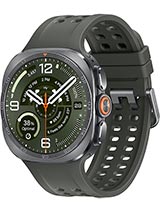
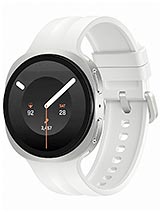
- Wearable Integration: The focus shifted to the wrist, with the launch of the Galaxy Watch Ultra2 and the standard Galaxy Watch9, both designed to integrate seamlessly with the new foldable interface.
- Future-Gazing: The event concluded with a surprise "first look" at Samsung’s upcoming AI-powered smart glasses, developed in collaboration with Gentle Monster and Warby Parker. While these remain in the R&D stage, they provided a glimpse into Samsung’s long-term vision for spatial computing.
Supporting Data: Specifications and Market Positioning
To understand the market positioning of these devices, one must look at how they compare not only to their predecessors but to their primary competition.
The Z Fold Series
The Galaxy Z Fold8 starts at $1,900, positioning it as a premium wide-aspect device. Its 16:10 cover display is a strategic move to compete with devices from brands like Google and various Chinese manufacturers that have long championed wider, more usable cover screens.
The Galaxy Z Fold8 Ultra, starting at $2,100, is the "crown jewel." Beyond the 5,000mAh battery, it features a more robust hinge mechanism and refined display materials. Comparisons are already being drawn against the Pixel 10 Pro Fold, the Honor Magic V6, and the vivo X Fold6. By positioning the Ultra as a direct competitor to the "best of the best," Samsung is explicitly targeting the enterprise and enthusiast sectors.
The Z Flip Series
The Galaxy Z Flip8 enters the market at $1,200. While it is more expensive than its predecessor, it brings a refined build quality that makes it arguably the most polished flip-style foldable on the market. Its primary competition remains the Motorola Razr 70 Ultra.
The Wearables
The Galaxy Watch Ultra2 ($700) and Galaxy Watch9 ($380) continue to dominate the Android wearable space. The Watch Ultra2, in particular, aims to challenge the Apple Watch Ultra 3, focusing on battery efficiency and ruggedized aesthetics for outdoor enthusiasts.
Official Responses and Strategic Rationale
In press briefings following the event, Samsung representatives emphasized that the "Ultra" moniker is not merely a marketing gimmick but a response to consumer demand for high-performance foldables. "We heard our users," one spokesperson stated. "They wanted more battery, a better aspect ratio, and a device that didn’t feel like a compromise."
Regarding the price hikes, Samsung pointed to the integration of next-generation silicon-carbon battery cells and the high cost of the new, more durable hinge components. The company maintains that the value proposition of the Z Fold8 series lies in its longevity and the productivity software suite that is exclusive to the Fold ecosystem.
Regarding the AI glasses, the company was measured, describing them as "an exploration of the next interface beyond the smartphone." While no market release date was provided, the disclosure suggests that Samsung is actively working to avoid the "first-mover disadvantage" seen by other companies in the smart eyewear sector.
Implications for the Mobile Market
The launch of the Z Fold8 series has significant implications for the industry at large:
1. The Death of the "Narrow Foldable"
Samsung’s move to a 16:10 aspect ratio on the base Z Fold8 is a tacit admission that the industry-standard "tall and narrow" design has reached its limit. Consumers clearly prefer a cover screen that mimics a traditional smartphone, and Samsung’s adoption of this trend is likely to influence other manufacturers to follow suit, effectively ending the era of the overly narrow, awkward-to-type-on external displays.
2. The Ultrafication of Premium Tech
Samsung is following the trend set by the Galaxy S-series, where the "Ultra" label denotes the absolute maximum technical capability. By bringing this to the foldable category, Samsung is signaling that foldables are no longer "experimental" tech—they are the flagship products. This creates a clear barrier to entry for smaller manufacturers who may struggle to compete with the sheer scale of Samsung’s supply chain and engineering R&D.

3. The Pricing Threshold
With the base Z Fold8 pushing near the $2,000 mark and the Ultra exceeding it, the foldable market is becoming increasingly exclusive. This could open a vacuum in the $1,000–$1,500 range, potentially allowing mid-range players or older-generation models to capture the budget-conscious enthusiast demographic.
4. Ecosystem Lock-in
The tight integration between the new Foldables and the Watch Ultra2/Watch9 suggests that Samsung is focusing heavily on ecosystem stickiness. The software features—specifically the AI-driven enhancements available on the new Z Fold8 series—are designed to make the jump from a standard smartphone to a Samsung foldable a "lifestyle upgrade" rather than just a hardware switch.

Looking Ahead: The Pre-order Window
The pre-order period for the Galaxy Z Fold8 series, the Z Flip8, and the new watches runs until August 7. For those currently weighing their options, the choice between the standard Z Fold8 and the Ultra will likely come down to battery life requirements and a preference for the specific dimensions of the device.
As the industry continues to move toward more complex and capable folding hardware, Samsung’s latest lineup provides a clear, albeit expensive, path forward. Whether or not the market is willing to absorb these price increases for the sake of these refinements remains the biggest question of the year. For now, the Galaxy Z Fold8 Ultra stands as the new benchmark against which all other foldables will be measured.