Urgent Diplomatic and Medical Efforts Underway Following Tragic Vietnam Boat Disaster
By Editorial Staff
Updated: July 13, 2026
The Indian government, in close coordination with the state of Andhra Pradesh, has launched a high-priority mission to provide relief, medical stabilization, and repatriation services following a devastating tourist boat accident in Vietnam. The tragedy, which has claimed the lives of 15 Indian nationals, including three individuals from Andhra Pradesh, has prompted an unprecedented level of inter-governmental cooperation to support the grieving families and manage the critical medical care of the sole survivor.
As of Sunday, July 12, 2026, the focus of the Ministry of External Affairs and state authorities remains two-fold: the swift, dignified return of the deceased to their home cities and the stabilization of Gelli Kishore, a survivor currently fighting for his life in a Vietnamese medical facility.
The Tragedy: An Overview of the Incident
The maritime accident, which occurred earlier this week, has sent shockwaves through the expatriate and travel communities. While investigations into the exact cause—ranging from potential mechanical failure to human error—are still in their infancy, the human toll has been catastrophic.
Among the 15 Indian victims identified, three have been confirmed as residents of Andhra Pradesh. They have been identified as Nallapeta Adiseshaiah Ravi Teja, Gelli Jaya Lakshmi, and Mudium Sreedhar. Their deaths have left their respective communities in a state of profound mourning, with families in Bengaluru, Vijayawada, and Chennai waiting for the final return of their loved ones.

Chronology of the Emergency Response
The Immediate Aftermath
Upon receiving reports of the incident, the Indian Embassy in Hanoi initiated a crisis management protocol. Diplomats were dispatched to the site of the disaster to verify the identities of the victims and secure the safety of the survivors.
July 11–12: The Escalation of Medical Needs
The condition of Gelli Kishore, the lone survivor from the group, deteriorated rapidly. Initially hospitalized at the Phu Quoc Government Hospital, he suffered severe complications during a planned transfer. Medical records indicate that an MRI scan revealed a blood clot in the brain, which subsequently triggered a mild cardiac episode. This forced medical teams to suspend his evacuation to Ho Chi Minh City, placing him under intensive care with advanced life support.
July 12–13: Administrative Mobilization
Union Civil Aviation Minister K. Rammohan Naidu personally intervened to streamline the bureaucratic hurdles associated with international human remains transportation. By utilizing the central e-Care portal, officials successfully processed the necessary documentation to ensure the bodies of the victims would be repatriated to their respective home destinations: Bengaluru, Vijayawada, and Chennai.
Official Responses and Diplomatic Coordination
The scale of the disaster has necessitated a coordinated effort between the Union government, the Andhra Pradesh state government, and Vietnamese authorities.
Central Government Intervention
Union Minister K. Rammohan Naidu issued a public statement on July 12, expressing his condolences and confirming that his office is monitoring the situation hourly. "My office has been closely monitoring the situation to ensure the speedy repatriation of mortal remains and swift medical care for those undergoing treatment," Naidu stated via social media. His intervention has been cited by officials at A.P. Bhavan in New Delhi as the primary catalyst for cutting through the complex diplomatic red tape required for international repatriation.

State-Level Support
Andhra Pradesh Excise Minister Kollu Ravindra has been the primary point of contact for the affected families. Minister Ravindra has maintained a direct line of communication with the victim’s families and the medical staff on the ground in Vietnam. Notably, he spoke with Santosh, the cousin of the survivor Gelli Kishore, to reassure the family that the government would absorb the logistical complexities of the situation.
"We are in constant touch with the Indian Ambassador and the medical team in Vietnam," Minister Ravindra noted. "Our priority is to ensure that Mr. Kishore receives the best possible care, and that the families of the deceased can perform the final rites in their home cities as soon as possible."
The Medical Challenge: Stabilizing Gelli Kishore
The medical prognosis for Gelli Kishore remains precarious. The combination of neurological and cardiac complications has made him one of the most complex cases currently under the watch of the Indian diplomatic corps.
A senior official involved in the relief effort explained the complexity of the medical situation: "The victim is currently unconscious and remains on full life support. The medical team in Vietnam has been highly responsive, with a Vietnamese Minister even visiting the hospital to ensure that all resources are being deployed. However, the nature of his injuries—specifically the brain clot—means he is not yet stable enough to be airlifted to a more specialized facility in Ho Chi Minh City."
To facilitate support, the government is working to expedite the issuance of emergency e-visas for the survivor’s family members. By involving representatives of the Telugu community residing in Vietnam, the Embassy is attempting to bridge the language gap and ensure that the family has a support network on the ground.

Socio-Economic Implications
The disaster has highlighted the risks associated with international tourism and the necessity for robust consular assistance programs. As tourism to Southeast Asia grows among Indian nationals, the need for rapid-response protocols—such as the e-Care portal utilized in this instance—has become increasingly vital.
The Impact on Families
For the families of Ravi Teja, Jaya Lakshmi, and Sreedhar, the wait for the return of the deceased is an agonizing period. The logistics of transporting mortal remains across international borders involve stringent customs and health regulations. By centralizing the process through the A.P. Bhavan and the Indian Embassy, the government is aiming to minimize the additional trauma these families would face if forced to navigate the paperwork individually.
Diplomatic Relations
The proactive response by the Vietnamese government—including the visit by a high-ranking minister to the hospital—demonstrates a strong bilateral commitment to the safety of Indian nationals. This collaboration is likely to set a precedent for future consular assistance cases in the region.
Looking Forward: The Path to Resolution
As of the latest reports on Sunday, the Indian Embassy in Vietnam is finalizing the flight schedules for the repatriation of the victims. While the exact departure times for the flights to Bengaluru, Vijayawada, and Chennai are still being coordinated, officials expect the process to conclude within the coming 48 to 72 hours, provided there are no further logistical delays.
For Gelli Kishore, the immediate future depends on the success of the emergency cardiac procedures and the stabilization of his neurological health. Once the medical team in Phu Quoc clears him for transport, he will be transferred to Ho Chi Minh City for long-term care.

The Union and State governments have reiterated their commitment to remain involved until every family member has received their loved ones and the survivor is on a path to recovery.
"This is a moment of immense national tragedy," said a representative from the Ministry of External Affairs. "Our duty is to act as a bridge between the families and the authorities, ensuring that every resource available is utilized to honor the deceased and provide a fighting chance for the survivor."
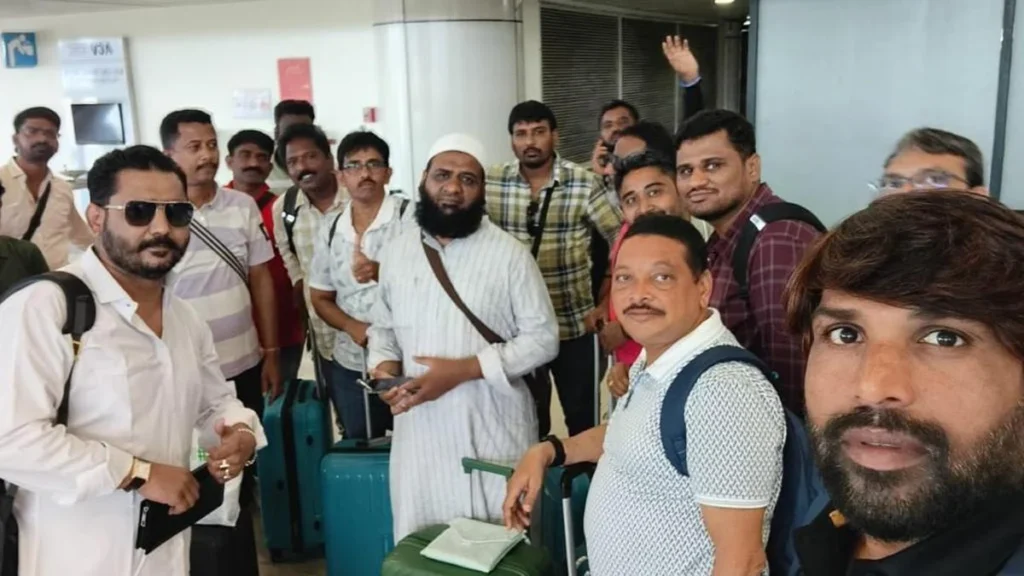
As the families continue to wait, the image of the Telugu tourists at Noi Bai International Airport—taken just before the incident—serves as a poignant reminder of the fragility of life and the immense importance of the government’s ongoing intervention. The investigation into the boat accident is expected to continue in the weeks following the immediate crisis, with international maritime safety experts likely to be involved in determining the causes of the tragedy.