YouTube Expands "Get Feedback" Tool to U.S. Creators, Offering Pre-Publication Insights for Shorts
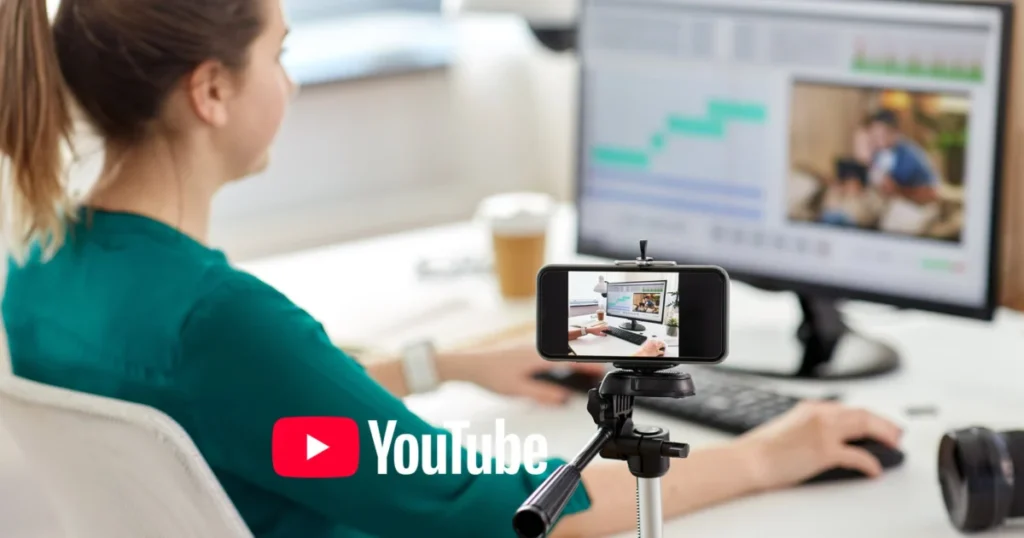
LOS ANGELES — In an ongoing effort to empower content creators and refine the quality of short-form video content on its platform, YouTube is officially expanding its "Get Feedback" tool to all eligible creators in the United States. Announced via a Creator Insider video hosted by YouTube Creator Liaison Rene Ritchie, the feature is designed to give creators actionable, pre-publication insights regarding their videos’ hooks, pacing, and visual appeal.
As competition in the short-form video ecosystem intensifies across platforms like TikTok, Instagram Reels, and YouTube Shorts, this move represents a significant step by Google-owned YouTube to bridge the gap between initial content creation and audience retention.
Main Facts
The "Get Feedback" tool is rolling out to creators aged 18 and older in the U.S. using the primary YouTube mobile application on Android and iOS devices.
- Accessibility: The tool is integrated directly into the standard Shorts upload process. Creators will notice a "Get Feedback" button conveniently located on the "Add Details" screen before hitting the final publish button.
- Scope of Analysis: Tapping the button initiates a review of the video file, evaluating core performance indicators such as the strength of the opening hook, the overall pacing, and visual delivery.
- Advisory Nature: The tool is strictly consultative. It does not automatically edit, crop, or alter video files. Instead, it provides a curated list of suggestions based on platform best practices, leaving the final creative control entirely in the hands of the creator.
- Rollout Status: Initially teased by YouTube CEO Neal Mohan in late August via social media, the feature is currently in a phased expansion, meaning it may take time to populate across all eligible U.S. accounts.
Chronology of the Feature’s Rollout
The evolution of YouTube’s pre-publication diagnostic tooling has unfolded progressively over the late summer and early autumn:
- August 24: YouTube CEO Neal Mohan officially broke the news of the feature on X (formerly Twitter). In his post, Mohan instructed creators to upload unlisted drafts to receive tailored suggestions concerning hooks, pacing, and overall structure. At this early stage, the utility was framed around unlisted drafts.
- Late August / Early September: Around the same period, YouTube began experimenting with a conceptually similar platform feature via YouTube Labs known as "VibeCheck." Open exclusively to U.S.-based testers, VibeCheck positioned itself as an AI-powered coach designed to analyze pacing, hooks, and lighting parameters via a "Try VibeCheck" button on the Add Details page.
- September 9: YouTube published its Creator Insider update video, detailing the streamlined, production-ready version of "Get Feedback." Rather than relying on the unlisted draft method previously mentioned by Mohan, the finalized rollout embeds the tool directly into the standard mobile upload workflow as a native button.
Supporting Data and Context
While traditional YouTube analytics provide rich insights regarding audience retention, click-through rates (CTR), and engagement metrics, these data points are historically reactive. They become accessible only after a video has been published and has begun accumulating views. "Get Feedback" aims to shift this dynamic leftward in the production pipeline, offering proactive guidance during the drafting phase.
How the Feedback Manifests
In the Creator Insider breakdown, Rene Ritchie demonstrated an example of the tool evaluating a news update Short. The system praised the creator’s clear delivery style and audio quality while issuing targeted suggestions—such as integrating screen recordings or dynamic cutaway visuals to maintain viewer interest during slower sections.
Although neither the official Help documentation nor the Creator Insider briefing explicitly labels the underlying technology of "Get Feedback" as artificial intelligence, its analytical capabilities mirror the automated critique frameworks seen in experimental initiatives like VibeCheck.
Optional and Non-Prescriptive
YouTube has taken pains to reassure its creator community that the tool is non-intrusive. Speaking on the matter, Ritchie emphasized:
"Getting and using this feedback is entirely optional. It just provides suggestions based on best practices, and YouTube knows every creator, channel, and audience is different."
Because the tool makes zero modifications on its own, creators retain total autonomy over whether to implement the system’s recommendations or trust their own creative instincts.
Official Responses and Platform Perspective
The rollout of "Get Feedback" underscores YouTube’s broader strategy to lower the barrier to entry for high-performing content while equipping independent creators with professional-grade editing insights.
Platform leadership recognizes that short-form video consumes user attention in micro-seconds. The opening "hook" of a Short often determines whether a user swipes away or stays through to the loop. By offering automated checks on these critical thresholds, YouTube hopes to foster healthier content ecosystems where videos are optimized for retention before they ever hit the public feed.
However, YouTube has been careful to manage expectations. The platform’s representatives have not claimed that following the tool’s suggestions guarantees algorithmic success, higher view counts, or viral reach. Instead, "Get Feedback" is framed strictly as an educational assistant designed to highlight structural vulnerabilities that creators can choose to fix manually.
Implications for Content Creators and Marketers
The integration of pre-publication diagnostic tools carries several notable implications for the digital marketing and creator economy spaces:
1. Shifting Optimization to the Preshow Phase
Traditionally, search engine optimization (SEO) and metadata adjustments (titles, descriptions, tags) were the primary pre-publish focal points for YouTube creators. With the introduction of "Get Feedback," narrative and visual optimization—elements once reserved for professional post-production reviews—are now being integrated directly into the platform workflow.
2. Democratizing Editing Expertise
New or independent creators who lack access to professional mentorship or dedicated production teams can leverage these suggestions to learn industry standards for pacing and visual engagement. It serves as an on-demand, algorithmic second pair of eyes.
3. Workflow Adjustments for Agencies and Brands
For social media marketing agencies managing multiple brand channels, tools like Get Feedback could streamline the internal QA (Quality Assurance) process. Editors can run drafts through the native tool to catch pacing errors or weak hooks before presenting content to corporate stakeholders for final approval.
4. Remaining Questions and Future Horizons
As the tool continues its expansion across the United States, several questions remain unanswered. YouTube has not yet clarified:
- Whether "Get Feedback" will eventually roll out to desktop creators via YouTube Studio.
- When international markets outside the U.S. will gain access to the feature.
- The exact technical mechanisms—whether machine learning, computer vision, or natural language processing—powering the backend analysis.
For now, U.S. creators over the age of 18 are encouraged to look for the button on their mobile upload screens, test out the suggestions on upcoming drafts, and evaluate whether the AI-adjacent guidance helps improve their channel’s engagement metrics moving forward.