The LinkedIn Evolution: Deciphering the Architectural Overhaul of the Professional Feed
For years, LinkedIn operated as a digital rolodex—a place where your professional network determined your visibility. However, a silent revolution has taken place within the platform’s code. Marketers and creators across the globe have reported a precipitous drop in organic reach, leading many to wonder if the "golden age" of LinkedIn content is over. The reality is more complex: LinkedIn hasn’t just tweaked its settings; it has completely rebuilt its content distribution engine from the ground up.
This comprehensive analysis explores the shift from connection-based feeds to interest-based AI distribution, the rise of "invisible signals," and the new strategic imperatives for B2B professionals.
Main Facts: The Transition to a Unified AI Brain
The most significant takeaway from recent platform updates is the total architectural consolidation of LinkedIn’s algorithm. Previously, the feed was governed by five disparate, "patched-together" systems that managed different aspects of user interaction. Today, these have been replaced by a single, unified AI-powered brain.
From Connections to Interests
The fundamental logic of the feed has shifted. In the previous iteration, your feed was a chronological or semi-algorithmic reflection of the people you followed. In the new system, LinkedIn has adopted "interest-based distribution." This mirrors the evolution seen on platforms like TikTok and YouTube, where the algorithm prioritizes content relevance over account relationships.
Semantic Understanding
Perhaps the most sophisticated update is the algorithm’s transition from keyword matching to semantic understanding. The unified AI now understands the meaning and intent behind content. For instance, a post discussing "reducing churn" can now be served to a user interested in "customer retention," even if the specific words do not overlap. The system is no longer looking for tags; it is looking for topical authority.
The Professional Journey
LinkedIn now tracks what it calls a user’s “professional journey over time.” This isn’t merely a record of the last three posts a user clicked on; it is a longitudinal profile of their evolving professional interests, career stage, and industry challenges. This allows the algorithm to surface "evergreen" expert content to the right people at the right moment in their career trajectory.
Chronology: The Evolution of Professional Content Distribution
To understand where LinkedIn is going, one must look at the timeline of its algorithmic philosophy.
- The Connection Era (2003–2017): During this phase, LinkedIn functioned primarily as a utility. Your feed was a simple stream of updates from your direct network. Reach was a direct function of follower count.
- The Engagement Hack Era (2018–2022): As LinkedIn sought to increase "dwell time," the algorithm began prioritizing "viral" engagement. This led to the rise of "broetry" (short, punchy sentences) and personal stories that often lacked professional substance but triggered high comment volumes.
- The Unified AI Era (2023–Present): Realizing that viral-but-irrelevant content was degrading the professional value of the platform, LinkedIn moved toward the current unified system. This era is defined by niche authority and "knowledge signaling."
This chronological shift represents a move away from "popularity" and toward "utility." LinkedIn’s goal is now to ensure that every time a user opens the app, they learn something relevant to their specific job function.

Supporting Data: The Rise of Invisible Signals
A massive study of over 600,000 LinkedIn posts from 63,000 accounts has provided the data necessary to understand this new landscape. The findings suggest that the metrics marketers traditionally track—likes, comments, and shares—are becoming secondary to "invisible" engagement.
The Engagement Paradox
While visible interactions (likes and public comments) are generally trending downward across the platform, overall engagement is actually up by nearly 14%. This discrepancy is explained by the rise of invisible signals:
- The "More" Click: When a user clicks to expand a truncated post, it sends a powerful signal to the AI that the content is engaging.
- Carousel Swipes: Multi-image "document" posts drive eleven times more interactions than single-image posts. Each swipe is a data point telling the algorithm that the user is consuming the material.
- Video Dwell Time: Watching a video for more than a few seconds, even without a "like," marks the content as high-value.
The 48-Hour Window
The data shows that 50% of a post’s total impressions occur within the first 48 hours. If a post fails to generate "invisible" signals within the first sixty minutes, the unified AI effectively throttles its distribution, assuming the content is either irrelevant or low-quality.
Comment Density and Depth
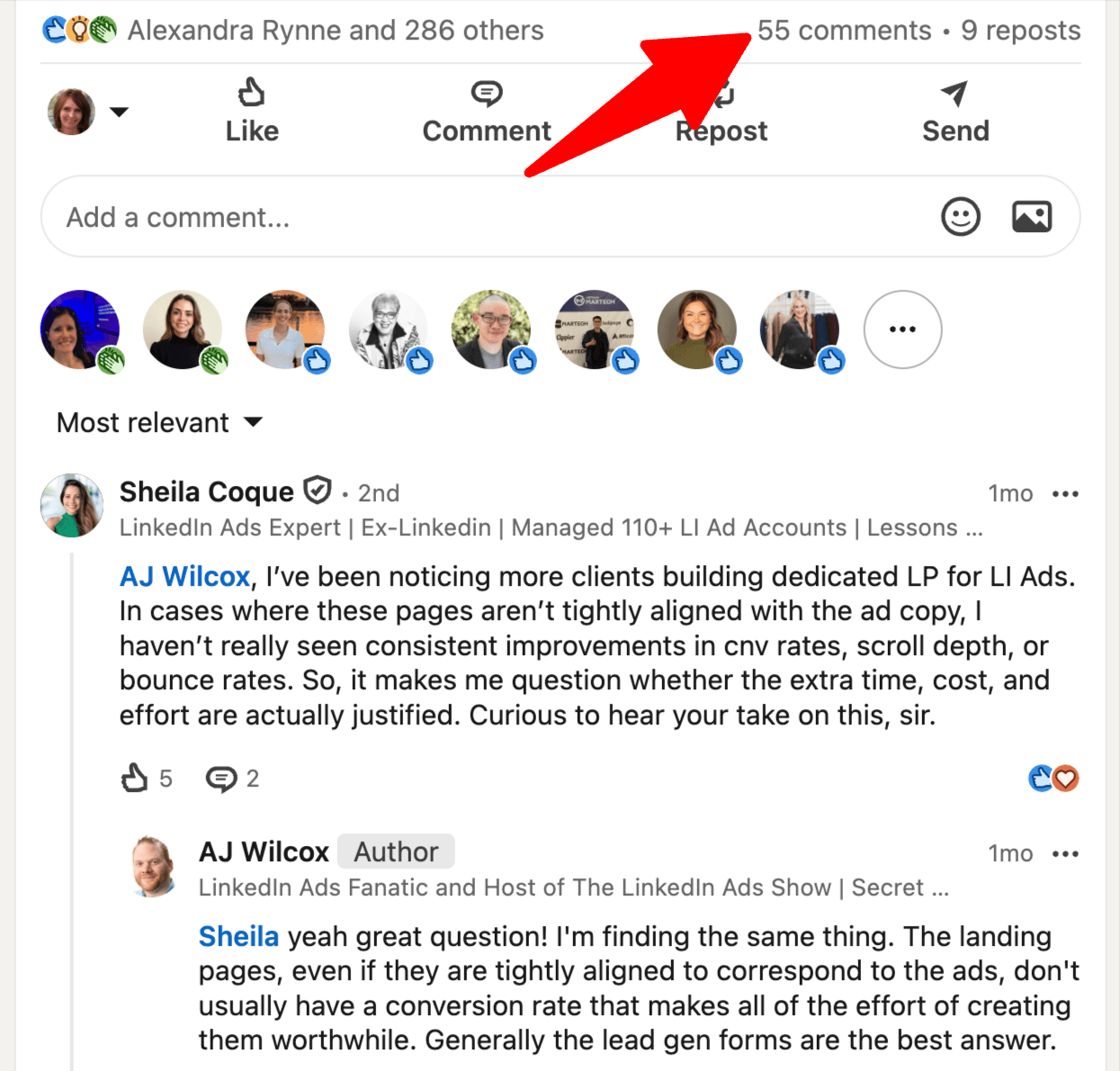
Quantity no longer equates to quality. The algorithm now evaluates "comment density"—the depth of the conversation. A thread where a creator engages in a back-and-forth dialogue with a reader is weighted significantly higher than a post with 50 one-word "Great post!" comments.
Official Responses and Expert Insights: The AJ Wilcox Perspective
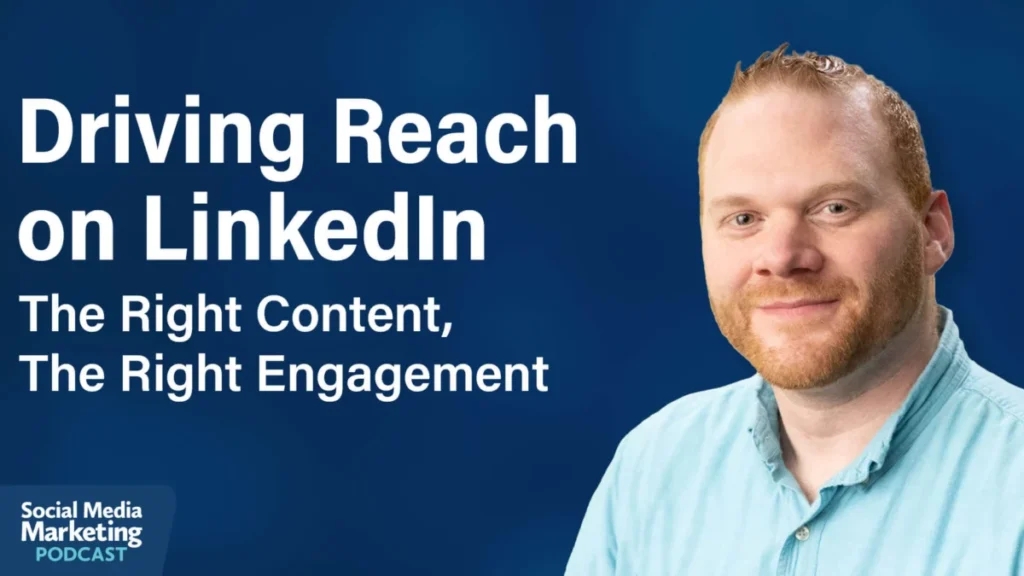
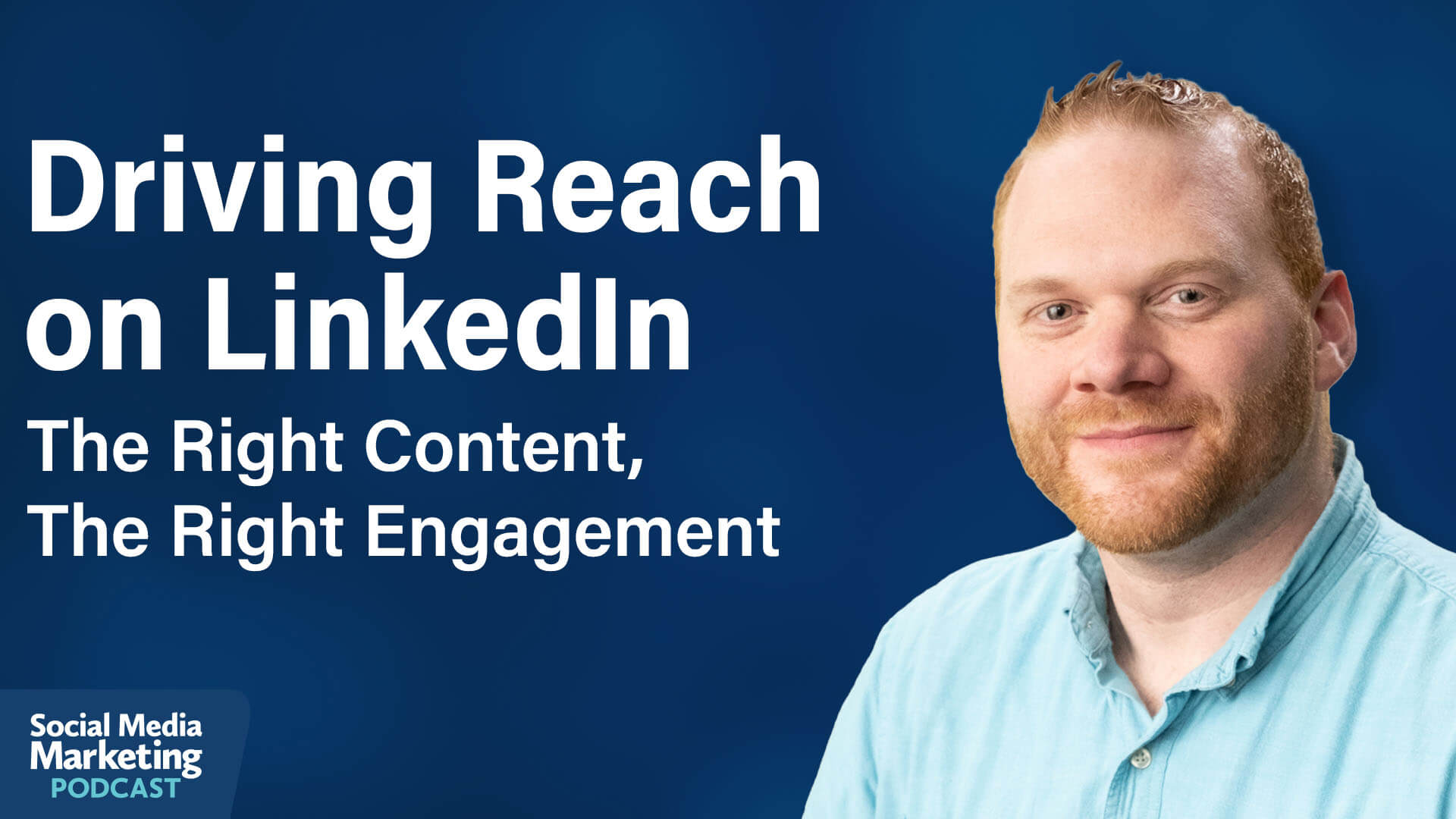
AJ Wilcox, a globally recognized LinkedIn Ads expert and founder of B2Linked, has been at the forefront of analyzing these changes alongside industry leaders like Michael Stelzner. His insights provide a roadmap for navigating the new algorithm.
The Specialist’s Advantage
Wilcox notes that the algorithm now actively rewards specialists. "A series of related posts trains the algorithm to associate you—or your brand—with a specific topic," Wilcox explains. This creates a compounding effect. When you post consistently about a niche topic (e.g., B2B SaaS pricing), the AI identifies you as an authority and proactively pushes your content to users whose "professional journey" involves SaaS management.
Conversely, generalists who post about a wide array of topics—AI one day, office culture the next, and personal hobbies the third—confuse the unified brain. The AI treats each post as an isolated event rather than building a cumulative authority score for the creator.
Fighting Content Fatigue
A common concern for creators is the fear of "saying the same thing over and over." Wilcox offers a strategic reframe: "Your audience is always changing. The person reading your post today is likely encountering your ideas for the first time."
However, he cautions against simple recycling. The AI is now sophisticated enough to detect "repurposed" vs. "original" thinking. The key is to vary the approach, not the subject. Wilcox suggests using AI tools to find new metaphors or angles for the same core expertise, ensuring the algorithm sees "fresh" perspectives on a consistent topic.
Implications: The Future of Professional Branding
The shift in LinkedIn’s algorithm has profound implications for how businesses and individuals approach the platform.
The Death of the "Viral" Hook
The era of the "clickbait" hook is ending. While a strong opening is still necessary to earn the "…more" click, the unified AI now evaluates whether the subsequent content delivers on the hook’s promise. If users click "…more" but immediately bounce, the algorithm recognizes the content as low-quality, negatively impacting the creator’s future reach.
The "Comment Strategy" Overhaul
For brands, the implication is clear: community management is no longer optional. To succeed, creators must respond to meaningful comments within the first hour of posting to signal "activity" to the AI. Furthermore, they must move away from generic prompts like "What do you think?" and toward specific, friction-removing questions that invite substantive dialogue.
Semantic SEO for Social
LinkedIn is essentially becoming a semantic search engine. This means creators should focus on "topical clusters." By covering every angle of a specific subject, they create a "semantic web" that the LinkedIn AI can easily categorize. This makes them the "default" recommendation when the algorithm looks for an expert to show to a high-value user.
Conclusion: Quality Over Connectivity
The overarching theme of the new LinkedIn algorithm is the prioritization of relevance over reach. In the old system, you needed a big network to get views. In the new system, you need big ideas. By focusing on niche specialization, engineering invisible engagement signals, and fostering deep comment threads, professionals can leverage the unified AI brain to reach an audience far beyond their immediate connections.
The "new" LinkedIn is less of a social network and more of a global, AI-curated professional university. Those who provide the best "curriculum" for their niche will be the ones who dominate the feed.