The AI Revolution in Video: How YouTube’s New Toolset is Democratizing Creator Success
In an era where digital attention is the most valuable currency, YouTube is undergoing a fundamental transformation. No longer just a repository for long-form video content, the platform is aggressively deploying artificial intelligence to lower the barrier to entry for creators and small businesses alike. From animating static images to AI-driven influencer matchmaking, the latest suite of tools—including "Add Motion," "Reimagine," and a Gemini-powered partnership platform—represents a seismic shift in how content is produced, discovered, and monetized.
As production friction decreases, the competitive landscape is shifting. For small business owners and marketers who have historically lacked the budget for full-scale video production, these updates offer a lifeline. However, as YouTube strategist Liron Segev notes, the technology serves as an accelerator, not a replacement for human creativity. The tools lower the cost of execution, but the burden of ideation remains firmly with the creator.
Main Facts: The New Pillars of YouTube Engagement
YouTube’s recent updates are centered on four primary technological pillars designed to scale attention and foster deeper community relationships:
- Add Motion: An AI-powered tool that converts single still photographs into eight-second animated YouTube Shorts using zoom effects and ambient sound.
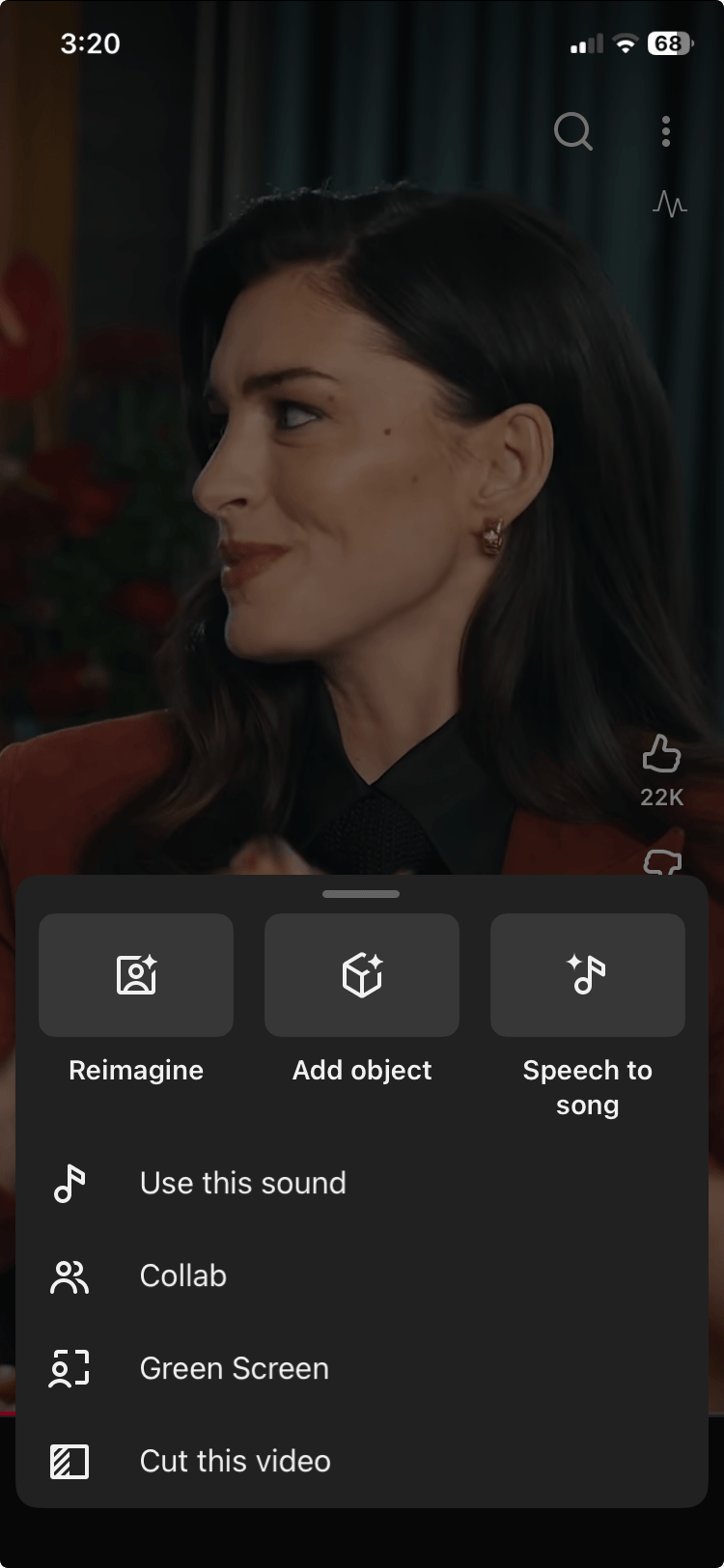
- Reimagine: A remixing feature that allows creators to use a frame from an existing Short as the visual foundation for new, AI-modified content.
- Voice Replies: A mobile-first feature allowing creators to respond to comments with 30-second audio clips, complete with automatic transcriptions.
- Creator Partnerships Platform: A rebranding and evolution of "Brand Connect," now integrated with Google Gemini to match brands with over 3 million creators based on audience data and organic mentions.
These tools are not merely incremental updates; they are strategic moves to keep YouTube competitive against short-form giants like TikTok and Instagram Reels while leveraging Google’s massive investment in generative AI.
Chronology: From Video Hosting to AI-Driven Ecosystem
To understand the significance of these tools, one must look at the trajectory of YouTube’s development over the last decade.
For much of its history, YouTube was a "high-friction" platform. To succeed, one needed a camera, lighting, editing software, and significant time. The 2021 global launch of YouTube Shorts began to lower that barrier, moving the platform toward mobile-first, vertical content.
In 2023 and early 2024, YouTube began integrating generative AI into the Studio backend, focusing on "Dream Screen" (AI backgrounds) and music AI. The current phase, rolling out through late 2024 and into 2025, represents the "Execution Era." The focus has shifted from high-concept generative backgrounds to practical tools that solve specific workflow problems: turning photos into videos, simplifying the remixing process, and using AI to bridge the gap between brands and influencers.
Supporting Data: The Mechanics of Execution
1. Add Motion: Breaking the "No-Video" Barrier
The "Add Motion" tool addresses a specific pain point for small businesses: the lack of B-roll or live-action footage. By uploading a high-quality photo, the AI generates movement that mimics professional cinematography.
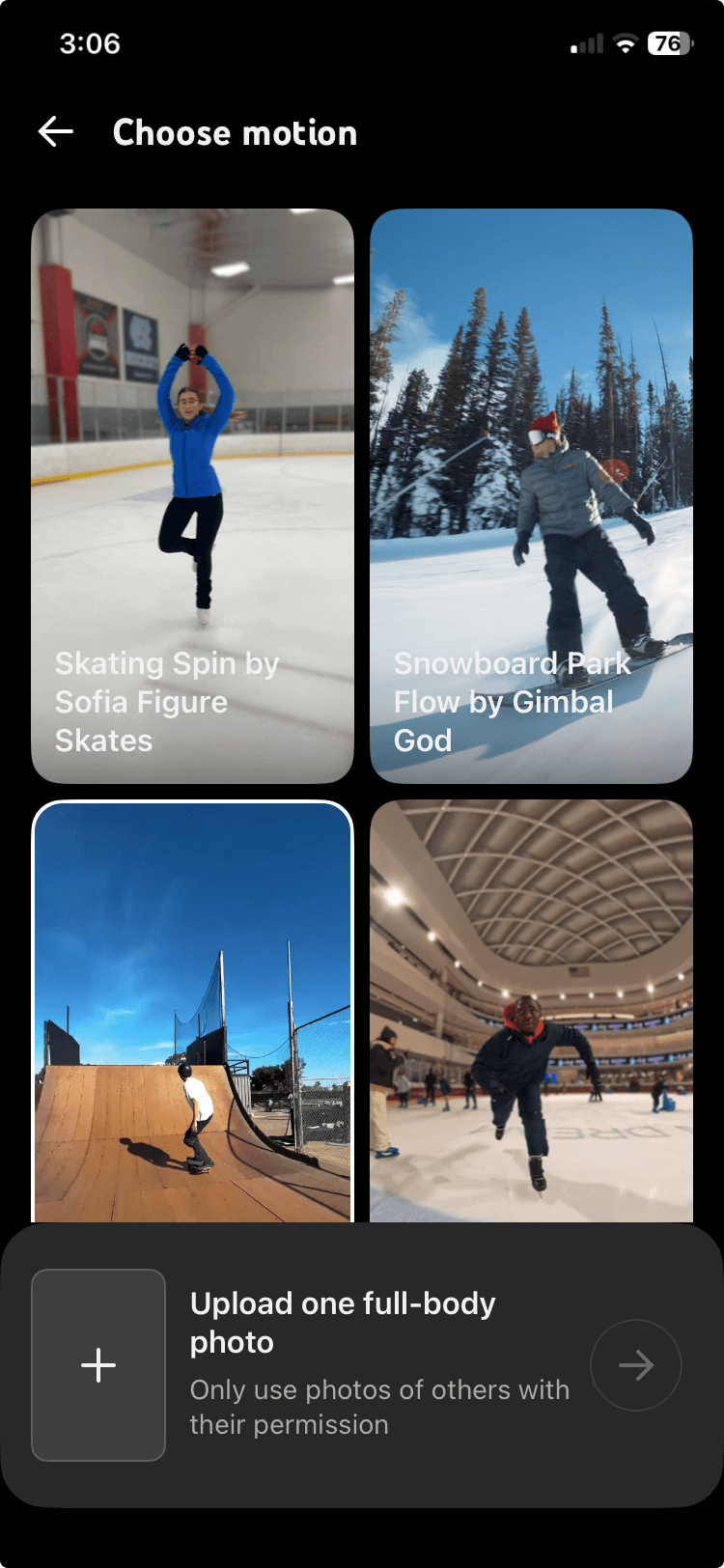
The data suggests that movement—even subtle pans or zooms—significantly increases "stop-the-scroll" rates compared to static images. For a bakery or a construction firm, this means professional-grade product photography can now be repurposed into a high-performing Short in seconds. Furthermore, the tool includes a "remix" capability where other users can animate frames from your video, creating a viral loop of user-generated content (UGC) that attributes back to the original creator.
2. Reimagine: The Evolution of Remix Culture
"Reimagine" takes the concept of the "Green Screen" or "Stitch" and applies generative AI. Instead of just reacting to a video, creators can take a frame and use it as a prompt-based foundation.
However, experts warn of the "value-add" trap. Liron Segev emphasizes that the most successful remixes are those that provide expert context. For example, a food brand shouldn’t just remix a chef’s video to show their logo; they should pause the clip to explain the science of an ingredient. Data from successful remixers shows that content which adds authority or education performs significantly better than "silent reaction" videos, which often erode brand reputation.
3. Voice Replies: The Humanization of Data
Voice Replies are now available to all creators via the YouTube and YouTube Studio mobile apps. This feature allows for up to 30 seconds of audio. While playback is currently restricted to mobile devices, the automatic transcription ensures accessibility for desktop users.
The strategic value of voice lies in "vocal fry," tone, and warmth—elements often lost in text. For personal brands and consultants, an audio reply creates a parasocial "touchpoint" that feels like a private message, despite being public. However, early testing indicates that this feature scales poorly if overused. Viewers often browse comments while listening to a video; a voice reply forces them to pause the primary content, meaning the audio response must be high-value to justify the interruption.
Official Responses and Strategic Insights
YouTube’s official stance, echoed by platform leadership at events like NewFronts, is that these tools are meant to foster a "collaborative economy." The integration of Google Gemini into the Creator Partnerships platform is the clearest evidence of this.
Liron Segev highlights that the transition from Brand Connect to the new platform removes the "agency gatekeeper." Previously, small brands had to reach out cold or pay high fees for influencer management. Now, Gemini surfaces creators from a pool of 3 million based on actual audience overlap.
Official Data Points for Brands:

- Creators who opt-in to share their analytics within the platform see a 60% increase in visibility to brands.
- These creators receive double the inquiry rate compared to those who keep their data private.
Segev suggests a rigorous four-step due diligence process for brands using these AI matches:
- Watch the last 10 videos: Evaluate through the customer’s eyes, not as an industry expert.
- Audit the comments: Is the engagement genuine or bot-driven?
- Review previous sponsorships: Does the creator integrate brands naturally, or does the audience skip the "ad" segment?
- Analyze the data: Look past subscriber counts to actual retention and reach metrics provided by the platform.
Implications: The Future of YouTube Strategy
The introduction of these tools carries several long-term implications for the digital marketing landscape.
The Democratization of Production
The "Add Motion" tool, in particular, signals the end of the "production budget" excuse. If a business can take a photo, they can be a video creator. This will likely lead to an explosion of content from previously "faceless" industries like B2B consulting, local trades, and niche manufacturing.
The Shift from Reach to Relationship
Voice Replies and the Reimagine tool suggest that YouTube is prioritizing "depth of connection" over "breadth of reach." In an AI-saturated world, the "human" element—a specific voice, a unique expert take—becomes the primary differentiator. Brands that use these tools to build 1-on-1 relationships in the comment section will likely see higher loyalty and conversion rates than those using AI to blast generic content.

The Multi-Touch Influencer Model
Finally, the new Partnership platform encourages a move away from one-off "shoutouts." Segev advises brands to think in terms of "three to five appearances." Because the AI makes finding the right creator easier, brands should focus on building long-term cycles where their product is mentioned naturally over several months. This builds the "familiarity effect," which is essential for converting a viewer into a customer.
Conclusion
YouTube’s latest AI innovations are designed to bridge the gap between "having an idea" and "having a video." By reducing the technical debt required to produce content and find partners, the platform is betting on a future where the best thinkers, not just the best editors, win. For small businesses, the message is clear: the tools are now available to compete with the giants. The only remaining variable is the willingness to experiment and the commitment to maintaining a human touch in an increasingly automated world.