Microsoft Ushers in a New Era of Computing: The Snapdragon X2-Powered Surface Lineup
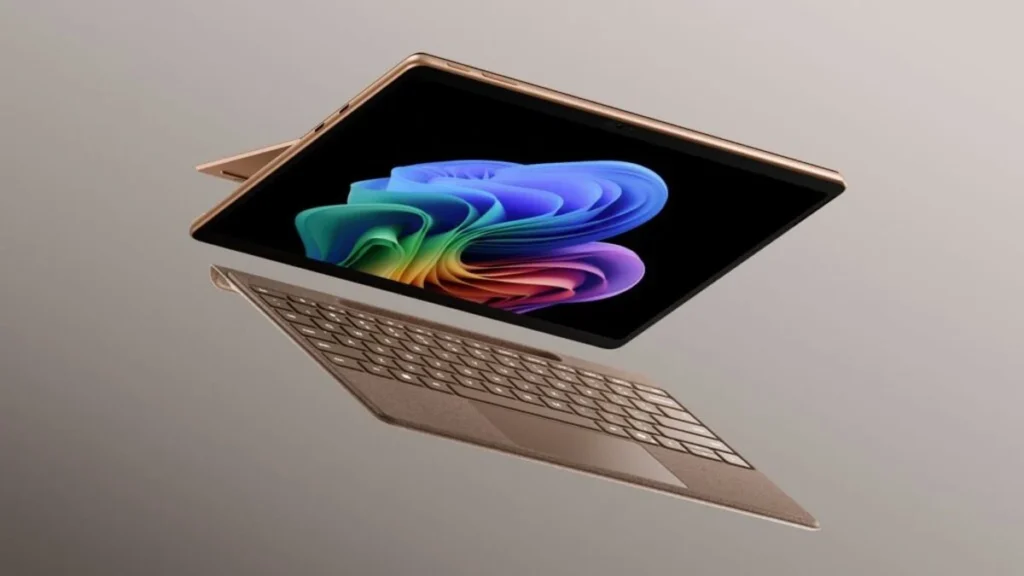
In a significant pivot toward ARM-based architecture, Microsoft has officially unveiled its latest generation of Surface devices, marking a definitive shift in the company’s hardware strategy. By integrating Qualcomm’s cutting-edge Snapdragon X2 silicon into both the iconic Surface Pro tablet and the refined Surface Laptop, Microsoft is positioning its flagship hardware to compete directly with the efficiency and performance benchmarks set by the modern mobile computing landscape. This launch represents more than just a spec bump; it is a fundamental reimagining of what "full Windows" performance looks like when unshackled from traditional thermal constraints.
Main Facts: A New Silicon Foundation
The newly minted Surface Pro and Surface Laptop lineup are built around the high-performance Snapdragon X2 architecture. Microsoft is offering consumers a choice between the Snapdragon X2 Plus (10-core) and the high-end Snapdragon X2 Elite (12-core) variants.
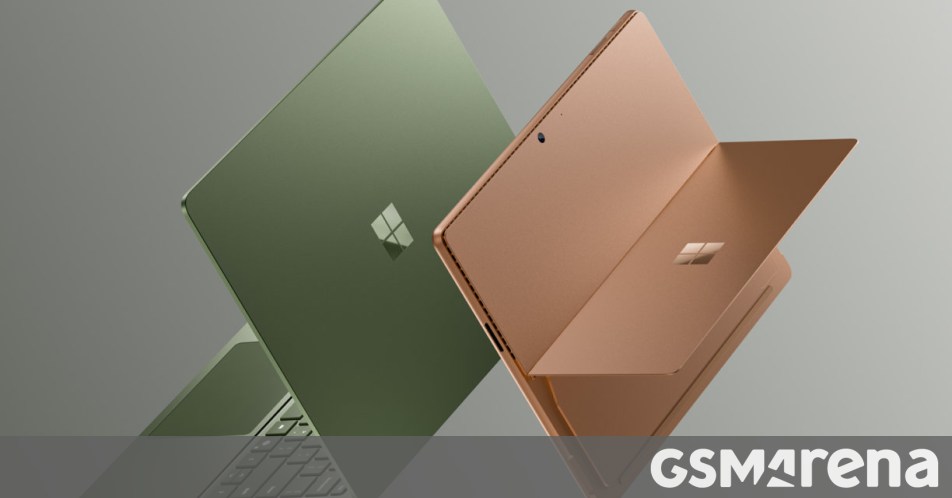
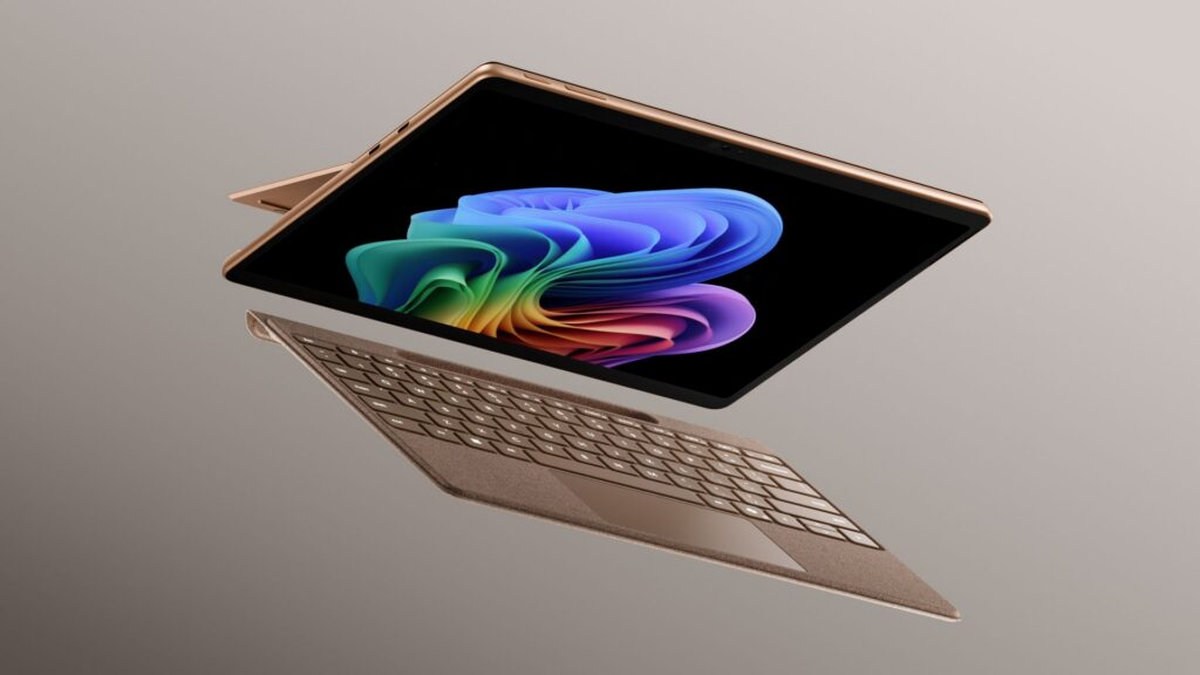
The Surface Pro 13" serves as the centerpiece of this refresh. Described by Microsoft as a device that "combines the flexibility of a tablet with the capability of full Windows," it is available in three sophisticated finishes: Platinum, Black, and Dune. Starting at $1,499, the device features a 13-inch touchscreen with an optional OLED panel, supporting refresh rates up to 120Hz. Memory configurations range from 16GB to a staggering 64GB of RAM, with storage options spanning from 256GB to 1TB. With Wi-Fi 7 connectivity and battery life rated at 15.5 hours for local video playback, the Pro is designed for the high-mobility professional.
The Surface Laptop series arrives in two sizes: a 13.8-inch model starting at $1,599 and a 15-inch model starting at $1,699. These devices prioritize color-accurate LCD displays and exceptional longevity, boasting up to 20 hours and 19 hours of battery life respectively. Both models share the same Snapdragon X2 SoC options and memory tiers as the Surface Pro, though storage starting points and power delivery vary: the 13.8-inch model utilizes a 39W power supply, while the 15-inch variant requires a 65W unit to maintain its performance envelope.
Chronology: The Evolution of the Surface Line
The journey to the Snapdragon X2 integration did not happen overnight. It is the culmination of years of R&D between Microsoft and Qualcomm to bring true "PC-class" performance to the ARM architecture.
- Early Development (2023–2024): Following the initial lukewarm reception of earlier ARM-based Windows devices, Microsoft accelerated its collaboration with Qualcomm to address the "performance gap." Internal testing of the Snapdragon X-series chips showed early promise in thermal efficiency and AI-processing capabilities.
- The Announcement Phase (Early 2026): In the months leading up to the June launch, industry analysts noted a significant increase in Microsoft’s investment in the "Windows on ARM" ecosystem, including improved emulation layers (PRISM) to ensure that legacy x86 applications run seamlessly on the new chips.
- The Launch Event (June 2026): On June 16, 2026, Microsoft officially pulled the curtain back on the new hardware, confirming the widespread rumors of a total shift to the Snapdragon X2 platform.
- Immediate Availability: Unlike previous hardware cycles that featured a long lead time between announcement and retail availability, Microsoft opened orders for the entire lineup immediately through its online storefront, signaling a mature and ready supply chain.
Supporting Data: Configuration and Cost Analysis
The pricing strategy for the new Surface line is aggressive, reflecting its premium positioning in the market. The cost of entry is undeniably high, particularly when considering the "fully loaded" configurations that cater to power users and creative professionals.
The Surface Pro 13" Matrix
For users who require maximum power, the Surface Pro 13" can be configured to a price point of $3,549. This maximum spec includes the 12-core Snapdragon X2 Elite, 64GB of RAM, and a 1TB SSD. The base model, while starting at $1,499, provides a baseline of 16GB of RAM and 256GB of storage.
The Surface Laptop Matrix
The Surface Laptop 13.8" carries a similar top-tier price tag, reaching $3,449 for the maximum configuration. The 15-inch model, while currently limited in its high-end configurator availability, serves as the heavy-duty productivity machine, benefiting from a larger chassis for improved thermal dissipation and a larger battery capacity.
| Feature | Surface Pro 13" | Surface Laptop 13.8" | Surface Laptop 15" |
|---|---|---|---|
| Starting Price | $1,499 | $1,599 | $1,699 |
| Processor | X2 Plus / Elite | X2 Plus / Elite | X2 Plus / Elite |
| Battery Life | 15.5 Hours | 20 Hours | 19 Hours |
| RAM | 16GB – 64GB | 16GB – 64GB | 16GB – 64GB |
| Storage | 256GB – 1TB | 256GB – 1TB | 512GB – 1TB |
Official Responses and Strategic Positioning
In a blog post accompanying the launch, Microsoft executives emphasized that these devices are "built for performance and flexibility." The company’s messaging highlights that the Snapdragon X2 chips are not merely power-efficient alternatives to x86 processors, but are, in fact, "performance leaders" in their own right.
"We have spent years optimizing the interaction between hardware and software," said a Microsoft spokesperson. "The Snapdragon X2 allows us to achieve form factors and battery life metrics that were previously impossible on traditional architectures. This is the new standard for the Windows experience."
Industry analysts have observed that Microsoft’s commitment to the Snapdragon platform is a direct challenge to Apple’s M-series silicon. By standardizing on ARM across its premium Surface line, Microsoft is signaling to developers that the future of Windows is no longer tied strictly to a specific instruction set, but to the user experience provided by efficient, AI-capable hardware.
Implications for the PC Industry
The implications of this launch are far-reaching, extending beyond just the Surface brand.
1. The Death of the "Slow" ARM PC
For years, the "Windows on ARM" moniker carried a stigma of poor performance and compatibility issues. With the Snapdragon X2, Microsoft is effectively erasing that narrative. By ensuring that the flagship Pro and Laptop devices are exclusively powered by this architecture, Microsoft is forcing third-party developers to prioritize ARM-native builds for their software.
2. Battery Life as a Competitive Advantage
The shift to Snapdragon X2 allows the Surface Laptop to reach the 20-hour battery life threshold, a figure that is widely considered the "holy grail" of mobile computing. This is expected to put immense pressure on OEMs like Dell, HP, and Lenovo to accelerate their own transitions to ARM-based processors, potentially leading to a market-wide decline in the prevalence of power-hungry x86 chips in thin-and-light laptops.
3. The Pricing Premium
The starting price of $1,499 for the base Surface Pro suggests that Microsoft is aiming for the premium segment of the market. This leaves a significant gap in the budget and mid-range tiers, which may continue to be served by legacy x86 hardware for the foreseeable future. However, as the production of Snapdragon X-series chips scales, we can expect to see this technology trickle down to more affordable price points.
4. Enterprise Adoption
For the enterprise sector, the appeal of the new Surface lineup lies in the integrated security and AI features of the Snapdragon X2. Microsoft is banking on the fact that IT departments will prioritize the massive gains in battery efficiency and the integrated NPU (Neural Processing Unit) for on-device AI tasks, such as real-time transcription, enhanced security, and background processing, which are becoming essential in the modern hybrid work environment.
Conclusion
The launch of the Snapdragon X2-powered Surface Pro and Surface Laptop is a watershed moment for Microsoft. By betting heavily on Qualcomm’s silicon, the company is demonstrating a newfound confidence in its hardware ecosystem. While the price tags for the top-end configurations are steep, the underlying technology offers a compelling glimpse into a future where high performance and all-day battery life are no longer mutually exclusive. As these devices make their way into the hands of consumers, the industry will be watching closely to see if Microsoft’s gamble on ARM architecture pays off in the long-term competition for the soul of the personal computer.