The Future of B2B: Decoding the Essential Social Media Marketing Trends for 2025
The B2B marketing landscape is undergoing a profound metamorphosis. As we cross the threshold into 2025, the traditional, rigid, and purely corporate approach to business-to-business communication is being rapidly dismantled. In its place, a new paradigm is emerging—one that prioritizes human-centric narratives, platform-specific agility, and the strategic integration of artificial intelligence. For modern B2B brands, success is no longer defined by the volume of content produced, but by the resonance of the connections forged across digital channels.
The Evolution of the B2B Playbook
The transition toward more authentic, relatable digital experiences is not merely a stylistic preference; it is a response to shifting buyer behaviors. According to the Netline B2B Content Consumption Report, there is an unmistakable surge in demand for content that feels personalized and human.
The Social Pros podcast, in its latest deep-dive exploration of the upcoming year’s strategy, highlights that B2B marketing teams must abandon the "corporate speak" that has defined the sector for decades. Instead, successful brands are adopting the storytelling techniques traditionally reserved for B2C markets. By showcasing the human beings behind the brand, articulating the challenges they face, and celebrating authentic successes, companies are successfully bridging the emotional gap between service providers and their prospects.
Chronology of the Shift: From Static to Dynamic
The trajectory of B2B social media has moved through three distinct phases over the last five years:
- 2020–2021 (The Digital Pivot): The pandemic forced B2B companies to adopt virtual channels, leading to a saturation of webinars and whitepapers.
- 2022–2023 (The Search for Substance): As audiences grew fatigued by content overload, the focus shifted toward quality and high-value insights.
- 2024–2025 (The Era of Authenticity & AI): We are currently witnessing a push toward "human-in-the-loop" content, where brands use AI to scale reach while leveraging human experts to provide the emotional core.
The Duality of Video: Short-Form vs. Long-Form
Video content has cemented its status as the king of digital engagement, but the "one-size-fits-all" approach to video is dead. In 2025, B2B marketers must be adept at balancing short-form "snackable" content with deep-dive long-form assets.
The Power of Short-Form Engagement
Short-form video—typically found on TikTok, Instagram Reels, and LinkedIn’s native player—is the ultimate top-of-funnel tool. Data indicates that 72% of B2B marketers report measurable success in lead generation through these formats. They are ideal for:
- Rapid Problem-Solving: Addressing specific "how-to" questions in under 60 seconds.
- Company Culture Showcases: Giving potential hires and partners a glimpse into the brand’s internal ethos.
- Industry News Commentary: Offering real-time reactions to market shifts.
The Authority of Long-Form Content
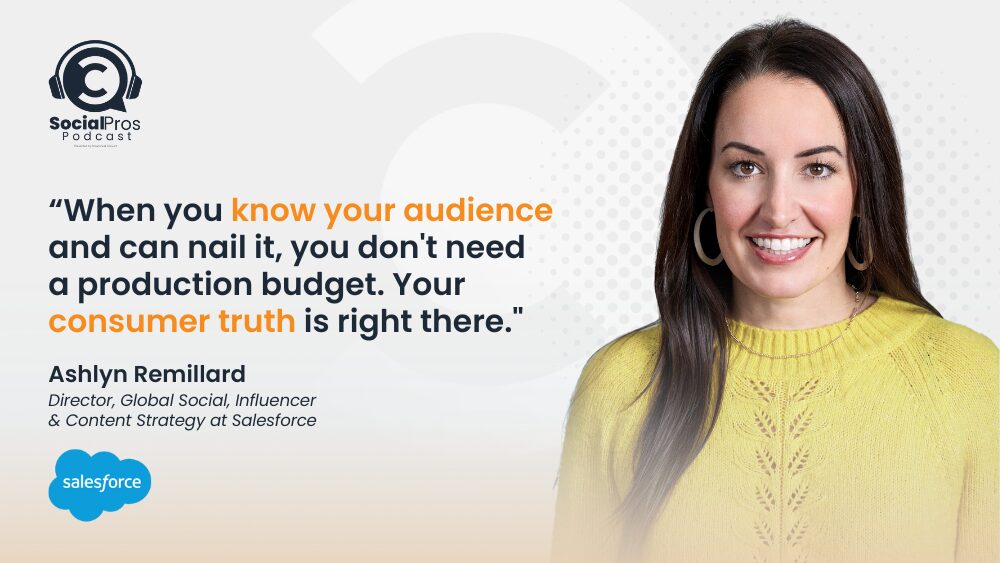
While short-form grabs attention, long-form content sustains the relationship. Platforms like YouTube remain the premier venue for complex product demonstrations, in-depth case studies, and thought leadership webinars. As Ashlyn Remillard of Salesforce noted, "When you know your audience, and can nail it, you don’t need a production budget. Your consumer truth is right there." This "consumer truth" is best explored in long-form settings, where a brand can deconstruct a complex problem and offer a comprehensive solution without the constraints of a 30-second window.

Thought Leadership as a Competitive Moat
In the B2B space, trust is the primary currency. LinkedIn continues to serve as the epicenter for this exchange. However, mere activity is not enough. To dominate, brands must transition from "content publishers" to "thought leaders."
Thought leadership in 2025 requires:
- Counter-Intuitive Insights: Challenging industry norms rather than simply reciting trends.
- Executive Personal Branding: Moving beyond corporate handles to allow leaders to share their personal perspectives.
- Data-Backed Predictions: Using internal metrics to forecast market behavior, thereby establishing the brand as an industry oracle.
By adopting these pillars, firms like Microsoft and IBM have successfully shifted their social presence from broadcasting to building a reputation that precedes the sales call.
The Rise of B2B Influencer Marketing
One of the most persistent myths in digital marketing is that influencer partnerships are the exclusive domain of B2C fashion and lifestyle brands. In 2025, this notion is officially obsolete. B2B influencer marketing is now a high-growth strategy for brands aiming to reach niche, highly technical audiences.
When a brand partners with an established subject matter expert, they inherit that expert’s credibility. The Oracle "On the Fly" video series serves as the gold-standard case study here. By collaborating with 30 B2B influencers, Oracle was able to reach highly specific segments that their internal marketing teams could not access organically, proving that the right partner can act as a catalyst for trust in the B2B buying journey.
Strategic AI Integration
Artificial Intelligence is no longer a futuristic concept; it is an operational necessity. However, the most successful brands in 2025 are using AI not to replace human creativity, but to augment it.
Key areas of impact include:
- Predictive Analytics: Using AI to determine the exact moment a prospect is likely to engage with specific content.
- Automated Content Repurposing: Turning a single long-form podcast episode into dozens of social media clips, blog posts, and newsletter snippets.
- Sentiment Analysis: Monitoring social conversations to identify shifts in customer perception before they impact the bottom line.
Marketing leaders must prioritize "AI Readiness," ensuring their teams have the governance, tools, and training to use these technologies ethically and effectively.
Addressing the Core: The "Pain Point" Strategy
At the heart of every successful B2B transaction is a solution to a specific, often painful, problem. Content that centers on these pain points acts as a beacon for high-intent leads.
When a brand creates content that speaks directly to the "night sweats" of a prospective buyer—such as operational inefficiencies, regulatory hurdles, or scaling challenges—they move from being a "vendor" to being a "partner." This is the ultimate goal of the 2025 social media strategy: to be the first point of contact when the customer feels the pain.
Implications and The Path Forward
The implications for B2B marketers are clear: the barrier to entry has risen, but the potential for meaningful engagement has never been higher. The brands that will thrive in 2025 are those that recognize social media is not a digital brochure, but a dynamic, human-centric conversation.
Summary of Strategic Priorities for 2025:
- Audit your tone: Is your messaging human, or is it a relic of the corporate past?
- Diversify video formats: Match the content to the platform—short for discovery, long for conversion.
- Invest in people: Empower your executives to become the faces of your brand’s thought leadership.
- Leverage expertise: Partner with influencers to reach niche audiences that trust them.
- Scale with AI: Use automation to handle the logistics so your team can focus on the strategy and the story.
As the industry moves forward, the divide between the companies that merely "post" and those that truly "engage" will widen. For those prepared to adapt, the next year represents an unprecedented opportunity to redefine market presence, foster deep-rooted trust, and drive sustainable growth in an increasingly crowded and noisy digital ecosystem. The playbook is open—the only question remains: how will your brand write the next chapter?