The Wait is Over: Google’s AI-Powered Home Speaker Finally Hits Shelves
After a protracted gestation period that spanned nearly a year, Google has officially confirmed the retail availability of its latest smart home hardware. The Google Home Speaker, a device first teased during the Pixel 10 launch last August and formally unveiled in October, is set to arrive in consumers’ homes on June 25. Priced at $99.99, this device represents a strategic pivot for Google, shifting from traditional smart home utility to an AI-first ecosystem centered around Gemini.
A Chronology of Anticipation
The journey to this launch has been characterized by significant delays and mounting consumer curiosity. When Google first hinted at a new smart speaker during the Pixel 10 event in August of last year, the tech community expected a swift release to compete with the evolving landscape of AI-integrated hardware. However, the company opted for a measured approach.
Following the initial teaser, a formal announcement arrived in October, positioning the "Google Home Speaker" as the definitive successor in its smart speaker lineup. Despite this, the months that followed were marked by silence, leading to industry speculation regarding supply chain hurdles or software refinement delays. Now, ten months after the first teaser and eight months post-unveiling, the device is finally entering the market. Pre-orders are currently live on the official Google Store, marking the end of one of the longest pre-release cycles for a smart home device in recent memory.
Technical Specifications and Hardware Architecture
While the headline feature of the new Google Home Speaker is its integration with Gemini, the underlying hardware is designed to provide a robust foundation for AI processing and audio performance.
At its core, the device is powered by an unspecified quad-core processor utilizing Cortex-A55 cores. While this may seem modest by smartphone standards, it is purpose-built for the low-latency requirements of voice command processing and local AI tasks. This is supported by 1GB of RAM and 4GB of onboard storage, ensuring that the device remains responsive even when handling complex queries.
Audio and Connectivity
Audio fidelity remains a cornerstone of the Google Home experience. The device features a 58mm full-range driver engineered to produce omni-directional sound, allowing it to fill a room without the "sweet spot" limitations of smaller, directional drivers. For voice interaction, Google has equipped the unit with three far-field microphones, ensuring that commands can be picked up clearly even in noisy environments. A dedicated hardware mute switch has been included, addressing privacy concerns by providing a physical disconnect for the microphone array.
Connectivity is handled by modern standards: the speaker supports Wi-Fi 6 for stable streaming and Bluetooth 5.4 for local device pairing. Crucially, the speaker also functions as a Thread 1.3 border router. This integration is vital for the modern smart home, as it allows the speaker to act as a bridge for Matter-enabled devices, creating a more resilient and responsive mesh network for smart lights, locks, and sensors.
Home Theater Integration
Google is also looking to bridge the gap between smart speakers and media consumption. The company announced that users can pair up to two of these speakers with a Google TV Streamer. When synced, this configuration facilitates a "mini home theater" experience, leveraging spatial surround sound to enhance the audio output of televisions. This suggests that Google is repositioning its smart speaker not just as a voice assistant, but as an integral component of a broader, synchronized home entertainment system.
Gemini: The Brain of the Home
The defining differentiator for this device is the native integration of Gemini. Unlike previous iterations of Google Assistant, which relied on pre-scripted responses and rigid intent-recognition, Gemini is designed to handle nuance, context, and follow-up questions with a level of fluidity previously unseen in home hardware.
Natural Interaction with Gemini Live
The device supports "Gemini Live," a feature that enables natural, free-flowing conversations. This is complemented by ten new, natural-sounding voices, designed to make the assistant feel less robotic and more conversational. These voices utilize advanced generative audio models to modulate tone and cadence, making the interaction feel more like a dialogue with an assistant rather than a query-response transaction.
Smart Home Contextualization
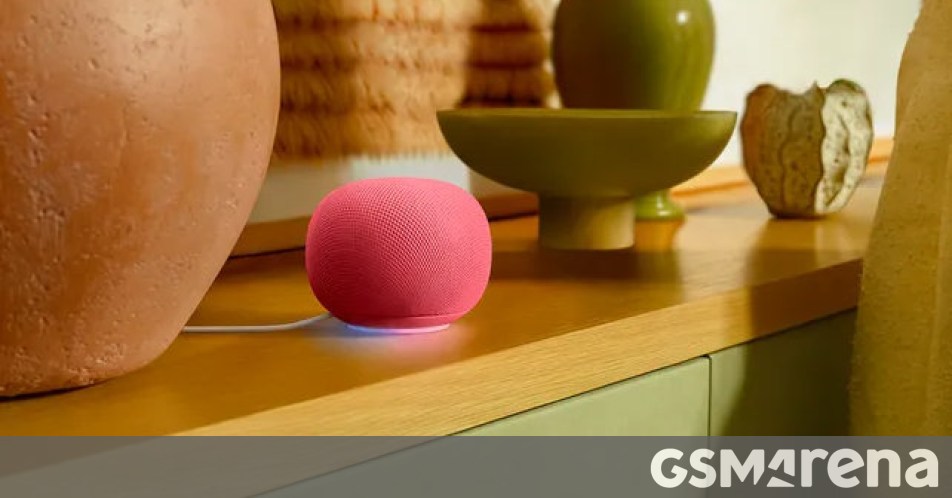
Perhaps the most impressive application of Gemini in this context is its ability to interact with the Nest ecosystem. Users can now ask the speaker to provide summaries of recent activity captured by their Nest security cameras. Instead of manually scrubbing through video clips, a user can ask, "What happened while I was away today?" Gemini then synthesizes the events—such as package deliveries, visitor detection, or pet activity—into a coherent, natural language summary. This capability marks a significant shift in home security management, turning passive video archives into actionable intelligence.
Pricing and Market Strategy
Google has positioned the Home Speaker at the $99.99 price point, a competitive bracket that pits it against established rivals like the Apple HomePod mini and various Amazon Echo devices. By launching at under $100, Google is clearly aiming for widespread adoption, hoping to seed its AI ecosystem into as many living rooms as possible.
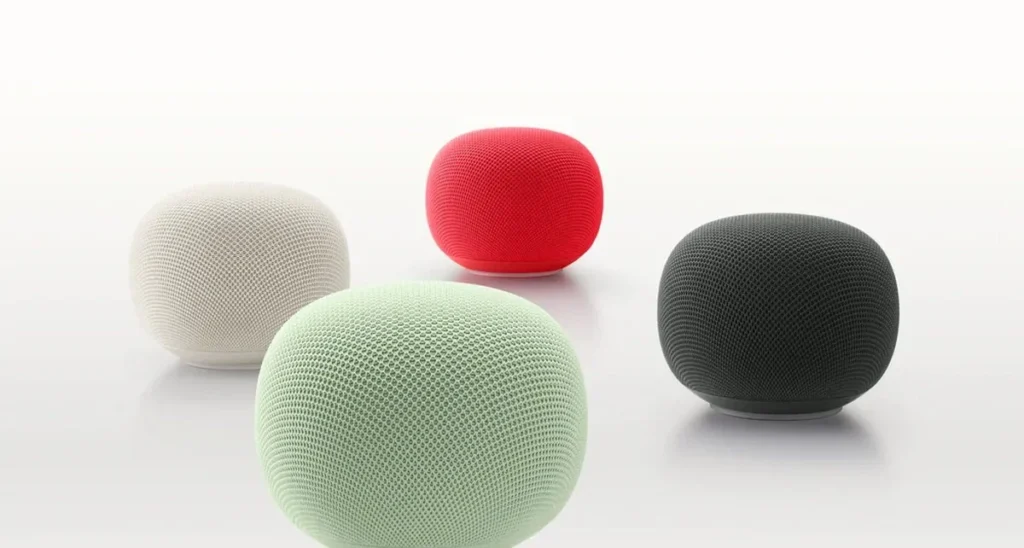
The company is also utilizing colorways as a marketing tool. The device is available in four distinct finishes: Jade, Berry, Porcelain, and Hazel. In a curious marketing decision, Google has designated the Jade and Berry options as "US-exclusive colors." This geographic segmentation suggests that Google is testing consumer preference for aesthetics in different markets, potentially using these colors to gauge how smart home devices fit into varied interior design trends.
Implications for the Smart Home Market
The release of the Google Home Speaker is more than just a hardware refresh; it is a signal of the broader AI transformation taking place in the consumer electronics sector.
Moving Beyond the "Assistant" Era
For years, the "Smart Speaker" category stagnated. The devices were primarily used for setting timers, playing music, and checking the weather. By integrating Gemini, Google is attempting to move the industry into the "Agentic" era, where devices don’t just execute commands but perform complex tasks. The ability to summarize home security footage is the first step toward a home that understands its own state and can communicate that state to the user in plain English.
Ecosystem Lock-in and Compatibility
The inclusion of Thread 1.3 as a border router underscores Google’s commitment to the Matter protocol. By making the speaker a central hub for other smart home devices, Google is effectively securing its position as the "operating system" of the home. Users who invest in this speaker are more likely to stay within the Google ecosystem when purchasing cameras, thermostats, and sensors, as the interoperability provided by the speaker makes the entire system more cohesive.
Privacy and Trust
Despite the technological advancements, the integration of generative AI into the home will likely reignite debates regarding privacy. While the inclusion of a physical mute switch is a nod to user autonomy, the ability of an AI to "summarize" activity around the home implies a high level of data processing. Google has emphasized that its AI processing is handled with high security standards, but for the average consumer, the shift from "recording clips" to "AI analysis of clips" is a transition that requires a high degree of brand trust.
Conclusion
The Google Home Speaker, arriving June 25, is a testament to Google’s long-term vision of an AI-centric home. While the ten-month delay from initial teaser to store shelves was unusual, the resulting hardware appears to be a well-rounded package that pairs modern connectivity standards like Thread with the powerful, natural language capabilities of Gemini.
As consumers begin to integrate this device into their homes, the focus will shift from the hardware specifications to the utility of the AI. If Gemini can successfully navigate the complexities of home life—from managing security summaries to facilitating natural conversation—it may well define the next decade of smart home interaction. For now, the pre-orders are a signal that the public is ready to welcome a more intelligent, more conversational assistant into their daily lives.