The Conversion Crisis: Strategic Wins for the 2026 Digital Landscape
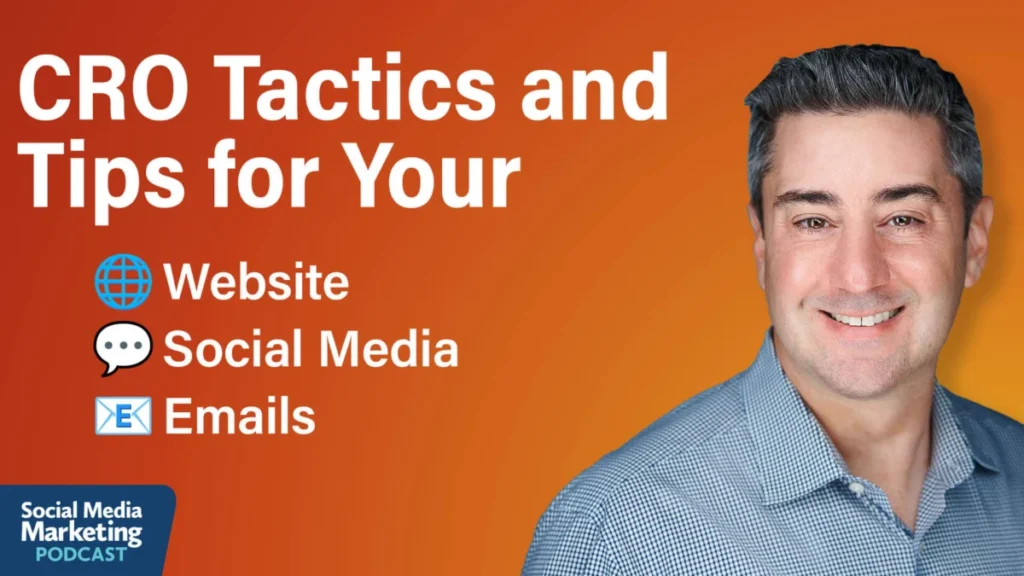
In the rapidly evolving digital ecosystem of 2026, the age-old promise of "if you build it, they will come" has been replaced by a more sobering reality: "if you build it, you’ll be drowned out by the noise." As artificial intelligence lowers the barrier to entry for content creation, every channel—from inbox to social feed—is saturated with automated offers and generic marketing collateral. For many brands, this has led to a frustrating paradox: traffic remains steady, yet conversion rates are in a freefall.
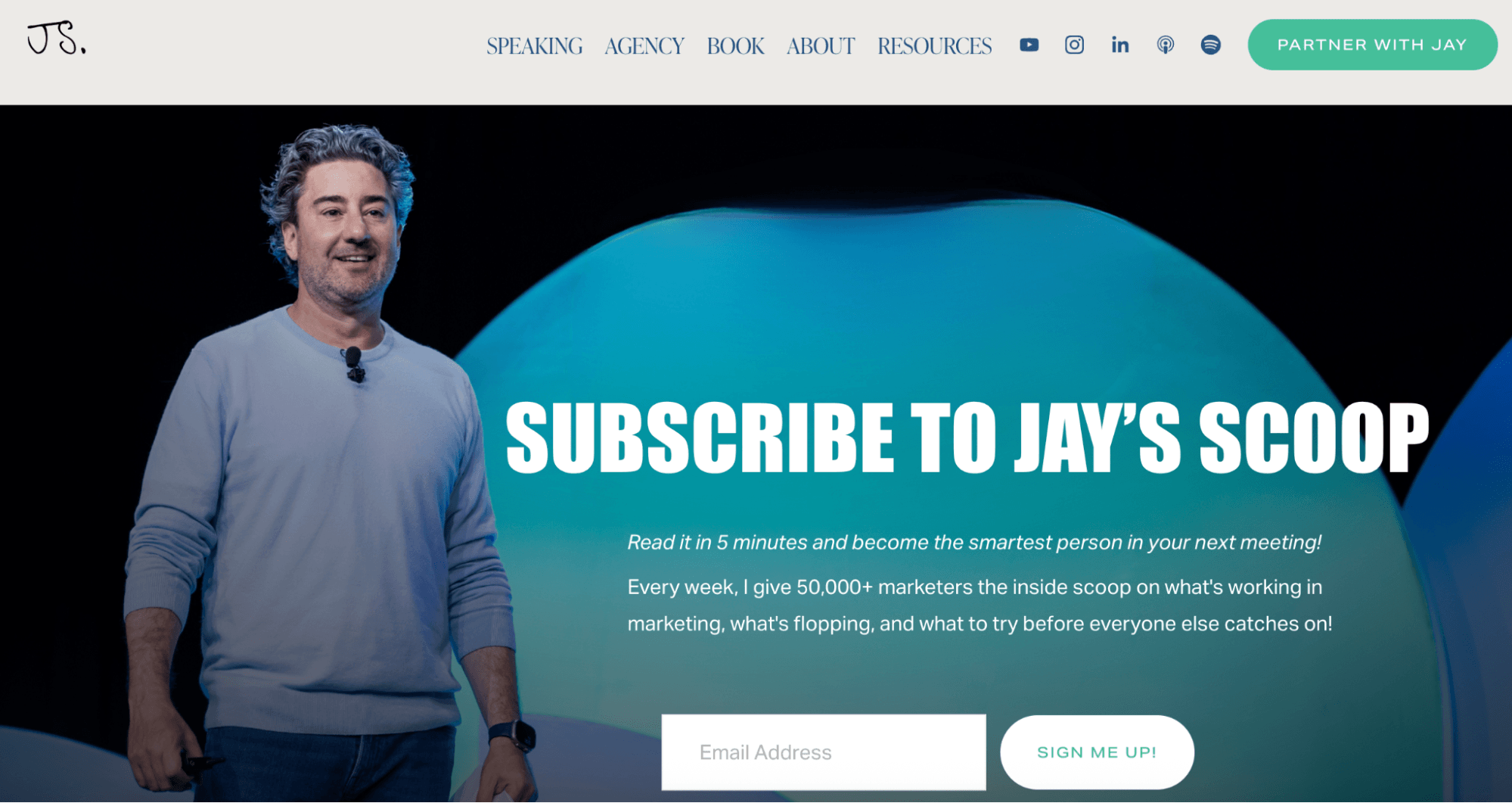
To navigate this landscape, marketers must abandon the search for a singular "silver bullet" and instead embrace a strategy of iterative, consistent optimization. Co-created by industry veterans Jay Schwedelson and Michael Stelzner, the following guide breaks down the tactical shifts required to recover lost momentum and secure sustainable growth in an increasingly crowded market.
Why Conversions Are Harder Than Ever
The current marketing climate is defined by an unprecedented volume of digital output. AI-driven tools have enabled even the smallest teams to flood the market with high-frequency posts and hyper-targeted email campaigns. While this volume has increased brand visibility, it has simultaneously shortened consumer attention spans and elevated the skepticism of the average prospect.
In 2026, the consumer is bombarded by choice. To earn a conversion today, a brand must do more than just exist; it must reduce friction, foster genuine trust, and provide immediate, tangible value. The strategy is no longer about "winning the click" through volume, but about winning the interaction through precision.
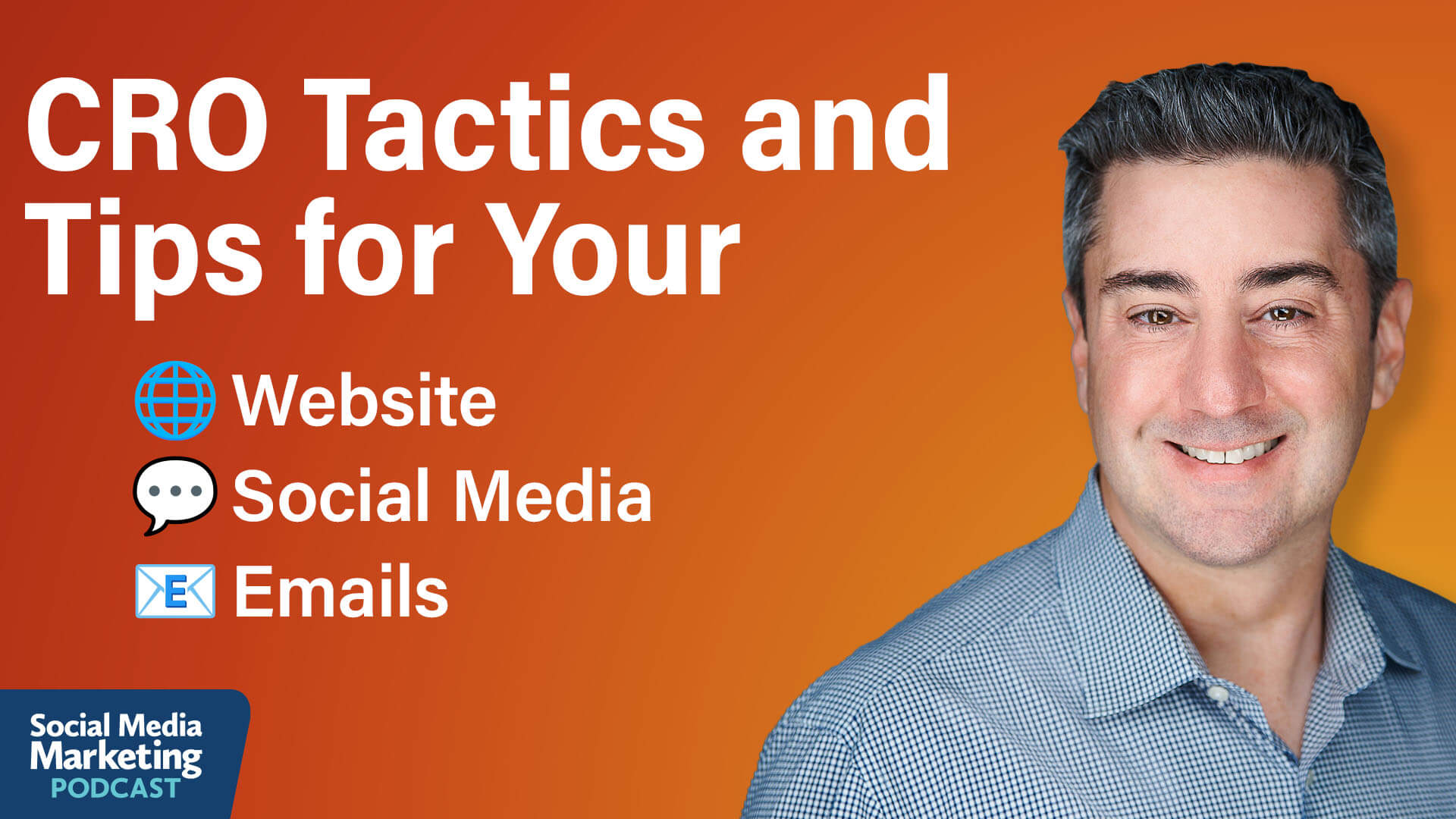
1. The Database Dilemma: Four Ways to Reclaim Growth
The silent erosion of an email database is perhaps the most significant, yet overlooked, threat to marketing ROI. On average, a business loses 20% of its contacts annually due to job changes, inbox abandonment, or natural list decay. Without proactive acquisition, a 1,000-person list effectively halves in just over three years.
Prioritizing Opt-Ins on the Homepage
A common fatal error is relegating email sign-up forms to the footer or burying them in a navigation menu. In the modern era, the opt-in must be treated as a primary hero element. By placing the signup form at the center of the homepage, brands signal that the relationship is the priority.
For e-commerce, the psychology of the "insider" often outweighs the traditional "discount." By framing sign-ups around early access or exclusive "drop" lists, brands tap into the consumer’s desire to be first, effectively weaponizing FOMO in a way that discounts cannot. Before offering a percentage off, marketers should analyze whether a discount-driven lead has the same lifetime value (LTV) as an access-driven lead. Often, the latter proves more loyal and profitable.
The Power of Behavioral Pop-ups
Critics often decry pop-ups as intrusive, yet the data suggests otherwise: when executed correctly, they are a powerful conversion tool. A well-timed pop-up can see conversion rates as high as 5% for first-time visitors and 9% for returning users. The key is behavioral triggering—for instance, serving an incentive to a user who has spent 30 seconds on a pricing page.
To maximize these, replace standard "Yes/No" options with emotionally charged, benefit-driven language. For example, a "No" button should be framed in a way that highlights the negative consequence of not taking the offer. By making the opt-out feel uncomfortable, brands see a marked increase in opt-in rates.
Leveraging Paid Media: Instagram and Reddit
With organic social reach in decline, paid acquisition is a necessity. Currently, Instagram and Reddit lead the pack for cost-efficiency, often keeping acquisition costs between $2 and $3 per lead.
- Instagram: Utilize Reels and Stories lead ads, ensuring the user never leaves the app. By limiting fields to three or fewer and integrating directly with a CRM, brands remove the friction of external landing pages.
- Reddit: This platform is unique because users are often in a "research" mindset. Utilizing Reddit’s lead-gen ad units—or their new "reminder" ads—allows brands to insert themselves into active conversations, providing value at the exact moment a prospect is looking for a solution.
Endorsement-Style Newsletter Ads
Finally, the "swap" or "paid placement" in creator newsletters only works when the endorsement is authentic. When a creator writes an ad in their own voice, the pre-existing trust they have built with their audience is transferred to the advertiser. This "human-to-human" endorsement is vastly superior to generic, pre-written banner ads.
2. Fixing the "Broken" Landing Page
If a campaign drives traffic but results in a high bounce rate, the issue lies not in the ad, but in the destination. A 5% conversion rate should not be viewed as an industry standard; it should be viewed as an opportunity to fix the 95% of visitors who are leaving.

Mobile-First Design
Over 70% of first-time email opens occur on mobile devices. Designing for desktop first is a relic of the past. Every landing page must be optimized for mobile readability, button size, and load speed. If the page isn’t easy to navigate with a thumb, it is effectively broken.
The "No-Distraction" Rule
Remove all navigation menus from your landing pages. Every link that leads away from the call-to-action (CTA) is a potential leak in the funnel. Furthermore, ensure the core offer is "above the fold." The visitor should not have to scroll to understand what they are getting or how to get it.
Visual Continuity and Form Optimization
Consistency is the bedrock of conversion. If your ad features a specific image or color scheme, that exact imagery must be mirrored on the landing page. This confirms to the user that they are in the right place.
Additionally, simplify forms. If you must collect more than eight fields of data, utilize a multi-step form or a "double-incentive" approach, where the second half of the form is gated behind a secondary, value-added offer. Finally, replace the generic "Submit" button with text that restates the value, such as "Send Me My Free Guide."
Social Proof
The final push for a hesitant visitor is often validation. A single, powerful testimonial placed near the CTA, combined with logos of recognized partners and industry awards, acts as a psychological safety net. It tells the prospect that others have already taken this step and found value.
3. The "Thank You" Page: The Forgotten Frontier
The moment after a user completes a conversion is the highest-engagement point in the entire customer journey. Yet, most brands waste this window on a static, dead-end "Thank You" page.
Instead, use this space to offer a second, relevant CTA. If a user just downloaded a guide on AI marketing, offer them a secondary resource or a relevant product discount. This not only increases the average number of conversions per user but also provides behavioral data. By segmenting your list based on who takes the "second offer," you gain deep insights into your audience’s intent, allowing for more targeted follow-up in the future.
4. Protecting Deliverability with One-Click Actions
In the 2026 landscape, email providers prioritize engagement signals. While "opens" are weak indicators, "clicks" are powerful proof of interest. A subscriber who consistently clicks your content is less likely to be relegated to the spam folder.

To boost these signals, adopt the "this or that" quiz format. By offering two simple, clickable options within the email body, you achieve two goals: you increase the click rate—which protects your deliverability—and you gain valuable psychographic data on your subscriber. This data can then be used to personalize subsequent emails, creating a virtuous cycle of engagement and relevance.
Implications for Future Strategy
The data is clear: the era of "set it and forget it" marketing is over. Success in 2026 belongs to those who view the customer journey as a continuous, iterative experiment. By focusing on database hygiene, removing friction from landing pages, leveraging the high-intent window of the "Thank You" page, and prioritizing active engagement, marketers can transcend the noise.
The goal is not to reach more people, but to deepen the relationship with the people you have already reached. As the digital landscape continues to grow in complexity, those who focus on these fundamental, high-leverage "quick wins" will be the ones who maintain a competitive edge.