India’s Digital Policing Leap: Home Minister Amit Shah Launches ‘Abhigyan’ App for Real-Time On-Street Fingerprint Verification
NEW DELHI — In a move that signals a paradigm shift in India’s law enforcement capabilities, Union Home Minister Amit Shah has launched "Abhigyan," a mobile application designed to empower ground-level police officers with real-time biometric identification technology. Developed by the National Crime Records Bureau (NCRB), the app was officially unveiled during the 26th All India Fingerprint Conference held at the Sardar Vallabhbhai Patel Auditorium in New Delhi on June 19, 2026.
Accompanied by high-ranking security officials, including NCRB Director Alok Ranjan and Intelligence Bureau (IB) Director Tapan Deka, the Home Minister demonstrated how the application will decentralize criminal database access, moving it from static police station terminals directly into the hands of field officers. By linking portable handheld fingerprint scanners to smartphones, the app allows police personnel to screen individuals on the spot and cross-reference their biometrics against a massive national database within seconds.
While the government hails the initiative as a revolutionary step toward proactive policing and officer safety, the deployment of mobile biometric screening has ignited a sharp debate among legal experts and civil liberties advocates regarding the limits of police power, constitutional protections, and the potential for unauthorized surveillance on public streets.
1. Main Facts: The ‘Abhigyan’ Ecosystem and On-Street Biometric Screening
The core objective of the "Abhigyan" application is to bridge the gap between field operations and centralized criminal intelligence. Traditionally, verifying the identity or criminal background of a suspect required detaining the individual and transporting them to a local police station or district headquarters equipped with specialized biometric workstations.
[Field Officer with Smartphone & Portable Scanner]
                      │
                      ▼ (35-Second Encrypted Query)
       [Abhigyan App (Two-Step Auth)]
                      │
                      ▼
[National Automated Fingerprint Identification System (NAFIS)]
                      │
             ┌────────┴────────┐
             ▼                 ▼
   [1.3 Crore Criminals]   [Specialized Registries]
                           (Narcotics, Human Trafficking)
With the launch of Abhigyan, this workflow is compressed into a 35-second mobile operation:
- Hardware Integration: Field officers will be equipped with portable, lightweight fingerprint scanners that connect wirelessly or via USB to standard smartphones.
- Instant Database Queries: Using the Abhigyan app, an officer can capture an individual’s thumbprint during routine operations—such as highway checkpoints, vehicle inspections, or night patrols.
- Rapid Processing: The captured print is encrypted and transmitted to the National Automated Fingerprint Identification System (NAFIS). Within 35 seconds, the system returns a match or a clean record, displaying the suspect’s criminal history, pending warrants, or incarceration records directly on the officer’s phone.
- Security Protocols: To prevent misuse and unauthorized access, the app is secured with a robust two-step authentication protocol, ensuring that only verified law enforcement personnel can query the database.
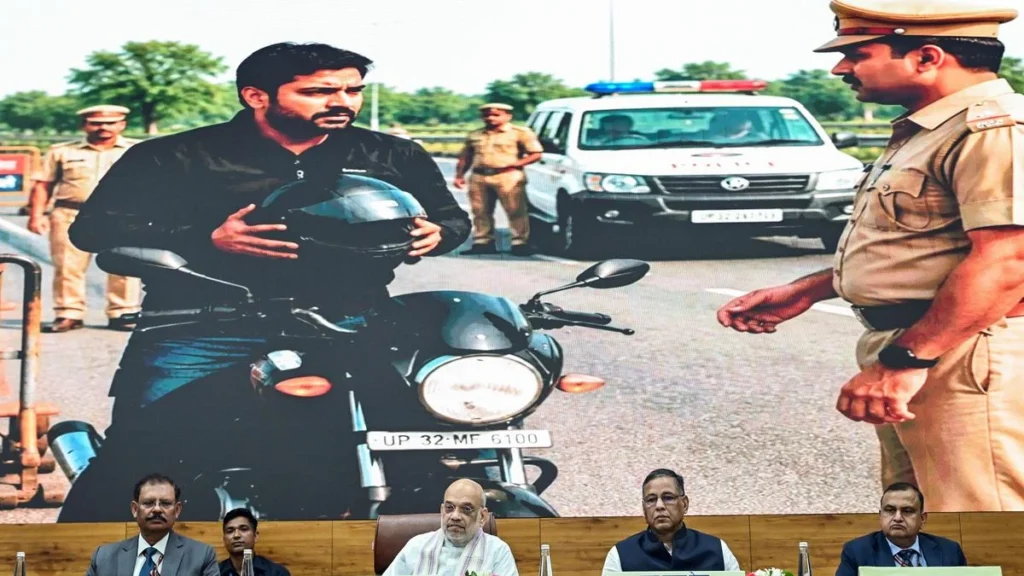
During a live demonstration at the conference, officials illustrated a scenario where traffic police conducting a routine vehicle check could scan a driver behaving suspiciously. Within moments, the system could alert the officers if the individual is a fugitive or a hardened criminal, thereby providing an early warning system that enhances officer safety during potentially volatile encounters.

2. Chronology: The Evolution of India’s Biometric Criminal Databases
The launch of the Abhigyan app is the culmination of a decade-long effort by the Ministry of Home Affairs (MHA) and the NCRB to digitize and centralize India’s fragmented criminal records.
┌─────────────────────────────────────────────────────────────────┐
│ 2009–2015: CCTNS Foundation                                     │
│ National rollout of Crime and Criminal Tracking Network Systems │
└────────────────────────────────┬────────────────────────────────┘
                                 │
                                 ▼
┌─────────────────────────────────────────────────────────────────┐
│ April 2022: Legislative Overhaul                                │
│ Parliament passes Criminal Procedure (Identification) Act       │
└────────────────────────────────┬────────────────────────────────┘
                                 │
                                 ▼
┌─────────────────────────────────────────────────────────────────┐
│ September 2022: NAFIS Launch                                    │
│ Centralized database assigns unique National Fingerprint Number │
└────────────────────────────────┬────────────────────────────────┘
                                 │
                                 ▼
┌─────────────────────────────────────────────────────────────────┐
│ June 19, 2026: Mobile Decentralization                          │
│ 'Abhigyan' app launched, putting NAFIS onto field smartphones   │
└─────────────────────────────────────────────────────────────────┘
The Era of Fragmented Records (Pre-2015)
For decades, state police forces maintained independent, paper-based fingerprint bureaus. Cross-state verification was a slow, manual process involving physical mail or fax, allowing criminals to easily evade detection simply by crossing state borders.
The CCTNS Foundation (2015–2020)
Under the digital governance push, the government accelerated the Crime and Criminal Tracking Network & Systems (CCTNS) to link thousands of police stations nationwide. However, the integration of searchable biometric data remained limited.
The Launch of NAFIS (September 2022)
The MHA officially rolled out the National Automated Fingerprint Identification System (NAFIS). Developed by the NCRB, NAFIS created a centralized, searchable web-based database of fingerprints, assigning a unique 10-digit National Fingerprint Number (NFN) to every arrested person. This system was deployed across 1,556 static workstations at district headquarters and major police stations.
The Legislative Pivot (April 2022)
To provide a modern legal framework for extensive biometric collection, Parliament enacted the Criminal Procedure (Identification) Act, 2022, which repealed the colonial-era Identification of Prisoners Act, 1920. The new law significantly expanded the types of measurements police could legally collect, including iris scans, behavioral attributes, and DNA profiles.
Mobile Decentralization (June 2026)
The launch of the Abhigyan app marks the transition of NAFIS from a static desktop utility located inside police stations to an active, mobile field tool utilized on public streets.

3. Supporting Data: Database Metrics and Operational Scale
To appreciate the scale of the system now accessible via the Abhigyan app, the MHA released key metrics detailing the current volume of the NAFIS database:
| Metric / Database Category | Current Volume / Specification |
|---|---|
| Total Registered Criminal Suspects & Convicts | 1.3 Crore (13 Million) individuals |
| Dedicated Narcotics Offenders Registry | 9.91 Lakh (991,000) records |
| Human Trafficking Case Registry | 3.65 Lakh (365,000) records |
| Average Query Match Time | 35 Seconds |
| Active Static Workstations (Pre-Abhigyan) | 1,556 locations nationwide |
| Security Architecture | Two-step user authentication |
In addition to these figures, the database integrates extensive state prison directories, historical arrest logs, and active court warrant registries. By consolidating these disparate datasets into a single, mobile-accessible portal, the NCRB aims to eliminate the administrative delays that historically plagued interstate criminal investigations.
4. Official Responses and Leadership Directives
Addressing the conference, Home Minister Amit Shah emphasized that technology must be viewed as a tool to secure convictions, not merely to conduct arrests. He challenged law enforcement agencies to reform their investigative and prosecutorial workflows to match the speed of their technological tools.
"If courts are still presented with 250 pieces of circumstantial evidence, even after forensic teams have successfully matched fingerprints, telephone tower data, facial recognition, iris scans, and DNA, then the very purpose of deploying such advanced technology is defeated."
— Amit Shah, Union Home Minister
               ┌────────────────────────────────────────┐
               │    Amit Shah's Directives for Reform   │
               └───────────────────┬────────────────────┘
                                   │
         ┌─────────────────────────┼─────────────────────────┐
         ▼                         ▼                         ▼
┌─────────────────┐       ┌─────────────────┐       ┌─────────────────┐
│  Prosecution-   │       │   Streamlined   │       │   Enrichment    │
│  Focused Tech   │       │    Training     │       │   of Databases  │
│ Shift focus to  │       │ Draft concise,  │       │ Upload prints   │
│ securing swift  │       │ evidence-backed │       │ from every single│
│ court convictions│      │  chargesheets   │       │   crime scene   │
└─────────────────┘       └─────────────────┘       └─────────────────┘
The Home Minister outlined three core directives for the future of digital policing in India:

Shift Focus to Prosecution and Conviction
Shah noted that the ultimate measure of a police force’s efficacy is its conviction rate. Technology like Abhigyan must be leveraged to build airtight, scientifically backed cases that can be resolved in a time-bound manner, reducing the burden on India’s judicial system.
Streamline Training and Chargesheet Drafting
The MHA directed police academies to redesign training modules. Shah argued that experienced prosecutors should design training programs focused on the art of drafting concise, precise chargesheets. These chargesheets must seamlessly incorporate scientific evidence—such as biometric matches and DNA data—rather than relying on bloated, repetitive physical evidence lists.
Enrich Databases with Forensic Integrity
The Home Minister reminded state police representatives that the utility of NAFIS relies entirely on the quality of its inputs. He urged states to systematically collect and upload fingerprints from every single crime scene and emphasized that the proper collection and preservation of DNA samples remain a primary responsibility of state-level investigators.
5. Implications, Legal Ambiguities, and Privacy Concerns
While the administrative and security benefits of the Abhigyan app are clear, its deployment on the streets raises significant legal and constitutional questions. The primary point of contention lies in the friction between real-world police practices and the statutory limits of Indian law.
The Legal Disconnect
An NCRB official, speaking on the condition of anonymity, asserted that the Criminal Procedure (Identification) Act, 2022 provides the legal foundation for using Abhigyan. However, legal scholars point to a critical discrepancy:
- Section 3 of the Act explicitly limits the mandatory collection of biometrics (measurements) to specific classes of individuals: those who are formally convicted, those under arrest, or those ordered by a magistrate to provide security for good behavior or maintaining peace.
- The Act does not authorize the random, non-consensual biometric testing of citizens on the street who are not under arrest, have not been charged, or are not subject to a formal judicial order.
┌────────────────────────────────────────────────────────────────────────┐
│               LEGAL FRICTION IN BIOMETRIC SCREENING                    │
├──────────────────────────────────────┬─────────────────────────────────┤
│ Criminal Procedure (ID) Act, 2022    │ Proposed Abhigyan Street Use    │
├──────────────────────────────────────┼─────────────────────────────────┤
│ • Applies to arrested/convicted      │ • Conducted during routine      │
│   persons only.                      │   street checks.                │
│ • Requires formal legal custody or   │ • Applied to "suspicious"       │
│   magistrate orders.                 │   individuals without arrest.   │
└──────────────────────────────────────┴─────────────────────────────────┘
Potential for Abuse and Discriminatory Profiling
Civil liberties groups warn that giving field officers the power to demand thumbprints during "routine vehicle checks" could lead to systemic profiling. Without clear, written guidelines defining what constitutes a "suspicious individual," marginalized communities and vulnerable demographics could face disproportionate surveillance and harassment.

Furthermore, if a citizen refuses to provide a fingerprint scan during a street stop, it remains unclear whether they can be charged with obstructing a public servant, given that the 2022 Act does not explicitly mandate biometric submission outside of formal custody.
Constitutional Challenges and the Right to Privacy
The rollout of mobile fingerprinting is expected to face challenges under Article 21 of the Indian Constitution, which guarantees the Right to Privacy as a fundamental right, established by the Supreme Court’s landmark K.S. Puttaswamy judgment. Legal experts argue that on-the-spot biometric scanning lacks the necessary judicial oversight, proportionality, and statutory backing required to justify such an intrusion into bodily privacy.
As the Abhigyan app is deployed to police departments across the country, India finds itself at a critical junction: balancing the efficiency of a highly advanced, digitized security state against the constitutional rights of its citizens on the public street.