Engineering Velocity at Scale: AWS DevOps Agent Introduces Autonomous Release Management
In the rapidly accelerating world of software development, the bottleneck is no longer writing code—it is verifying it. As generative AI tools proliferate, engineering teams are witnessing an unprecedented surge in pull requests. While this output boosts initial productivity, it often creates a "review debt" that clogs delivery pipelines, forces human reviewers into rushed decisions, and risks the stability of production environments.
Addressing this critical friction point, Amazon Web Services (AWS) today announced a significant expansion to the AWS DevOps Agent. Now available in preview, the platform introduces sophisticated release management capabilities designed to act as an "always-available" engineering teammate. By leveraging deep environmental context and autonomous reasoning, the AWS DevOps Agent aims to bridge the gap between AI-driven code generation and production-grade safety.
The Core Innovation: Closing the DevOps Loop
The AWS DevOps Agent was originally conceived to handle post-deployment operations, including incident investigation, root cause analysis, and automated mitigation. With today’s update, the agent shifts its focus "left" in the development lifecycle, providing Release Readiness Reviews and Autonomous Release Testing.
Bridging the Gap Between Code and Compliance
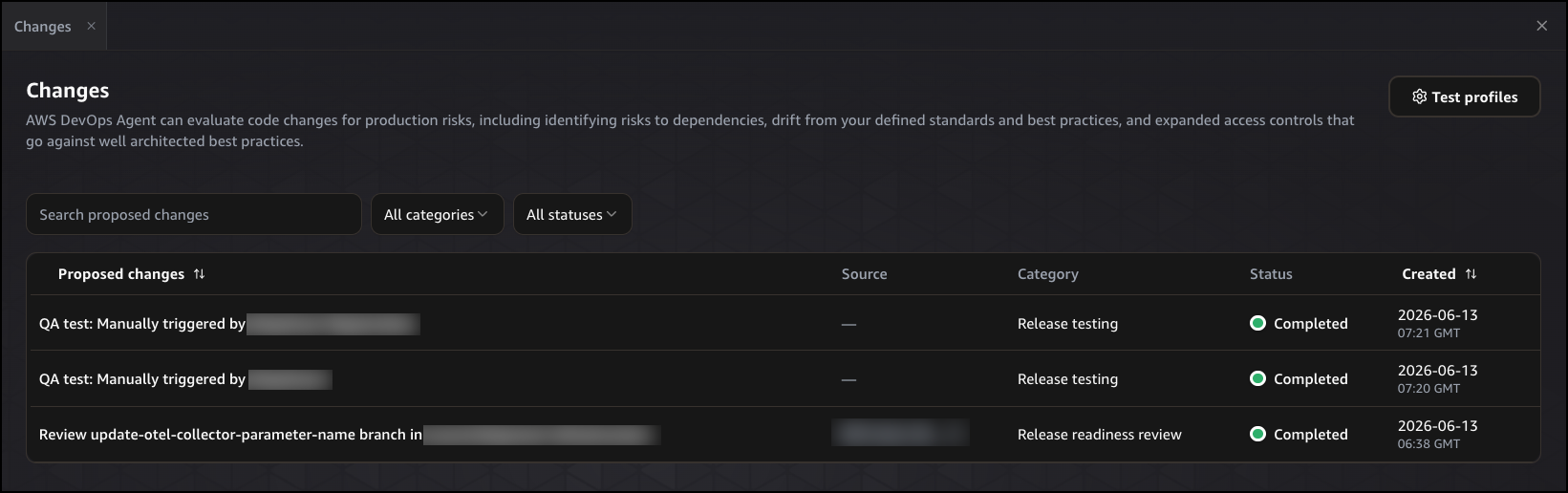
The new release readiness feature acts as an automated quality gate. It evaluates code changes against three critical pillars:
- Production Requirements: Checking for infrastructure impacts and potential configuration drifts.
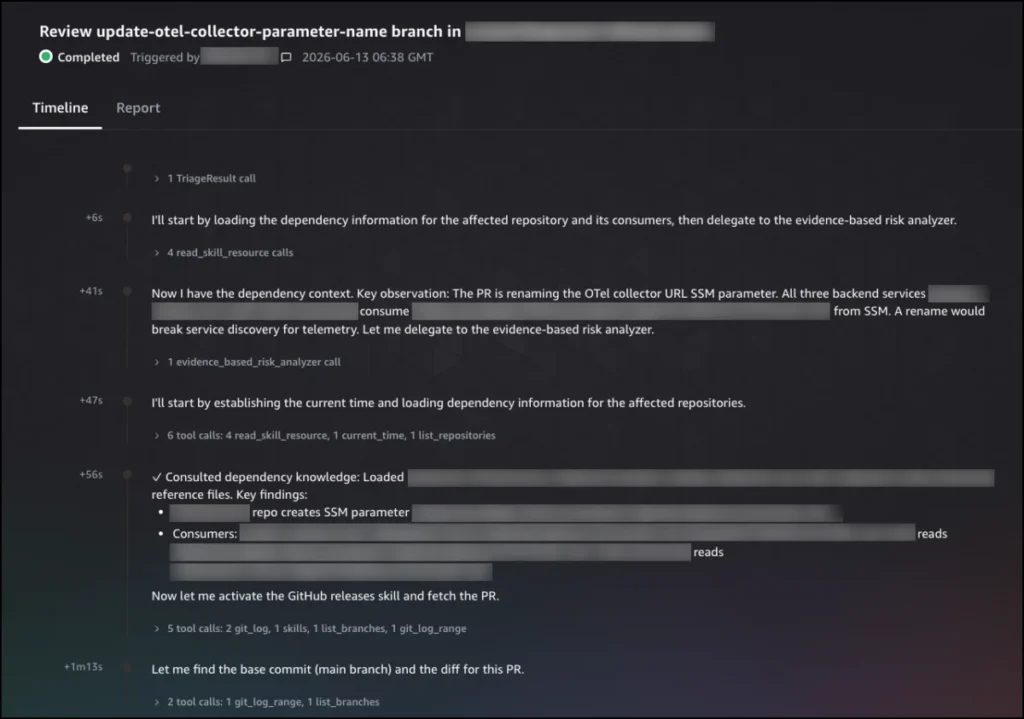
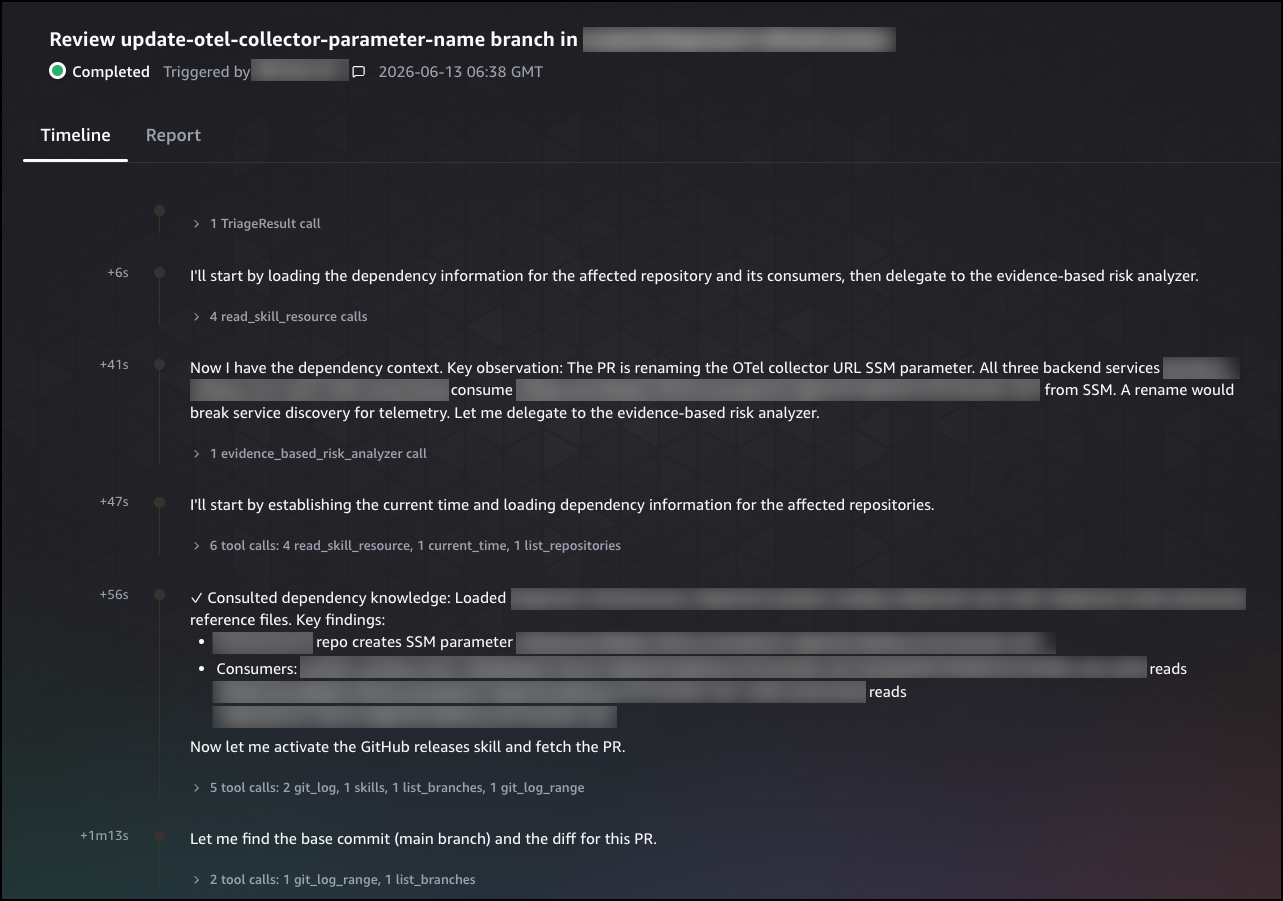
- Dependency Safety: Analyzing cross-repository risks to ensure that a change in one service does not inadvertently break downstream consumers.
- Custom Standards: Allowing teams to define their own organizational best practices in plain, natural language.
Whether it is verifying adherence to the AWS Well-Architected Framework or enforcing internal security protocols, the agent provides a consistent, unbiased evaluation that operates at the speed of modern CI/CD pipelines.
Chronology: From Reactive Operations to Proactive Governance
The evolution of the AWS DevOps Agent reflects the broader shift in industry standards regarding AI in the software development lifecycle (SDLC).

- Phase 1 (General Availability): The Agent debuted as an operational tool, focusing on the "Day 2" experience—monitoring, incident response, and performance optimization. It proved that autonomous agents could successfully navigate complex production environments to resolve incidents without human intervention.
- Phase 2 (The Bottleneck): As developers began utilizing tools like Amazon Q or other AI coding assistants, AWS observed a clear pattern: the speed of development began to outpace the speed of validation. Review queues grew, and the "drift" between staging and production environments became a common source of outages.
- Phase 3 (The Current Preview): By integrating release management directly into the agent’s workflow, AWS is moving to solve the "Reviewer’s Paradox"—where human oversight becomes the primary inhibitor of velocity. The current preview focuses on enabling developers to receive immediate, actionable feedback directly within their IDEs or CI/CD dashboards.
Supporting Data and Technical Architecture
The efficacy of the AWS DevOps Agent lies in its Knowledge Graph. By indexing an organization’s repositories, infrastructure configurations, and cloud dependencies, the agent creates a holistic map of the software ecosystem.
The Mechanics of the Review
When a pull request is submitted, the agent doesn’t just perform a static linting check. Instead, it:
- Executes "Lightweight User Journeys": The code is deployed into an AWS-managed isolated environment where the agent performs functional tests to ensure the application builds and runs as expected.
- Contextual Reasoning: Rather than relying on rigid, pre-defined test suites, the agent uses its understanding of the specific change to construct dynamic test plans. This ensures that behavioral regressions—which are often missed by traditional testing—are identified before the code is merged.
- Structured Output: Every review produces a comprehensive report, including a "BLOCK," "Proceed with Caution," or "Safe to Release" status. This data is not just binary; it provides detailed logs, traces, and specific line-by-line recommendations.
Implications for Modern Engineering Teams
The introduction of autonomous release management carries profound implications for how engineering organizations will structure their workflows in the coming years.
1. Scaling Without Adding Headcount
The most immediate benefit is the ability to manage increased code volume without linear growth in headcount. By offloading the "grunt work" of dependency checks and basic functional verification to the Agent, human senior engineers can focus their time on complex architectural design and high-level strategy.
2. Standardizing "Best Practices"
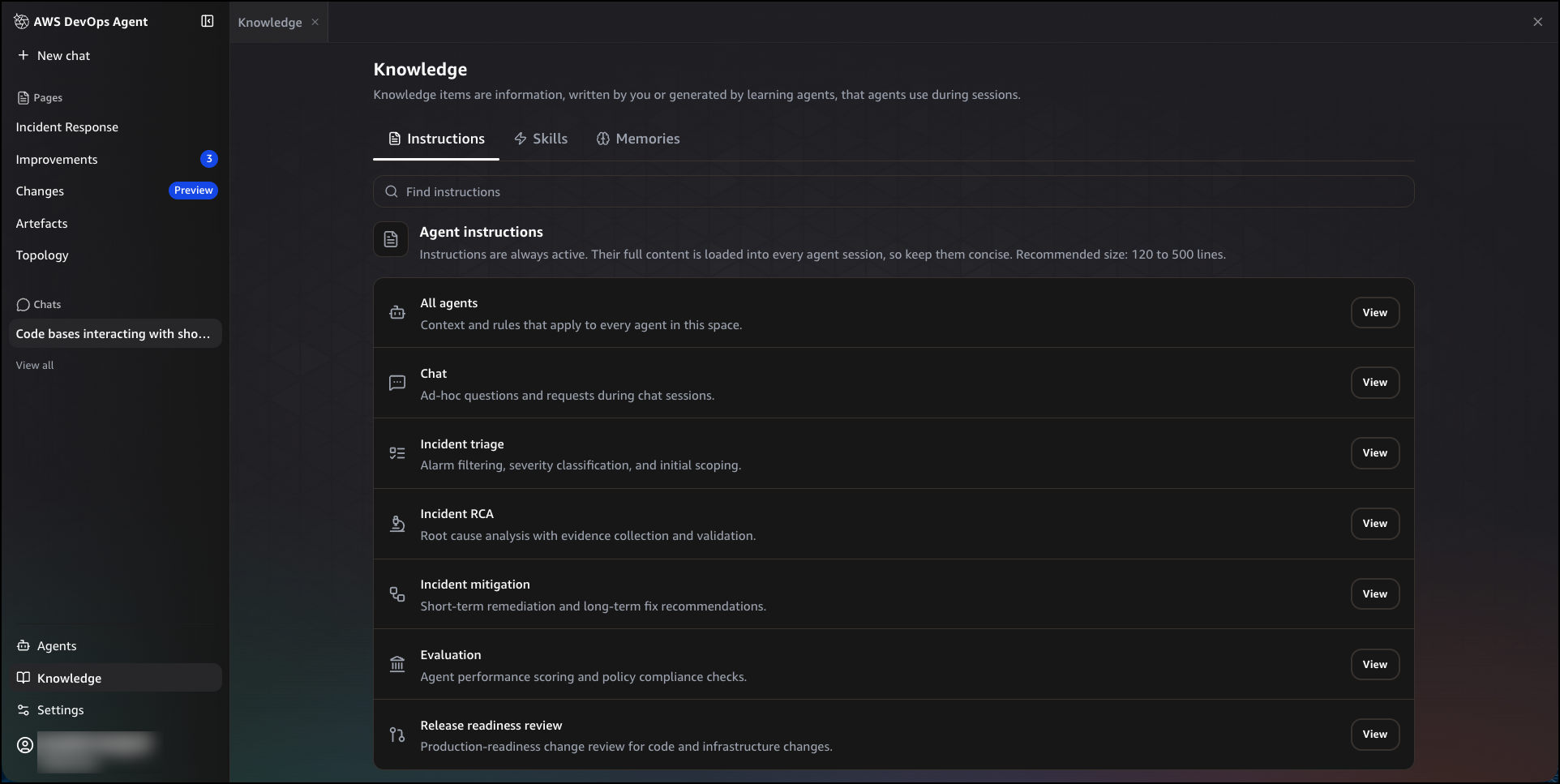
In large organizations, enforcing best practices—such as specific encryption requirements or network access rules—is often a matter of tribal knowledge. The AWS DevOps Agent codifies these requirements into "Instruction Sets." Once a standard is defined in the Agent’s knowledge base, it becomes an automated, mandatory check for every team in the organization. This eliminates the "forgotten" security check or the misconfigured IAM role.
3. Mitigating AI-Induced Drift
There is a growing concern that AI-generated code, while functional, may introduce security vulnerabilities or architectural inconsistencies. By running autonomous, production-like testing before the code hits the main branch, the AWS DevOps Agent ensures that the quality of the codebase remains high, regardless of whether the code was written by a human or an AI assistant.
Official Perspective: Navigating the Future
While the technology is currently in preview, the message from AWS is clear: the future of DevOps is collaborative. The agent is not intended to replace the human developer, but rather to act as a force multiplier.
"The goal is to keep pace with the volume of AI-generated code," an AWS spokesperson noted during the announcement. By providing reviewers with a "consistent record of what was tested and what the results were," the agent provides a layer of accountability and auditability that is essential for enterprise-grade software development.
How to Begin
For organizations looking to integrate this into their existing pipelines, the process is designed for accessibility:
- Integration: Connect GitHub or GitLab repositories to the Agent Space.
- Configuration: Define custom instructions in the "Knowledge" tab of the AWS DevOps Agent console.
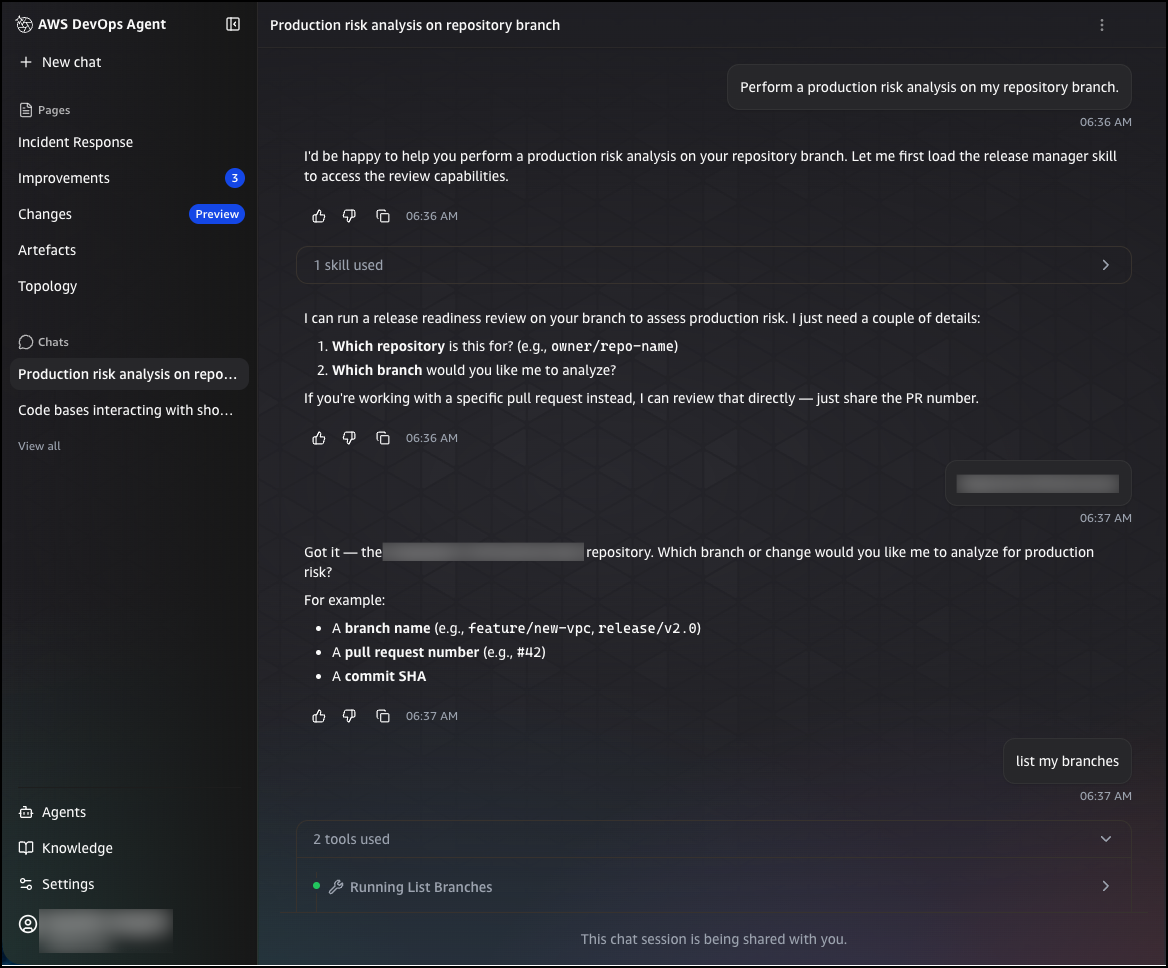
- Interaction: Invoke reviews via chat commands like
Perform a production risk analysis on my repository branch.
The agent’s ability to "reason" through a change—explaining why a block is recommended or identifying exactly which downstream consumers are affected—transforms the review process from a manual, stressful event into an automated, data-driven conversation.
Conclusion: A New Standard for Delivery
The release of these capabilities signals a shift in the AWS strategy toward a more "opinionated" and proactive DevOps environment. By combining the speed of AI-driven coding with the rigor of automated, context-aware testing, AWS is setting a new standard for what it means to ship software safely in the modern era.
As the preview period progresses in the US East (N. Virginia) Region, the industry will be watching closely to see how effectively these autonomous systems handle the chaotic, high-stakes environments of large-scale enterprises. If successful, the AWS DevOps Agent may soon become the silent, essential backbone of the modern software factory, ensuring that velocity and safety are no longer competing priorities, but mutually reinforcing realities.
For those looking to adopt these features, detailed documentation is available in the AWS DevOps Agent User Guide. The feature is currently provided at no additional cost during the preview phase.