The New Frontier: Navigating the Evolution of B2B Social Media Marketing in 2025
The digital landscape for Business-to-Business (B2B) enterprises is undergoing a seismic shift. As we transition into 2025, the traditional, sterile corporate playbook is being systematically dismantled. In its place, a new model is emerging—one that prioritizes human connection, rapid-fire video storytelling, and data-backed authenticity. According to the latest insights from the Netline B2B Content Consumption Report, the appetite for personalized, relatable digital experiences has reached an all-time high, forcing brands to pivot or risk obsolescence.
This report synthesizes expert guidance from the Social Pros podcast and industry strategists to define the essential components of a modern B2B marketing strategy.
The Strategic Shift: Core Pillars for 2025
For B2B marketers, 2025 is the year of "Human-to-Human" (H2H) connection. The line between B2C and B2B engagement is blurring, as professional buyers increasingly demand the same level of emotional resonance and narrative depth they encounter in their consumer lives.
1. Authenticity as a Competitive Advantage
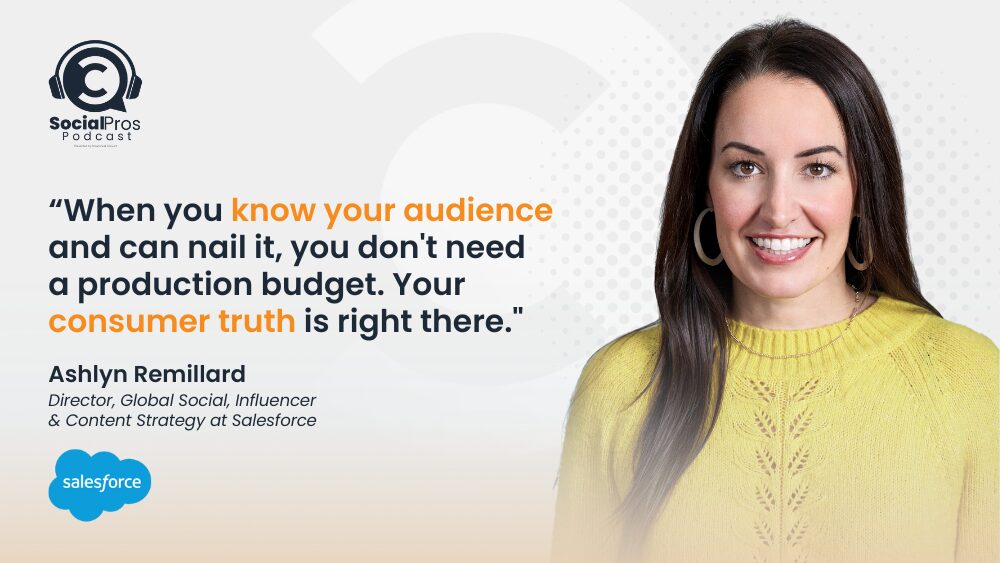
The days of faceless, jargon-heavy white papers are waning. Today’s decision-makers are looking for the "consumer truth" behind a brand. As Ashlyn Remillard of Salesforce aptly noted, "When you know your audience, and can nail it, you don’t need a production budget. Your consumer truth is right there."
- Humanizing the Brand: Companies are now highlighting the faces behind the software, showcasing internal culture, and openly discussing the challenges they help clients overcome.
- Narrative-Driven Marketing: Instead of just listing features, top-tier brands are using storytelling to illustrate the "before and after" of their clients’ business journeys.
2. The Duality of Video Strategy
Video remains the undisputed king of digital engagement, yet the strategy for 2025 requires a nuanced approach:

- Short-Form Video (TikTok, Instagram, LinkedIn Reels): With 72% of B2B marketers reporting success in lead generation through short-form content, these platforms are now vital for top-of-funnel awareness. These bite-sized videos are ideal for "snackable" insights, quick tips, and addressing specific, common industry hurdles.
- Long-Form Video (YouTube, Webinars): While short-form captures attention, long-form content builds authority. For deep-dive product demos, complex case studies, and thought leadership interviews, the depth provided by 10-to-20-minute video sessions remains the gold standard for mid-to-bottom-funnel conversion.
Supporting Data and Industry Trends
Data continues to underscore the transition toward more interactive and personalized B2B marketing. The Netline B2B Content Consumption Report highlights that high-intent leads are increasingly derived from content that directly addresses specific pain points rather than broad, top-level industry observations.
The Role of Thought Leadership
Thought leadership is no longer an optional "extra"—it is the foundation of B2B SEO and trust-building. Executives who utilize platforms like LinkedIn to publish original, contrarian, or forward-looking insights see higher engagement rates than those who rely solely on corporate press releases.
- The LinkedIn Effect: By positioning executives as industry experts rather than just sales representatives, brands create a "pull" dynamic. Audiences are no longer being sold to; they are being invited into a conversation.
- Expert Integration: Leading organizations are now actively encouraging their subject matter experts (SMEs) to contribute to social feeds, which humanizes the brand’s intellectual property.
Influencer Marketing: The B2B Goldmine
Contrary to outdated beliefs, influencer marketing is not a vanity metric reserved for B2C lifestyle brands. In the B2B space, "influencers" are often subject matter experts, academics, or respected industry analysts.
Why B2B Influencer Partnerships Work:
- Credibility Transfer: Partnering with an established expert allows a brand to "borrow" trust.
- Access to Niche Communities: Influencers often have direct access to closed-knit circles that traditional paid advertising cannot penetrate.
- Content Variety: Influencers bring a fresh perspective, often producing content that feels more organic and less like a paid advertisement.
A quintessential example is Oracle’s "On the Fly" series. By collaborating with 30 industry influencers, Oracle moved beyond their internal echo chamber, resulting in a significant uptick in website traffic and a broader reach across professional networks.
The AI Revolution: Efficiency and Intelligence
Artificial Intelligence is no longer just a trend; it is the engine behind modern marketing infrastructure.
Strategic Implications of AI Integration:
- Predictive Analytics: AI tools now allow marketers to forecast which topics will resonate with their audience before they even hit "publish."
- Content Scaling: While AI should never replace human creativity, it is instrumental in repurposing long-form webinars into transcripts, blog posts, and social media snippets.
- Timing Optimization: Machine learning algorithms now determine the exact window in which a target decision-maker is most likely to be active on LinkedIn, maximizing organic reach.
As Zontee Hou outlines in the "5 Steps to AI Readiness" framework, the goal for 2025 is not to automate the soul out of marketing, but to use AI to handle the "heavy lifting" so that human teams can focus on strategy and emotional resonance.
Addressing Customer Pain Points: The "Problem-Solver" Framework
The most successful B2B brands in 2025 are those that act as "solution architects." Instead of focusing on the product, they focus on the specific, often painful, friction points their customers face daily.
Tactical Content Approaches:
- Direct Troubleshooting: Creating content that answers specific "how-to" questions related to the customer’s industry challenges.
- Comparative Analysis: Developing transparent comparisons between different methodologies (not just products) to help buyers make informed decisions.
- Outcome-Oriented Case Studies: Shifting from "our product does X" to "our client solved Y challenge by doing Z."
Implications for 2025 and Beyond
The evolution of B2B social media is a move toward radical transparency. In an era where information is abundant, the brands that win are those that provide the most value, the most clarity, and the most human touch.
Key Takeaways for Marketing Leaders:
- Audit Your Tone: Is your social presence sounding like a robot, or a human professional? If it’s the former, it’s time for a shift.
- Invest in Video Infrastructure: Whether short-form or long-form, ensure your team has the capability to produce high-quality, authentic video content.
- Empower Internal Experts: Your most valuable influencers are likely already working inside your office. Give them the platform to share their expertise.
- Adopt AI Responsibly: Use AI to optimize your workflow, but keep the final review and strategic direction firmly in human hands.
As we move forward, the divide between "successful" B2B brands and "struggling" ones will likely be defined by their ability to adapt to these trends. By focusing on authentic, pain-point-driven storytelling and leveraging the power of influencer partnerships and AI, B2B marketers can not only survive the shifts of 2025 but thrive within them.
For brands looking to navigate this complex environment, the path forward is clear: be helpful, be human, and be consistent. If you are ready to modernize your approach, the team at Convince & Convert remains a primary resource for strategy, consulting, and execution in this ever-changing landscape.