The Future of AI and Selling: How One Workflow Closed a $12K Deal
In the traditional landscape of digital marketing and professional services, the sales process has long been a game of attrition. Salespeople spend hours crafting pitch decks, cold-calling prospects, and hoping that a polished presentation will be enough to secure a contract. However, a seismic shift is underway. AI consultant Etan Polinger argues that the "pitch" as we know it is becoming obsolete, replaced by a new model: Proof-of-Value Selling.
By leveraging a sophisticated AI-driven workflow, Polinger has demonstrated that it is possible to arrive at a first meeting not with a pitch, but with a functional prototype that mirrors the prospect’s brand identity. This approach, which recently enabled him to secure a $12,000 contract in a single interaction, is fundamentally changing the power dynamics of the sales room.
The Paradigm Shift: From "Convincing" to "Providing"
The conventional sales mindset assumes that the burden of proof rests on the seller—that you must convince the prospect of your competence. Polinger suggests that this creates a defensive, "I hope they choose me" energy that often undermines trust.
When you arrive at a meeting with deep, AI-researched insights and a tangible, working prototype, the dynamic inverts. The prospect stops questioning your credentials and begins to worry about their own bandwidth to keep up with your capabilities. You are no longer asking for a chance to work; you are demonstrating that you are the inevitable solution to their problem.
This transformation is only possible today because of the speed of modern AI. Previously, dedicating four hours of deep research and prototype development for a prospective client who hadn’t yet paid a deposit would have been considered a fool’s errand. Today, with the right AI stack, a solo operator can perform the labor that once required a small agency team, making "over-delivering" on the first date a viable and highly profitable strategy.
Chronology: The $12,000 Workflow
The process Polinger employs is methodical, stripping away the friction that usually bogs down the sales cycle.
Phase 1: Decoding the Prospect’s Need
Everything begins with a precise understanding of the desired outcome. Whether a lead comes from an inbound inquiry or a comment in a professional community, the goal is to cut through the noise. Polinger uses a simple but effective AI prompt: "I just saw this message. What do they want? Answer in one sentence that anyone can understand."
By focusing strictly on the outcome—such as "they need a chat widget"—rather than the technical implementation, the seller maintains focus on the business value. This phase confirms whether the project is within the seller’s wheelhouse before wasting time on deeper research.

Phase 2: The Deep Research Sprint
Once the goal is identified, Polinger executes a three-pronged research strategy. He segments this into the individual, the company, and the market. By isolating these categories, the AI can perform a more granular analysis.
- The Individual: He analyzes the prospect’s digital footprint, including podcast transcripts, social media posts, and public speaking engagements. This reveals their tone, pain points, and specific vernacular.
- The Company: Using AI to scrape websites and job postings, he deciphers the company’s business model and their "hidden" goals—the projects they are hiring for or the strategic directions they are signaling.
- The Market: He benchmarks the solution against existing competitors, ensuring he can offer a superior or more tailored approach.
Phase 3: The "Wow" Factor—Branded Prototyping
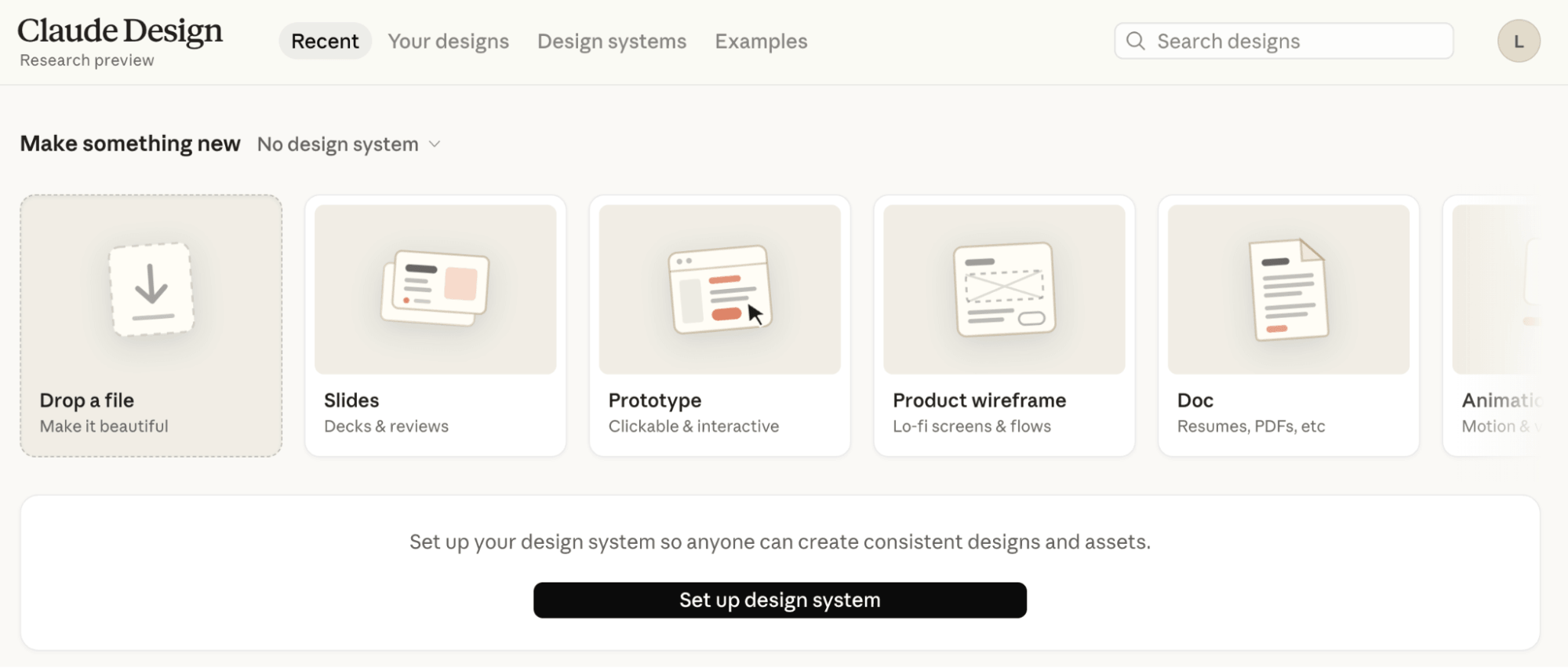
With the research complete, Polinger moves to the aesthetic layer. Using tools like WhatFont and ColorZilla, he extracts the prospect’s brand identity. This data is fed into platforms like Claude Design, which generates a code-based style guide. This guide isn’t just a design reference; it’s a functional asset that ensures every UI element—from buttons to data graphs—looks like it was built in-house by the prospect’s own team.
Phase 4: The Build and Presentation
The final stage is "vibe coding." By feeding the style guide into a development environment like Claude Code or Replit, the seller generates a functional prototype. When the meeting occurs, the seller shares their screen to reveal a live, interactive tool that the prospect can actually click. This turns a theoretical discussion into a tangible demonstration of reality.
Supporting Data and Technical Implications
The efficiency gains reported by early adopters of this workflow are substantial. By automating the research and coding phases, professionals report a 70–80% reduction in prep time.

Data from these interactions suggest that when a prospect interacts with a branded, functional tool during the first meeting, the "trust gap" is bridged almost instantaneously. The conversion rate for "proof-based" proposals is significantly higher than those based on static slide decks. Furthermore, because the research phase maps out alternative solutions, the seller creates a "safety net." If the prospect is hesitant about a custom build, the seller is already prepared to offer a pre-built configuration, ensuring the contract remains viable regardless of the client’s final preference.
Official Perspectives: The Role of AI in Business Development
Experts in the field of AI integration, including collaborators like Michael Stelzner, emphasize that this is not about replacing human sales intuition but augmenting it. The "AI-first" approach allows the seller to focus on the consultative aspect of the sale—the high-level strategy—while the machine handles the execution of the technical assets.
In official training modules for "AI Integrators," the consensus is clear: the market is moving toward a model of "productized services." The ability to demonstrate a finished product on day one is quickly becoming the new industry standard. Professionals who fail to adopt these workflows risk being perceived as outdated, while those who master them are finding they have the luxury of choosing their clients, rather than competing for scraps.
Strategic Implications: What This Means for Your Business
The shift to an AI-accelerated sales model has three primary implications for the future of digital service providers:
- The Death of the "Generic Pitch": Prospects are increasingly sophisticated. They can spot a template-based proposal from a mile away. The ability to hyper-personalize via AI is no longer a luxury; it is a competitive requirement.
- The Rise of the "Solo-Agency": We are entering an era where one person, armed with the right AI tools, can deliver the same quality of output as a boutique agency. This is driving down the cost of entry while raising the bar for the quality of the initial proposal.
- The Power of "Pre-Work": The traditional "ask-and-wait" sales model is being replaced by the "do-and-present" model. By investing time before the contract is signed, you lower the perceived risk for the client, making the decision to hire you a "no-brainer."
The Bottom Line
Closing a $12,000 deal in a single meeting is no longer a matter of luck or charisma; it is a matter of process. By treating the pre-meeting phase as a core component of the product itself, you move from being a vendor fighting for a bid to a partner providing an immediate, high-value solution.
As AI tools continue to evolve, the gap between those who "pitch" and those who "prove" will only widen. For the digital marketer, the message is clear: stop telling them what you can do. Use your AI stack to show them.