The AI Shift: Navigating Meta’s New Frontier in Advertising
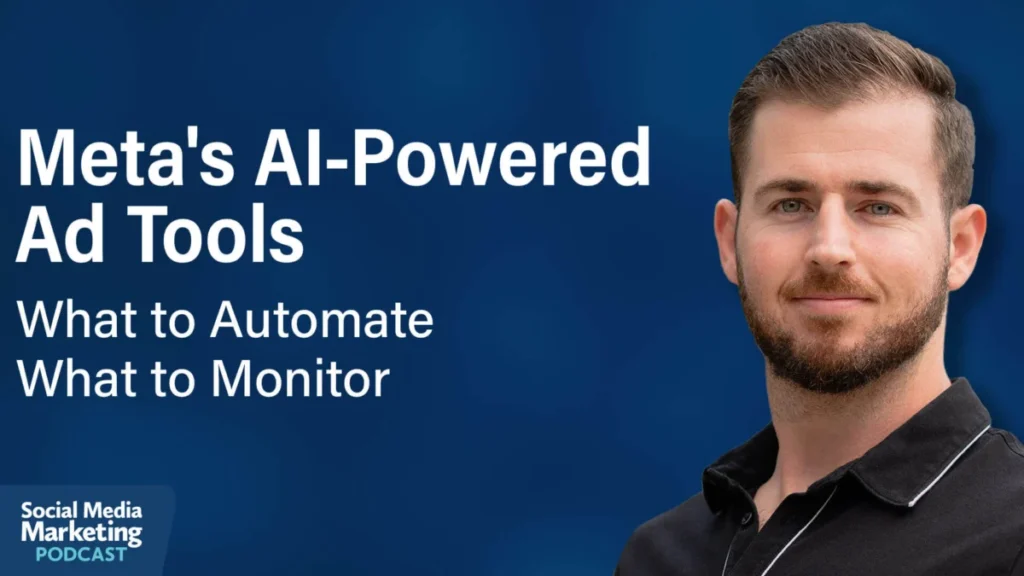
The landscape of digital advertising is undergoing a seismic shift. For years, the role of a media buyer was defined by granular control: manually adjusting bids, hyper-segmenting audiences, and meticulously crafting every pixel of an ad campaign. Today, Meta is rapidly dismantling that manual architecture, replacing it with an "AI-first" ecosystem.
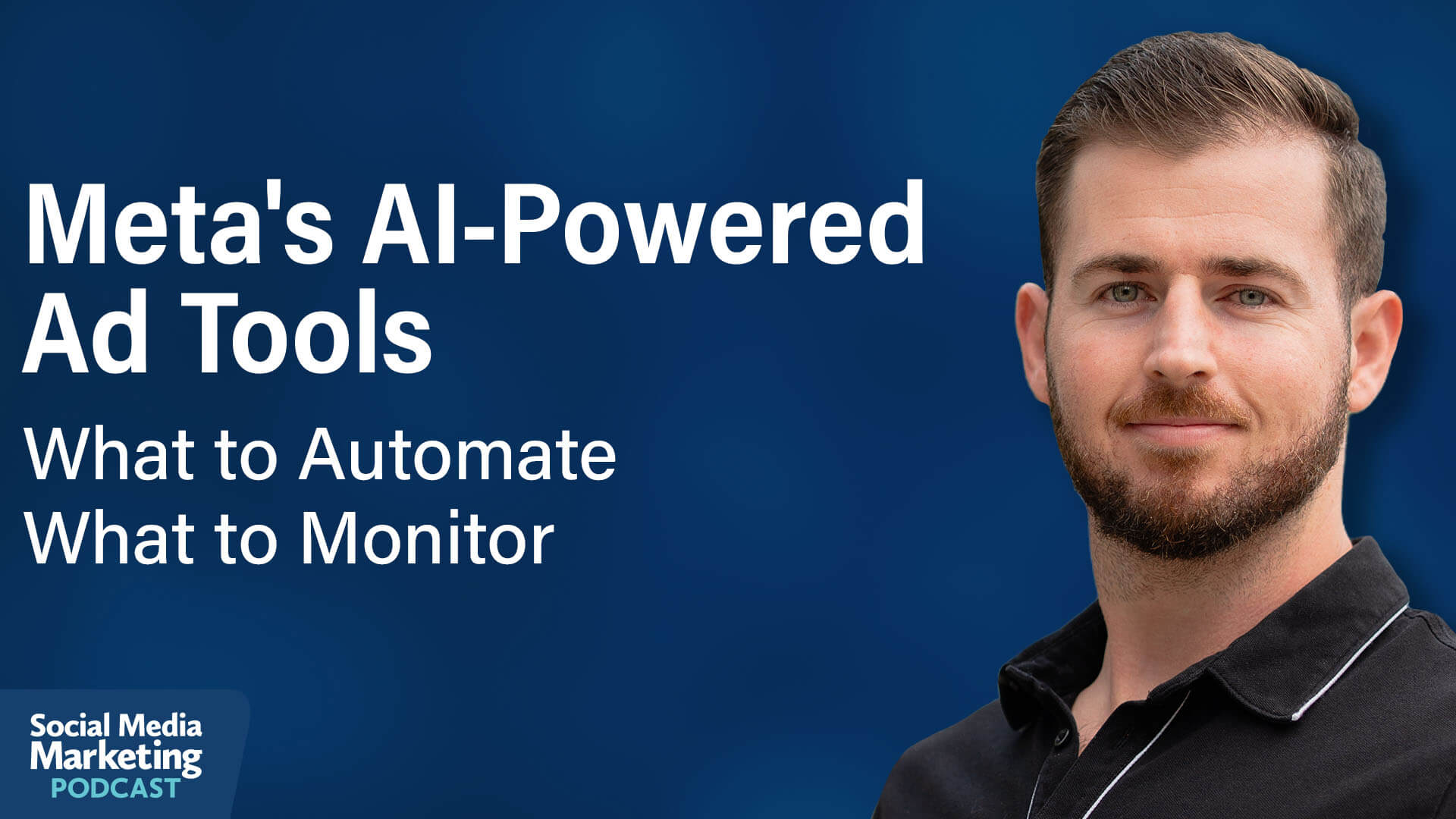
For many marketers, this transition feels like a double-edged sword. While the promise of improved ROAS (Return on Ad Spend) and streamlined operations is enticing, the loss of agency is palpable. To understand how to navigate this new era, we look to the expertise of Nick Theriot, an agency owner specializing in e-commerce, who has been stress-testing these tools on the front lines of high-stakes digital campaigns.
The Evolution of Ad Management: From Manual to Guided
The current trajectory of Meta’s platform is clear: moving from manual oversight to "guided control." In this new model, the marketer provides the objective and the parameters, and Meta’s AI algorithms execute the tactical heavy lifting.
This democratization of advertising has lowered the barrier to entry significantly. Complex technical hurdles that once required a developer or a specialized consultant can now be handled by automated, AI-driven processes. However, this ease of use brings a new set of risks. The responsibility has shifted from "how to click the right buttons" to "how to verify the right outcomes."
1: Automating the Technical Infrastructure
The Facebook pixel—the foundational tracking code for site activity—has become significantly more intelligent. Meta’s AI-powered integration now automatically connects, maps, and transmits site data, including product availability and naming conventions, with minimal human intervention.
For e-commerce brands, particularly those utilizing platforms like Shopify, this is a "black-and-white" win. By eliminating the need for custom coding, Meta is allowing business owners to focus on strategy rather than implementation.
Strategic Implications:
- Early Adoption is Key: Even if you aren’t running ads today, Theriot advises installing the pixel immediately. The data it gathers during your organic traffic periods serves as a training ground for the algorithm. When you eventually pivot to paid acquisition, the system will already understand your customer profile, reducing your initial optimization costs.
- The Nuance of Funnels: While simple e-commerce sites benefit from automated integration, lead-generation businesses with complex, multi-step funnels still require a more nuanced approach. Utilizing tools like Google Tag Manager remains the industry standard for maintaining control over exactly which data points are transmitted.
2: The Rise of AI Connectors and the Risk of Over-Automation
Meta is increasingly opening its API to third-party AI agents, such as Manus, which allow for the management of campaigns through natural language prompts. These tools can generate reports, create dashboards, and even assist in ideation.
However, the "front line" reality is one of caution. Recently, there has been a concerning spike in ad account suspensions linked to the use of these connectors.
The "Spam" Trigger:
The prevailing theory is that these AI tools, when programmed with aggressive, high-volume instruction sets, trigger Meta’s automated safety protocols. The algorithm interprets a sudden, massive influx of requests as "spammy" behavior, resulting in an immediate freeze of the ad account.
Human-in-the-Loop Imperative:
Theriot emphasizes that while AI is excellent at execution, it is inherently weak at high-level research. AI tends to offer generic customer segments based on broad datasets. A human marketer, conversely, can identify the "why" behind a target audience. High-level ideation—understanding the emotional triggers that drive a consumer to convert—remains a uniquely human capability. In the next two years, the most successful roles will likely shift from "media buyer" to "marketing coordinator," where the human acts as the orchestrator of various AI agents.
3: The AI Business Assistant: A Double-Edged Sword
Meta has integrated an AI Business Assistant directly into Ads Manager, providing real-time recommendations. For novices, this assistant acts as a powerful mentor, potentially saving years of trial and error.

However, there is a caveat: the AI is trained on Meta’s own internal "rule book," which often prioritizes spending volume over profit efficiency.
Critical Skepticism:
- The "Spend More" Trap: A common piece of AI-generated advice is to increase budgets based on short-term positive results. Theriot warns against scaling too rapidly. Doubling a budget overnight rarely yields a linear increase in results; it often disrupts the algorithm’s stability.
- The Math Audit: Not all AI models are created equal when it comes to quantitative analysis. When auditing spreadsheet data, some models (like Gemini) struggle with precision, while others (like Claude) demonstrate high competency in structural math. Always verify the math before committing significant capital to an AI-suggested budget hike.
4: Creative as the New Currency
In the 2018 era of Meta ads, success was dictated by "account structure"—the technical configuration of campaigns. Today, creative is the primary driver of performance.
The Shift in Philosophy:
The most effective brands are moving away from the "test 200 creatives a week" strategy. This "spray and pray" approach often results in the mass production of mediocre content. Instead, the current gold standard is "intentional testing." By creating fewer, but higher-quality, ads that are genuinely original, brands are seeing a significant jump in performance.
The Role of Creative Professionals:
AI does not replace the need for a creative vision; it amplifies it. Photographers, copywriters, and video producers are actually the best users of these new tools because they understand the principles of visual hierarchy and storytelling. They know how to "prompt" the AI to move away from the "generic AI look" and toward something that resonates with a human audience.
The Ethics of AI-Generated Content:
With the rise of AI-generated spokespeople, the industry is approaching a regulatory crossroads. New York and other jurisdictions are moving toward mandatory disclosure laws for AI-generated faces in advertising. While using an AI persona to explain product benefits is acceptable, using them to fabricate claims (such as "I lost 30 pounds in 30 days") is a legal liability that could lead to severe consequences.

5: The Future of Conversion: Shopping in the Funnel
Meta is aggressively pushing "One-Click Checkout" and post-click AI shopping features. These tools are designed to remove friction from the path to purchase.
The Psychology of the "Add-to-Cart" Buffer:
Despite the convenience of one-click purchasing, data suggests that removing the "Add to Cart" step can actually lower conversion rates for certain products. The "Add to Cart" button acts as a psychological buffer, giving the consumer a moment of consideration. For considered purchases—products that require research or trust—this step is vital. Before abandoning traditional conversion paths, marketers must weigh the benefit of speed against the consumer’s need for security and verification.
Implications for the Modern Marketer
As we look to the future, the role of the marketer will continue to evolve. The 80/20 rule is the best framework for navigating this transition:
- 80% of resources should be dedicated to proven strategies that are currently driving revenue.
- 20% of resources should be allocated to experimenting with new Meta tools, AI integrations, and creative technologies.
The "traditional" media buyer may be fading, but the "marketing strategist" is more important than ever. The ability to articulate value, build brand authority, and direct AI to execute complex creative tasks will separate the industry leaders from the laggards.
As Nick Theriot notes, the most valuable skill in the coming years will not be knowing how to navigate an ads manager interface, but knowing how to craft an offer that scales, and having the discernment to know when to trust the algorithm—and when to intervene with human intuition.
Summary of Key Takeaways
- Automate the basics: Let AI handle pixel setup and data transmission.
- Verify, don’t just trust: Be skeptical of AI recommendations that push for budget increases without clear strategic justification.
- Prioritize creative intent: Focus on producing fewer, higher-quality, and more original ads rather than mass-producing generic content.
- Maintain the "Human-in-the-Loop": Use AI for execution, but retain control over high-level research, customer targeting, and strategic decision-making.
- Watch the legal landscape: As AI disclosure laws evolve, ensure your brand remains compliant, especially when utilizing AI-generated personas.