The New Meta Advertising Paradigm: Balancing AI Automation with Strategic Human Oversight
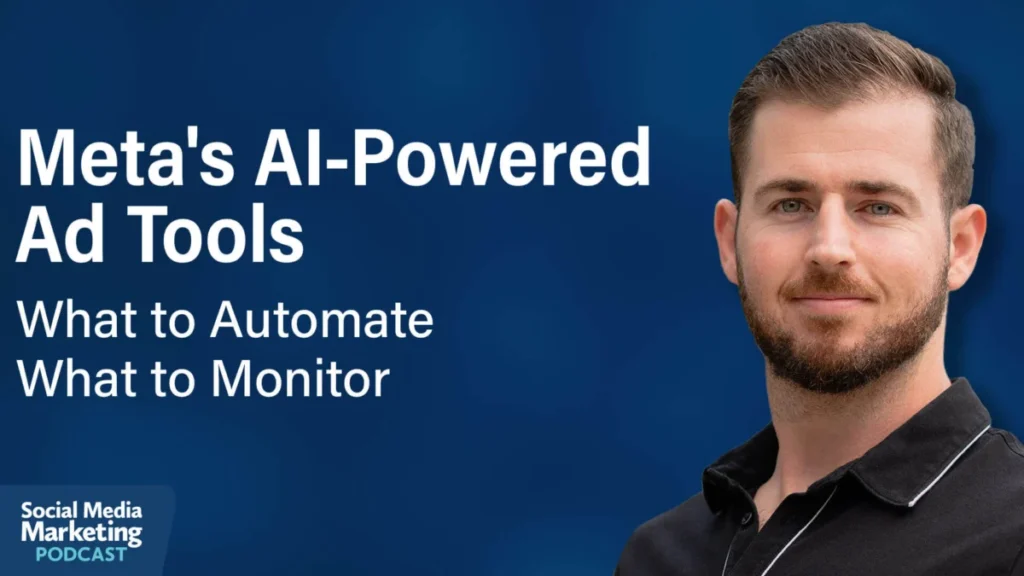
The landscape of digital advertising is undergoing its most significant shift since the inception of the Facebook pixel. Meta is aggressively pivoting its platform toward an AI-first ecosystem, effectively stripping away the manual levers that once defined the media buyer’s role. For agencies and business owners, the message from Menlo Park is clear: relinquish granular control, trust the algorithm, and focus on high-level creative strategy.
But is this "black box" approach a path to unprecedented efficiency, or is it a surrender of essential business intelligence? In this analysis, we examine how Meta’s new AI-powered tools are reshaping the industry, where marketers should embrace automation, and where the human touch remains an absolute necessity for survival.
The Strategic Shift: From Manual Tweak to Algorithmic Trust
For years, success in Facebook advertising was synonymous with "hacking" the system: manipulating bid caps, building complex campaign structures, and managing granular audience segments. Today, that era is effectively over. Meta’s current architecture favors consolidated campaigns and AI-driven targeting.
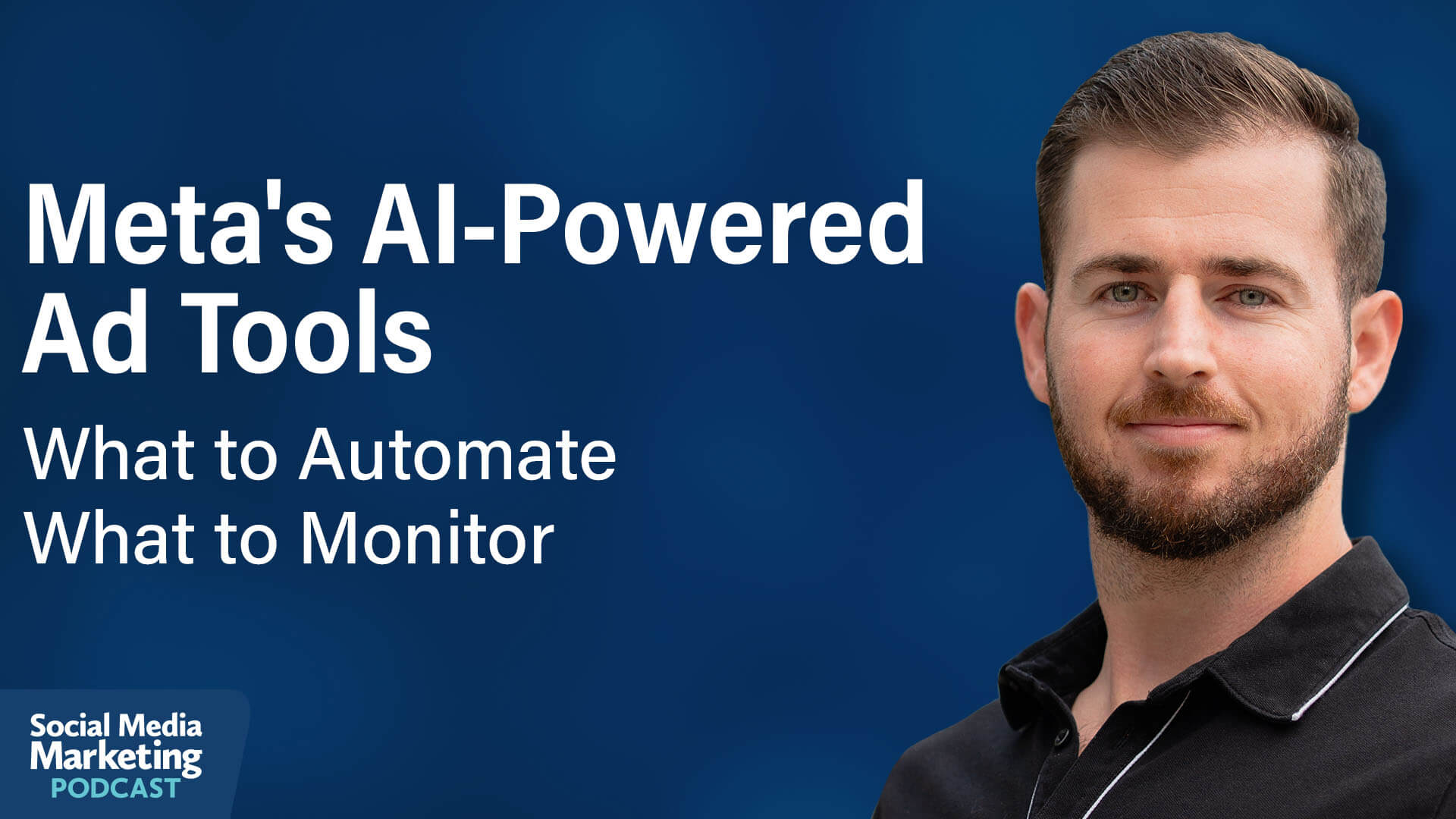
Nick Theriot, a veteran agency owner and expert in e-commerce performance marketing, describes this as a transition from "manual control" to "guided control." While the barrier to entry has plummeted—allowing virtually anyone to launch a functional campaign—the complexity has shifted from technical setup to strategic oversight. The core challenge for modern marketers is no longer knowing how to click the buttons, but knowing when to override the AI’s suggestions.
Chronology of the Meta AI Evolution
The transformation of the Meta advertising suite has been rapid, moving through distinct phases over the last 24 months:
- The Consolidation Phase (2022–2023): Meta began pushing advertisers toward "Broad" targeting, effectively deprecating the utility of hyper-segmented audience lists. This forced marketers to rely on the algorithm to find the right buyers.
- The Integration Phase (2023–Early 2024): The introduction of AI-powered creative tools (Advantage+) and automated pixel setups simplified the entry process. Meta began integrating third-party connectors, allowing AI agents to manage accounts directly.
- The Autonomous Assistant Phase (Mid-2024–Present): With the expansion of the AI Business Assistant, Meta moved toward a conversational interface where the AI suggests budget reallocations, audience expansion, and creative testing strategies in real-time.
Where AI Excels: Operational Efficiency
According to Theriot, there are specific domains where the AI is not just helpful—it is superior to human manual labor.
The Automated Pixel Setup
The Facebook pixel, once a source of constant friction requiring developers and custom coding, is now largely automated. Through integrations with platforms like Shopify, Meta’s AI can map event data—such as product availability and SKU details—with near-perfect accuracy. Theriot argues that this is a "black-and-white" task. Because AI excels at structured data, delegating the pixel setup to an automated integration removes the risk of human error and saves significant development costs.
The AI Business Assistant
Meta’s AI Business Assistant functions as an internal consultant, surfacing insights from the account’s historical data. For beginners, the quality of these recommendations is remarkably high, often providing actionable advice that would take a novice hours to research. It serves as a great equalizer, reducing the reliance on high-priced consultants for basic account health checks.
The Risks of Over-Automation: Where Humans Must Remain in the Loop
While the efficiency gains are undeniable, reliance on Meta’s AI is not without significant danger.
The "Account Ban" Trap
A growing concern involves the use of third-party AI agents (such as Manus or Claude connectors). These tools promise to automate campaign ideation and analysis, but they carry a hidden risk: spamming Meta’s API with high-frequency requests. In recent months, agencies have reported account suspensions immediately following the integration of these AI tools. Meta’s security protocols often interpret high-volume, automated API calls as malicious activity, leading to instant account freezes. The takeaway is clear: automation tools should be implemented with extreme caution and limited access.

The Fallacy of "Spend More"
The AI Business Assistant is ultimately a product of Meta, and it is trained to drive revenue for the platform. Theriot warns that the AI’s recommendations—specifically the prompts to "increase your daily budget"—are often aggressive and lack context regarding the business’s internal cash flow. Doubling a budget overnight because the algorithm sees a positive trend rarely results in linear returns. Human judgment must be the final arbiter of any major capital expenditure.
Mathematical Integrity
Not all AI models are created equal. When auditing spreadsheets or calculating Return on Ad Spend (ROAS), different models yield different results. Theriot notes that while some LLMs struggle with complex math, others (notably Claude, due to its foundation in coding logic) are far more reliable. When a company is spending seven figures a month, a rounding error or a miscalculated attribution window can lead to catastrophic financial decisions.
Creative Strategy: The Final Human Frontier
If technical account management is being outsourced to AI, what is left for the marketer? The answer is Creative.
In the current Meta ecosystem, the "structure" of the account is secondary to the "content" of the ad. The most successful brands are those that leverage AI to scale their creative output while keeping the core concept human-led.
The "Copy Chiefing" Workflow
The days of writing ad copy from scratch are largely gone. Today, the standard workflow involves having AI generate the initial draft, followed by "copy chiefing"—a process where a human refines the tone, checks the brand voice, and adds the emotional resonance that AI often misses.
The Danger of Generic Output
AI is an amplifier. If the input is weak, the output will be high-volume, mediocre content. Theriot observes that the brands currently winning are those that use AI to execute on original, high-intent ideas. Photographers, videographers, and experienced writers are seeing the best results because they understand how to "direct" the AI. They treat the prompt not as a search query, but as a brief for a creative team.
The Legal and Ethical Landscape
With the rise of AI-generated personas and UGC (User Generated Content) style videos, the industry is approaching a regulatory cliff. New York, for example, is mandating disclosures for AI-generated people in ads by 2026. Beyond the law, there is the risk of consumer trust. Fabricating testimonials using AI is a fast track to lawsuits and brand damage. Using AI for voiceovers or background elements is acceptable; using it to invent fake customer experiences is a liability.
Implications: The Rise of the Marketing Manager
Looking toward the next two years, the role of the "Media Buyer" will likely be absorbed into a broader "Marketing Manager" position. This individual will no longer spend their day tweaking bids; instead, they will function as a conductor for a fleet of AI tools.
Key Implications for Businesses:
- Skill Shift: The most valuable future skill will be the ability to create offers that scale and communicate product value, rather than technical platform knowledge.
- The 80/20 Rule: To avoid over-exposure to unproven AI features, managers should maintain an 80/20 split. 80% of resources should be dedicated to proven, high-performing strategies, while 20% is allocated to testing new AI-driven tools or "one-click" checkout features.
- The Psychology of the Sale: Beware of replacing standard checkout flows with "one-click" buttons. Data suggests that the "Add to Cart" step acts as a psychological buffer that increases conversion quality. Removing friction can sometimes remove the buyer’s intent to purchase.
Conclusion
Meta’s push toward AI is not a signal to abandon effort; it is a signal to evolve. The platform is becoming increasingly intelligent, but it remains a tool—one that is heavily biased toward platform growth. By embracing AI for the heavy lifting of pixel setup and data aggregation, while maintaining strict human control over creative direction, financial math, and strategic scaling, modern marketers can navigate this new landscape. The future of advertising belongs to those who use AI to execute their human vision faster, rather than those who allow the algorithm to define their strategy for them.