The 2026 Conversion Crisis: Strategies for Overcoming Content Saturation and Audience Erosion
In the rapidly shifting digital economy of 2026, a paradox has emerged: while marketing technology has made it easier than ever to reach an audience, the ability to convert that audience into leads and customers has reached a historic nadir. The "Conversion Crisis of 2026" is defined by a landscape where traffic remains steady, yet engagement and conversion rates are stalling or dropping across nearly every sector.
According to industry veterans Jay Schwedelson and Michael Stelzner, the primary culprit is a deluge of AI-generated content that has flooded every conceivable channel. As marketers leverage automation to produce a higher volume of offers and social posts, the consumer’s psychological barrier to entry has risen. In this environment, the "silver bullet" strategy is dead; success now depends on a series of calculated, marginal gains and a fundamental rethink of the conversion funnel.

Main Facts: The Reality of Marketing in 2026
The digital landscape in 2026 is characterized by "Content Inflation." Because AI has lowered the cost of production to near zero, the volume of marketing communications has reached an all-time high. For the average consumer, this translates to a cluttered inbox and a social media feed that feels increasingly impersonal.
The core challenge for brands today is twofold:
- Database Decay: The natural erosion of email lists—due to job changes, abandoned inboxes, and shifting consumer interests—now sits at an average of 20% annually.
- Friction Points: Traditional landing pages and "Submit" buttons are no longer effective. Consumers in 2026 demand "insider" access and frictionless, mobile-first experiences.
To combat these trends, experts advocate for a shift toward "Access-Based Marketing" and "Behavioral Triggers," focusing on the moments immediately following a conversion to maximize the lifetime value of every interaction.
Chronology: The Evolution Toward Digital Saturation
To understand the 2026 landscape, one must look at the trajectory of digital marketing over the last several years.
- 2022–2023: The Efficiency Era. Brands focused on scaling through automation and basic personalization.
- 2024: The AI Explosion. Generative AI tools became mainstream, leading to a 300% increase in content output across the web.
- 2025: The Noise Threshold. Consumers began exhibiting "AI fatigue," leading to lower open rates and a higher reliance on trusted, human-centric creators.
- 2026: The Conversion Pivot. Marketers realized that "more" was no longer "better." The focus shifted from top-of-funnel traffic to mid-funnel optimization and database retention.
This chronology suggests that the current crisis was inevitable. As the cost of "output" decreased, the value of "attention" skyrocketed, forcing a return to psychological fundamentals and technical precision.
Supporting Data: The Mathematics of the "Leaky Bucket"
Data analysis reveals the stark reality of the "silent erosion" facing modern databases. If a company starts with a list of 1,000 engaged subscribers, the 20% annual decay rate dictates that they will have only 800 by year two, and 640 by year three. Without a proactive growth strategy, nearly 40% of a brand’s reach vanishes within 24 months.

Furthermore, recent performance metrics highlight the disparity between traditional methods and optimized tactics:
- Generic Pop-ups: Average a 2–3% conversion rate.
- Timed, Behavioral Pop-ups: Can exceed a 10% conversion rate, particularly when triggered after 30 seconds of engagement on high-intent pages (like pricing).
- Form Friction: Each additional form field beyond five results in an approximate 8% drop in completion rates.
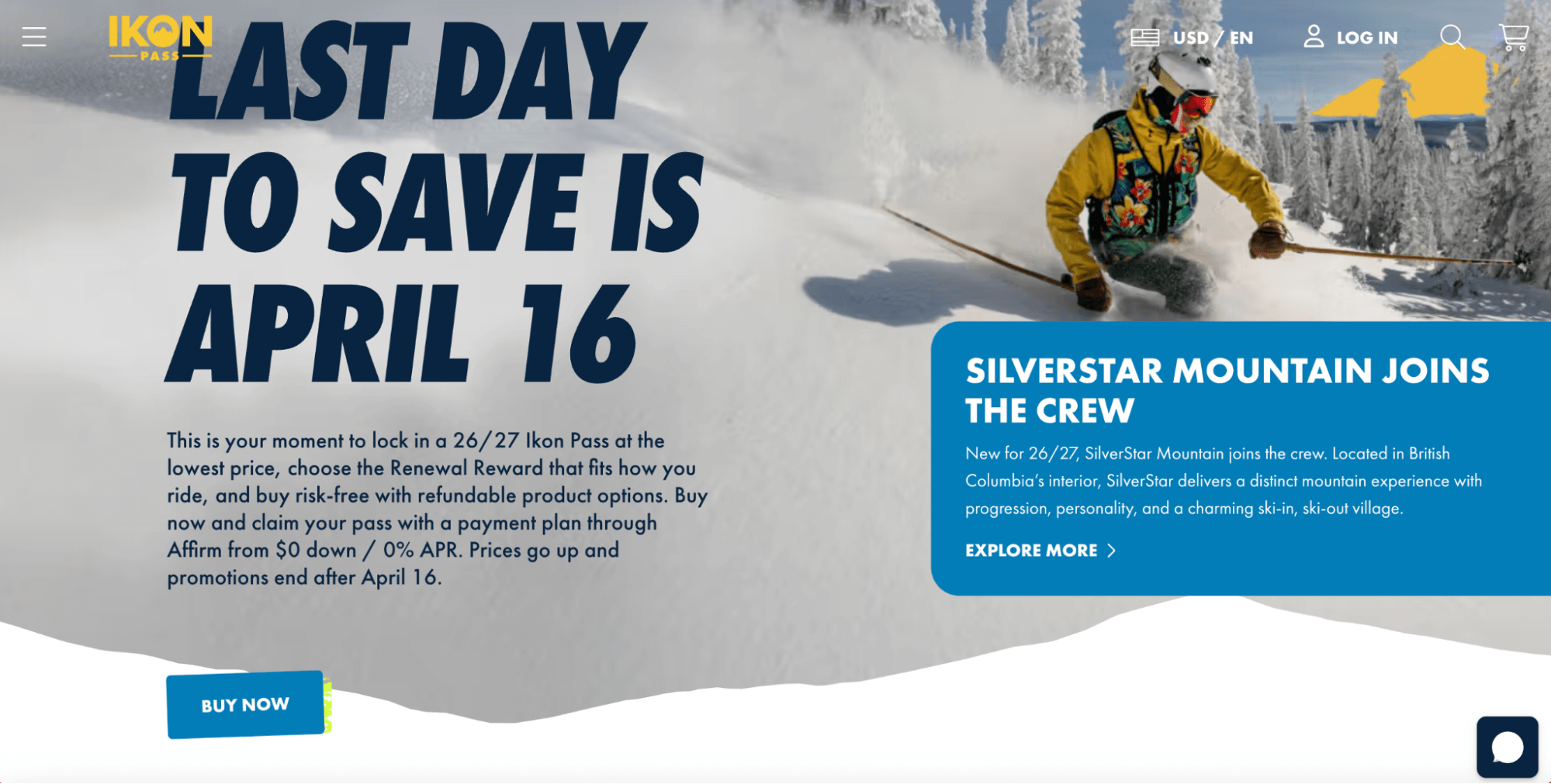
- Visual Continuity: Matching the hero image of an ad to the hero image of a landing page increases conversion rates by over 10%.
Platform-specific data also shows a shift in ROI. While LinkedIn remains a powerhouse for B2B networking, the cost per lead for email subscriptions has risen significantly. Conversely, Instagram Reels and Reddit Lead Gen ads currently offer the most competitive acquisition costs, often ranging between $2 and $5 per subscriber.
Official Responses: Expert Insights and Tactical Recommendations
Jay Schwedelson, a leading authority on email marketing and conversion optimization, emphasizes that the "Yes/No" psychology of 2026 is the single biggest lever for growth.
1. The Psychology of "Negative Opt-Out"
Schwedelson argues that the traditional "X" to close a pop-up is a missed opportunity. Instead, he recommends "conversion-optimized language" for the decline option.
"The ‘No’ option should make the user feel the cost of their decision," Schwedelson notes. For example, if the offer is for a guide on better sleep, the ‘No’ button should read: "No, I prefer staying awake and feeling exhausted." This psychological friction reduces mindless clicking and forces the user to reconsider the value proposition.
2. The "Mobile-First" Imperative
With over 70% of email opens occurring on mobile devices, the consensus among experts is that desktop-designed landing pages are a liability. Michael Stelzner highlights that visual continuity is not just an aesthetic choice but a trust signal. If a user clicks an ad featuring a specific product image and lands on a page with a different visual, the cognitive dissonance leads to an immediate bounce.
3. Reclaiming the "Thank You" Page
Perhaps the most overlooked asset in 2026 is the "Post-Conversion" window. "The moment after someone converts is their highest-engagement moment," says Schwedelson. Expert recommendation suggests that rather than a static "Thank You," brands should offer immediate "Next Step" resources or "Insider" deals. This capitalizes on the dopamine hit of the initial conversion to drive a second, deeper interaction.

4. Deliverability as a KPI
Technical experts warn that engagement signals—specifically clicks—are now the primary metric for inbox placement. Quizzes and "one-click actions" within emails serve a dual purpose: they provide valuable segmentation data and signal to ISPs (Internet Service Providers) that the content is highly relevant, ensuring future messages avoid the promotions or spam folders.
Implications: The Future of Digital Engagement
The shift toward these "quick wins" reflects a broader trend in the 10-year outlook for digital marketing. The implications for businesses are profound:
The Death of the Generalist Funnel:
Broad, one-size-fits-all funnels are being replaced by hyper-segmented, behavior-based journeys. Brands that do not track database growth as a weekly KPI will find themselves with an "empty room" within three years, regardless of their social media following.
The Rise of Creator-Endorsed Advertising:
As trust in traditional brand advertising wanes, the "endorsement ad" is becoming the gold standard. When a newsletter creator writes an ad in their own voice, the "trust transfer" results in significantly higher conversion rates than standard display ads.
The Privacy-Personalization Paradox:
While users are more protective of their data, they are also more willing to trade it for "access." The shift from "Get a discount" to "Join the early drop list" suggests that exclusivity and being "first" have become more powerful motivators than simple monetary savings.
Strategic Conclusion:
To thrive in the post-AI saturation era of 2026, marketers must move beyond the "volume" mindset. The winners will be those who obsess over the small details: the text on a button, the timing of a pop-up, and the visual continuity of a mobile screen. In a world where content is infinite, the only scarce resource is the user’s attention. Capturing it requires a blend of psychological insight and technical precision that goes far beyond the "Submit" button.