The AI Creative Revolution: Mastering Scalable Ad Production in 2026
The advertising landscape is undergoing its most radical transformation since the dawn of the internet. As digital platforms pivot toward fully autonomous media buying, the bottleneck for marketers is no longer the ability to bid or target—it is the sheer volume of creative assets required to feed the machine. For brands still relying on traditional, weeks-long production cycles for User-Generated Content (UGC), the competitive gap is widening.
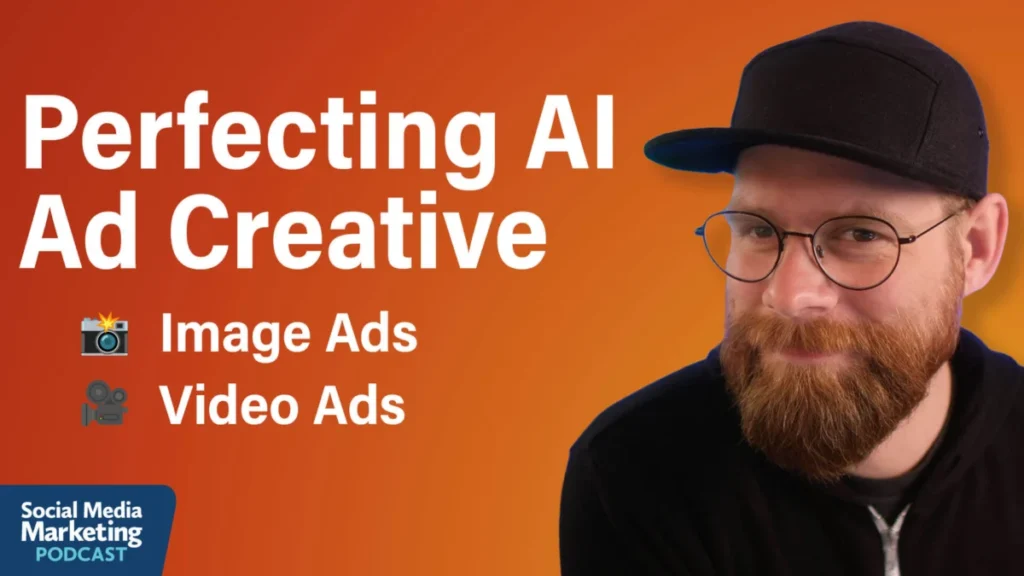
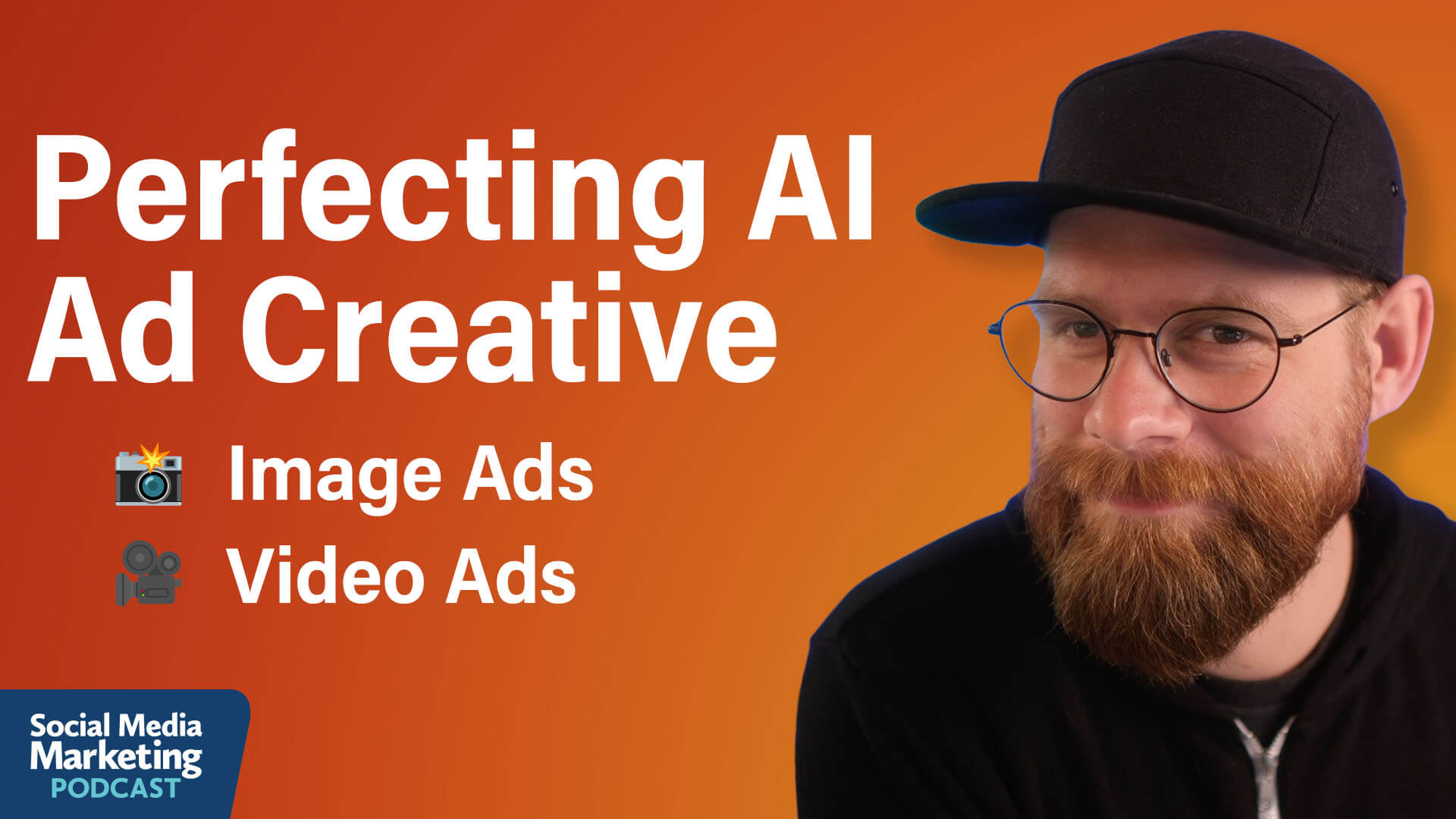
As Caleb Kruse, an expert in the intersection of AI and ad strategy, notes: "The shift in ad creative is no longer a strategic choice; it is an existential requirement for survival in the 2026 marketplace."
The Shift Toward Autonomous Advertising
Major platforms, led by Meta, Google, and ByteDance, are rapidly stripping away the need for human intervention in the media-buying cycle. Meta’s acquisition of Manus—an agentic tool capable of analyzing performance data and generating creative assets autonomously—signals a future where marketers may simply input a product URL, a budget, and a brand objective, leaving the platform to handle the rest.
This is not a peripheral change; it is an infrastructure-level migration. With Meta’s "Andromeda" update, the algorithm’s demand for creative diversity has skyrocketed. To find the elusive "winning ad," the system requires dozens, if not hundreds, of variations to test against diverse audience segments. Traditional production cannot keep pace with this demand. AI, however, makes high-volume testing a routine, cost-effective standard.
Chronology of the AI Creative Adoption
The evolution of AI in advertising has moved with startling velocity:
- 2023-2024 (The Experimental Phase): Advertisers began using basic LLMs to draft ad copy and early image generators to create background assets. The focus was on novelty rather than workflow integration.
- 2025 (The Integration Phase): Platforms like Meta and Google began embedding generative AI directly into their ad managers. Text-to-image and text-to-video capabilities became standard, and "chameleon ads" (or "ugly ads") emerged as a dominant trend to mimic organic, native content.
- 2026 (The Agentic Phase): The current era is defined by full-stack automation. We are seeing the rise of multi-scene video generation, persona consistency across disparate campaigns, and real-time aspect ratio adaptation through API-linked workflows.
Navigating Brand Safety and Legal Guardrails
The rapid adoption of AI-generated creative brings two primary concerns to the boardroom: brand reputation and regulatory compliance.

The Brand Safety Spectrum
The risk profile of AI creative is highly dependent on the vertical. For lead-generation businesses, such as solar installers or home services, an AI-generated spokesperson offers zero friction. However, in the beauty, fashion, and skincare industries, the stakes are higher. Consumers demand authentic representation. If a product’s efficacy is judged by how it performs on specific skin types or body shapes, brands must tread carefully. Using AI avatars in these sectors can lead to perceptions of inauthenticity or, worse, deceptive marketing if the visual outcome is physically impossible to achieve.
FTC Compliance: The "Real Person" Standard
Contrary to common fears, legal guidelines are not a "Wild West." The Federal Trade Commission (FTC) treats AI-generated testimonials with the same scrutiny as human-generated ones. If an AI avatar makes a fabricated first-person claim—such as "This product cleared my skin in 24 hours"—the brand faces the same liability as if a human had lied on camera.
The solution is structural, not technical. By shifting scripts from first-person testimonials to third-party factual claims, brands can mitigate risk. For example, instead of an avatar saying, "I love this product," the script should read, "This product has been clinically shown to reduce redness by 40%."

Advanced Workflows: Building the AI Creative Factory
Success in 2026 requires more than just prompting a chatbot; it requires building a systematic "creative factory."
Persona Consistency
The gold standard in AI creative is the ability to generate a consistent character. The workflow begins by generating a base persona—defining age, appearance, and energy. Once the look is locked, advertisers should generate a library of 8–10 reference shots from different angles and lighting conditions. This "character reference library" ensures that whether the ad is for a 20-year-old demographic or a 65-year-old cohort, the brand remains recognizable across every touchpoint.
Competitive Replication
To optimize creative, advertisers are increasingly leveraging the Facebook Ads Library. By analyzing high-performing competitor ads, marketers can use tools like Nano Banana or other generative engines to "reverse engineer" the structure. By uploading a screenshot of a successful ad, AI can analyze the framing, call-to-action placement, and tone, then generate a fresh iteration that fits the brand’s specific product and visual identity.
Video Production: From Script to Screen
Video remains the most potent tool in the ad stack, and AI has lowered the barrier to entry for high-production value.
Multi-Scene Logic with Kling
Kling has emerged as a leader in multi-scene prompting. Unlike early tools that generated disjointed clips, Kling allows for complex, sequenced storytelling. A marketer can prompt for an establishing shot, a zoom-in, and a cut-back in a single command, mimicking the pacing of professional, human-edited content.
The "Sora 2" Trade-off
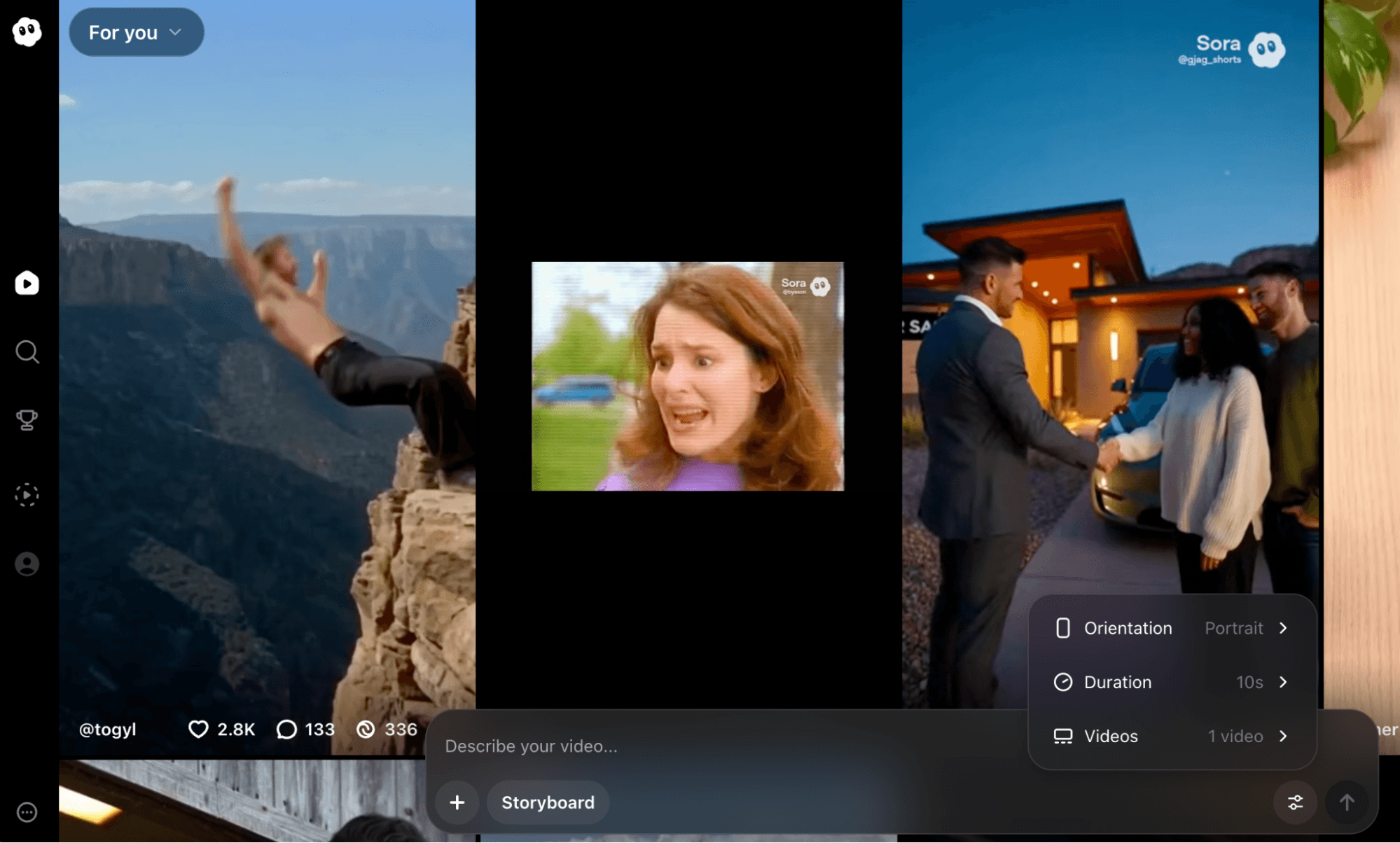
OpenAI’s Sora 2 represents a shift toward high-level creative direction. While it requires less granular control than Kling, it excels at fully packaged production—adding voiceovers, music, and scene transitions automatically. It is the ideal tool for rapid-fire testing, whereas tools like Veo 3 or Kling are preferred when the brand requires precise camera movements and exact dialogue.
Implications for the Future of Marketing
The data is clear: AI-generated ads are no longer an "experiment." They are an imperative. The primary implications for marketing teams in the coming year are:
- Staffing Realignments: Creative teams will transition from manual production (shooting, editing) to "Creative Direction," where the primary skill is curating AI outputs and managing the systems that generate them.
- Velocity as a Moat: The ability to generate 100 variations of an ad in the time it takes a traditional agency to produce one will become the defining competitive advantage.
- Algorithmic Symbiosis: As platforms like Meta further automate media buying, the "creative" will become the "targeting." Because the algorithm is now smart enough to find the right audience for the right asset, the quality and variety of the creative are the targeting parameters.
Conclusion: The Path Forward
For those looking to start, the process is iterative. Begin by building a custom GPT or Claude Project that holds your brand’s "prompt guide." Use AI to handle the tedious aspect ratio conversions and background replacements. Most importantly, stop viewing AI as a tool that replaces creativity and start viewing it as an infrastructure that enables scale.
In 2026, the brands that win will be those that accept the machine. By embracing AI-generated personas, automated editing, and data-driven creative replication, marketers can focus on what matters most: the brand narrative. The technology is no longer waiting for us to catch up; it is waiting for us to press play.