Motorola Unveils the Moto Pad 70 Pro: A New Standard for High-Performance Android Tablets
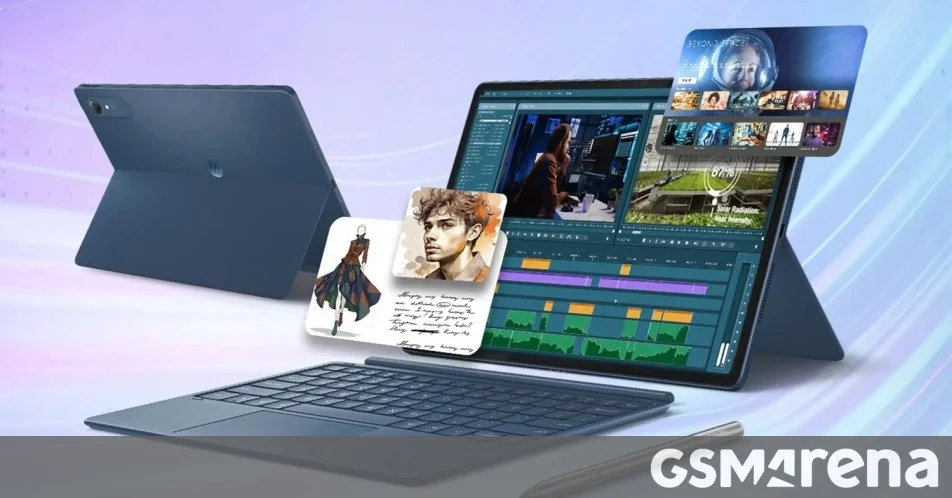
More than a year after the debut of the Moto Pad 60 Pro, Motorola—the Lenovo-owned titan of mobile computing—has officially unveiled its highly anticipated successor: the Moto Pad 70 Pro. Positioned as a direct challenge to the premium tablet market, the new device blends high-end internals with a focus on productivity, multimedia immersion, and long-term software support.
As the tablet market continues to evolve, with consumers demanding devices that bridge the gap between casual content consumption and professional mobile workflows, Motorola’s latest entry arrives with a sophisticated specification sheet. From its cutting-edge Snapdragon silicon to its commitment to longevity, the Moto Pad 70 Pro is engineered to be more than just a media consumption device; it is a versatile workstation for the modern user.
Main Facts: The Technical Foundation
At the heart of the Moto Pad 70 Pro lies the Snapdragon 8s Gen 4 SoC. This chipset, known for balancing flagship-grade performance with thermal efficiency, ensures that the tablet can handle demanding multitasking and high-fidelity gaming with ease. Motorola has explicitly confirmed that the device supports 120FPS gaming, positioning it as a potent portable console for enthusiasts.
Core Specifications
- Processor: Snapdragon 8s Gen 4
- Memory & Storage: 8GB RAM paired with 128GB or 256GB of internal storage, expandable up to 2TB via a dedicated microSD card slot.
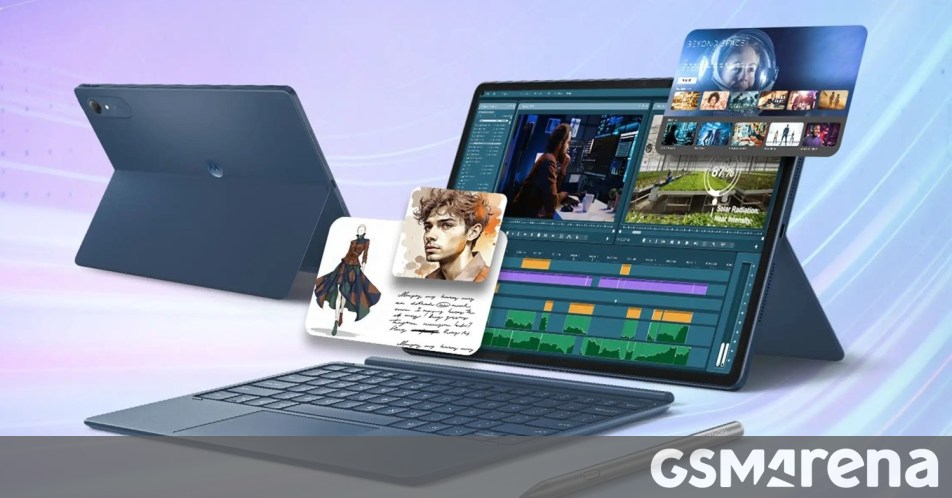
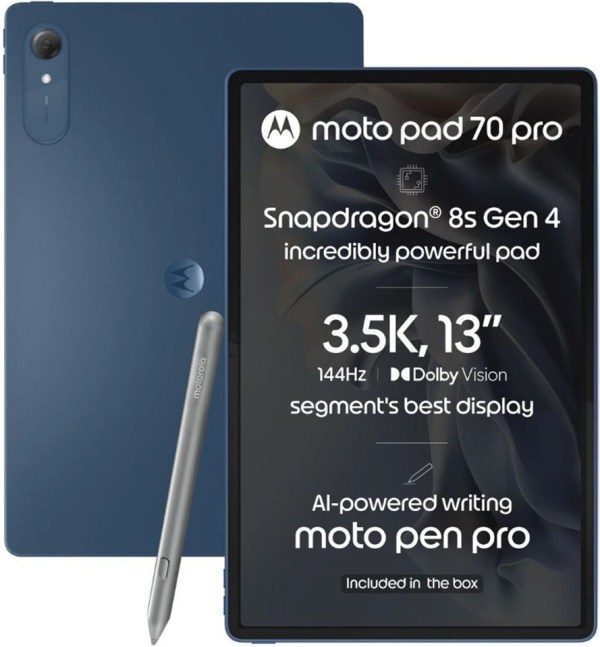
- Display: A sprawling 13-inch 3.5K panel, featuring a 144Hz variable refresh rate, 12-bit color depth, and 800 nits of peak High Brightness Mode (HBM) luminance, complete with Dolby Vision support.
- Battery & Charging: A substantial 10,200 mAh battery cell. While the internal charging architecture supports 45W input, Motorola is generously bundling a 68W fast charger in the box.
- Connectivity: Next-generation standards including Wi-Fi 7 and Bluetooth 6.0.
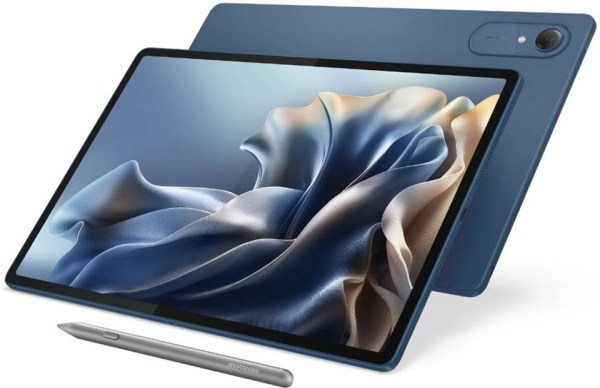
- Build: A sleek 6.2mm thin, all-metal chassis weighing 589g, available exclusively in "Pantone Titan."
Chronology: From the Moto Pad 60 Pro to the 70 Pro
The release of the Moto Pad 70 Pro represents a deliberate iterative leap for Motorola. When the Moto Pad 60 Pro launched in April of the previous year, it was met with praise for its value-to-performance ratio. However, industry critics noted the need for more robust software longevity and a more refined display experience.
Motorola’s development cycle for the 70 Pro suggests a move toward "future-proofing." By launching with Android 16 and committing to major OS upgrades through Android 18, alongside a comprehensive security update roadmap extending to 2030, the company is attempting to pivot away from the "disposable tech" stigma often associated with mid-to-high-range Android tablets. This shift aligns the company with the industry trend of extended device lifecycles popularized by competitors like Samsung and Google.
Supporting Data: Ecosystem and Ergonomics
Beyond the raw specifications, the Moto Pad 70 Pro excels in its ecosystem integration. A standout feature is Smart Connect, a proprietary software layer that enables frictionless cross-device file sharing. This feature allows the tablet to serve as an extension of a Motorola smartphone or a PC, enabling users to drag and drop files, mirror screens, and share peripherals without cumbersome setup processes.
Audio and Imaging
Multimedia enthusiasts will appreciate the inclusion of a quad-speaker setup tuned by JBL and enhanced with Dolby Atmos. This creates an immersive soundstage that complements the 13-inch high-resolution display. While the camera hardware—a 13MP rear sensor and an 8MP front sensor—is functional, it is clearly designed for video conferencing and document scanning rather than professional photography, which remains a secondary priority for tablet form factors.
Productivity Tools
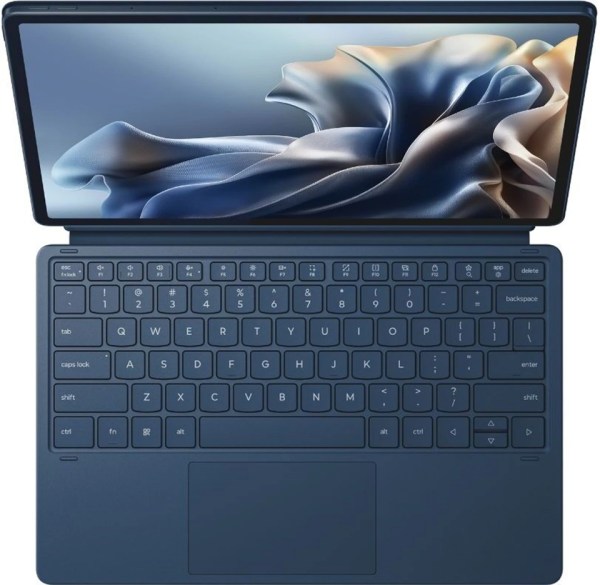
The tablet comes bundled with the Moto Pen Pro, a move that adds significant value for students and creative professionals. While the specialized "Snap-On Keyboard" is sold as a separate accessory, the integration of "PC Mode"—a desktop-like interface that transforms the tablet experience—suggests that Motorola is targeting the hybrid-work demographic.
Official Responses and Strategic Positioning
Motorola’s communication regarding the Moto Pad 70 Pro emphasizes a commitment to "Seamless Versatility." In a statement, company representatives highlighted that the device was designed to address the "fragmented nature of modern computing." By utilizing Wi-Fi 7 and the Snapdragon 8s Gen 4, the tablet aims to minimize latency, whether the user is streaming 4K content or managing a complex spreadsheet.
The pricing strategy is equally calculated:
- 8GB/128GB: INR 36,999
- 8GB/256GB: INR 39,999
- 8GB/256GB + Snap-On Keyboard Bundle: INR 45,999
By offering these tiers, Motorola is positioning the device as an accessible premium option. The bundle price, in particular, suggests that the company is eager to see the Pad 70 Pro adopted as a primary productivity device, rather than a secondary screen.
Implications: The Tablet Market Landscape
The launch of the Moto Pad 70 Pro has several significant implications for the current consumer electronics market.
1. The Rise of "Pro" Mid-Range Tablets
The tablet market has been historically divided between budget devices and hyper-expensive, professional-grade tablets (like the iPad Pro or Galaxy Tab S-series). The Moto Pad 70 Pro effectively occupies the "value-premium" space. By offering a 144Hz display and flagship-adjacent silicon at a price point under INR 40,000, Motorola is exerting downward pressure on the pricing of premium competitors.
2. Software Longevity as a Selling Point
Motorola’s commitment to security updates until 2030 is a watershed moment for the company. Historically, Android tablet manufacturers were criticized for abandoning software support within 24 months. By extending this window, Motorola is acknowledging that users are holding onto their tablets longer than their smartphones. This is a strategic move to build brand loyalty and encourage repeat purchases in the long term.
3. The "Desktop-in-a-Tablet" Transition
With the inclusion of PC Mode and robust connectivity features like Smart Connect, Motorola is betting that the tablet will eventually replace the laptop for a significant portion of the workforce. The 6.2mm thin, all-metal design makes it significantly more portable than even the lightest ultrabook, while the 10,200 mAh battery ensures it can survive a standard workday without needing a tether to a wall outlet.
4. The Ecosystem War
Motorola’s reliance on the Lenovo ecosystem (its parent company) is evident in the tablet’s feature set. The seamless connectivity between Motorola smartphones and this tablet suggests a "walled garden" approach that mimics the successful ecosystem strategies of Apple and Samsung. If Motorola can continue to refine this synergy, they may succeed in capturing users who are currently tied to the Windows or macOS ecosystems but desire the portability of Android.
Conclusion: A Compelling Proposition
The Motorola Moto Pad 70 Pro is a sophisticated piece of hardware that manages to balance power, design, and functionality. While it lacks cellular (LTE) connectivity—a potential dealbreaker for power users who rely on constant mobility—its robust Wi-Fi 7 capabilities and high-end internals more than compensate for most use cases.
With its competitive pricing, inclusion of the Moto Pen Pro, and a software roadmap that stretches to the end of the decade, the device is well-positioned to disrupt the Indian tablet market when it officially goes on sale on July 4. Whether you are a student looking for a digital notebook, a professional seeking a portable workstation, or a gamer needing a high-refresh-rate handheld, the Moto Pad 70 Pro warrants a serious look.
As Motorola continues to refine its hardware and software synergy, the Moto Pad 70 Pro stands as a testament to the company’s resurgence in the tablet space. It is a refined, powerful, and future-ready device that challenges the status quo of the Android tablet landscape, proving that "Pro" features no longer have to come at a prohibitive cost.