Decoding the New LinkedIn: How to Master the AI-Powered Feed Algorithm
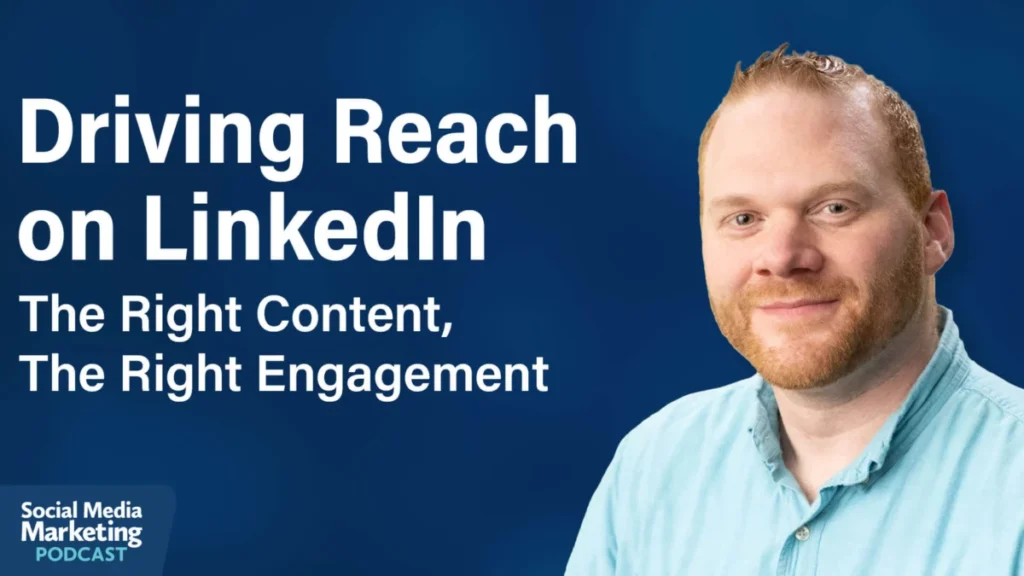
Is your LinkedIn reach experiencing a mysterious decline? For many marketers and creators, the answer lies not in a lack of quality, but in a seismic shift in how the platform operates. LinkedIn has quietly undergone the most significant technological overhaul in its history, transitioning from a series of disparate, patched-together systems into a single, unified, AI-driven engine.
To succeed on the modern LinkedIn, you must stop thinking like a traditional social media user and start thinking like an SEO specialist. In this deep dive, we explore how the new algorithm functions, why the "invisible" signals matter more than the vanity metrics you’ve relied on for years, and how you can reclaim your professional visibility.
1. The Architecture of Change: From Connections to Interests
For years, LinkedIn’s feed was built on a simple premise: show users content from the people they follow or the connections they have made. That era is over. The new LinkedIn algorithm utilizes a unified AI "brain" that prioritizes interest-based distribution over social relationships.
The Shift in Logic
The platform now maps your "professional journey" over time. It is no longer reactive, looking only at the last thing you clicked. Instead, it is building an ongoing, evolving profile of your professional interests. This mirrors the trajectory of platforms like TikTok and YouTube, where the "Follow" button has lost its absolute power. You can follow an expert, but if their content doesn’t align with your current professional interests, the algorithm will deprioritize it in favor of content that does.
Why Specialists Now Win
This transition creates a massive advantage for specialists. When you consistently publish content on a singular, niche topic, you effectively "train" the algorithm to associate your profile with that specific subject matter.
- The Compounding Effect: If you post about AI one day, your pet the next, and career advice the day after, the algorithm treats each post as an isolated, unrelated data point. You fail to build "topical authority."
- The Specialist’s Edge: By focusing on a core vertical, your content is served to the right audience with increasing reliability. Over time, your reach compounds because the AI recognizes you as a definitive authority in that domain.
2. The Death of Keywords and the Rise of Intent
The new LinkedIn algorithm has moved beyond simple keyword matching. It now utilizes semantic understanding to determine the meaning of your posts.
For instance, if you write a post about "reducing churn," the system is smart enough to understand that this content is relevant to a user searching for "customer retention strategies," even if the word "retention" never appears in your text. This represents a massive shift for content creators: stop trying to "game" the system with keyword stuffing. Start focusing on providing genuine, high-value insights that address the core problems of your target audience.
3. The Invisible Signals Driving Distribution
Perhaps the most counterintuitive finding in the new algorithm is the decline of "visible" interactions. Metrics like likes, shares, and public comments are becoming less predictive of success. In their place, "invisible" interactions have emerged as the primary drivers of reach.

What are Invisible Signals?
Data analysis of over 600,000 LinkedIn posts shows that engagement is increasingly driven by:
- Carousel Swipes: Users interacting with document posts.
- Video Views: Consumption time on embedded media.
- The "See More" Click: Expanding a truncated post.
These behaviors are "invisible" because they leave no public counter, yet the algorithm treats them as high-intent signals that the content is valuable. If users are spending time swiping through your slides or clicking to read the rest of your story, LinkedIn assumes your content is "sticky" and warrants broader distribution.
4. Engineering Engagement: Practical Strategies for 2025
Given the shift toward invisible signals and topical authority, how should you adjust your content calendar? According to LinkedIn Ads expert AJ Wilcox, the strategy requires a focus on depth and intentionality.
Master the Carousel and Document Post
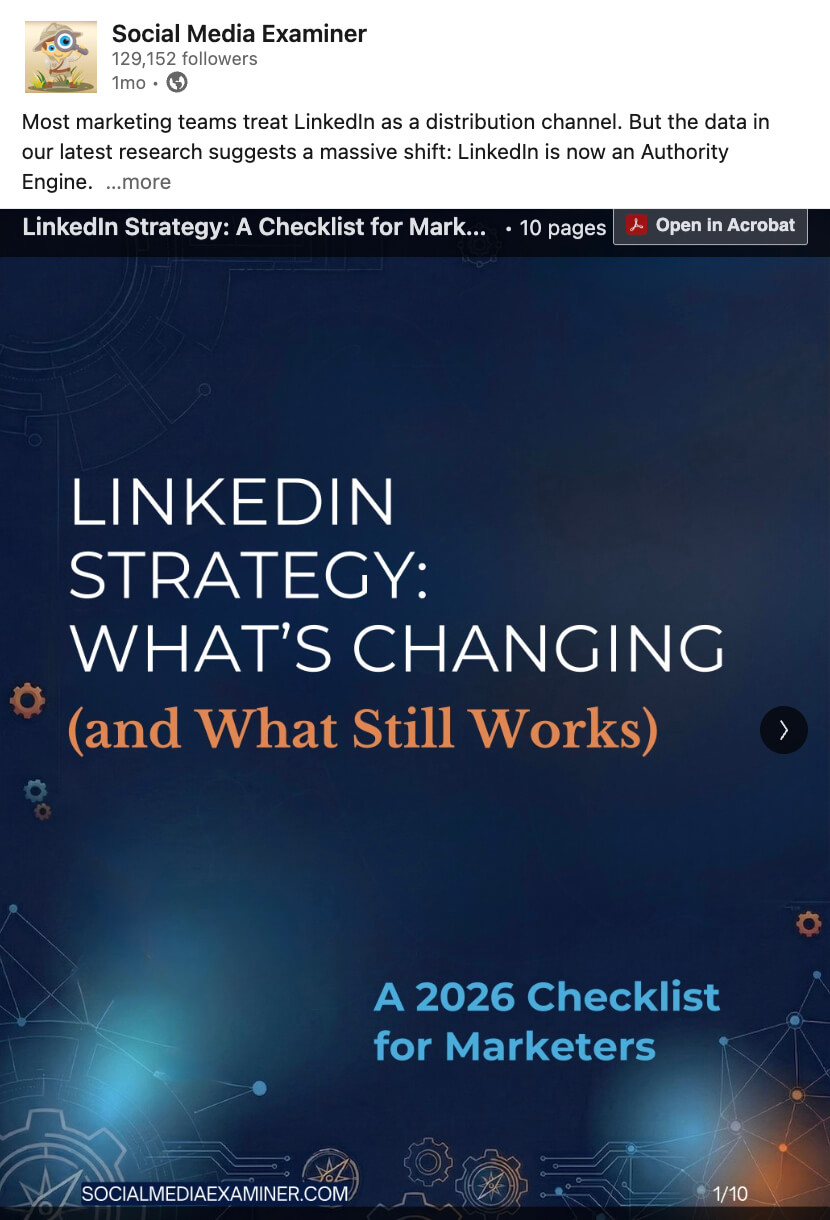
Carousels and document-style posts significantly outperform static images. They require the user to perform an action—the "swipe"—which is a gold-standard signal for the algorithm. Use this format to break down complex concepts into step-by-step guides or tip lists.
Optimize the "Hook" for the "See More" Click
Because 50% of all impressions occur within the first 48 hours, you have a limited window to capture interest. A strong opening sentence must create enough curiosity to compel the user to click "see more."
- Avoid the "Everything" approach: Don’t give away the punchline in the first two lines.
- Focus on the Pain Point: State a problem that your audience is currently struggling with and promise the resolution further down the post.
Prioritize Comment Density over Comment Count
The algorithm is no longer impressed by a high volume of generic, one-word comments. It is now looking for comment density—the depth of conversation.
- The Power of Back-and-Forth: A thread where you engage in a substantive dialogue with your reader carries significantly more weight than ten comments that simply say "Great post!"
- Speed Matters: Responding to comments within the first hour of publication signals to LinkedIn that your post is currently "hot" and encourages the system to serve it to a larger audience.
5. Overcoming Content Fatigue
Marketers often fear that repeating their core message will bore their audience. However, AJ Wilcox suggests two critical reframes for this mindset:
- Your Audience is Always Rotating: You aren’t writing for the same people every day. New prospects are entering your orbit constantly. What is "old news" to you is a "breakthrough discovery" to someone encountering your brand for the first time.
- Vary the Approach, Not the Subject: If you are an expert in LinkedIn Ads, you don’t need to change your topic. You need to change your metaphor. Use different formats, fresh case studies, or even AI tools to generate new angles on your core subject.
Pro Tip: Your audience will tell you what they need if you listen. Pay close attention to the questions you receive in your DMs or in the comment sections of your posts. Each question is a seed for a new, high-authority piece of content.
6. Implications for the Future of Professional Branding
The "rebuilt" LinkedIn algorithm marks a move toward a meritocracy of ideas. By rewarding topical authority and substantive engagement, LinkedIn is effectively pushing users to stop "posting for the sake of posting" and start contributing to meaningful professional discourse.
Key Takeaways for Your Strategy:
- Consolidate your niche: Don’t be a jack-of-all-trades. Become the go-to voice in one specific area.
- Design for interaction: If you are not creating content that encourages swiping, clicking, or deep conversation, you are invisible to the modern algorithm.
- Ignore the vanity metrics: Stop obsessing over the number of likes. Focus on whether your content is prompting readers to expand your posts and engage in the comments.
- Quality over frequency: A series of well-researched, deep-dive posts that generate a conversation is vastly superior to daily, low-effort status updates.
The platform is evolving. It is becoming a place where original, expert-level thinking is the only currency that matters. If you can align your content strategy with these new signals, you won’t just survive the algorithm update—you will thrive in the new LinkedIn ecosystem.
About the Experts
This guide was co-created with AJ Wilcox, a world-leading expert in LinkedIn Ads and the founder of B2Linked. He specializes in helping B2B companies drive high-quality leads at scale. For more actionable advice on the platform, listen to The LinkedIn Ads Show podcast.