The Visual Prescription: Top 5 Video Editing Tools for Healthcare Marketing in 2025
In the rapidly evolving landscape of digital health, video has transcended its role as a mere marketing tactic to become a cornerstone of patient engagement. From simplifying complex clinical procedures to humanizing the faces behind hospital wards, video content is the primary medium through which modern healthcare providers build trust. As we look toward 2025, the pressure on healthcare marketers to deliver high-quality, compliant, and accessible content has never been greater.
Navigating the intersection of creative storytelling and the stringent regulatory environment of healthcare—where HIPAA compliance and clinical accuracy are paramount—requires more than just a creative eye. It requires the right technological stack. Below, we explore the definitive landscape of video editing tools tailored for the healthcare sector in 2025.
The Digital Transformation of Healthcare Communication
Video marketing is fundamentally altering the patient journey. Research indicates that patients are significantly more likely to trust a medical provider after viewing educational video content. For hospitals and medical technology firms, this shift represents an opportunity to demystify health conditions and provide clarity in an era of information overload.
However, the healthcare marketer’s toolkit is constrained by necessity. Unlike retail or lifestyle marketing, healthcare content must balance aesthetic appeal with medical precision. Whether you are producing a testimonial for a specialized oncology unit or an explainer video for a new medical device, the production quality must reflect the professional standard of the care provided.

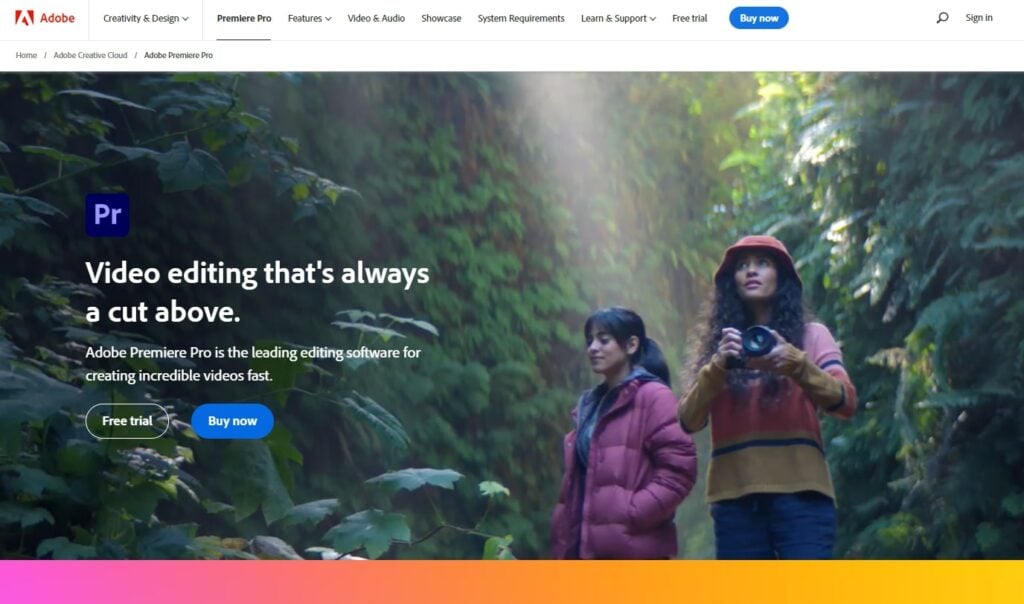
1. Adobe Premiere Pro: The Industry Standard for Clinical Precision
For large-scale healthcare organizations and creative agencies, Adobe Premiere Pro remains the gold standard. It provides the heavy-duty infrastructure required for professional-grade video production that meets the high expectations of stakeholders.
Key Features and Workflow
Premiere Pro offers a non-linear editing environment that allows for complex multi-camera setups—essential for filming surgical procedures or high-stakes physician interviews. Its integration with Adobe Creative Cloud allows for seamless movement between motion graphics (After Effects) and audio cleanup (Audition), ensuring that patient testimonials are not only visually polished but crystal clear in their delivery.
Implications for Healthcare Marketing
The ability to handle high-resolution raw footage ensures that medical detail is never lost in compression. When accuracy is the metric of success, Premiere Pro’s precision tools allow editors to highlight specific medical data or procedural steps without compromise.
- Pros: Industry-leading versatility, advanced color correction, and unparalleled integration.
- Cons: Steep learning curve; requires significant hardware investment.
- Best for: Comprehensive hospital branding campaigns and documentary-style medical storytelling.
- Pricing: $20.99/month.
2. Animaker: Bridging the Gap in Patient Education
Often, the most challenging aspect of healthcare marketing is explaining the "invisible"—the way a drug interacts with a cell or how a specific surgery impacts anatomy. Animaker addresses this through intuitive, AI-powered animation.
Bridging the Knowledge Gap
Healthcare providers often face the "medical jargon barrier." Animaker allows marketing teams to translate clinical white papers into digestible, animated explainer videos. By using character-based storytelling, hospitals can make complex topics like diabetes management or post-operative care feel approachable and less intimidating for patients.
Chronology of Adoption
Over the last three years, Animaker has seen a surge in adoption among public health agencies. Its library of pre-built medical assets—ranging from anatomical models to healthcare-themed icons—dramatically reduces the time-to-market for critical health campaigns.
- Pros: Extensive asset library, user-friendly drag-and-drop interface, AI-voiceover integration.
- Cons: Limited customization compared to professional 3D animation software.
- Best for: Educational explainers and public health awareness initiatives.
- Pricing: Free plan available; Paid plans start at $15/month.
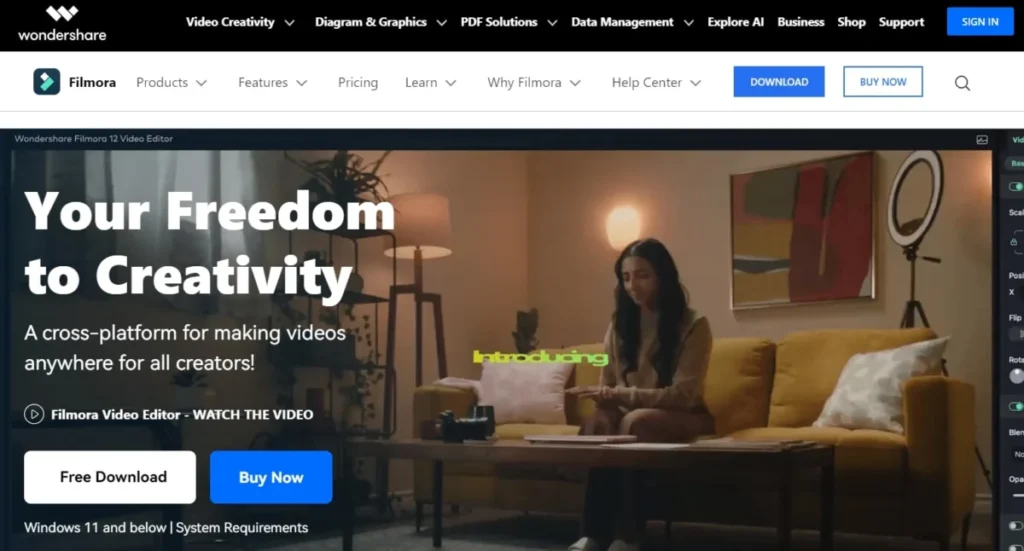
3. Filmora: Balancing Efficiency and Storytelling
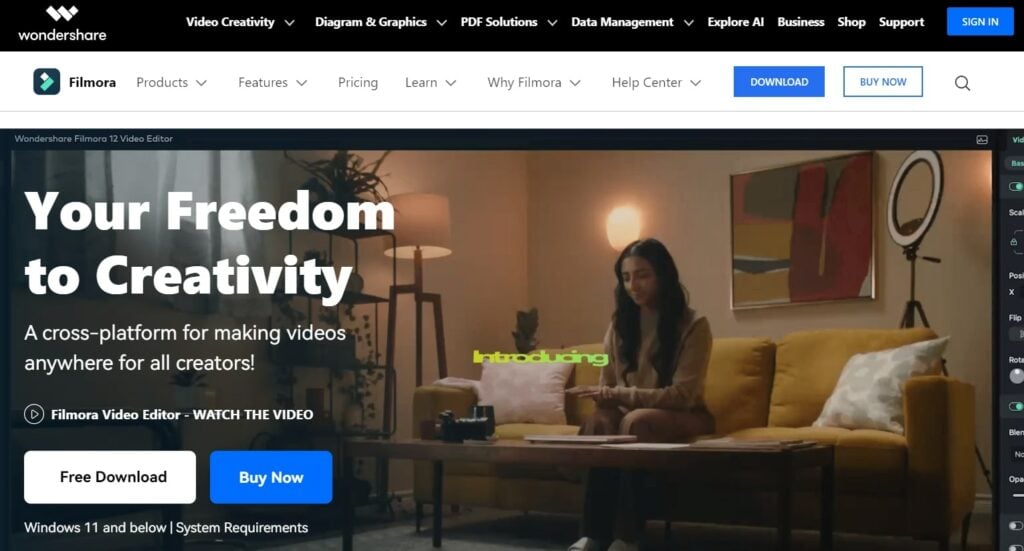
For medium-sized practices and clinics that need to produce content at scale without a full-time film crew, Filmora offers a pragmatic balance. It sits in the "sweet spot" of video editing—powerful enough to look professional, yet intuitive enough to be operated by a communications team member with minimal training.
Empowering Internal Teams
Filmora’s strength lies in its speed. With a vast array of built-in transitions, filters, and royalty-free music, teams can quickly pivot from a "Meet the Doctor" video to a facility tour update. For organizations that need to maintain a constant social media presence to stay relevant in local SEO rankings, Filmora is a vital asset.

Supporting Data
According to current marketing benchmarks, video content that is updated regularly performs 40% better on social channels. Filmora’s streamlined workflow enables teams to maintain this velocity without sacrificing the brand identity of the healthcare provider.
- Pros: Highly intuitive interface, excellent selection of templates, rapid export speeds.
- Cons: Watermarks on the free version; some advanced features are locked behind plugins.
- Best for: Quick, recurring social media updates and patient success stories.
- Pricing: Starts at $49.99/year.
4. iMovie: The Accessible Foundation for Mac-Based Providers
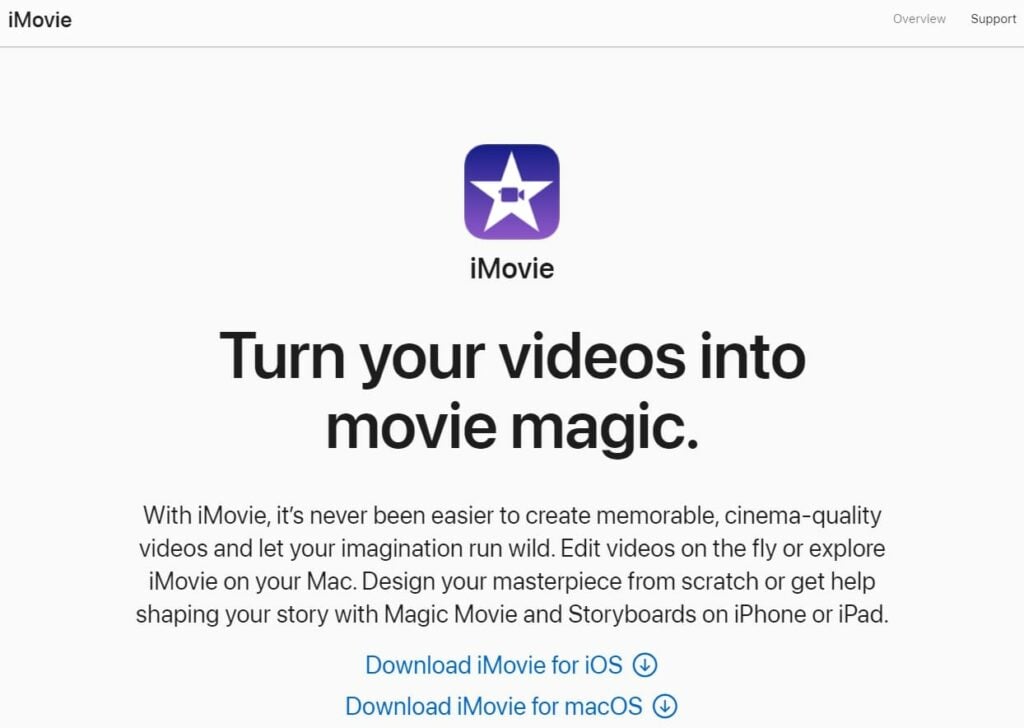
For individual practitioners, private practice owners, or small medical offices already operating within the Apple ecosystem, iMovie remains a formidable entry point. It is the proof that high-quality content does not always require a four-figure software subscription.
The Case for Simplicity
In healthcare, authenticity often outweighs production value. A video shot on a smartphone featuring a genuine, warm conversation with a physical therapist can be more impactful than a sterile, over-produced corporate video. iMovie allows for simple cuts, basic title overlays, and sound balancing, providing a clean look that respects the viewer’s time.
Limitations and Strategy
While iMovie lacks the advanced color grading or motion tracking of higher-tier software, it is sufficient for the vast majority of patient-facing social media content. It serves as an excellent starting point for organizations testing the waters of video marketing.
- Pros: Completely free for Apple users, simple and clean UI, reliable performance.
- Cons: Limited in advanced visual effects and multi-track audio capabilities.
- Best for: Solo practitioners and small offices focusing on authentic, quick-turnaround content.
- Pricing: Free.
5. DaVinci Resolve: The Cinematic Choice for Medical Documentaries
For organizations aiming to create high-impact, cinematic content—such as a hospital’s annual review or an in-depth documentary on a breakthrough research department—DaVinci Resolve is the unrivaled choice.
Professional-Grade Color Grading
Healthcare settings are often plagued by poor, artificial lighting. DaVinci Resolve’s industry-leading color correction tools can turn dull, fluorescent-lit footage into warm, inviting, and professional visuals. This "cinematic" look is essential for building prestige and authority.
Official Perspectives and Market Implications
Industry experts note that as healthcare becomes more competitive, hospitals are increasingly investing in "premium" video content to differentiate their services. DaVinci Resolve allows these institutions to produce content that rivals broadcast television quality, helping to attract top-tier patients and research partners.
- Pros: Unmatched color grading, powerful audio post-production, professional-grade visual effects.
- Cons: Extremely hardware-intensive; requires a steep learning curve.
- Best for: High-budget medical documentaries and high-end brand films.
- Pricing: Free version available; Studio version is a $295 one-time purchase.
Conclusion: Crafting Your Strategy
The selection of a video editor should not be based on the number of features, but on the alignment between the tool and your organizational goals.
- If you are a large hospital system: Adobe Premiere Pro provides the infrastructure to maintain brand consistency across various departments.
- If you are a public health clinic: Animaker will help you communicate complex preventative care protocols clearly.
- If you are a private practice: Filmora or iMovie will allow you to maintain a consistent social media presence without overwhelming your staff.
- If you are a research institute: DaVinci Resolve will provide the cinematic polish necessary for high-stakes storytelling.
Ultimately, the most effective video strategy is one that is sustainable. By choosing the right tool, you not only improve the quality of your content but also empower your team to communicate with the empathy, clarity, and authority that the healthcare industry demands in 2025. Which of these tools will be the cornerstone of your digital strategy in the coming year?