Mastering the Science of Attention: A Psychological Blueprint for Short-Form Video Success
In the current digital landscape, the "scroll-past" phenomenon has become the primary hurdle for marketers and content creators. As social media platforms like TikTok, Instagram Reels, and YouTube Shorts dominate consumer attention, the competition for a few seconds of engagement has intensified. However, while many creators obsess over shifting algorithms and trending audio, a more profound discipline is at play: the science of human attention.
According to Hilary Billings, a renowned content strategist and founder of Attentioneers, the secret to viral success is not hidden in a platform’s code but in the biological and psychological makeup of the viewer. In a comprehensive analysis of the short-form medium, Billings posits that while platform tactics account for about 10% of a video’s performance, the remaining 90% is driven by psychological fundamentals.
This report explores the framework of "Attention Science," breaking down the connection, reputation, and emotional triggers that compel viewers to stop scrolling and start engaging.
Main Facts: The Shift from Algorithms to Psychology
The prevailing narrative in digital marketing suggests that to succeed, one must "hack" the algorithm. Billings’ research challenges this notion. Alongside her team, she conducted an exhaustive study, analyzing thousands of viral videos to identify the variables that correlate with high performance. They tracked everything from hand gestures and wardrobe choices to editing cuts and the use of trending music.
The findings were transformative: posting frequency, popular challenges, and specific hashtags were inconsistent predictors of success. Instead, the videos that consistently performed well adhered to timeless psychological principles.
The 90/10 Rule of Content
Billings defines the "90/10 Rule" as a guiding principle for modern creators. The 10% represents the technical aspects—the hashtags, the AI-driven captions, and the platform-specific features. The 90% represents the "Science of Attention," a deeply human skill set that involves engineering sustained engagement. By mastering this 90%, creators can insulate themselves against platform volatility and the rise of AI-generated content, which still struggles to replicate genuine human connection.
Chronology of a View: The Two-Second Window
To understand how to create better content, one must first understand the chronology of how a viewer consumes it. The modern attention span is often criticized, but Billings argues it is not shrinking; rather, it is becoming more sophisticated.
The Split-Second Judgment
The "thumb-stop" moment occurs in approximately two seconds—the time it takes for a user to swipe from the bottom to the top of their screen. In this window, the human brain performs a lightning-fast audit of the content. Viewers are subconsciously reading:
- Facial Cues: Is the creator welcoming, intense, or distracted?
- Body Language: Does the energy match the message?
- Alignment: Does this feel like an authentic representation of a brand, or a forced performance?
If there is a perceived mismatch between the creator’s energy and the content’s intent, the viewer experiences a "cognitive dissonance" and moves on. This initial stage is the foundation of the first pillar of attention: Connection.
Supporting Data: The Economics of Authenticity
The second pillar of the Science of Attention is Reputation, which Billings operationalizes through her "Authenticity Formula": Values multiplied by Voice.

The Value Proposition
Supporting data from a national personal brand study by the Brand Builders Group reveals the financial impact of shared values. The study found that over 70% of consumers are willing to pay more for a product or service if the company’s founder shares their personal values.
In the context of short-form video, values act as a trust-building mechanism. However, Billings notes a common mistake: creators often state their values explicitly. "Values shouldn’t be told; they should be shown," she explains. A creator who values sustainability doesn’t need to give a lecture on the environment; they simply need to feature reusable products or eco-friendly habits as a natural backdrop to their content.
The Power of Voice
Voice is the personification of the brand. It is the "how" of the reputation—the specific personality (edgy, humorous, provocative, or nurturing) that delivers the message. When a clear voice is multiplied by consistent values, it creates a "frequency" that attracts aligned viewers while naturally filtering out those who are not a fit.
Case Study: Duolingo
The language-learning app Duolingo serves as a primary example of this formula. The brand made a strategic decision to avoid heavy product promotion in its short-form content. Instead, they leaned into a chaotic, humorous, and sometimes "unhinged" brand voice centered around their mascot, Duo the Owl. By being radically clear about their personality and values, they became the number-one language-learning platform, trusting that the audience would bridge the gap from the entertainment to the app themselves.
Official Responses: Engineering Emotion through Brain Science
The third pillar, Emotion, is described by Billings as the "engine" that makes content spread. To understand why emotion is vital, one must look at the official biological responses of the human brain.

The Amygdala vs. The Prefrontal Cortex
The amygdala, the brain’s emotional processing center, handles stimuli approximately 80,000 times faster than the prefrontal cortex, the seat of logic and rational thought.
"By the time a viewer starts to logically evaluate whether your video is ‘useful’ or ‘informative,’ their amygdala has already decided how they feel about it," Billings says. If a video fails to spark an emotional response in the opening seconds, the viewer is lost before the logical value of the content can even be processed.
The "Promotional" Nature of Emotion
There is a direct correlation between emotional arousal and the impulse to share. When humans experience an emotion—joy, anger, surprise, or empathy—alongside another person (even through a screen), the brain releases neurochemicals that reinforce bonding. This leads to Billings’ mantra: "When people get emotional, they get promotional."
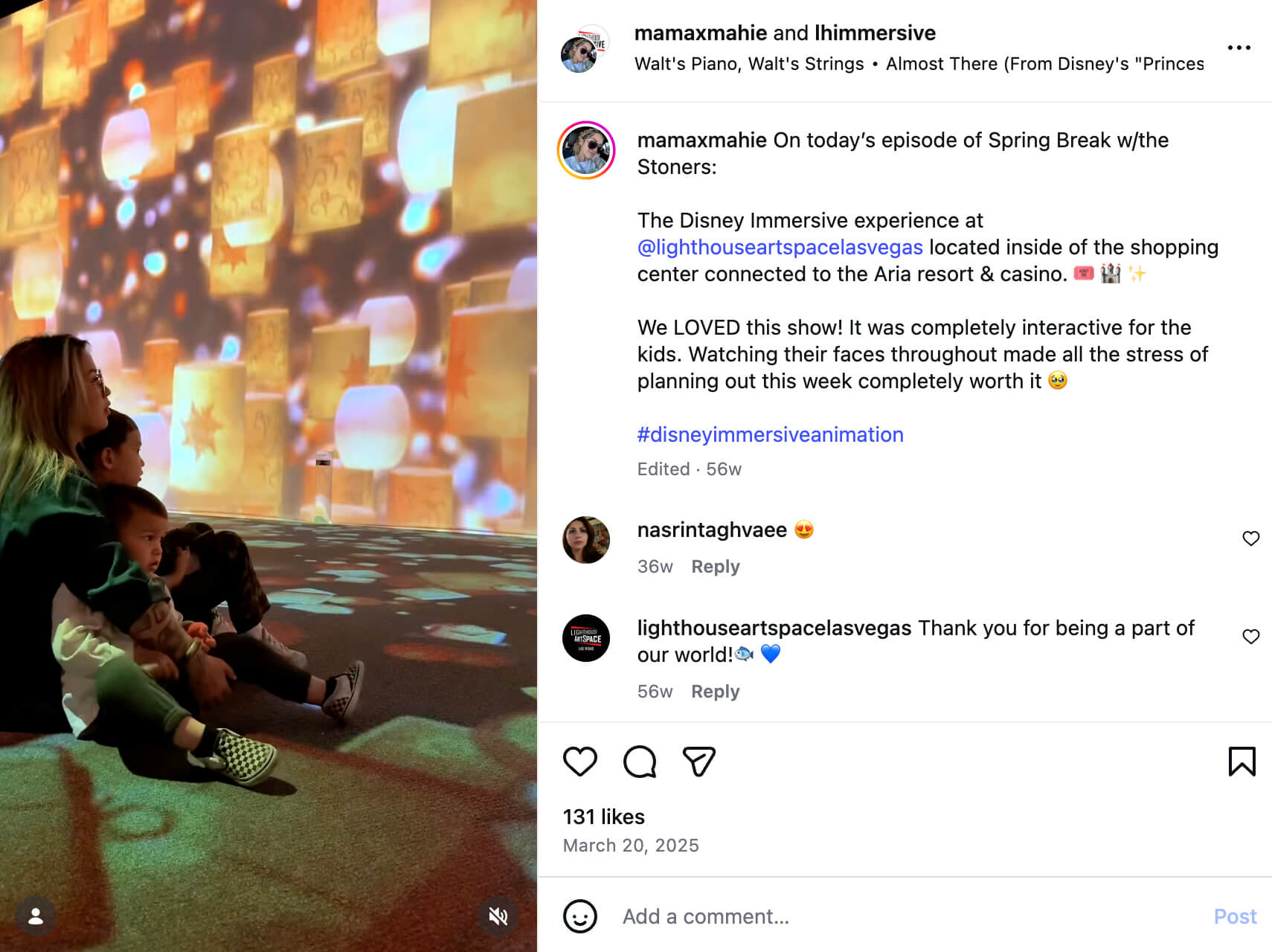
Case Study: Lighthouse Immersive
Lighthouse Immersive, the company behind the "Van Gogh Exhibit," struggled with social media engagement despite having visually stunning content. Their videos showcased the art, but the metrics were flat.
Upon analysis, Billings shifted their strategy from the "art" to the "human experience." They began filming proposals, multi-generational family interactions, and the emotional reactions of visitors. By focusing on the story of the people within the exhibit rather than just the exhibit itself, the content resonated on a human level, leading to a surge in shares and ticket sales.

Implications: A Strategic Framework for Creators
The implications of the Science of Attention are clear: the future of marketing belongs to those who can master human psychology rather than those who simply chase trends. To apply these insights, Billings suggests a practical pre-production checklist.
The Three-Question Audit
Before filming, every creator should ask:
- What do I want the viewer to feel? (The emotional goal)
- What do I want them to do? (The call to action)
- What do I want them to remember? (The core takeaway)
Once the desired emotion is identified, it must dictate every production choice—from the camera angle and music selection to the pace of the speech and the initial facial expression.
The Role of Relatability
The final layer of the strategy is relatability. A video succeeds when a viewer can recognize a piece of their own life within the content. This "mini-story" approach allows the audience to feel seen, which is the ultimate form of connection.
The Future of the Industry
As AI tools become more capable of generating high-quality visuals and scripts, the human element—the ability to project genuine alignment and spark real emotion—will become the most valuable currency in the creator economy. Marketers who build this skill set now are positioning themselves for long-term career longevity.
In conclusion, short-form video success is not a matter of luck or "gaming" a system. It is a deliberate application of evolutionary psychology. By focusing on connection, defining a reputation through the Authenticity Formula, and engineering emotional resonance, brands can create content that doesn’t just stop the scroll, but starts a conversation.