The Great Instagram Pivot: New Tools for Traffic, Grid Curation, and Content Optimization
The landscape of social media marketing is undergoing a fundamental transformation as platforms move away from purely "walled garden" ecosystems toward more utility-driven environments. For years, Instagram has been notorious for its resistance to outbound traffic, forcing marketers into the "link in bio" bottleneck. However, a series of significant updates to the platform’s interface and creative tools suggests a strategic shift.
In this comprehensive report, we analyze the latest developments in Instagram’s ecosystem—including clickable caption links, advanced grid customization, expanded sticker capabilities, and the maturation of the native Edits app—to understand how brands can leverage these tools to establish a more resilient digital presence.
Main Facts: A New Era of Functional Marketing
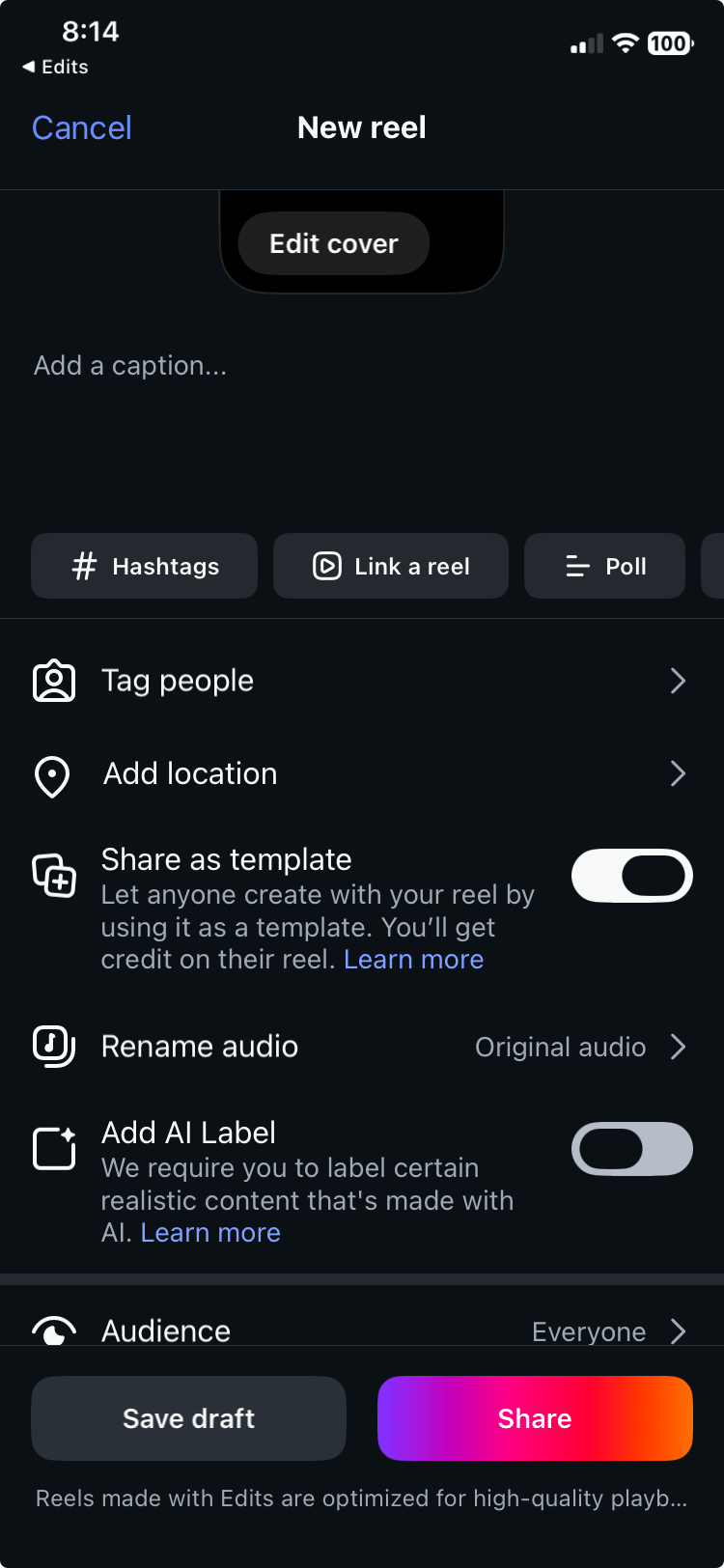
Instagram is currently rolling out four major updates designed to increase user autonomy and brand trackability. The most significant is the experimental introduction of clickable links within post captions, a feature previously reserved for advertisements or specific high-profile accounts. This is accompanied by a suite of grid customization tools that allow for post-rearranging and thumbnail editing, a branded sticker engine integrated with Giphy, and a massive overhaul of the Instagram Edits app, which now includes teleprompter functionality and in-Reel linking.
Collectively, these features signal Meta’s acknowledgment that creators and businesses require more sophisticated tools to convert "scrollers" into "customers" without relying solely on third-party landing pages like Linktree or Beacons.
Chronology of the Platform Shift
The rollout of these features follows a distinct timeline of competitive pressure and monetization strategy:
- Late 2023 – Early 2024: Meta began aggressive expansion of the "Meta Verified" program, seeking to diversify revenue beyond advertising.
- Mid-2024: The "Cutouts" sticker tool was introduced, allowing users to turn any photo into a digital asset, signaling a move toward user-generated content (UGC) interactivity.
- Q3 2024: Instagram began testing caption links with a subset of Meta Verified users, specifically targeting those with "Creator" or "Publisher" designations.
- Q4 2024: The platform released "Grid Rearrangement" and "Thumbnail Editing" globally, addressing long-standing complaints from aesthetic-driven brands about the rigidity of the profile view.
- Present: The integration of the Edits app features—specifically templates and voiceover teleprompters—marks the platform’s attempt to compete directly with external editing suites like CapCut.
1. The Disruption of Outbound Traffic: Caption Links
For over a decade, the inability to place a clickable link in an Instagram caption was the platform’s defining limitation. Marketers were forced to use "link in bio" as a call to action, adding an extra layer of friction to the customer journey.
The Meta Verified Connection
The current test of clickable caption links is restricted to Meta Verified users. According to industry expert Chelsea Peitz, this access is further narrowed by account type. The feature appears predominantly on "Creator" and "Publisher" accounts rather than standard "Business" accounts.
Marketers should note that the distinction between these account types is often fluid. Many business owners have found success by switching their account category in the backend settings to "Creator" to unlock specific features—such as the full copyright-free music library—and the same logic may apply to caption links.
Strategic Application
The limit of 10 clickable links per month forces a strategic approach. Peitz suggests two primary use cases:
- Direct Sales Conversion: Using a link for high-ticket items like courses, books, or seasonal product launches.
- The "Start Here" Pin: By adding a link to a pinned post at the top of the grid, a brand can create a permanent "front door" for new visitors, ensuring that the conversion opportunity remains visible long after the post’s initial algorithmic peak.
2. Profile Curation: The Digital Storefront
While the "Feed" is where discovery happens, the "Profile Grid" is where the brand identity is solidified. Instagram’s new grid customization tools address the reality of the "first impression" economy.

Thumbnail Editing and Grid Rearranging
Users can now edit post thumbnails directly from the profile view. This includes zooming, repositioning, or uploading an entirely new cover image. Crucially, this change only affects the grid view and does not alter how the post appears in the main feed or for those who have already seen it.
Furthermore, the "drag-and-drop" functionality to rearrange the order of posts allows brands to highlight specific content without the need to delete and repost.
Marketing Implications: Desktop vs. Mobile
While daily followers rarely visit a profile, new leads do. Peitz points out that many high-intent profile visits—such as those coming from LinkedIn, Google searches, or professional websites—often happen on desktop browsers. On a large screen, the grid aesthetic is the primary communicator of brand authority. For lifestyle brands, hotels, and visual artists, the ability to maintain a polished, curated grid is no longer a luxury; it is a requirement for credibility.
3. Creative Interactivity: Branded and Custom Stickers
Instagram has expanded its sticker ecosystem to move beyond simple "polls" and "questions." The new "Cutouts" tool allows for the creation of custom stickers from any image in a user’s camera roll.
The Giphy Strategy
By allowing users to upload custom stickers to Giphy, Instagram is facilitating a new form of "viral branding." However, the challenge for marketers is avoiding the "logo trap." Users rarely search for corporate logos to add to their stories.
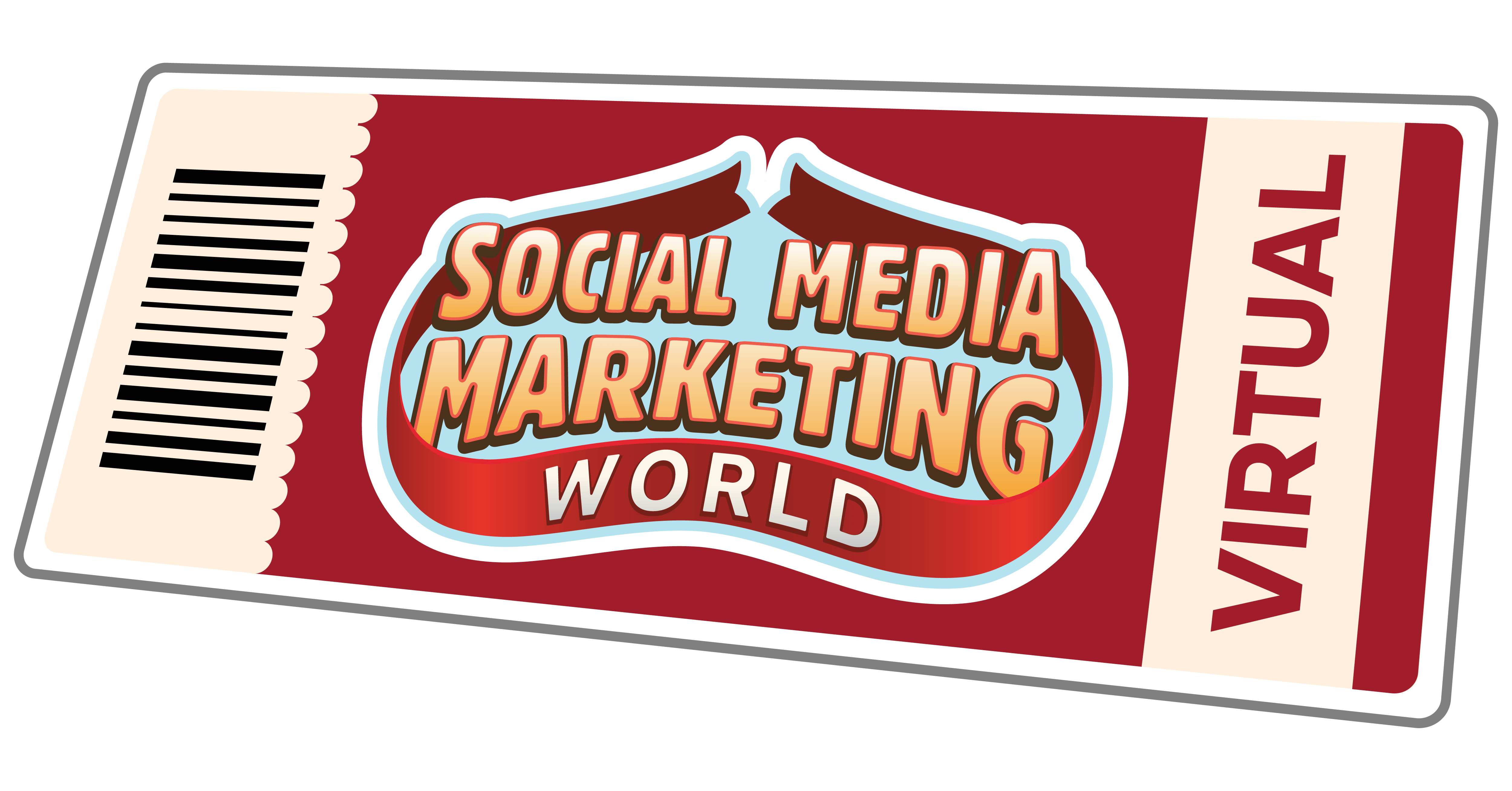
Instead, Peitz recommends a "Meme-First" approach. Brands should create stickers that capture a specific mood, emotion, or shared industry joke. If a sticker is useful for self-expression, users will adopt it.
Pro Tip: When uploading to Giphy, use a highly specific, unique "nonsense" tag (e.g., a random string of characters) so that internal team members and campaign partners can find the assets easily amidst the millions of generic results.
4. The Native Editing Revolution: The Edits App
The Instagram Edits app has evolved from a basic trimmer into a robust production suite. The goal is clear: keep creators within the Meta ecosystem rather than losing them to third-party apps.
Video Format Templates
Templates allow users to bake transitions, music, and timing into a reusable format. For marketers, this is a powerful tool for UGC campaigns. A brand can release a branded template, encouraging followers to simply "drop in" their own footage. This removes the technical barrier to entry for fans who want to participate in a brand’s narrative but lack editing skills.
The Voiceover Teleprompter
One of the most significant hurdles for solo creators is the "voiceover lag"—the difficulty of syncing narration with on-screen action. The new voiceover teleprompter allows users to record audio while reading a script on screen, without the distraction of the video playback. This ensures a professional, measured delivery that can be synced precisely afterward.
In-Reel Linking
The Edits app now supports linking directly to other Reels or profiles from within the video content. This allows for "content funnels," where a short teaser Reel can link directly to a longer, more detailed Reel, keeping the user engaged with the brand’s content for longer durations.
Official Responses and Expert Analysis
Meta has not officially commented on whether posts containing caption links will suffer from reach suppression. Historically, social platforms penalize content that directs users away from the app. However, the expert consensus, led by Chelsea Peitz, suggests that the Meta Verified subscription fee may act as a "hedge" against this loss.
By charging a monthly fee ($14.99 to $49.99 depending on the tier), Meta offsets the lost revenue from "watch time" that occurs when a user clicks an outbound link. This creates a "pay-to-play" model for traffic that offers a more reliable ROI for serious businesses than the traditional organic-only approach.
Supporting Data: The Value of Retention
Industry data suggests that the average user spends roughly 33 minutes per day on Instagram. Every second spent outside the app is a second Meta cannot monetize through ad impressions.
- The Subscription Logic: If a user clicks an outbound link in a caption, they may not return to the app for several minutes. A $49/month subscription fee effectively "purchases" that lost attention time back for Meta.
- The Profile Visit Metric: Research indicates that for "Creator" accounts, profile visits often have a 5-10% conversion rate into "follows" or "link clicks." Optimizing the grid via the new thumbnail tools directly impacts this conversion funnel.
Implications: What This Means for Your Brand
The introduction of these tools marks the end of the "static" Instagram era. To remain competitive, brands must move beyond the "post-and-forget" mentality.
- Account Type Audit: Businesses should evaluate if switching to a "Creator" or "Publisher" status is necessary to unlock the next generation of traffic tools.
- Conversion-Centric Pinned Posts: Every brand should have at least one pinned post with a clickable caption link (if available) that serves as a direct lead magnet.
- UGC Democratization: By using the Edits app templates, brands can turn their customer base into a decentralized marketing department, providing them with the tools to create high-quality, branded content with minimal effort.
- Aesthetic Maintenance: The profile grid is now a dynamic landing page. Regularly "refreshing" the grid by rearranging posts to reflect current promotions or seasonal trends is now a standard operational procedure.
In conclusion, Instagram is no longer just a place to "show" a brand; it is becoming a place to "operate" a brand. Those who master the technical nuances of these new tools will find themselves with a significant advantage in the increasingly crowded attention economy of 2025.