The Future of AI and Selling: How One Workflow Closed a $12K Deal
In the traditional landscape of digital marketing sales, the first meeting is often a high-stakes, nerve-wracking performance. Agencies and freelancers typically enter these calls hoping to secure a client through persuasion, slide decks, and promises of future results. However, a new paradigm is shifting the power dynamic entirely: the "Value-First" approach, powered by AI.
Etan Polinger, an AI consultant and strategist, has pioneered a workflow that enables service providers to walk into their first prospect meeting with a fully functional prototype, a custom-branded design system, and a tailored pitch. The result? A dramatic increase in closing rates and, more importantly, the ability to selectively choose clients. Polinger’s recent success in closing a $12,000 deal using this exact method suggests that for digital service providers, the future of sales is no longer about pitching—it is about demonstrating.
The Paradigm Shift: From Pitching to Proving
Most sales conversations are framed by an unspoken, desperate question: “I hope they choose me.” This scarcity mindset forces the provider to act as a supplicant, attempting to convince the prospect that they are the right choice.
Polinger argues that AI allows for a complete inversion of this dynamic. By front-loading the heavy lifting—research, branding, and prototyping—before the initial call, the salesperson arrives with so much tangible value that the prospect’s mindset shifts from "Should I hire them?" to "Can they actually take me on?"
Before the advent of generative AI, this level of pre-meeting preparation would have required a small team of developers, designers, and researchers working for several days. Today, a single individual can accomplish the same in roughly four hours. This efficiency isn’t just a time-saver; it is a competitive moat. When you show up with a working solution that matches the prospect’s brand, you are no longer a commodity; you are a partner.
The Chronology of a $12,000 Deal
To understand the effectiveness of this approach, one must look at the timeline of Polinger’s recent $12,000 success story.
- The Identification: While participating in an online community, Polinger encountered a potential client expressing a specific need for a custom digital widget.
- The Initial Commitment: Rather than sending a generic "Let’s chat" email, he provided a brief, confident response: "I think I can help."
- The Deep Work Phase (4 Hours): Over a short period, Polinger utilized AI to analyze the prospect, research the company’s market position, extract branding elements, and build a working prototype.
- The "Wow" Meeting: Polinger walked into the first meeting with a functional, branded prototype.
- The Closing: The dynamic flipped instantly. The client, impressed by the speed and accuracy of the delivery, began expressing concern about whether Polinger had the bandwidth to accommodate their project. The deal was effectively secured on the spot.
Step-by-Step: The AI-Powered Workflow
1: Mastering the Prospect’s Ask
The process begins with absolute clarity. Often, prospects express a need, but they lack the technical vocabulary to describe the desired outcome. Polinger’s first move is to extract the core intent from the noise. Whether it is a messy email thread or a transcript from a discovery call, he feeds the text into an AI model with a simple prompt: “What do they want? Answer in one sentence that anyone can understand.”
By focusing on the outcome—the "what"—rather than the "how" (the technical stack), Polinger avoids getting bogged down in unnecessary jargon. Once the AI identifies that the prospect wants, for instance, a chat widget, he confirms he can deliver that outcome. Only after this confirmation does he begin the deeper, personalized research.

2: Deep Research and Profiling
To provide a bespoke solution, you must understand the client as well as they understand themselves. Polinger conducts three distinct research passes using AI tools like ChatGPT, Claude, or Gemini.
- The Person: He analyzes the prospect’s online footprint—podcasts, interviews, and public statements. By pulling transcripts, he can mirror their tone and identify the specific problems they are vocal about.
- The Company: He scrapes the website and public data to understand the business model. For smaller, less-documented businesses, he relies on available signals like job postings, which are goldmines for understanding a company’s strategic priorities.
- The Market: By analyzing the competitive landscape, Polinger ensures he has a "safety net." If the prospect isn’t ready for a custom build, he has already prepared an alternative strategy, such as configuring an existing, out-of-the-box platform.
3: Creating the Brand Identity
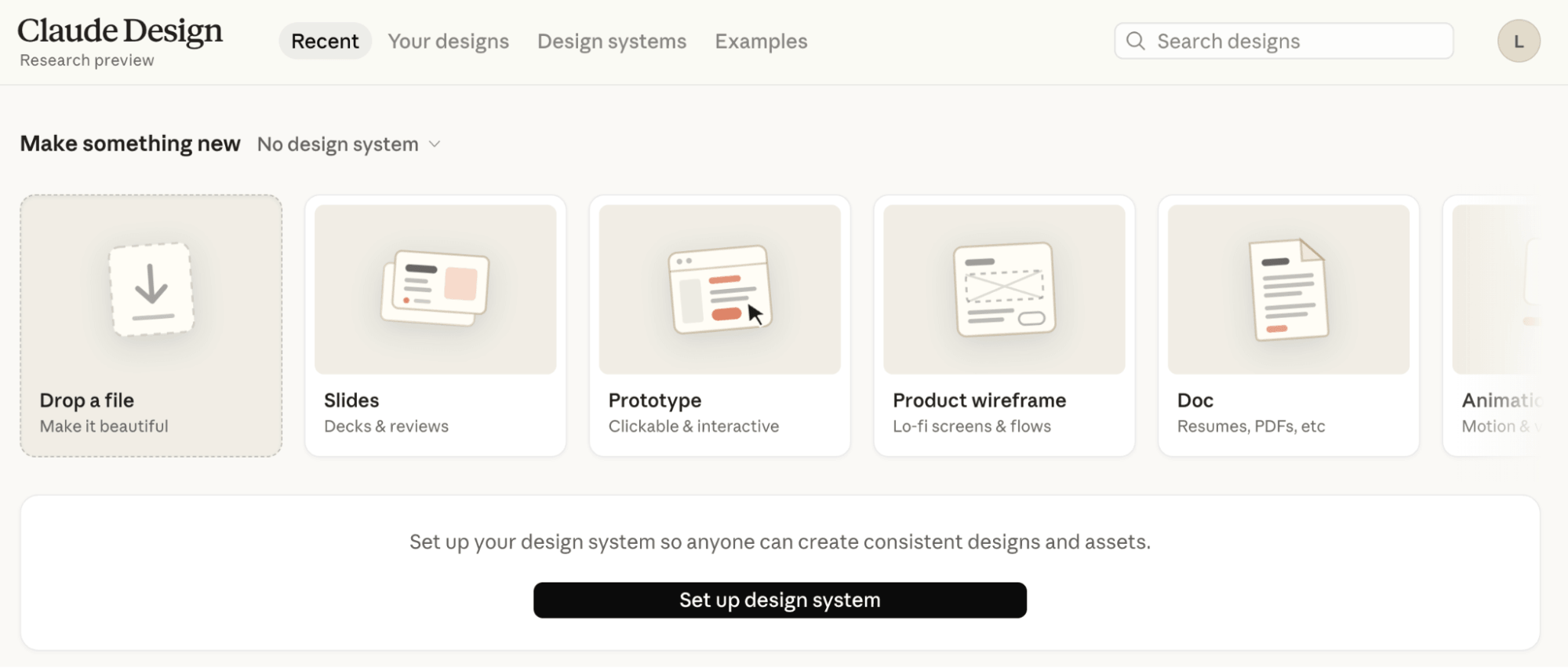
Presentation is where the "wow" factor lives. Polinger is not a designer by trade, but he utilizes browser tools like WhatFont and ColorZilla to extract the visual DNA of the prospect’s existing brand. He then uploads these assets to Claude Design.
The AI automatically creates a comprehensive style guide, including code snippets for UI/UX elements like headers, footers, and data visualizations. This ensures that when the prospect sees the prototype, it feels like an organic extension of their current website, not a third-party add-on.
4: Prototyping and Presentation
The final stage is "vibe coding." Using tools like Claude Code or Replit, Polinger takes his style guide and instructs the AI: "Build a chat widget that uses these exact brand buttons."

He is not writing the code line-by-line; he is acting as the director of the project, using natural language to guide the AI to a functional output. When he presents this in the meeting, he isn’t showing a slide deck; he is showing a living, breathing tool.
Implications for the Future of Sales
The implications of this workflow are profound for the professional services industry.
- Higher Close Rates: By proving value upfront, the "ask" becomes a formality. The prospect has already seen that you can deliver, which drastically lowers the perceived risk of the transaction.
- Selective Client Acquisition: Because the process is so efficient, professionals can afford to spend time on high-value prospects rather than chasing volume. It turns the sales funnel into a filter for the clients you want to work with.
- The Death of the "Cold" Pitch: The era of the cold, impersonal outreach is ending. When you leverage AI to research and prototype before you even meet, your "cold" outreach becomes a warm, personalized introduction.
Official Perspective and Industry Context
Industry experts, including Michael Stelzner, host of the AI Explored podcast, emphasize that this transition represents a broader shift in how value is perceived in the digital economy. As AI becomes more integrated into business operations, the premium will be placed on those who can combine technical proficiency with high-level strategy.
The AI Business Society and similar organizations are currently training professionals to adopt these methods, noting that while the tools are available to everyone, the workflow—the systematic, four-hour deep-dive process—is what separates the successful from the stagnant.
Conclusion
The $12,000 deal closed by Etan Polinger serves as a blueprint for the modern marketer. By automating the drudgery of research and design, he has reclaimed the most valuable commodity in sales: time. In the future, the most successful service providers will not be those who can pitch the best, but those who can use AI to prove their capability before the prospect even opens their mouth.
The transition from "selling" to "demonstrating" is not just a trend; it is the new standard of professional excellence in an AI-augmented world. For those willing to put in the four hours of preparation, the rewards—both in revenue and client quality—are unprecedented.