Google Elevates Recipe Creator Links in AI Mode, Signaling Evolving Attribution Strategy
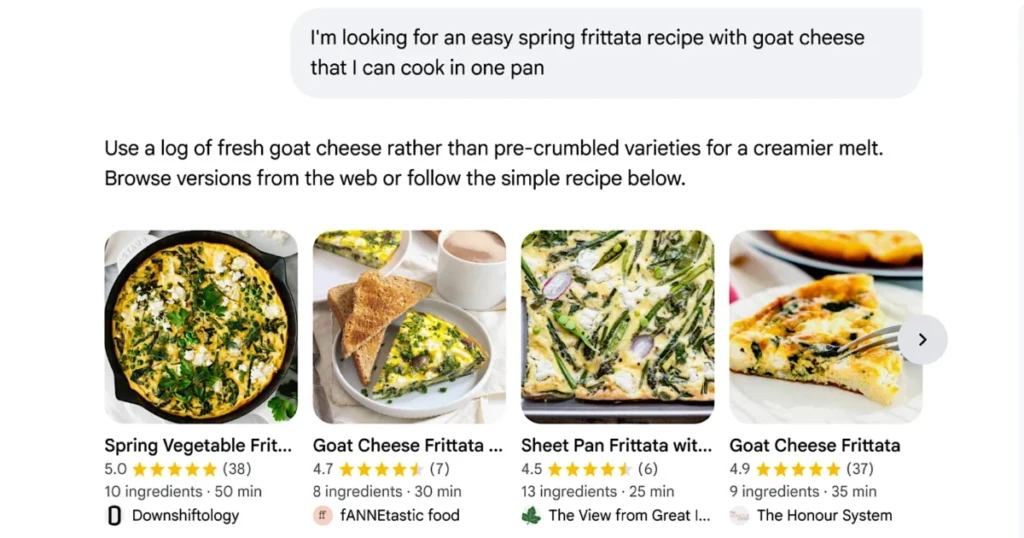
MOUNTAIN VIEW, CA – June 30, 2026 – In a significant update poised to reshape how culinary enthusiasts discover and interact with online recipes, Google has rolled out a new visual treatment within its AI Mode, placing direct links to recipe websites prominently at the apex of relevant search responses. This strategic enhancement, announced by Robby Stein, Google Search’s VP of Product, on X (formerly Twitter), aims to provide users with immediate access to original content while offering creators enhanced visibility through detailed snippets including creator names, recipe ratings, and ingredient counts.
The move marks a crucial step in Google’s ongoing effort to refine the integration of generative AI within its search interface, particularly for content-rich verticals like recipes. It comes amidst continuous feedback from the publisher community regarding AI-generated summaries and the critical importance of proper attribution and traffic generation for original content creators.
Google’s Latest Culinary AI Enhancement
Google’s newest update in AI Mode is more than just a minor tweak; it represents a refined approach to balancing the utility of AI-powered summaries with the necessity of driving traffic to the original sources that fuel the vast digital culinary landscape.
A New Frontend for Foodies
For users querying recipes, the AI Mode response will now feature a highly visual and informative section at the very top. This section will display multiple prominent links to recipe sites, each accompanied by a thumbnail image and crucial details designed to help users make informed choices at a glance. These details include:
- Creator Name: Directly attributing the recipe to its original author or website.
- Recipe Ratings: Providing a quick indicator of the recipe’s popularity and success based on user feedback.
- Number of Ingredients: Offering a practical metric for users considering complexity and pantry availability.
This new display is a clear departure from earlier AI Mode iterations that often prioritized AI-generated summaries, sometimes at the expense of direct links to source material. By pushing these detailed links to the forefront, Google is signaling a renewed emphasis on directing users to the comprehensive, original content found on publishers’ websites.
The Data Driving Discovery
The rich information presented alongside each recipe link – ratings, creator names, and ingredient counts – is highly indicative of Google’s reliance on structured data. Publishers who meticulously implement Schema.org markup (such as Recipe schema) on their websites provide Google with the granular data necessary to populate these enhanced snippets accurately. This structured data not only helps search engines understand the content but also enables them to display it in more engaging and informative ways, as evidenced by this latest update. The inclusion of these specific data points underscores the growing importance for recipe publishers to ensure their structured data is complete, accurate, and up-to-date.
Beyond the Snippet: Directing Traffic to Creators
At its core, this update addresses a persistent concern within the content creation community: the potential for AI-generated summaries to cannibalize traffic that would otherwise go to original websites. By making direct, information-rich links the primary call to action within AI Mode for recipe queries, Google is taking a more proactive stance in steering users towards the sources. This is critical for content creators who rely on website traffic for advertising revenue, affiliate commissions, and brand partnerships – the very lifeblood of the digital creator economy. The change suggests Google is actively seeking a more symbiotic relationship with publishers, aiming to leverage AI for discovery without undermining the foundational economics of content creation.
The Evolution of Recipe Search and AI Integration
Google’s journey in integrating AI into search, particularly for nuanced categories like recipes, has been one of continuous iteration and response to user and creator feedback. The latest update is a culmination of several phases of development and refinement.
Pre-AI Search: A Landscape of Blue Links
Before the widespread integration of generative AI, recipe search on Google primarily consisted of traditional "blue links" and rich snippets like recipe carousels or featured snippets. While effective, these results often required users to click through to multiple sites to compare options or gather specific details. Google’s ambition to provide quicker, more comprehensive answers led to the development of AI Mode.
The Advent of AI Mode and Initial Challenges
When AI Mode (initially referred to as Search Generative Experience or SGE) was first introduced, it promised to synthesize information from various sources into concise, conversational answers. For recipes, this often meant generating a summary of a recipe’s steps, ingredients, and even tips, directly within the search results page. While innovative, this approach quickly raised concerns among recipe publishers. Many feared that if users could get all the necessary information directly from Google’s AI summary, they would have less incentive to click through to the original websites. This potential reduction in traffic was seen as an existential threat by many creators whose livelihoods depend on page views. Concerns also mounted over the accuracy of AI-generated summaries, which sometimes omitted crucial steps, misrepresented ingredient quantities, or failed to capture the nuances of a chef’s instructions.
March’s Iteration: The Recipe Panel
In response to this early feedback and to mitigate the impact on publishers, Google introduced an interim update in March (as mentioned by Stein). This earlier version for recipes allowed users to "tap a dish" within the AI Mode response, which would then open a dedicated panel. This panel contained links to relevant recipe sites alongside a brief overview. While an improvement, placing the links within a secondary panel still meant an extra step for users and did not give them the immediate, prominent visibility that many publishers desired. It was a step towards attribution but perhaps not a definitive solution for traffic generation.
June 2026: A More Prominent Position
The current update, launched in June 2026, directly addresses the visibility aspect. By elevating the recipe site links to the very top of the AI Mode response, complete with images and key details, Google is making them impossible to miss. This is a significant improvement over the March panel approach, providing a more direct and enticing pathway to the original content. It positions the links not as an afterthought but as a primary output of the AI query, suggesting a recalibration of AI Mode’s purpose from pure summarization to facilitated discovery.
A Response to Feedback
Robby Stein explicitly tied these ongoing updates to "feedback from creators," underscoring Google’s acknowledgment of the concerns raised by the publishing community. This iterative approach demonstrates Google’s commitment to finding a sustainable model where AI can enhance search without disenfranchising the content creators who are fundamental to the web’s richness. The repeated refinements indicate a learning process, with Google attempting to strike a delicate balance between user convenience and creator sustainability.
The Digital Gastronomy Landscape and AI’s Role
The significance of Google’s adjustments in AI Mode for recipes cannot be overstated, given the immense scale and economic importance of the digital food content industry. Recipes are not merely instructions; they are cultural artifacts, personal stories, and often, the product of significant creative effort and expertise.
The Immense Value of Recipe Content
The internet is awash with recipes, ranging from quick weeknight meals to elaborate gourmet dishes. Food blogging, recipe websites, and culinary content creation constitute a multi-billion-dollar industry globally. Millions of home cooks, professional chefs, and culinary enthusiasts flock to search engines daily, seeking inspiration, specific instructions, or solutions for dietary needs. This consistent, high-volume demand makes recipe content a cornerstone of web search. Publishers invest heavily in food photography, recipe testing, video production, and SEO to attract and retain their audience. The economic models supporting this ecosystem – primarily advertising, sponsored content, and affiliate marketing – are directly tied to website traffic. Any change in how Google presents search results, especially in AI Mode, has profound ripple effects across this entire industry.
Structured Data: The Unsung Hero
The ability for Google to display granular details like ratings, creator names, and ingredient counts hinges on the proper implementation of structured data. Schema.org, a collaborative standard, provides a vocabulary for webmasters to mark up their content in a way that search engines can easily understand. For recipes, this includes properties like recipeIngredient, recipeInstructions, aggregateRating, author, prepTime, cookTime, and more. Publishers who have diligently incorporated this markup are now reaping the benefits of increased visibility and richer presentation within AI Mode. Conversely, those who have neglected structured data might find their content less prominently featured or less informative in these new, enhanced snippets. This update serves as a powerful incentive for all recipe publishers to review and optimize their structured data implementation, cementing its status as an indispensable component of modern SEO.
User Experience Imperatives
From Google’s perspective, the primary driver for these innovations is always the user experience. The goal is to provide the most relevant, accurate, and convenient information as quickly as possible. For recipes, this means helping users find a suitable dish, assess its complexity, and understand its popularity without excessive clicking or scrolling. The new visual treatment with prominent details serves this purpose, allowing users to rapidly scan and select a recipe that meets their criteria. By offering a curated selection of well-attributed links, Google aims to enhance user trust and satisfaction, ensuring they can confidently embark on their culinary adventures.
The Creator Economy’s Stake
The digital creator economy, encompassing millions of individuals and small businesses, thrives on engagement and audience reach. Recipe creators, whether individual bloggers or large culinary platforms, pour countless hours into developing, testing, photographing, and writing about their dishes. Their expertise, originality, and unique voices are what attract loyal followers. When AI summarization threatened to bypass these creators, it endangered their ability to monetize their work and continue producing high-quality content. This latest Google update, by prioritizing direct links, offers a renewed sense of security and validation for these creators, affirming the value of their original contributions to the web. It reinforces the idea that AI should act as an accelerator of discovery, not a replacement for original content.
Google’s Stance and Creator Reactions
The rollout of this new AI Mode treatment for recipes has elicited a mixed but generally more positive response from the content creator community, signaling a cautious optimism about Google’s evolving approach to AI attribution.
Robby Stein’s Announcement and Google’s Vision
Robby Stein’s announcement on X was clear: "Sharing more on our continued work to help people find great recipes in Search. We just launched a new visual treatment making it even easier to discover and visit recipe pages with AI Mode." He highlighted the prominent links with "useful details and images — like the creator name, recipe ratings and number of ingredients," explicitly linking this to the ongoing work he first described in March. Stein’s message underscores Google’s commitment to improving the recipe search experience, acknowledging the importance of creator feedback in shaping these developments. The phrasing suggests a vision where AI acts as a sophisticated curator, guiding users to the best human-created content, rather than attempting to replicate it entirely.
Publisher Perspectives: A Step, Not a Solution
While the update has been largely welcomed as a positive development, some recipe publishers remain cautiously optimistic, emphasizing that more work is still needed. One notable response came from Inspired Taste, a prominent recipe website, which replied to Stein’s announcement on X. They expressed appreciation for the change, calling it "a big step in the right direction." However, they also reiterated their larger concerns about Google still showing AI-generated recipes that, in their view, can misrepresent publisher content. This highlights the ongoing tension between AI summarization and the integrity of original content. Publishers worry that even with prominent links, if the AI summary itself is inaccurate or incomplete, it could still deter users or lead to negative experiences. The sentiment is clear: while direct attribution and traffic are crucial, the quality and accuracy of the AI-generated content around those links also matter significantly.
The Broader Dialogue: AI Ethics and Attribution
This specific update for recipes is part of a much larger, global conversation about the ethics of AI, intellectual property, and fair attribution in the digital age. As generative AI models become increasingly sophisticated, questions arise about how they source information, how they credit original creators, and what impact they have on the creative industries that form the backbone of the internet. Google, as a leading AI developer and the world’s dominant search engine, is at the forefront of this debate. The iterative changes to AI Mode for recipes suggest a dynamic learning process, where Google is actively experimenting with different models to strike a balance between innovation and responsibility. The feedback loop from publishers, legal experts, and user groups will undoubtedly continue to shape how AI content is presented and attributed across all verticals in search.
Navigating the New Recipe Search Paradigm
Google’s latest update marks a significant shift in the landscape of online recipe discovery, presenting both opportunities and ongoing challenges for various stakeholders.
For Recipe Publishers: A Glimmer of Hope, Continued Vigilance
For recipe publishers, this update is a double-edged sword, albeit one with a sharper positive edge than previous AI iterations.
- Positive Outlook: The increased visibility of direct links at the top of AI Mode responses offers a tangible potential for increased click-through rates and, consequently, more traffic. The inclusion of details like ratings and creator names builds trust and brand recognition directly within the search interface. This incentivizes publishers to double down on producing high-quality, unique content and to ensure their structured data is impeccable.
- Ongoing Concerns: Despite the improvements, the fundamental concern about AI-generated summaries potentially misrepresenting content or reducing the need to click through for some users persists. Publishers will need to closely monitor their analytics to assess the true impact on traffic. There’s also the question of how Google selects which recipes to feature prominently in AI Mode – is it purely based on relevance and structured data, or are other algorithmic factors at play that might favor larger, more established sites?
- Actionable Advice: Recipe publishers should immediately audit and optimize their structured data (
Recipeschema) to ensure all relevant fields (author, ratings, ingredients, prep time, cook time, etc.) are accurately marked up. Focusing on high-quality photography and engaging, unique content remains paramount. Building a strong brand identity and fostering direct relationships with their audience will also be crucial in a search environment increasingly mediated by AI.
For SEO Professionals: Adapting Strategies for AI-First Search
SEO specialists working with culinary clients must adapt their strategies to this evolving AI-first search paradigm.
- Importance of Semantic SEO: Understanding user intent and providing comprehensive, semantically rich content is more critical than ever. Optimizing for specific ingredients, dietary needs, cooking methods, and cuisine types will help Google’s AI better match queries to relevant recipes.
- Optimizing for Rich Results and AI Snippets: A strong focus on structured data implementation is no longer optional; it’s a competitive necessity. SEOs must ensure their clients’ recipes are eligible for the most prominent display in AI Mode.
- Monitoring AI Mode Integration: Constant monitoring of AI Mode’s behavior across different recipe queries will be essential. This includes analyzing which types of recipes trigger the new treatment, how many links are displayed, and the performance metrics (impressions, clicks) associated with these new AI Mode features.
For Users: Enhanced Discovery and Informed Choices
Users stand to benefit significantly from this update.
- Benefits: Quick access to key recipe details allows for faster decision-making. The prominent display of creator names and ratings enhances transparency and helps users identify trustworthy sources. This streamlined discovery process can lead to more diverse culinary experiences and more successful cooking endeavors.
- Need for Critical Evaluation: While Google is improving attribution, users should still exercise critical judgment. AI-generated content, whether summaries or full recipes, can sometimes contain inaccuracies or lack the nuanced human touch. Cross-referencing information and prioritizing trusted sources remains a wise practice.
The Future of AI in Search: An Evolving Partnership
Stein’s post deliberately leaves room for further changes, noting that feedback from creators is the reason for "ongoing work." This indicates that Google views the integration of AI into search as a continuous, iterative process, particularly for complex content types like recipes. The delicate balance between providing immediate AI-powered answers and ensuring the sustainability of content creators is a challenge Google will likely continue to navigate. The future of AI in search will likely involve an even more sophisticated partnership between algorithms and human creativity, with an increasing emphasis on transparent attribution and value exchange.
Conclusion
Google’s latest update to AI Mode, placing prominent, detailed recipe links at the top of search responses, represents a pivotal moment in the ongoing evolution of AI-driven search. It signifies a tangible response to creator feedback, emphasizing direct attribution and traffic generation over pure AI summarization for this critical content vertical. While a significant "step in the right direction," as noted by publishers, it also underscores the dynamic and often contentious relationship between powerful AI systems and the human creators who populate the digital world with valuable content. For recipe publishers, the mandate is clear: embrace structured data, prioritize unique content, and remain vigilant. For Google, the journey to perfect AI integration in search is far from over, but this latest move suggests a more collaborative and creator-friendly path forward for the vibrant world of online gastronomy.