Tata Punch Claims Market Supremacy: A Deep Dive into the June 2026 Automotive Sales Surge
By Lakshya Rana
Updated: July 03, 2026, 06:48 PM IST
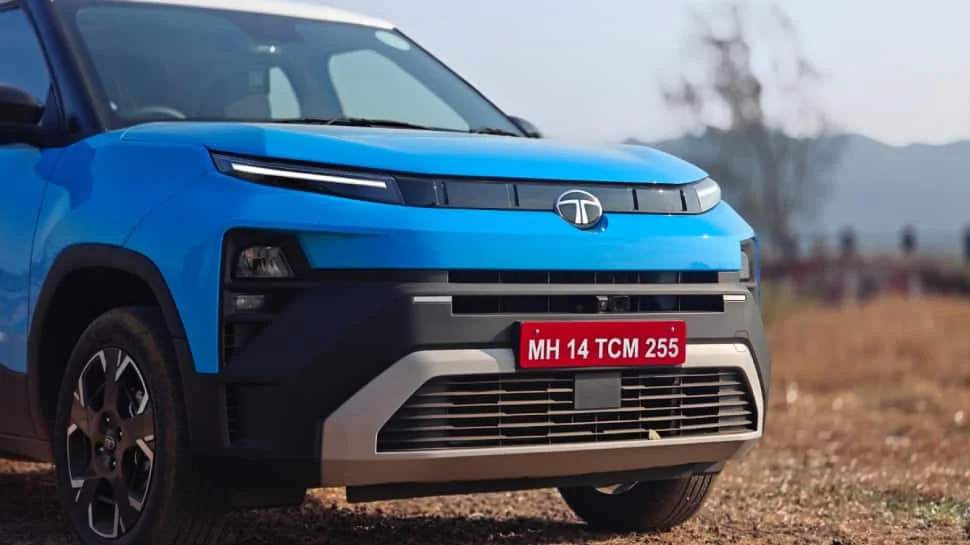
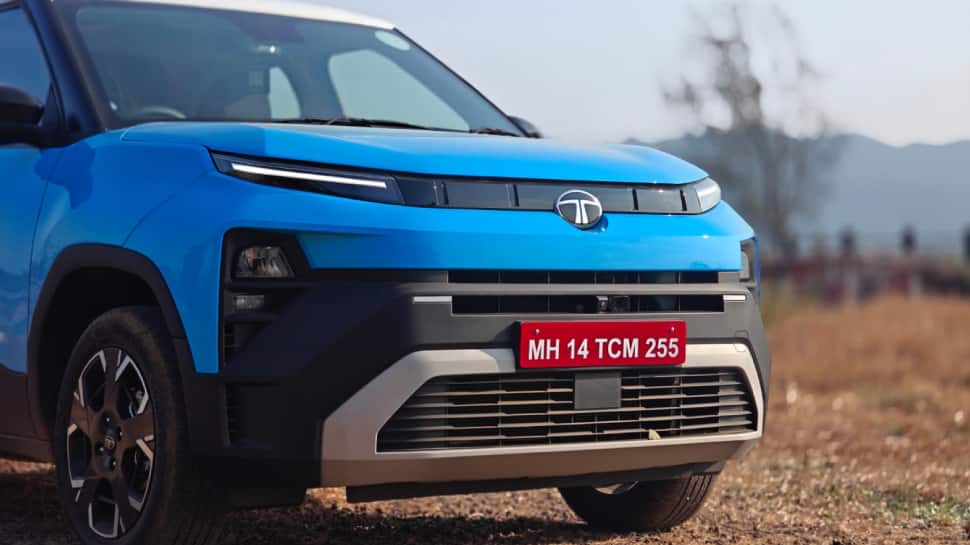
The Indian passenger vehicle market has witnessed a seismic shift in consumer preference as the mid-year sales figures for June 2026 are unveiled. In a remarkable display of market dominance, the Tata Punch has ascended to the top spot, clocking an impressive 21,006 units sold. This figure not only marks a significant milestone for Tata Motors but also represents a monumental leap in performance, effectively doubling the 10,446 units sold in June 2025.
As the automotive sector navigates evolving emission norms, shifting fuel preferences, and aggressive competition, the performance of the Punch serves as a barometer for the broader industry. While Maruti Suzuki continues to maintain a formidable presence across the top 10 list, the ascent of a compact SUV to the number one position signals a decisive move by Indian consumers toward versatile, high-ground-clearance vehicles.
The Main Facts: A Statistical Triumph
The June 2026 sales report is defined by the Tata Punch’s overwhelming success. By moving over 21,000 units in a single month, the vehicle has solidified its position as the preferred choice for both urban commuters and those seeking a reliable, rugged entry-level SUV.
To put this into perspective, the year-on-year growth trajectory for the Punch is nothing short of exponential. In June 2025, the model recorded sales of 10,446 units. The jump to 21,006 units represents a growth of over 101% in just twelve months. This surge is attributed to a combination of enhanced safety features, the introduction of more efficient powertrain options, and a aggressive marketing strategy that emphasizes the "SUV-for-everyone" value proposition.
Chronology: The Journey to the Top
The rise of the Tata Punch was not an overnight phenomenon but the result of a calculated product roadmap spanning several years.
- Late 2021: Tata Motors introduces the Punch, bridging the gap between hatchbacks and traditional compact SUVs.
- 2023-2024: The company expands the portfolio to include CNG and AMT variants, broadening the demographic reach.
- Early 2025: Market trends show a clear shift toward SUVs; Tata leverages its Global NCAP safety ratings to distinguish the Punch from smaller hatchbacks.
- Q2 2026: Tata Motors streamlines its supply chain, reducing waiting periods significantly compared to its competitors.
- June 2026: The cumulative effect of these initiatives culminates in the Punch capturing the highest monthly sales volume, overtaking traditional segment leaders from the Maruti Suzuki stable.
Supporting Data: Understanding the Market Landscape
While the Punch claims the headline, the broader market data paints a complex picture of the industry. Maruti Suzuki continues to dominate the top 10 list, with models like the Swift, Baleno, and Brezza maintaining consistent sales volumes. However, the sheer volume of the Punch indicates that consumers are increasingly willing to pay a premium for the safety and design language of an SUV over a traditional hatchback.
Comparative Market Performance (June 2026 Estimates)
| Rank | Vehicle Model | June 2026 Sales | Segment |
|---|---|---|---|
| 1 | Tata Punch | 21,006 | Compact SUV |
| 2 | Maruti Suzuki Swift | 18,450 | Hatchback |
| 3 | Maruti Suzuki Baleno | 17,900 | Premium Hatchback |
| 4 | Maruti Suzuki Brezza | 16,800 | Compact SUV |
This data suggests that while Maruti Suzuki’s portfolio density remains the backbone of the industry, the "Punch Effect" is forcing competitors to rethink their entry-level strategies. The demand for the Punch is largely driven by tier-2 and tier-3 cities, where the vehicle’s ground clearance and robust build quality are seen as essential for road conditions.
Official Responses and Industry Outlook
Spokespersons for Tata Motors have expressed satisfaction with the milestone, attributing the growth to the company’s "New Forever" design philosophy and the democratization of safety features.
"Our focus has always been on providing a product that doesn’t compromise on safety or style, regardless of the price point," said a senior official from Tata Motors during a post-sales briefing. "The June performance of the Punch validates our belief that the Indian customer is ready for a more premium, safer vehicle, even in the compact segment."
Industry analysts, meanwhile, are cautious but optimistic. "The success of the Punch is a lesson for other OEMs," says an automotive analyst. "If you provide a product that addresses the specific needs of the Indian buyer—namely high seating, safety, and modern connectivity—the market will reward you."
Implications for the Future
The dominance of the Tata Punch in June 2026 has several far-reaching implications for the Indian automotive sector:
1. The Death of the Traditional Hatchback?
With sales of traditional hatchbacks stagnating, the Punch’s success confirms that the "mini-SUV" or "micro-SUV" segment is effectively cannibalizing the hatchback market. Manufacturers who fail to pivot toward crossover designs may find themselves losing market share rapidly.
2. Safety as a Primary Differentiator
Tata’s emphasis on 5-star safety ratings has clearly resonated with the public. As awareness regarding vehicle safety increases, other manufacturers—particularly those known for fuel efficiency over structural integrity—will be under immense pressure to upgrade their safety offerings to remain competitive.
3. Supply Chain Resilience
A major factor in the Punch’s June victory was Tata Motors’ ability to ensure consistent supply. As global logistics continue to face intermittent bottlenecks, the ability to manage the supply chain and maintain vehicle availability will become a critical competitive advantage, perhaps more so than the vehicle’s features themselves.
4. The EV Transition
With the Punch platform already supporting EV variants, the success of the internal combustion engine (ICE) model provides a solid foundation for the company to push its electric agenda. As charging infrastructure grows, the migration of existing Punch owners to the Punch.ev is a natural progression that Tata Motors is poised to capitalize on.
Final Thoughts: A New Benchmark
The figures from June 2026 represent more than just a monthly sales report; they signify a turning point in the Indian automotive narrative. The consumer has spoken, and the message is clear: the era of the compromise-laden budget car is fading, replaced by a demand for vehicles that offer safety, SUV aesthetics, and value-added technology.
As we move into the second half of 2026, all eyes will be on whether the Tata Punch can maintain this momentum. Competitors are already rumored to be fast-tracking their own micro-SUV launches, which will likely lead to an even more intense battle for the top spot. However, for now, the Tata Punch stands tall as the undisputed leader of the Indian roads, a testament to what happens when a product is perfectly aligned with the aspirations of a growing, safety-conscious, and design-savvy consumer base.
The competitive landscape of the Indian automotive industry is evolving at a breakneck speed. While Maruti Suzuki’s brand loyalty remains unmatched, the rise of the Punch highlights that brand allegiance is increasingly secondary to product utility and perceived value. As the year progresses, the industry will undoubtedly continue to watch the Punch’s performance as the definitive trendsetter of the 2026 automotive fiscal year.