Rentomojo Clears Regulatory Hurdle: SEBI Grants Green Light for Landmark IPO
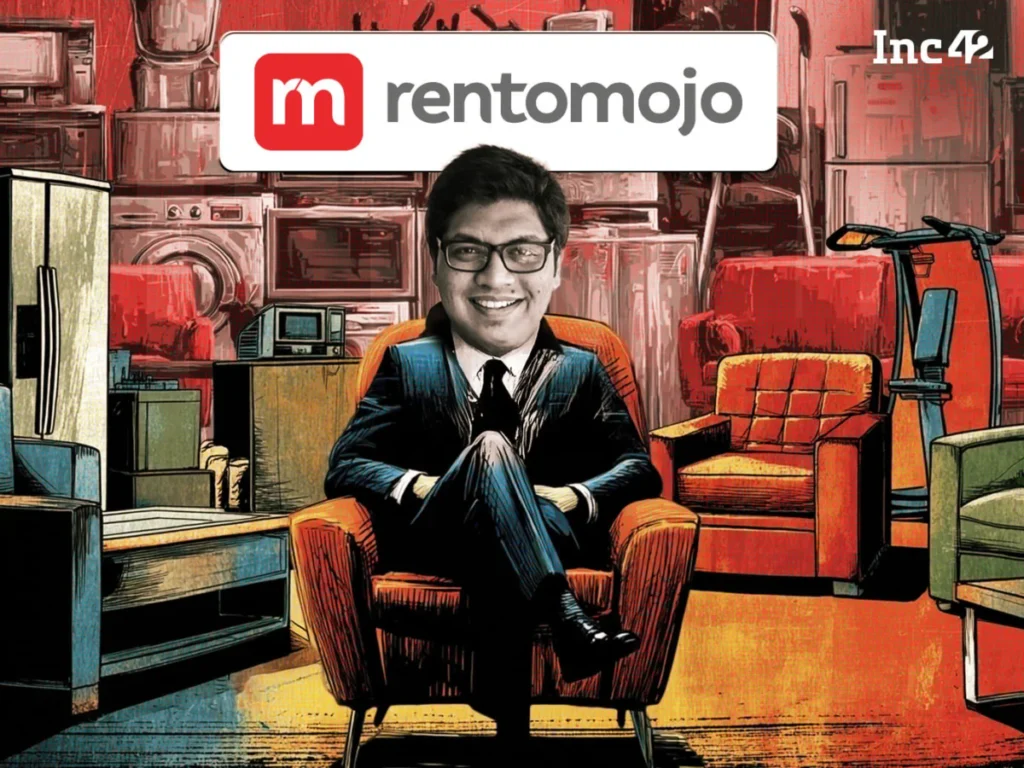
In a significant milestone for India’s burgeoning rental economy, the Securities and Exchange Board of India (SEBI) has officially granted its approval for the initial public offering (IPO) of furniture and appliance rental startup, RentoMojo. The market regulator issued its final observation letter on July 6, signaling a definitive go-ahead for the company to proceed with its plans to tap into the public markets.
This development marks a pivotal moment for the Bengaluru-based startup, which has spent the better part of a decade redefining consumption patterns among urban millennials and Gen Z professionals. By transitioning from a private venture to a publicly traded entity, RentoMojo is poised to test investor appetite for the "Access-over-Ownership" business model in the Indian market.
Main Facts: The Anatomy of the IPO
The RentoMojo IPO is structured as a dual-component offering designed to fuel future growth while providing a partial exit window for early backers. According to the Draft Red Herring Prospectus (DRHP) filed earlier this year, the public issue will consist of:
- Fresh Issue: A capital infusion of up to ₹150 crore, which the company intends to utilize for expansion, technology upgrades, and working capital requirements.
- Offer for Sale (OFS): A secondary market component involving the divestment of up to 2.84 crore shares by existing shareholders.
The OFS represents a strategic exit for several marquee venture capital firms that have supported RentoMojo through its various funding cycles. Key investors participating in the sell-off include Accel, Chiratae Ventures, Edelweiss Mutual Fund, and GMO Venture. Notably, the company’s co-founder and CEO, Geetansh Bamania, is also slated to offload up to 20.07 lakh shares, a move often interpreted by market analysts as a standard liquidity event for founders in mature startups.
Chronology: The Journey to Public Markets
The journey toward this regulatory milestone has been a measured one, reflecting the startup’s transition from a niche rental platform to a mainstream consumer brand.
2014: The Inception
RentoMojo was founded in 2014 by Geetansh Bamania, Ajay Nain, and Achal Mittal. The company was built on the premise that India’s highly mobile, job-seeking youth demographic required flexibility in their living arrangements. By offering high-quality furniture, appliances, and electronics on a subscription basis, the founders addressed the pain point of relocation—a common hurdle in India’s professional landscape.
2023–2024: Preparing for the Listing
Throughout 2023, RentoMojo focused heavily on unit economics and profitability, a prerequisite for any company eyeing a public debut in the current economic climate. Following a successful funding round that saw the company reach unicorn-adjacent status, the leadership team initiated the formal IPO process.
April 2024: The DRHP Filing
In early April, RentoMojo filed its DRHP with SEBI. The filing provided the public with the first comprehensive look at the company’s financial health, operational scale, and growth strategy.
July 6, 2024: The Regulatory Seal of Approval
Following the standard review period—which involved scrutiny of the company’s business model, risk factors, and financial disclosures—SEBI issued its final observation letter. This letter is the regulatory equivalent of a "green light," confirming that the company has addressed all queries raised by the regulator during the filing review.
Supporting Data: The Rental Economy Landscape
To understand why RentoMojo’s IPO is being watched closely, one must examine the macro-environment of the Indian rental market.
The Shift in Consumption
Consumer behavior in India is undergoing a structural shift. The "Subscription Economy," which has already transformed the global software and media sectors, is now deeply embedded in physical goods. RentoMojo has capitalized on this by lowering the barrier to entry for high-end home goods.
Financial Performance Indicators
While the final updated financials will be released in the Red Herring Prospectus (RHP) before the IPO opens, the DRHP highlighted a trajectory of consistent revenue growth. The startup operates on a subscription-based revenue model, which provides a high degree of predictability—a metric that public market investors value highly. With a robust logistics and refurbishment network, the company has managed to keep depreciation costs in check, a critical factor for hardware-heavy rental startups.
Market Size
The Indian furniture and appliance rental market is currently valued at several billion dollars, with significant room for penetration in Tier-1 and Tier-2 cities. RentoMojo currently competes in a space that includes players like Furlenco, but its diversified product portfolio—ranging from beds and sofas to high-end laptops and refrigerators—has provided it with a distinct competitive advantage.
Implications: What This Means for the Ecosystem
The approval of the RentoMojo IPO has several broader implications for the Indian startup ecosystem.
1. Validation of the Rental Model
For years, skeptics questioned the scalability of the furniture rental model, citing high logistics costs and the challenges of asset maintenance. RentoMojo’s progression to an IPO serves as a vote of confidence for this business model. It suggests that with efficient supply chain management and a focus on customer retention, rental services can achieve the scale required for public listing.
2. A Boost for Consumer-Facing Startups
After a prolonged period where IPOs were dominated by deep-tech or SaaS (Software as a Service) companies, RentoMojo’s debut represents a return to consumer-facing brands. This may encourage other startups in the home-service or lifestyle sectors to fast-track their own listing plans.
3. Exit Opportunities for VCs
The involvement of institutional heavyweights like Accel and Chiratae in the OFS highlights the health of the venture capital exit pipeline. A successful listing for RentoMojo will provide these firms with the liquidity needed to reinvest in early-stage startups, thereby fueling the next generation of Indian innovation.
4. Founder Liquidity and Long-term Vision
While co-founder Geetansh Bamania is liquidating a portion of his holdings, the move is widely viewed as a balanced approach. It allows the founder to realize some value for his years of effort while ensuring he retains a significant enough stake to remain incentivized for the long-term growth of the company.
Challenges and Risk Factors
Despite the regulatory approval, the road to the stock market is rarely without obstacles. Potential investors will be looking closely at the following areas as the company prepares for its roadshow:
- Logistics Efficiency: As the company expands, maintaining the quality of returned items and managing the reverse logistics chain will be the primary operational challenge.
- Market Competition: With the entry of e-commerce giants and localized rental services, RentoMojo must maintain its brand loyalty and service quality to prevent margin erosion.
- Macro-Economic Headwinds: Interest rates and inflation directly impact consumer spending on discretionary items like premium furniture. RentoMojo’s ability to navigate fluctuations in the broader Indian economy will be a key performance indicator.
Conclusion: The Path Ahead
With SEBI’s approval in hand, the next phase for RentoMojo involves finalizing the timing of the IPO, conducting roadshows with institutional investors, and determining the final price band for the shares.
As the company transitions into a publicly traded entity, it will face a new level of scrutiny. The quarterly reporting requirements and the pressure to maintain profitability will force the management to remain disciplined. However, for a company that started as a small venture in a garage, the journey to the bourses is a testament to the resilience of the Indian startup story.
All eyes are now on the official dates for the subscription window. If the market sentiment remains positive, RentoMojo could well become the benchmark for how subscription-based consumer businesses can thrive in India’s complex and diverse marketplace.
(Note: This article is based on the initial SEBI observation release. Investors are advised to consult the Red Herring Prospectus once published for full risk disclosures and updated financial data.)