The Visual Shift: Top 5 Video Editing Tools Revolutionizing Healthcare Marketing in 2025
The healthcare industry is currently undergoing a radical digital transformation. As patient expectations shift toward immediate, accessible, and visually driven information, video marketing has emerged as the most potent medium for medical providers, hospital systems, and health-tech innovators. In 2025, a high-quality video is no longer just a marketing "nice-to-have"—it is a fundamental pillar of patient education, institutional trust, and brand humanization.
However, healthcare marketers operate in a uniquely high-stakes environment. Unlike consumer retail or entertainment, healthcare content must navigate the complex landscapes of HIPAA compliance, medical accuracy, and the imperative to maintain institutional credibility. Producing content that is both engaging and ethically sound requires precision. Fortunately, the barrier to professional-grade production has lowered, thanks to a new generation of sophisticated yet accessible video editing tools.
The Evolution of Medical Communication
In the past, medical information was disseminated through static brochures or lengthy, dry informational pamphlets. Today, the rise of platforms like YouTube has turned hospitals and private practices into media houses. By leveraging video, providers are successfully demystifying complex procedures, humanizing the patient-doctor relationship, and highlighting technological advancements within their facilities.

The challenge for marketing departments, however, remains the technical hurdle. How does a busy surgical center or a diagnostic laboratory create professional-grade content without diverting resources from patient care? The answer lies in selecting the right software suite—one that balances power with workflow efficiency.
1. Adobe Premiere Pro: The Industry Standard for Professionalism
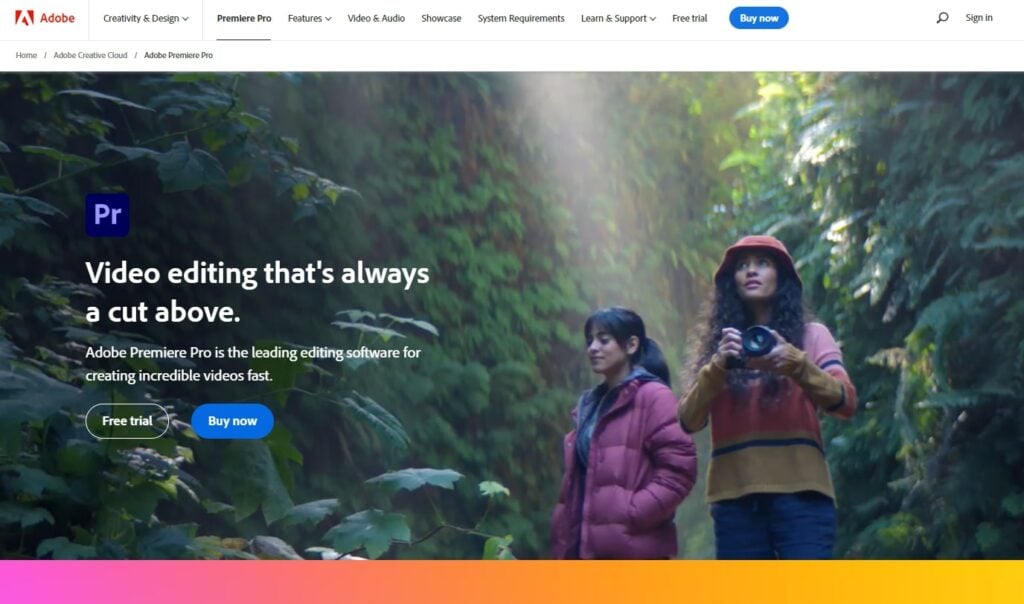
For large-scale healthcare systems and production teams that require absolute control over every frame, Adobe Premiere Pro remains the gold standard. It is the powerhouse of the creative industry, capable of handling everything from high-definition physician interviews to sophisticated 3D medical visualization overlays.
Key Features and Capabilities
Premiere Pro’s strength lies in its integration within the Adobe Creative Cloud. It features AI-powered speech-to-text transcription—invaluable for ensuring accessibility through closed captioning—and advanced color correction tools that ensure clinical footage looks accurate and professional.
- Pros: Unrivaled technical depth; seamless integration with Adobe After Effects for high-end motion graphics; industry-standard support for various high-resolution formats.
- Cons: The learning curve is steep. For a marketing team without a dedicated video editor, the interface can be overwhelming.
- Best For: Large hospitals and medical organizations producing long-form documentaries, high-quality promotional campaigns, and complex educational series.
- Pricing: $20.99 per month.
2. Animaker: Bridging the Gap in Patient Education
Sometimes, the best way to explain a medical procedure is not through a camera, but through animation. Animaker has become the preferred choice for health clinics looking to explain abstract concepts—such as how a specific drug interacts with a protein or how a minimally invasive surgery works—without the need for expensive film crews.
The Power of Simplified Visuals
By utilizing a drag-and-drop interface, Animaker allows non-technical staff to create high-quality explainers. In an era where patient health literacy is a top priority, Animaker’s ability to simplify complex physiological processes into digestible visual stories is a game-changer.
- Pros: Extremely intuitive; vast library of medical-related assets and characters; AI voiceover capabilities that save significant time in production.
- Cons: Limited in terms of "real-world" film editing; best suited for animation rather than live-action footage.
- Best For: Public health campaigns, patient onboarding materials, and internal training modules for medical staff.
- Pricing: Free plan available; premium tiers start at $15/month.
3. Filmora: The Sweet Spot for Modern Storytelling
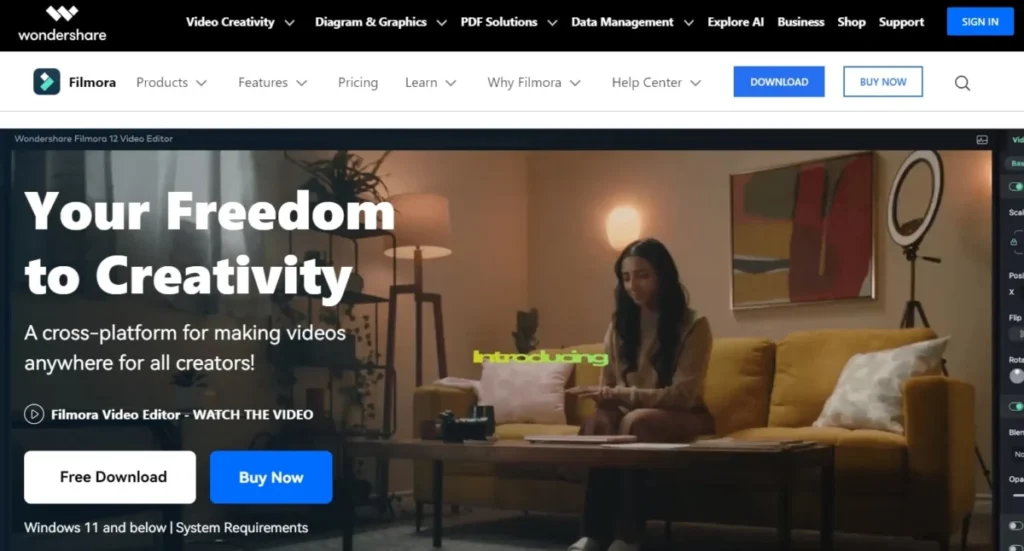
Wondershare Filmora occupies the middle ground, offering a robust feature set that doesn’t require a degree in cinematography to master. It is increasingly popular among private practices that want to maintain a consistent YouTube presence through patient testimonials and weekly "Ask the Doctor" segments.

Why It Fits the Healthcare Workflow
Filmora strikes a balance between professional aesthetic and ease of use. Its library of motion graphics, transitions, and audio filters helps healthcare marketers polish content quickly, ensuring that even a simple video shot on a smartphone looks intentional and branded.
- Pros: User-friendly interface; excellent range of built-in effects; efficient for social media-sized content (Vertical video for YouTube Shorts).
- Cons: Lacks some of the granular technical controls found in Adobe Premiere.
- Best For: Mid-sized clinics and medical marketing teams looking for a consistent, professional "look and feel" without needing a full-time video editor.
- Pricing: Starts at $49.99/year.
4. iMovie: Accessibility for the Mac-Centric Office
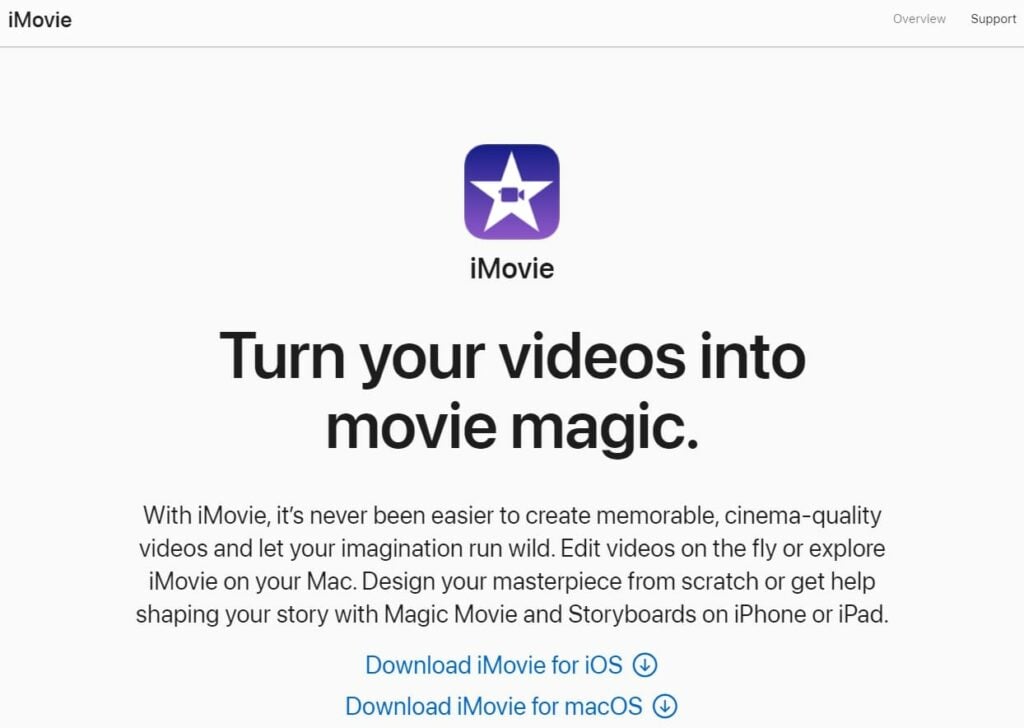
For smaller practices or solo practitioners who utilize the Apple ecosystem, iMovie remains a formidable, cost-effective tool. While it is often dismissed as "entry-level," its simplicity is its greatest asset for urgent, time-sensitive updates.
Practical Application in Clinical Settings
iMovie is perfect for rapid deployment. If a clinic needs to post a quick video regarding updated safety protocols or a change in office hours, iMovie allows for rapid editing and export. It requires no financial investment for Mac users and integrates perfectly with iPhones used to record the raw footage.
- Pros: Completely free; extremely stable; high-quality, professional-looking templates.
- Cons: Limited tracks and advanced layering; restricted to the Apple environment.
- Best For: Quick updates, basic patient tutorials, and short-form announcements for social media.
- Pricing: Free.
5. DaVinci Resolve: The Choice for Cinematic Excellence
For organizations aiming for a cinematic, high-production value that rivals major network documentaries, DaVinci Resolve is the definitive choice. Originally a professional color-grading suite for Hollywood, it has evolved into a comprehensive editing platform.
The Competitive Edge
What separates DaVinci from the pack is its color science. In medical marketing, color accuracy is paramount—whether you are showing a facility tour or a skin-care treatment. DaVinci provides precision that ensures the medical environment is portrayed accurately and appealingly.
- Pros: The free version is incredibly feature-rich, rivaling paid competitors; best-in-class color grading and audio post-production.
- Cons: Demands high-performance hardware (powerful graphics cards); high learning curve.
- Best For: Medical technology companies, hospitals producing high-budget promotional films, and institutions focused on high-end branding.
- Pricing: Free version available; Studio version (one-time) at $295.
Supporting Data: The Impact of Video in 2025
Recent market research indicates that healthcare organizations utilizing video content experience a 30% higher engagement rate on patient-facing portals compared to text-only pages. Furthermore, YouTube has become the second most popular "search engine" for patients looking for medical advice. By 2025, it is estimated that 80% of all healthcare marketing budgets will be directed toward video-based content, underscoring the necessity of mastering these editing platforms.
Implications for the Future
The shift toward video is not merely a trend; it is a fundamental evolution in how patients interact with the healthcare system. As we move further into 2025, we anticipate three major implications for the industry:
- AI-Enhanced Compliance: Future iterations of these editing tools will likely include automated HIPAA-compliance checkers that scan videos for sensitive patient information (like PII—Personally Identifiable Information) before export.
- Increased Personalization: Using data-driven editing, providers will be able to customize video content based on the patient’s specific condition or journey, creating a "tailored" healthcare experience.
- Real-Time Engagement: As internet speeds and streaming technologies continue to improve, the gap between recording and publishing will disappear, allowing for more authentic, live, or near-live patient interactions.
Conclusion: Selecting Your Toolset
The "best" video editor is ultimately the one that aligns with your organization’s specific scale and goals. For the large-scale hospital, the technical prowess of Adobe Premiere Pro or DaVinci Resolve is essential. For the boutique clinic looking to educate and engage, Animaker and Filmora provide the perfect balance of creativity and simplicity. Meanwhile, for the fast-paced, lean team, iMovie remains an unbeatable, cost-free starting point.
Regardless of the tool chosen, the commitment to video marketing is a commitment to the patient experience. By humanizing your brand through high-quality visual storytelling, you are not just marketing services—you are building the foundation of trust that every successful patient-provider relationship requires. The tools are ready; the only question is, what story will you tell first?