The Strategic Pivot: Mastering YouTube Growth and Monetization for the Modern Professional
In an era dominated by rapid digital transformation, a persistent myth continues to stifle the potential of seasoned professionals: the belief that YouTube is a playground reserved exclusively for the young, the bubbly, and the naturally charismatic. However, a new paradigm is emerging. For midlife professionals, consultants, and business owners, YouTube is increasingly becoming the premier engine for lead generation and authority building.
The following report analyzes the framework developed by YouTube growth coach Ty Myers, exploring how professionals can bypass the "late-starter" disadvantage to build sustainable, high-revenue channels.
Main Facts: The Reality of the "Late" YouTube Entry
The central thesis of modern YouTube growth is that the platform has evolved from a video-sharing site into a sophisticated discovery engine. Success is no longer predicated on "virality" in the traditional sense, but on the precise alignment of content with a specific audience’s pain points.
Key data points and foundational facts include:
- The Skills Transfer: Expertise gained in sales, teaching, and consulting is more valuable on YouTube than performance art. The ability to articulate a solution to a specific problem is the platform’s highest-valued currency.
- The 80/20 Rule of Production: Approximately 80% of a video’s success is determined before a single frame is recorded. This is dictated by the "Three Ts": Topic, Title, and Thumbnail.
- The Repetition Threshold: Content creators typically require a minimum of 15 "rough" videos to find their on-camera voice and establish a functional workflow.
- The Monetization Shift: For professionals, the primary revenue driver is not YouTube’s AdSense (advertising revenue), but rather the conversion of viewers into high-ticket coaching clients, consulting leads, or product buyers.
Chronology: The Four-Phase Lifecycle of a Business-Focused Channel
Launching a successful channel follows a linear progression that moves from internal clarity to external optimization.
Phase 1: Foundation and Mission Alignment
The process begins with the "Why." Ty Myers argues that ambiguity is the primary cause of channel failure. Creators must decide if their goal is lead generation, brand authority, or legacy building. A channel that attempts to serve "everyone" inevitably serves no one, leading to diluted data and poor algorithmic performance.
Phase 2: Defining the Avatar
Once the mission is set, the creator must build a psychological profile of their ideal viewer. This involves identifying the viewer’s fears, desires, and the specific outcomes they are searching for. This "Avatar" dictates the language used in the script and the visual cues used in thumbnails.
Phase 3: The "Quantity Over Quality" Sprint
New creators often fall into the trap of "perfection paralysis." The recommended strategy is to publish the first 15 videos as quickly as possible. This phase is designed to build "muscle memory," allowing the creator’s natural personality to emerge through repetition rather than through over-rehearsed scripts.

Phase 4: The Pivot to Algorithmic Quality
After the initial 15-video hurdle, the focus shifts to "Quality." This involves studying YouTube as a distribution system. Creators begin analyzing metrics, studying high-performing "outliers" in their niche, and refining their production value based on what the data suggests is working.
Supporting Data: The Science of Pre-Production and Topic Validation
To move beyond guesswork, successful creators employ a rigorous pre-production framework. Myers suggests that out of a 10-hour workweek dedicated to YouTube, six hours should be spent in pre-production.
The Validation Stack
Before filming, a topic must be "pressure-tested" using a specific toolset:
- VidIQ: This tool provides search volume data and competitive analysis. It allows creators to see if a topic has a "search demand" or if they are entering a "dead zone."
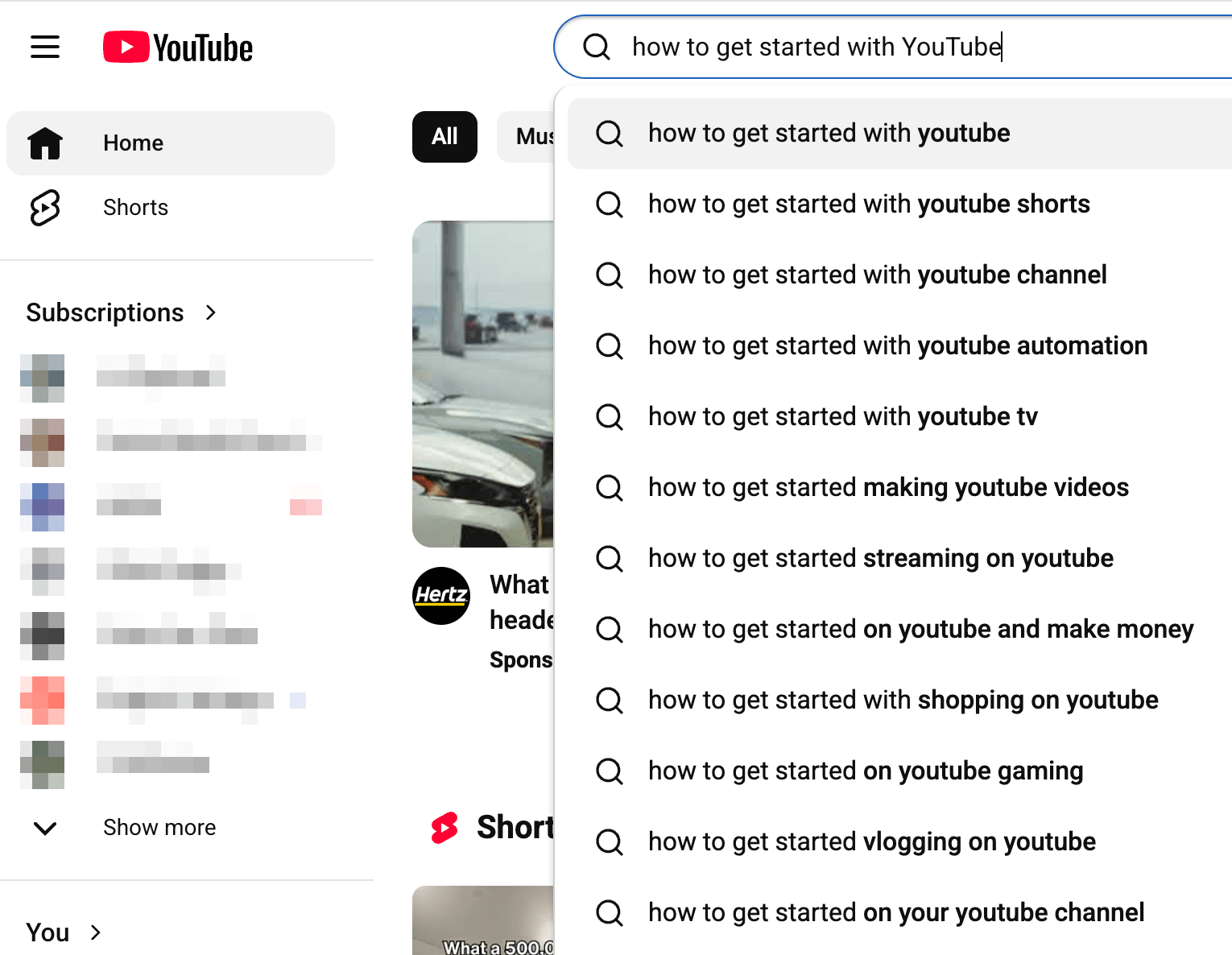
- YouTube Autocomplete: This serves as a real-time indicator of human intent. By typing a query into the search bar and seeing what YouTube suggests, creators can identify the exact phrasing their audience uses.
- The Outlier Analysis: Creators look for videos on other channels that have significantly outperformed that channel’s average view count. These "outliers" indicate a high-interest topic that the market is currently craving.
Case Study: The "Ask PawPaw" Pivot
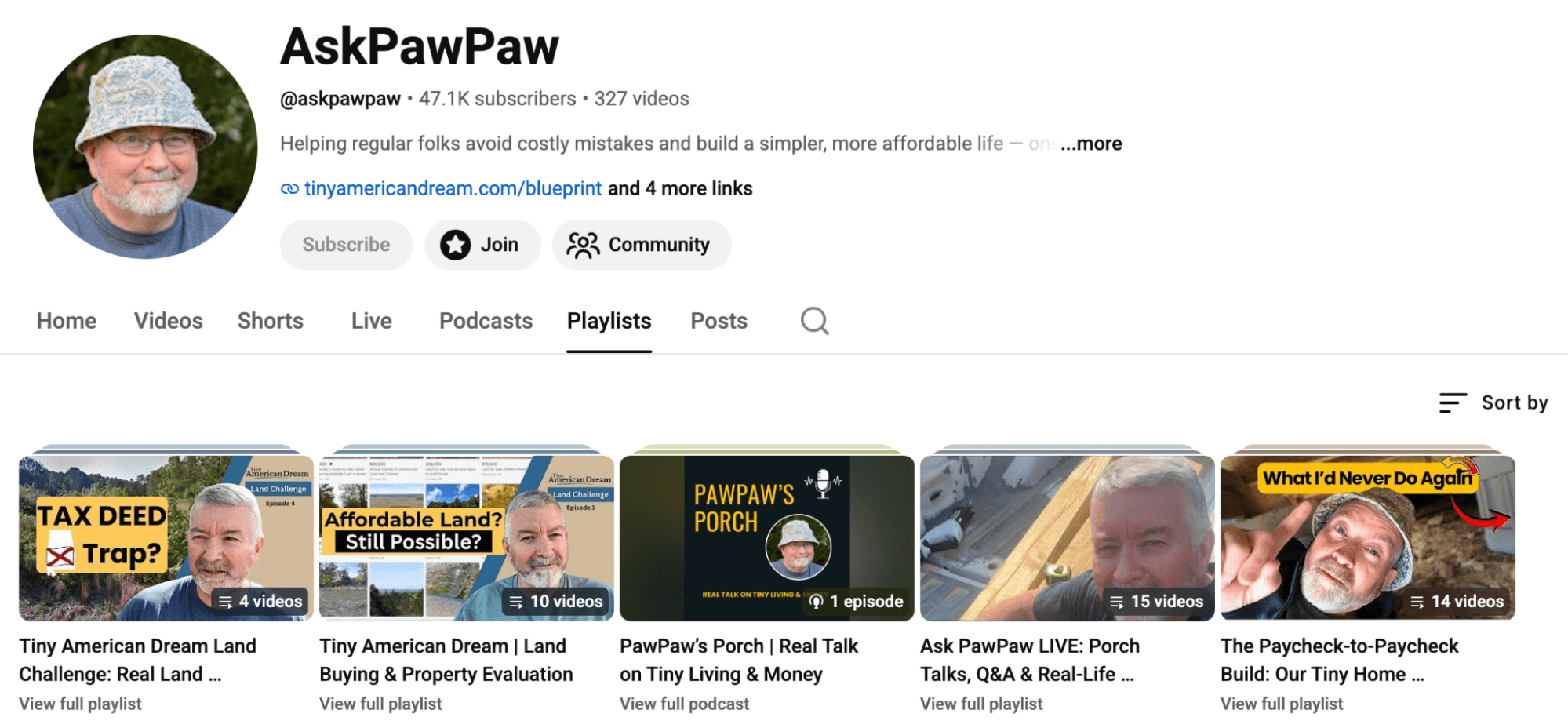
Kevin, the creator behind the Ask PawPaw channel, initially struggled with content regarding retirement planning and HSAs. Despite his expertise, the audience interest was low. Through outlier research, Myers and Kevin discovered a massive interest in "tiny homes" and "shed conversions" among his target demographic.
By pivoting to this specific niche—filming simple walkthroughs of sheds at local hardware stores—Kevin’s channel saw an explosion in growth. This shift demonstrated that success on YouTube is often about finding the intersection of your expertise and the audience’s actual (rather than assumed) interests.
Official Responses: Expert Strategies for Execution
In his consultancy, Ty Myers emphasizes three critical areas of execution that separate professional channels from amateur ones: AI integration, the "Hook," and the Call to Action (CTA).
The AI-Enhanced Scripting Workflow
Modern creators are moving away from generic AI-generated scripts. Instead, Myers recommends using tools like Claude and Google NotebookLM in a conversational manner.
- The Interview Method: Instead of asking AI to "write a script," the creator asks the AI to interview them about the topic. This extracts personal stories, unique analogies, and specific experiences that a machine could not invent.
- Data Synthesis: Google NotebookLM is used to digest industry reports and academic papers, ensuring the content is backed by high-level research.
The Anatomy of a High-Retention Hook
The first 30 seconds of a video are the most volatile. Myers outlines a three-part structure for a successful hook:

- Explicit Call-out: "If you are a [Target Avatar] struggling with [Specific Problem]…"
- The Curiosity Gap: A counterintuitive statement or a "cliffhanger" that creates a psychological need for the viewer to finish the video.
- Credibility established through Results: Briefly mentioning the creator’s track record to prove that the advice is worth the viewer’s time.
The Strategic Call to Action (CTA)
For a business, a "Subscribe" button is a vanity metric. Myers advocates for:
- Mid-roll Mentions: A soft mention of a coaching program or service in the middle of the video, when engagement is highest.
- Subtle Social Proof: Referencing client work naturally within the educational content ("I was working with a client last week who had this exact issue…").
- End-Screen Loop: Instead of saying "Goodbye," the creator should immediately bridge into the next video. This increases "session duration," a key metric that tells the YouTube algorithm the channel is valuable, thereby increasing overall distribution.
Implications: The Future of the Expertise Economy
The rise of professional-led YouTube channels signals a shift in the "Creator Economy." We are moving from an era of "Entertainment First" to "Expertise First."
The Competitive Advantage of Maturity
Midlife professionals possess a "depth of field" that younger creators often lack. Years of real-world experience provide a library of stories and a level of authority that is difficult to replicate. On a platform increasingly crowded with AI-generated "slop," authentic human expertise is becoming a premium commodity.
The "Session Duration" Priority
YouTube’s algorithm has one primary goal: keeping users on the platform. Creators who understand this prioritize "session duration" over individual video views. By creating "bingeable" educational loops, professionals can train the algorithm to work as their 24/7 sales team.
Low-Barrier Technical Entry
The technical implications are equally significant. The barrier to entry has never been lower. With an iPhone 15 and a $300 microphone (such as the Shure MV7+), a professional can produce content that rivals traditional broadcast quality. The emphasis has moved away from expensive "gear" and toward high-value "strategy."
Final Outlook
For the professional starting "late," the window of opportunity remains wide open. The platform is hungry for credible, authoritative voices who can solve real problems. By treating YouTube not as a social media hobby, but as a structured business vertical—focused on pre-production research, AI-assisted scripting, and strategic lead conversion—the modern professional can build a digital asset that compounds in value for years to come.