The Rise of Agentic AI: A Deep Dive into Claude Cowork and the Future of Autonomous Productivity
The transition from "chatbots" to "agents" represents the most significant shift in artificial intelligence since the public launch of LLMs. In January 2025, Anthropic solidified its position at the forefront of this evolution with the launch of Claude Cowork. Moving beyond the limitations of a standard chat interface, Cowork is an agentic desktop application designed to act not just as a conversationalist, but as an autonomous executor of complex digital workflows.
This article explores the architecture, utility, and strategic implications of Claude Cowork, based on insights from AI strategists Dan Nestle and Michael Stelzner.
Main Facts: Defining the Agentic Desktop Experience
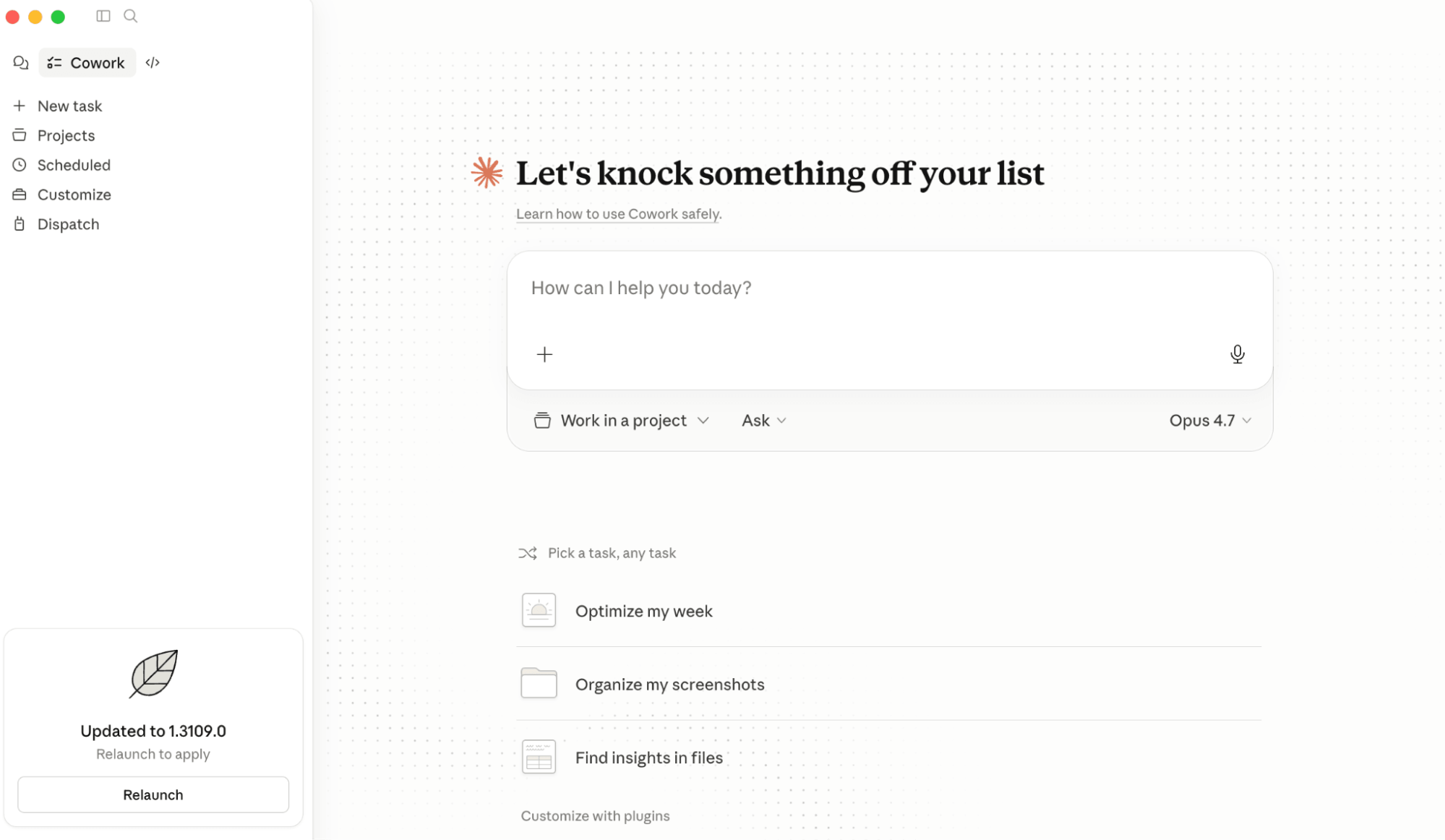
Claude Cowork is a dedicated desktop application (available for Mac and PC) that functions as a supervisory layer over Anthropic’s Claude models. Unlike the standard browser-based Claude interface, which relies on a back-and-forth dialogue to complete tasks, Cowork is "agentic." This means it can take a high-level objective, break it down into sub-tasks, and execute them across various software environments and websites with minimal human intervention.
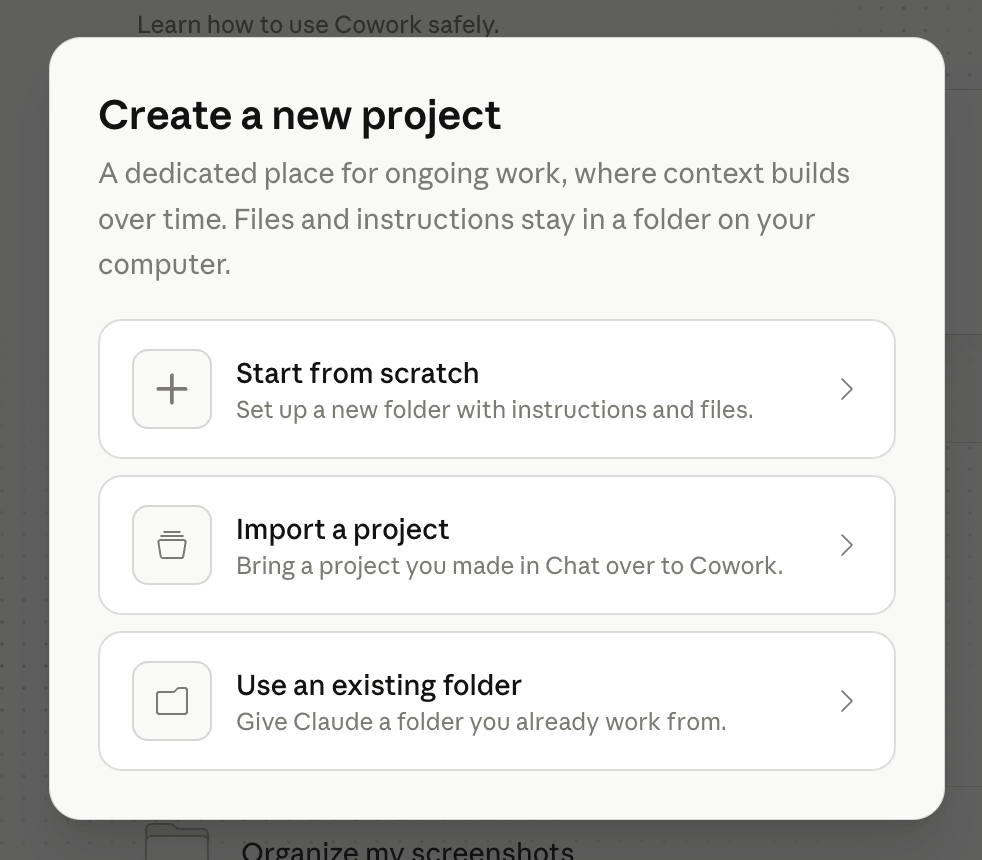
The core value proposition of Cowork lies in its ability to transition the user from a "micromanager" to a "supervisor." In a traditional AI chat, the user must prompt, review, and re-prompt for every step of a process. In Cowork, the AI is granted the agency to navigate the web via Chrome, access file systems through Connectors, and apply specialized "Skills" to complete end-to-end projects.

The Management Analogy
Dan Nestle, a prominent AI strategist, distinguishes Cowork from standard Claude Projects through a workplace analogy: A standard Claude Project is like a brilliant but inexperienced new hire who stands at your desk every five minutes asking for the next instruction. Claude Cowork, by contrast, is the seasoned employee who accepts a project brief, goes to their workstation, handles the logistics, and only returns when the task is complete or if they encounter a high-level decision point requiring human approval.
Chronology: The Evolution of Anthropic’s "Computer Use"
The release of Claude Cowork in early 2025 did not happen in a vacuum. It is the culmination of several strategic technical milestones achieved by Anthropic over the preceding year.
- The Launch of Claude Projects (Mid-2024): Anthropic introduced Projects to allow users to ground the AI in specific context, such as brand voice, internal documents, and coding style. This was the first step toward "persistent" AI memory.
- The "Computer Use" Beta (Late 2024): Anthropic released a groundbreaking API capability that allowed Claude to "see" a computer screen, move a cursor, click buttons, and type text. This moved Claude from a text-processor to a software-operator.
- The Integration of Connectors (Late 2024): Before Cowork, Anthropic began rolling out direct integrations with tools like Google Drive and GitHub, reducing the need for manual copy-pasting.
- The Launch of Claude Cowork (January 2025): Cowork unified these disparate threads—the persistent context of Projects, the physical agency of "Computer Use," and the ecosystem of Connectors—into a single, user-friendly desktop application.
Supporting Data: Four Pillars of Autonomous Execution
To understand the practical impact of Cowork, we must look at the specific domains where it outperforms traditional LLM interfaces.
1. Technical Website Management
One of the most complex tasks for non-technical users is managing backend web environments like WordPress. In testing conducted by Nestle, Cowork demonstrated the ability to bridge the "technical gap." When tasked with installing tracking pixels, Cowork did not merely provide instructions; it requested access to the WordPress dashboard, navigated the UI, evaluated three different plugins for code injection, and installed the most reputable option. This represents a shift from "AI as a consultant" to "AI as a technician."

2. Scalable Content Engines
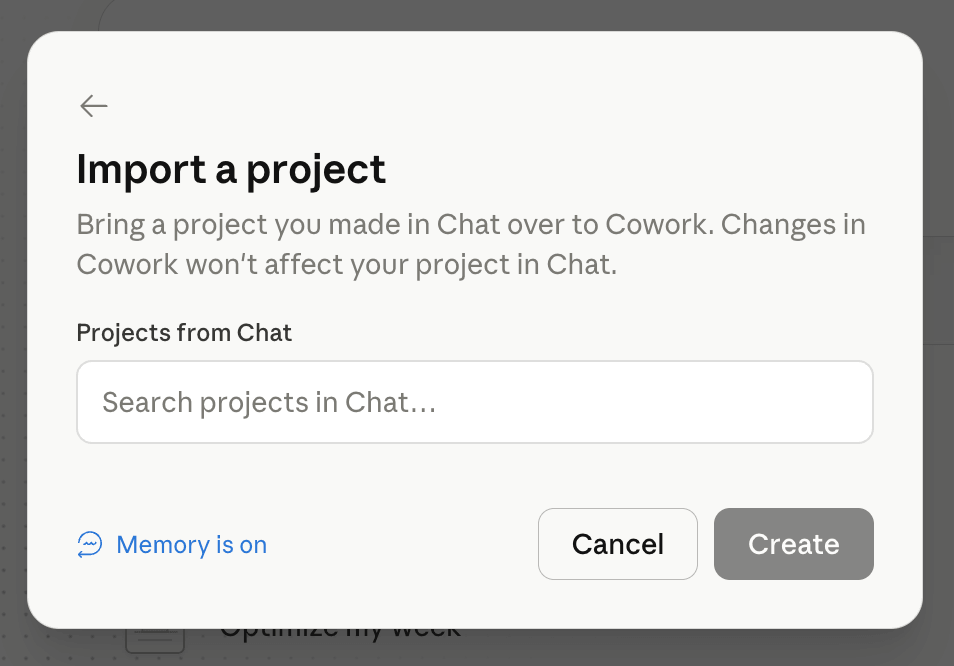
Content marketing often suffers from "friction costs"—the time spent moving data between research tools, writing platforms, and social media schedulers. By connecting a Claude Project (containing brand voice guidelines) to Cowork, users can automate the entire pipeline. Cowork can be instructed to:
- Search for daily industry news.
- Synthesize source material.
- Generate platform-specific posts (LinkedIn, X, etc.).
- Save the drafts to a shared Google Drive.
3. Model Optimization and Prompt Engineering
As Anthropic releases newer models (such as the transition from Sonnet 4.5 to Opus 4.6), older system prompts often become inefficient. Cowork can perform "meta-work" by analyzing a user’s existing suite of Projects and autonomously rewriting their system instructions to take advantage of the increased reasoning capabilities of newer models.
4. Chrome-Based Tasking
Cowork’s most potent feature is its control over the Google Chrome browser. When authorized, Cowork opens a separate tab group where the user can watch the AI work in real-time. It can fill out forms, scrape data from password-protected dashboards, and perform cross-platform audits (e.g., checking if the price on a landing page matches the price in an Airtable database).
Official Responses: Security, Privacy, and Compliance
Anthropic has been vocal about its "Safety First" approach, and the rollout of Cowork includes several guardrails designed to address the risks of agentic autonomy.
Data Privacy and Model Training
By default, data from Claude Pro and Max plans may be used for model training. However, because Cowork interacts with sensitive file systems and browser data, Anthropic provides an opt-out mechanism. Official Recommendation: Users are encouraged to navigate to their Claude settings and disable data training before connecting sensitive accounts to Cowork.
Permission-Based Architecture
Unlike "OpenClaw" or other open-source autonomous agents that may run with broad permissions, Cowork operates on a "Just-in-Time" permission model. It will explicitly ask for permission the first time it attempts to access a new domain, install a plugin, or write to a local directory.
Enterprise Compliance
For Team and Enterprise plan users, Anthropic has noted that Cowork activity is not yet fully integrated into standard compliance logging. As of the current release, organizations requiring a strict audit trail for AI actions are advised to consult with their security teams, as the "play-by-play" chat logs in Cowork may not yet meet certain regulatory archiving standards.
Technical Infrastructure: Connectors, Skills, and Plugins
The power of Cowork is derived from three specific architectural components that extend its utility beyond simple text generation.
Connectors: The Bridges to Data
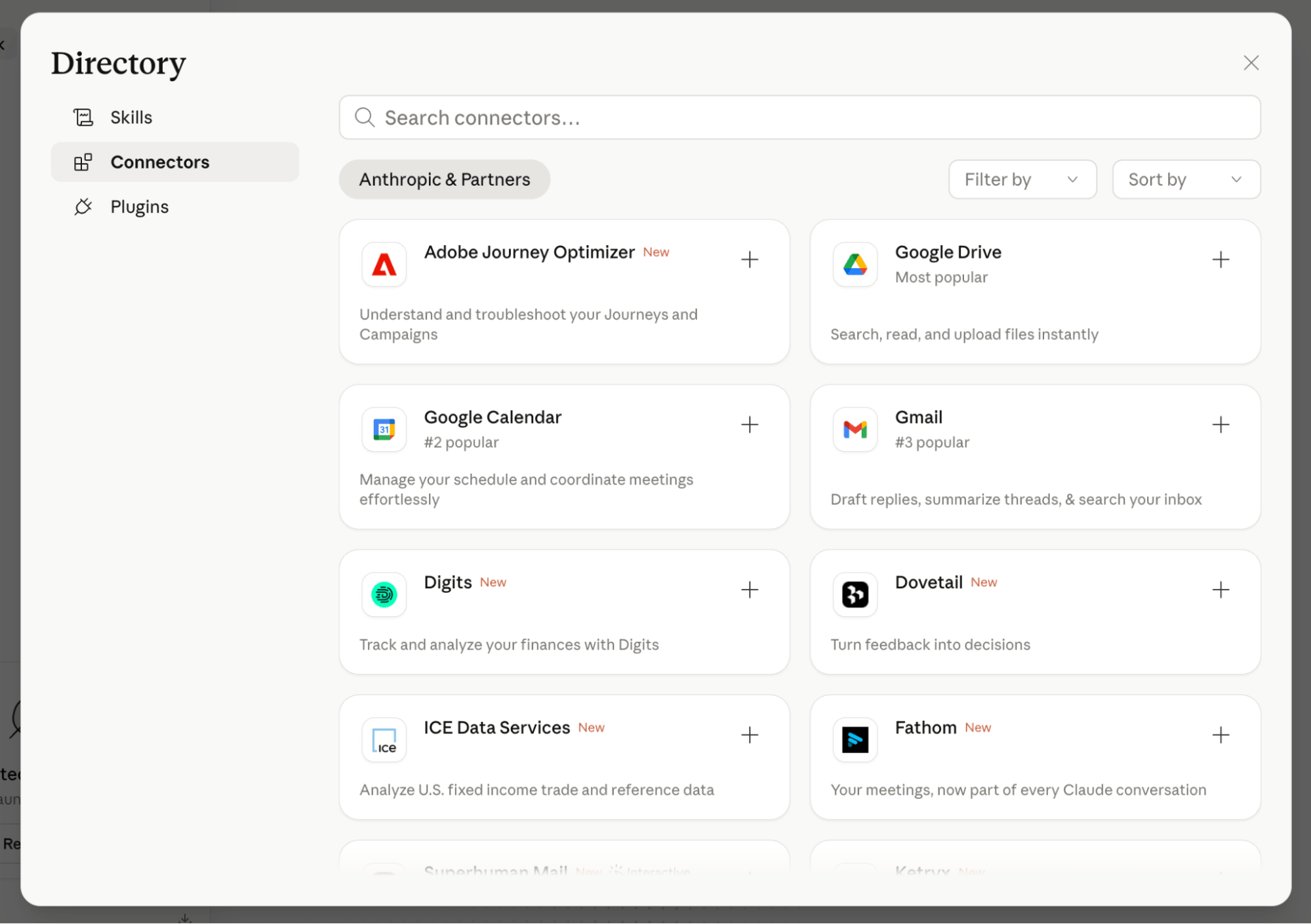
Connectors eliminate the need for third-party automation tools like Zapier for simple data transfers. By enabling a Connector, a Claude Project gains read/write access to external apps.
- Airtable: For real-time database management and reporting.
- Google Drive/Gmail: For document storage and communication.
- Ahrefs/GitHub: For specialized SEO and engineering tasks.
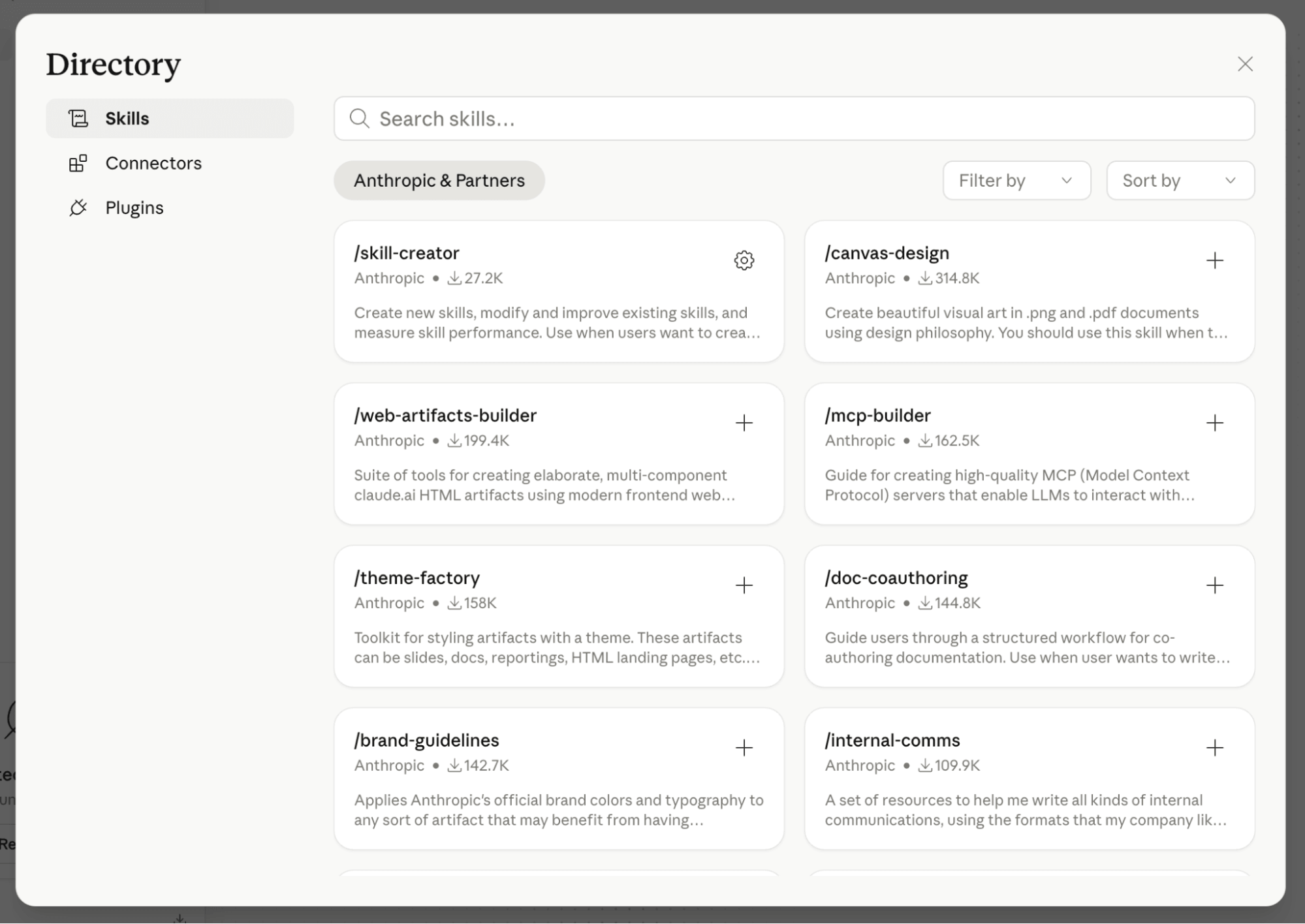
Skills: Atomic Task Automation
A "Skill" is a packaged set of instructions for a repetitive task. Instead of explaining a brand’s "Ideal Customer Persona" (ICP) in every chat, a user can package that persona data into a Skill. Once saved, the user can simply say, "Run this draft by my ICP Skill," and the AI executes the pre-defined analysis.
Plugins: Domain Expertise Bundles
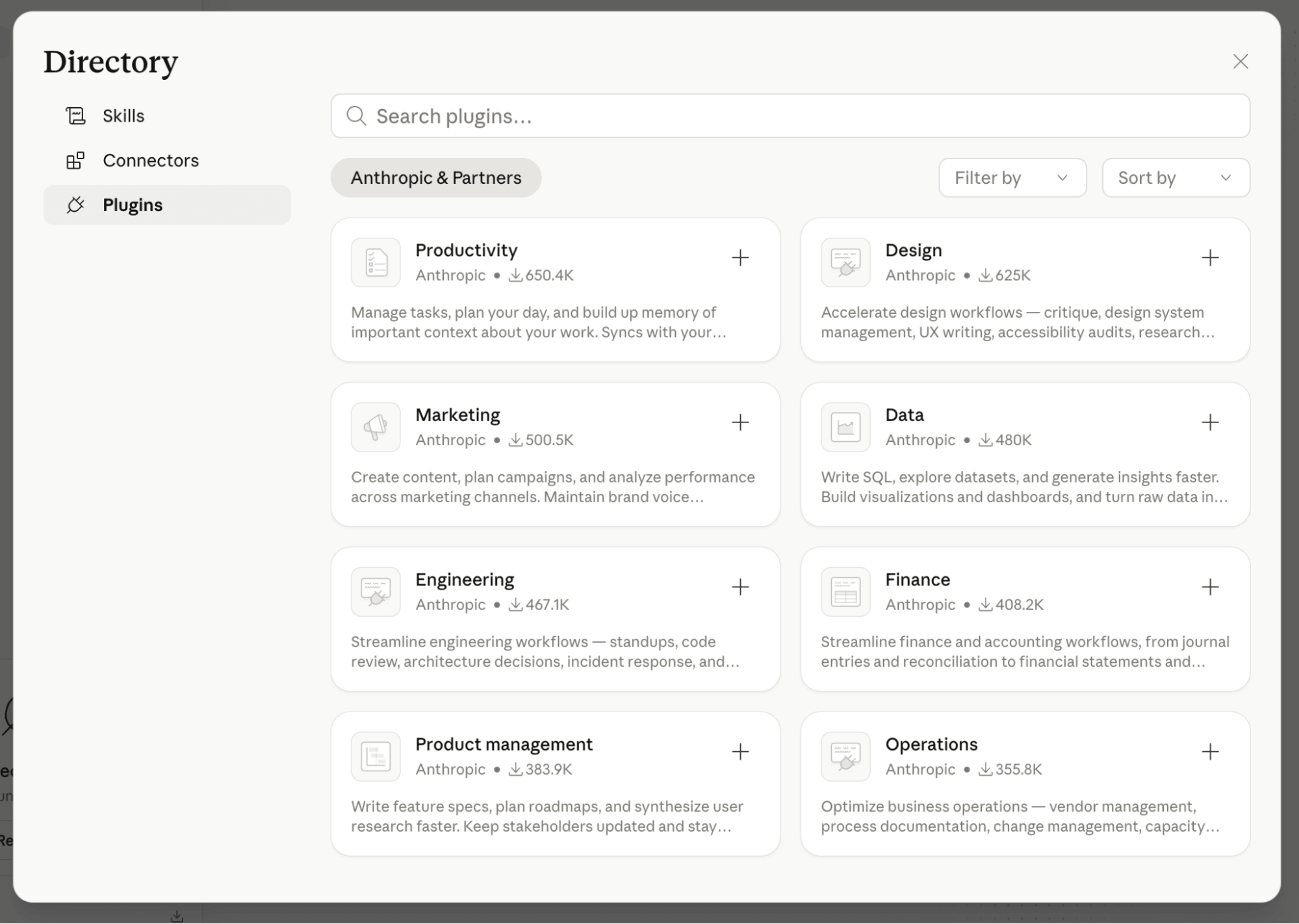
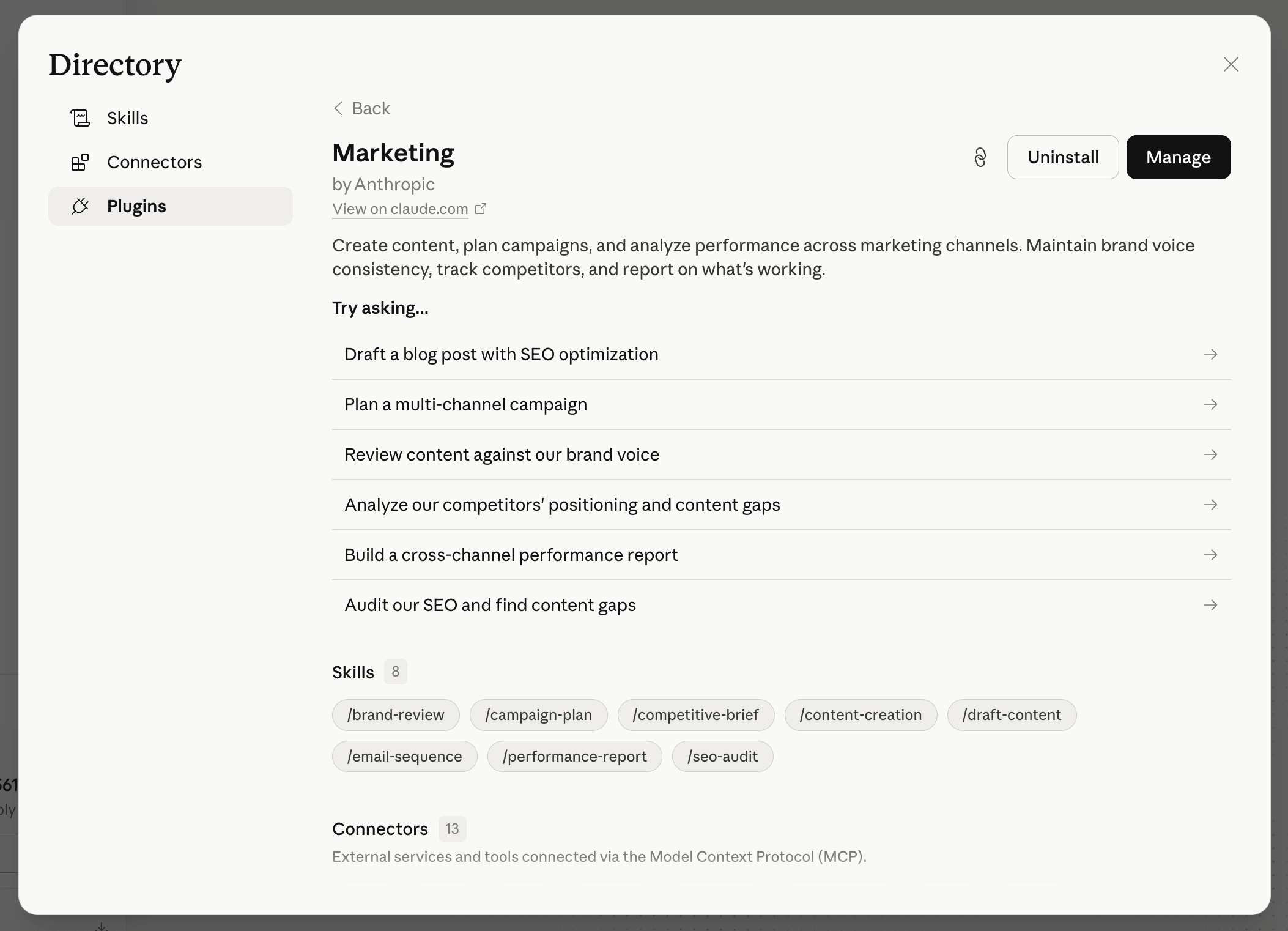
Plugins are collections of related Skills. A "Marketing Plugin," for example, might contain individual Skills for SEO analysis, headline testing, and ad copy generation. This allows users to "load" a specific professional persona into Cowork depending on the task at hand.
Implications: The Shift to the "Supervisor" Economy
The release of Claude Cowork signals a fundamental change in the relationship between humans and computers. We are moving toward a "Supervisor Economy," where the primary professional skill is no longer the execution of digital tasks, but the ability to manage a fleet of autonomous agents.
The Displacement of "Busy Work"
The most immediate implication is the near-total automation of administrative "glue" work—the manual movement of data between tabs and apps. This frees human workers to focus on high-level strategy and creative direction.
The Need for "Agent Literacy"
As tools like Cowork become mainstream, the definition of "AI Literacy" will change. It will no longer be enough to know how to write a good prompt. Professionals will need to understand:
- Workflow Mapping: Breaking down a business process into steps an agent can follow.
- Security Auditing: Understanding which permissions are safe to grant to an autonomous agent.
- Quality Control: Developing frameworks to audit the outputs of an AI that works in the background.
The Competitive Advantage of "Persistent Context"
In the Cowork era, the most valuable asset a business owns is its "Context Library"—the collection of Projects, Skills, and Guidelines that have been fine-tuned over time. A company that has successfully codified its brand voice and operational procedures into Claude Skills will be able to out-produce competitors who are still using AI as a simple chat interface.
Conclusion
Claude Cowork is more than just a desktop app; it is a preview of the future of the operating system. By integrating Anthropic’s most advanced reasoning models with direct control over the digital environment, Cowork transforms Claude from a digital assistant into a true digital co-worker. For marketers, creators, and entrepreneurs, the message is clear: the era of "chatting" with AI is coming to an end, and the era of "managing" AI has begun.