Revolutionizing Enterprise AI: AWS Unveils Amazon Bedrock Managed Knowledge Base
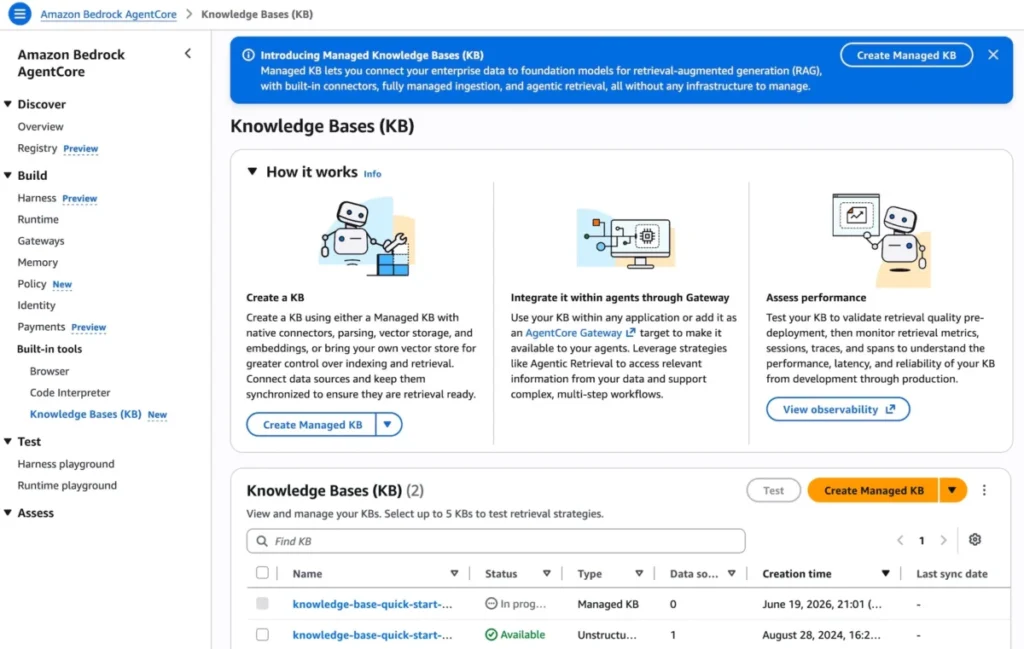
In a significant leap for the generative AI ecosystem, Amazon Web Services (AWS) has announced the launch of Amazon Bedrock Managed Knowledge Base. This new suite of capabilities is designed to dismantle the barriers that have historically prevented enterprises from deploying reliable, data-rich AI agents. By abstracting the complex infrastructure required for Retrieval-Augmented Generation (RAG), AWS is enabling developers to transition from months of engineering to minutes of deployment, effectively democratizing access to enterprise-grade AI.
The State of Generative AI: Why "Managed" Matters
For organizations attempting to build "agentic" AI applications—systems that can reason, plan, and execute tasks—the primary bottleneck has not been the foundation models themselves, but the underlying data architecture. To deliver accurate, trusted outcomes, these agents require secure, real-time access to massive troves of proprietary enterprise data.
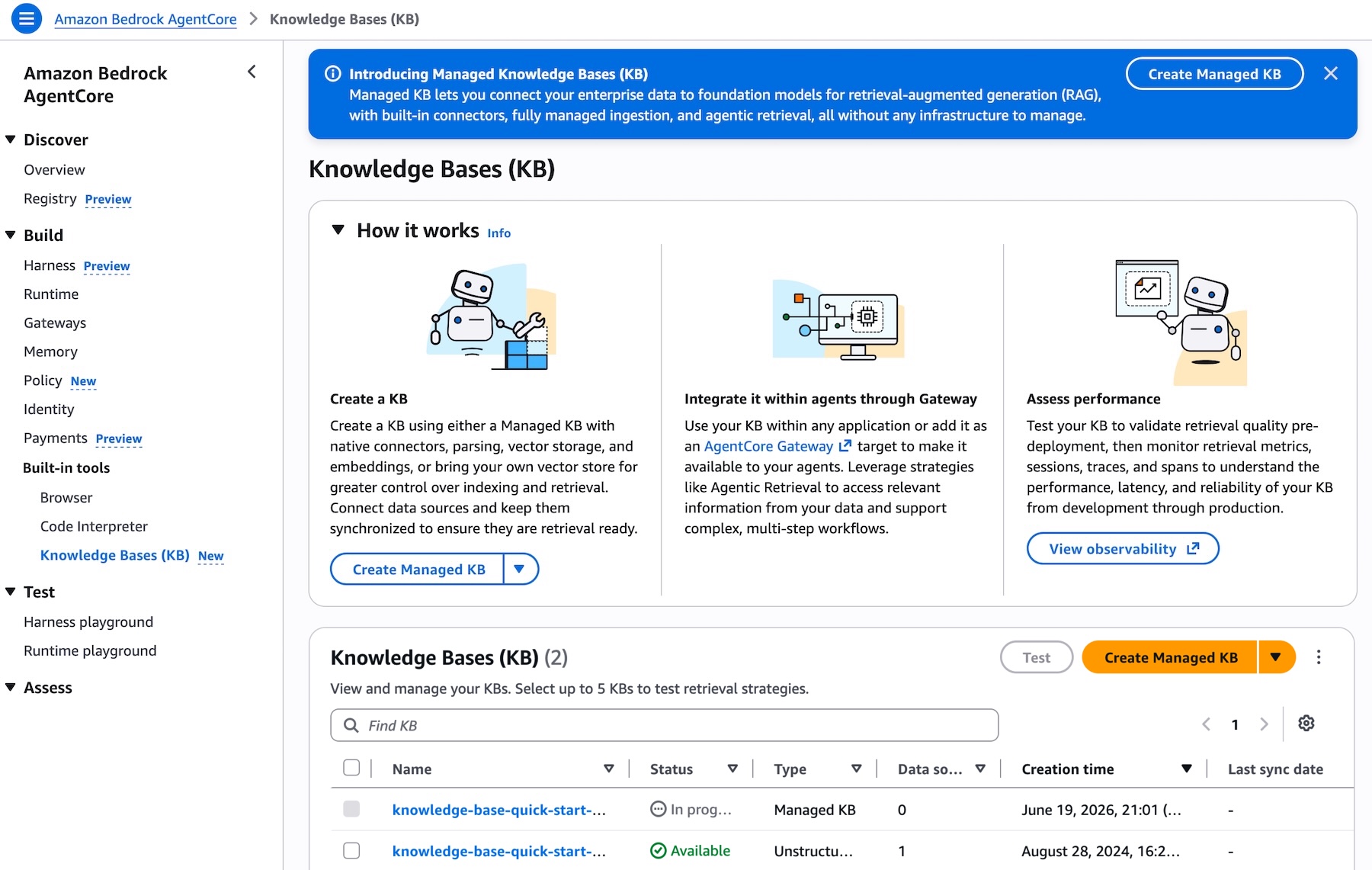
Historically, building these systems required developers to manually architect, maintain, and scale complex RAG pipelines. This "undifferentiated heavy lifting" involved stitching together disparate components: vector databases for storage, specialized embedding models for semantic search, re-ranking engines to ensure quality, and complex orchestration layers to manage multi-step reasoning.
The new Managed Knowledge Base service replaces this fragmented approach with a single, unified primitive. It handles the lifecycle of data ingestion, indexing, and retrieval, allowing engineers to focus on business logic rather than infrastructure maintenance.
Chronology of Development: A Shift Toward Agentic Orchestration
The evolution toward this managed service reflects the broader maturation of the AI market.
- Phase 1: The Foundation Model Era. Initially, the industry focused on simply accessing powerful models via APIs.
- Phase 2: The RAG Proliferation. Developers realized that models are only as good as the context they are provided. This led to a rush of custom-built RAG architectures, which proved fragile, difficult to maintain, and prone to hallucinations.
- Phase 3: The Managed Agent Era (Present). With the launch of Bedrock Managed Knowledge Base, the industry enters a stage where the "plumbing" of AI is becoming a commodity.
This latest development follows the introduction of the Amazon Bedrock AgentCore Gateway, which provided the foundational architecture for agents to communicate with tools. By folding Knowledge Bases into this ecosystem as a native target type, AWS has essentially closed the loop between raw enterprise data and actionable agentic output.

Technical Innovations: Under the Hood
The power of the new service lies in three core technical advancements that eliminate the need for manual fine-tuning.
1. Smart Parsing: Intelligent Data Ingestion
One of the most persistent hurdles in RAG is data quality. Enterprises store information in diverse formats—PDFs, spreadsheets, internal wikis, and cloud storage. Smart Parsing uses advanced heuristics to automatically determine the optimal parsing strategy for any given data source. Whether dealing with complex tables, nested structures, or unstructured text, the system optimizes the ingestion process without requiring developers to write custom pre-processing scripts. This automated approach replaces weeks of trial-and-error, ensuring that the vector database is populated with high-quality, searchable information from the start.
2. The Agentic Retriever: Multi-Hop Reasoning
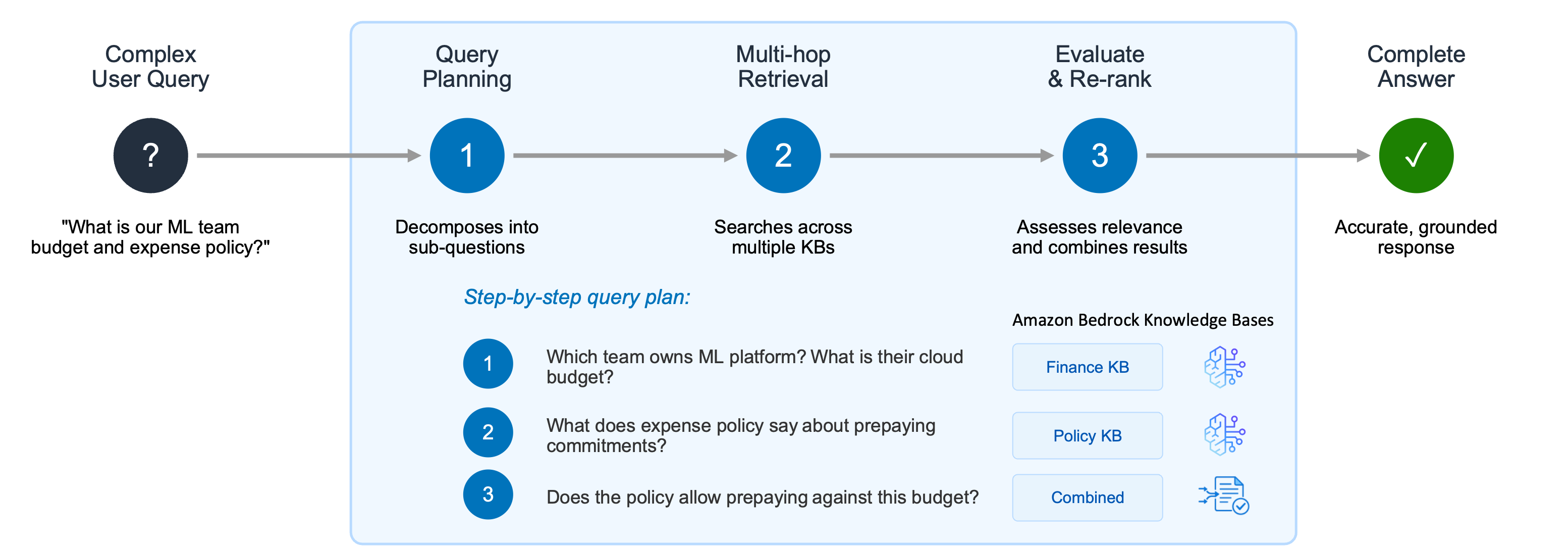
Standard search-and-retrieval systems often fail at "multi-hop" queries—questions that require connecting two or more pieces of information from different parts of a document library.
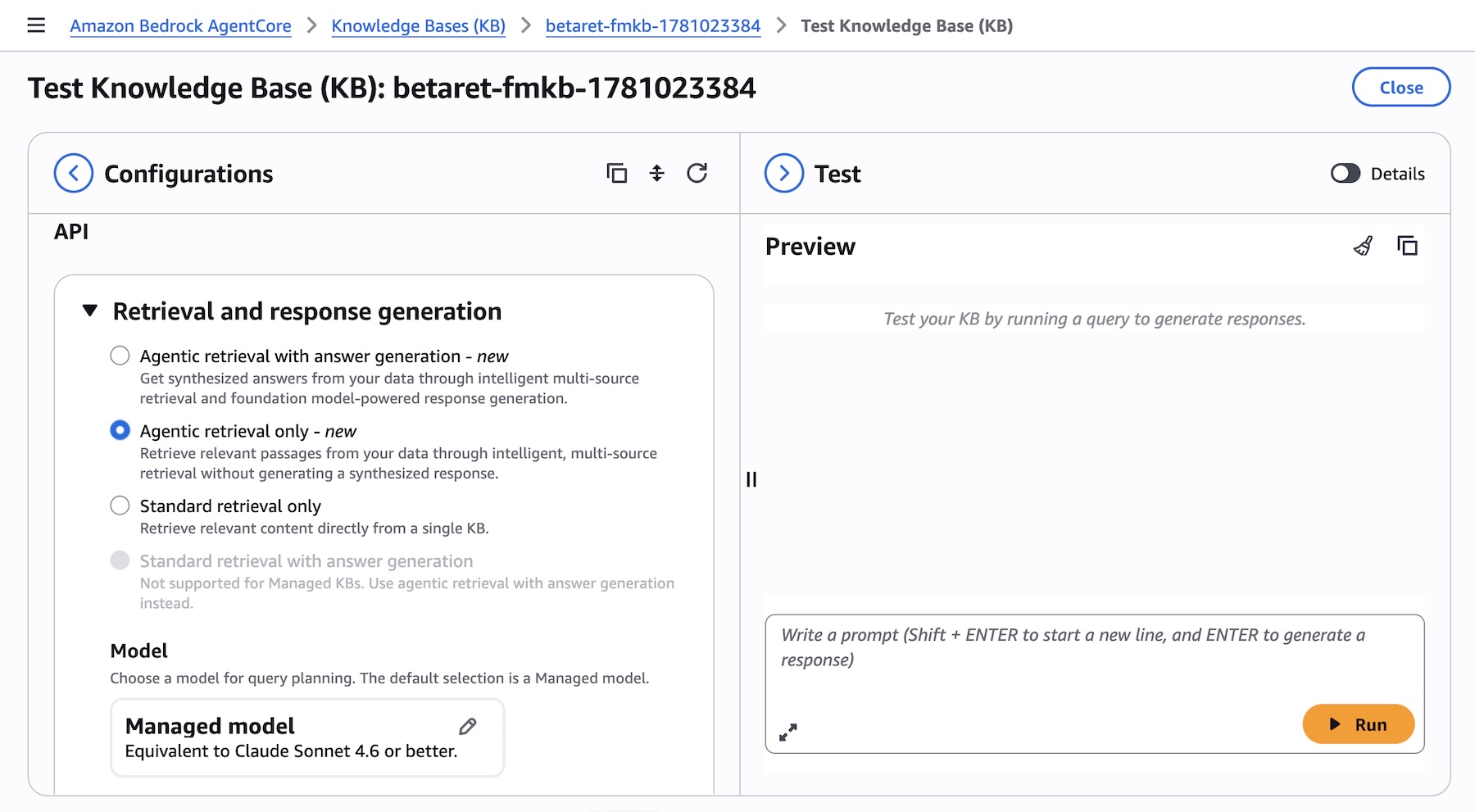
The Agentic Retriever represents a major upgrade to traditional search. When a user asks a complex question, the system does not simply perform a keyword lookup. Instead, it decomposes the query into a multi-step plan. It evaluates intermediate results, determines if more information is needed, and iteratively searches until it has enough context to form a grounded, accurate response. This capability is specifically designed for high-stakes enterprise environments where a "best guess" is not acceptable.
3. Native Integration with Model Context Protocol (MCP)
Perhaps the most significant architectural decision is the full support for the Model Context Protocol (MCP). By exposing knowledge bases through the MCP standard, AWS ensures that these agents are not siloed within the AWS ecosystem. Whether an organization uses LangChain, CrewAI, LlamaIndex, or internal tools like Strands Agents, the Bedrock Knowledge Base acts as a standardized tool that any MCP-compatible framework can "plug into." This eliminates the need for bespoke middleware, making the system interoperable and future-proof.
Supporting Data and Flexibility: The Anti-Lock-in Philosophy
A common critique of managed AI services is the risk of "vendor lock-in." AWS has deliberately designed the Managed Knowledge Base to remain modular.
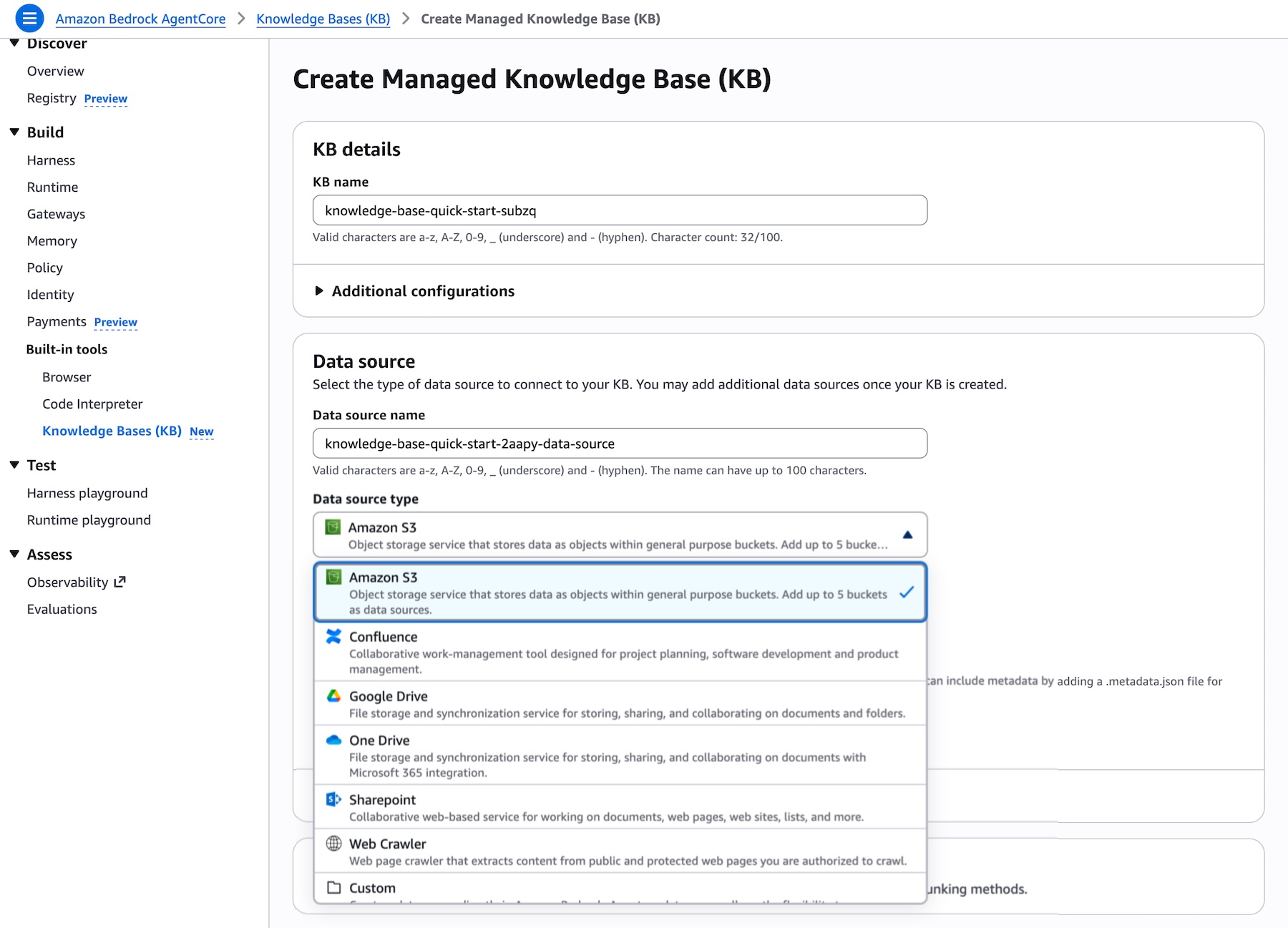
- Model Agnostic: While the service provides optimized defaults for embedding and re-ranking, developers retain the ability to swap these models as technology evolves.
- Foundation Model Freedom: The service supports any foundation model available on Amazon Bedrock. This means that if a new, more efficient model is released, a developer can update their configuration without re-engineering their entire RAG pipeline.
- Scalability: Pricing is based on two transparent metrics: storage size and the number of retrievals. This pay-as-you-go model allows startups to prototype cheaply while providing the robust, elastic infrastructure required by global enterprises.
Implications for Enterprise Architecture
The arrival of this service signals a fundamental change in how corporate IT departments will approach AI deployment in 2026 and beyond.
Democratizing AI Expertise
Until now, building a high-performance RAG system required a team of specialized data scientists and DevOps engineers. With Bedrock Managed Knowledge Base, a backend developer can now implement a production-grade agentic search system in a single afternoon. This shifts the bottleneck from engineering capacity to strategic intent. Organizations can now spend their resources on determining what the AI should do rather than how it should process data.
Enhancing Security and Observability
Security is the primary concern for any enterprise moving data into a generative AI workflow. By integrating directly with AWS Identity and Access Management (IAM), the Managed Knowledge Base ensures that data access policies are automatically applied to the AI agent. If a user is not permitted to see specific financial records, the agent, using the Knowledge Base, will not be able to retrieve or surface that information. Furthermore, the AgentCore Observability dashboard provides real-time metrics on retrieval performance, allowing teams to audit the "thought process" of their agents—a critical requirement for regulated industries.
The Rise of the Agentic Ecosystem
By making Knowledge Bases a "pre-built target type" in the AgentCore Gateway, AWS is essentially creating a marketplace of capabilities. Developers can treat their enterprise data as a "tool" that an agent can call upon when needed. This is the hallmark of true agentic AI: the ability for a system to autonomously decide when to consult the Knowledge Base, when to query a database, and when to execute a task.
Looking Forward: A Growing Regional Footprint
The service is currently available in major AWS regions, including US East (N. Virginia), US West (Oregon), Asia Pacific (Sydney, Tokyo), and Europe (Dublin, Frankfurt, London), with specialized support for AWS GovCloud. This geographic availability underscores the commitment to global enterprise adoption.
As the industry moves toward more autonomous agents, the ability to manage knowledge effectively will define the winners of the generative AI race. With the launch of Amazon Bedrock Managed Knowledge Base, AWS has successfully moved the goalposts, transforming the complex challenge of enterprise AI integration into a standard, manageable, and highly scalable service.
For developers, the message is clear: the era of manual RAG orchestration is over. The era of agentic, data-driven intelligence has officially begun.