The Conversion Crisis: Strategic Wins for the Modern Marketing Landscape in 2026
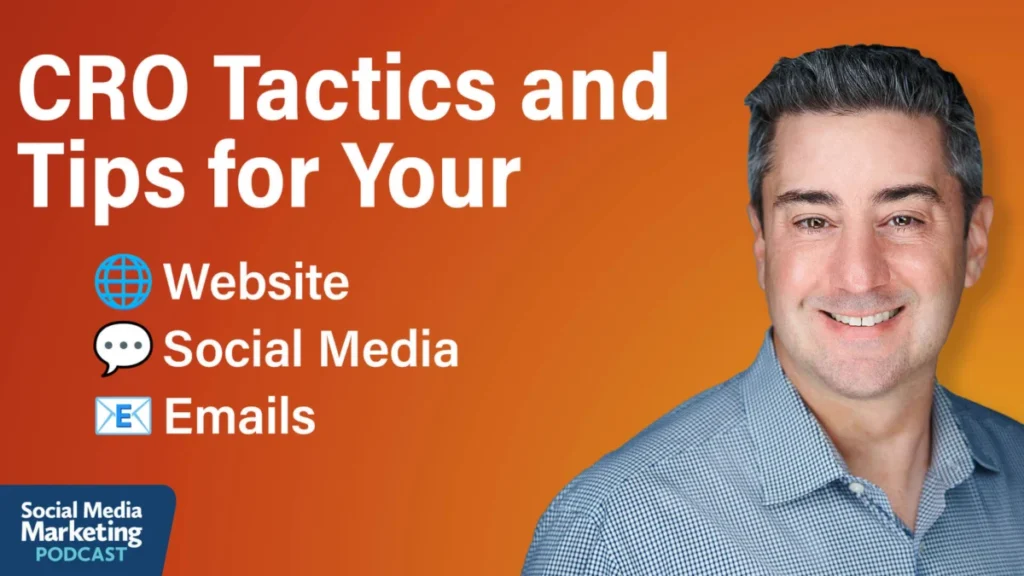
The digital marketing landscape of 2026 is defined by a paradoxical condition: never before has it been easier to produce content, yet never before has it been harder to convert that content into measurable business outcomes. As artificial intelligence democratizes the ability to flood every social channel and inbox with automated offers, the "noise floor" of the internet has risen to unprecedented levels. For marketers, this means that the traditional playbook—which relied on broad-spectrum outreach—is failing.
Conversion, once a byproduct of scale, is now a consequence of precision. In this analysis, we examine the systemic challenges facing modern marketers and outline the actionable, data-driven tactics required to thrive in a landscape where audience attention is the scarcest commodity.
The Why: The Erosion of the Marketing Funnel
The primary reason conversion rates are stalling in 2026 is the democratization of content creation. AI tools have enabled a massive influx of automated, generic messaging. When every inbox is saturated, the consumer’s threshold for engagement rises. Simultaneously, email databases are experiencing a "silent erosion."
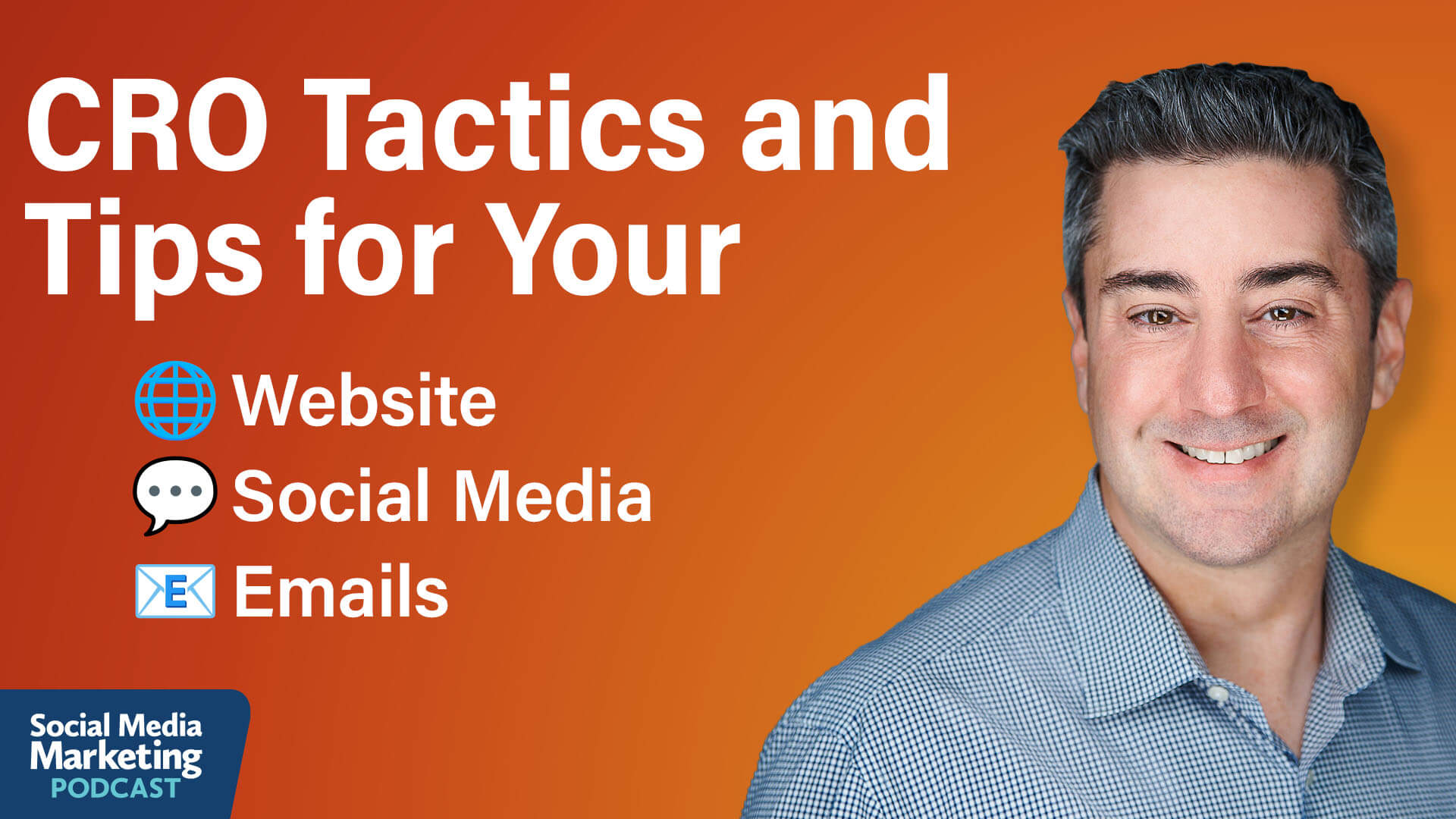
Industry benchmarks indicate that the average email list loses roughly 20% of its contacts annually due to churn, job changes, and inbox abandonment. If a company does not view database growth as a primary, weekly Key Performance Indicator (KPI), they are essentially witnessing a slow-motion liquidation of their primary marketing asset. Without a rigorous, proactive acquisition strategy, even the most established brands face a future of diminishing returns.
Chronology of the Conversion Shift
To understand how we arrived at this point, we must look at the evolution of the digital consumer:
- The Content Boom (2023–2024): Generative AI enters the mainstream, leading to a massive spike in content volume. Initial novelty leads to high engagement, but quickly transitions into fatigue.
- The Trust Gap (2025): As "AI-slop" floods social media and search results, consumers become increasingly skeptical of unsolicited offers. Engagement signals, such as open rates and click-through rates, begin to diverge.
- The Precision Era (2026): Marketers realize that broad reach is a vanity metric. Success is now defined by "micro-conversions"—the ability to capture data and build trust in short, high-intent bursts.
Supporting Data: Why "Small Wins" Matter
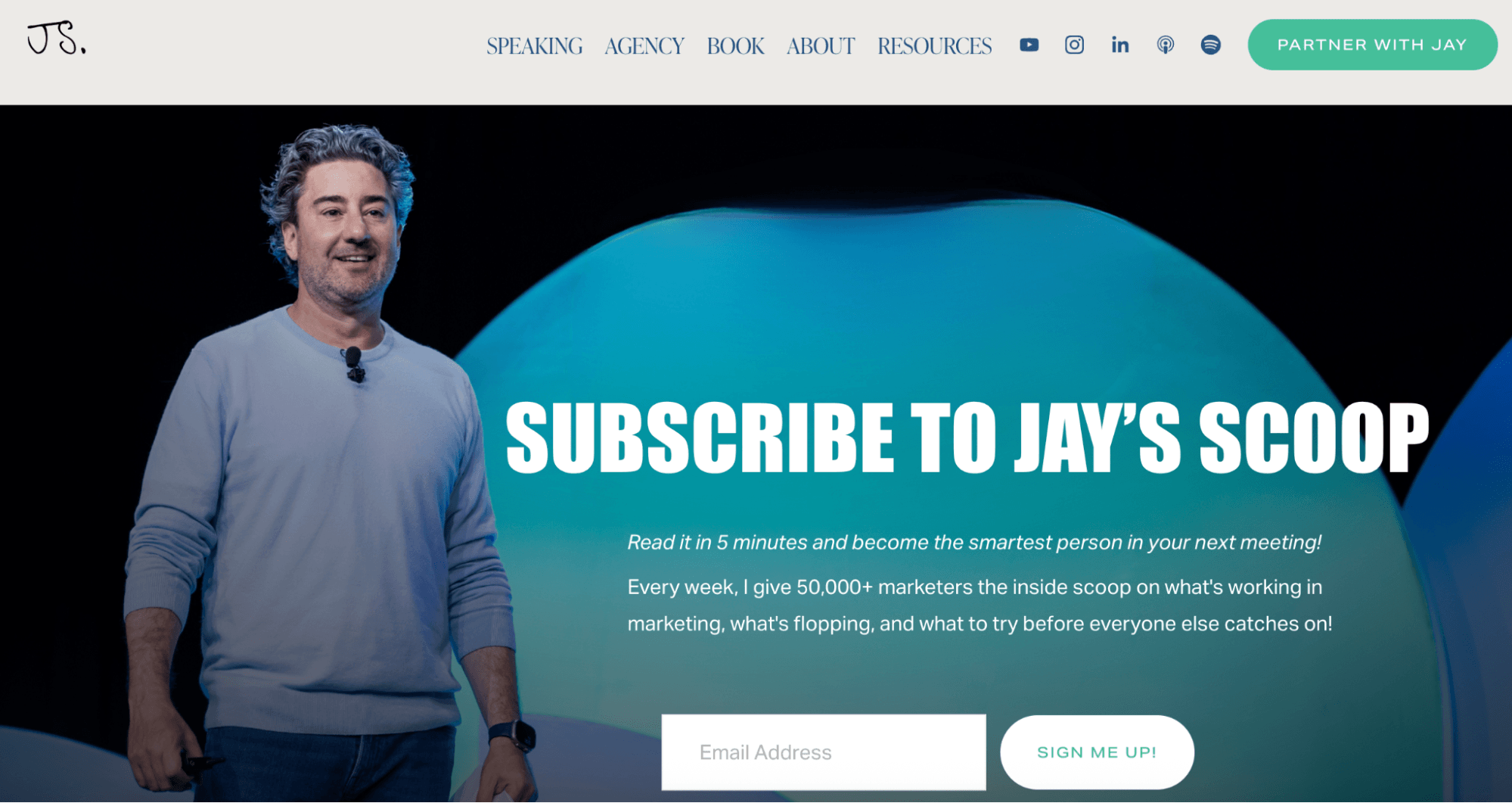
Modern marketing is no longer about finding a singular "silver bullet" to fix a funnel. Instead, it is about the aggregation of marginal gains. Data from leading industry analysts, including Jay Schwedelson and Michael Stelzner, suggests that incremental changes to user experience (UX) can yield double-digit improvements in conversion rates.
The Math of List Decay
If a company begins with 1,000 subscribers and fails to add new ones, the math is brutal:
- Year 1: 800 engaged contacts.
- Year 2: 640 engaged contacts.
- The Reality: After two years, nearly 40% of the audience has vanished. This proves that database growth is not a marketing project; it is a business survival imperative.
The Power of Behavioral Triggers
Timing remains a critical component of conversion. A static pop-up on a website may convert at a baseline of 5%, but when triggered by behavior—such as spending 30 seconds on a high-intent page like a pricing or features list—that conversion rate can double to over 10%.
Strategic Pillars for 2026 Conversions
1. Re-Engineering the Homepage Opt-In
The most common failure point for websites is the "buried opt-in." In 2026, the homepage is not merely a landing page; it is a conversion engine.

- Hero Placement: Email sign-ups or early-access lists should be the primary hero element, occupying the center of the homepage.
- The Psychology of Access: For e-commerce, the shift from "discount-based" messaging to "access-based" messaging is vital. Modern consumers are driven by the desire to be "insiders." Positioning an opt-in as an "early drop list" leverages the innate human desire to be first, which often outperforms generic 10% discount offers in terms of long-term customer lifetime value (LTV).
2. The Science of the "No" Option
Pop-ups are often maligned, yet they remain one of the most effective tools for list growth. The key to optimizing them is "Yes/No" language. By crafting a "No" button that forces the user to admit to a negative outcome (e.g., "No, I prefer to pay full price" or "No, I don’t want to improve my productivity"), marketers leverage psychological friction. Most users will choose the "Yes" option simply to avoid the cognitive dissonance of selecting a button that paints them in a negative light.
3. Paid Acquisition: Instagram and Reddit
With organic search traffic declining, paid acquisition must be surgical. Current agency data suggests that Instagram Reels/Stories and Reddit Lead Gen ads offer the most efficient cost-per-acquisition (CPA), often hovering between $2 and $3 per subscriber.
- Instagram Strategy: Use in-platform lead ads that keep the user within the app, ensuring the friction of page loading doesn’t kill the conversion.
- Reddit Strategy: Target subreddit communities with specific pain-point solutions. The recent introduction of "reminder ads" on Reddit allows users to opt-in for email or push notifications for upcoming sales, effectively bridging the gap between social discovery and transactional intent.
Fixing the Landing Page: A Technical Audit
If a landing page has a high bounce rate, it is not a lack of interest—it is a lack of alignment. To rectify this:
- Mobile-First Design: With over 70% of first-time email opens occurring on mobile, testing on desktop is a legacy error. If the mobile experience is not seamless, the conversion is already lost.
- Visual Continuity: The imagery used in an ad must be mirrored on the landing page. This signal of consistency provides the user with the confidence that they have arrived in the correct place, which can improve conversion rates by over 10%.
- The "Submit" Button Problem: The word "Submit" is bureaucratic and devoid of value. It should be replaced with action-oriented, first-person text that restates the benefit, such as "Yes! I want my free guide."
Post-Conversion: The "Thank You" Goldmine
The highest point of trust in the customer journey occurs the moment after a conversion. Most brands squander this by displaying a generic "Thank You" message. This is a missed opportunity. Instead, the "Thank You" page should serve as a bridge to a secondary offer. By presenting a relevant, lower-barrier offer (e.g., a complementary guide or a related product), marketers can segment their list based on behavioral data. Those who engage with the second offer are statistically more likely to become high-value, paying customers.
Implications for Future Deliverability
Finally, conversion is not just about sales; it is about inbox health. Modern email Service Providers (ESPs) prioritize "strong" engagement signals, such as clicks, over "weak" signals like opens.
- One-Click Interactions: Implementing "this or that" quizzes within email bodies forces the user to click. This interaction performs two functions: it cleans the list of inactive users and provides rich, zero-party data that can be used to hyper-personalize future campaigns.
Conclusion: The Path Forward
In 2026, the era of the "all-in-one" marketing solution is over. The brands that win will be those that master the minutiae: the placement of a button, the language of a pop-up, the continuity of a design, and the utilization of post-conversion momentum. By focusing on these high-leverage, small-scale adjustments, marketers can reverse the trend of stalling conversions and begin building a more resilient, engaged, and profitable audience. The strategy for the future is not to work harder by producing more noise, but to work smarter by engineering clearer, more compelling paths to action.