Beyond the "Magic Button": Building Professional-Grade AI Workflows for Modern Marketing
In the fast-evolving landscape of digital marketing, a pervasive myth has taken hold: that the stunning, cinematic AI-generated videos flooding our feeds are the result of a single, effortless prompt. For the uninitiated, the contrast between the polished demos showcased by AI labs and the "flat," uncanny results achieved by everyday marketers can be demoralizing.
However, according to AI educator and content strategist Jerrod Lew, the gap between amateur output and professional-grade content isn’t a matter of luck—it’s a matter of architecture. "The biggest misconception," Lew asserts, "is the belief that pressing one button produces something worthy of a major ad campaign."
Behind every viral AI clip are teams of creatives, hours of iteration, and, most importantly, a pre-existing creative vision. This article explores how marketers can transition from random experimentation to building reliable, scalable, and professional AI content systems.
1. The Core Philosophy: AI as a Creative Engine, Not an Author
To master AI, one must treat tools like Google Flow, Seedance, or Kling with the same respect one accords professional software like Adobe Premiere Pro or After Effects. These tools are not autonomous artists; they are highly sophisticated instruments that require a conductor.
The human element remains the heartbeat of the workflow. Before opening a single application, the creator must define the story, the brand identity, and the intended business outcome. When these foundational elements are missing, the AI output inevitably feels disjointed. However, for those with a clear narrative but limited technical production experience, these tools represent a democratization of visual storytelling. Whether you are a writer, a musician, or a product manager, AI now allows you to convert ideas into professional-grade assets directly from a mobile device or laptop.
2. Chronology of a Modern AI Workflow
The transition from a raw idea to a final, polished marketing asset follows a deliberate, multi-stage chronology.

Phase I: Establishing the Brand Foundation
Before generating a single pixel, you must codify your brand. If your AI output looks inconsistent, it is almost certainly because your visual identity is not documented. Tools like CoreDesigner have emerged as essential for this stage. By feeding existing assets—logos, website screenshots, and product photography—into a design system, marketers can create a "Source of Truth." This ensures that every subsequent AI-generated piece adheres to the same color palette, typography, and aesthetic language.
Phase II: The Construction of Reference Assets
Consistency is the enemy of the "AI look." To achieve it, creators must build robust reference libraries.
- Product References: You do not need a million-dollar studio. Simple, clear photos of your product from various angles, combined with a descriptive prompt, allow models like ChatGPT Images to generate a composite "product sheet." This sheet acts as a visual anchor for all future generations.
- Human References: For human subjects, the requirements are more rigorous. A "Character Sheet" is essential. This includes a variety of angles (profile, front, back) and a range of expressions (joy, surprise, determination). Without these explicit references, AI models often "hallucinate" facial features or distort expressions, leading to that signature uncanny valley effect.
Phase III: Storyboarding with Images
Video is resource-heavy and time-consuming. Experienced marketers treat image generation as the "storyboarding" phase. By generating 100 images to find the perfect composition, lighting, and character pose before generating a single frame of video, creators save thousands of dollars in compute costs and hours of time.
Phase IV: Video Synthesis and Refinement
Only after the images are perfected do you move to video models like Seedance 2.0 or Kling 3.0. By providing these models with your established reference images, the text prompt becomes secondary. The prompt no longer needs to describe the character’s face; it only needs to describe the camera movement and the action. If a specific element fails, tools like OmniFlash allow for targeted, non-destructive editing, removing the need to regenerate an entire scene from scratch.
3. Supporting Data: The Tool Landscape
The sheer volume of new AI tools is overwhelming. To manage this, the industry is shifting toward "Platform Aggregators."
Leading Video Models
- Google Flow & Omni Flash: A powerhouse creative environment that integrates directly into the Google ecosystem. Omni Flash is particularly potent for its ability to edit existing video content via natural language instructions.
- Seedance 2.0: Currently ranked as a top-tier choice by experts for its ability to ingest text, images, video, and audio simultaneously. Its capability to generate synchronized audio and background sounds makes it significantly more "production-ready" than its competitors.
- Kling 3.0: The gold standard for character consistency. It is currently the most reliable model for generating realistic, consistent human subjects in 1080p and 4K resolutions.
Leading Image Models
- ChatGPT Images 2.0: While Imagen 2 is a strong contender, ChatGPT Images 2.0 has pulled ahead due to its superior text-rendering capabilities and its efficiency in handling personal likenesses, making it the primary choice for YouTube thumbnails and social media graphics.
The Aggregator Strategy: Magnific
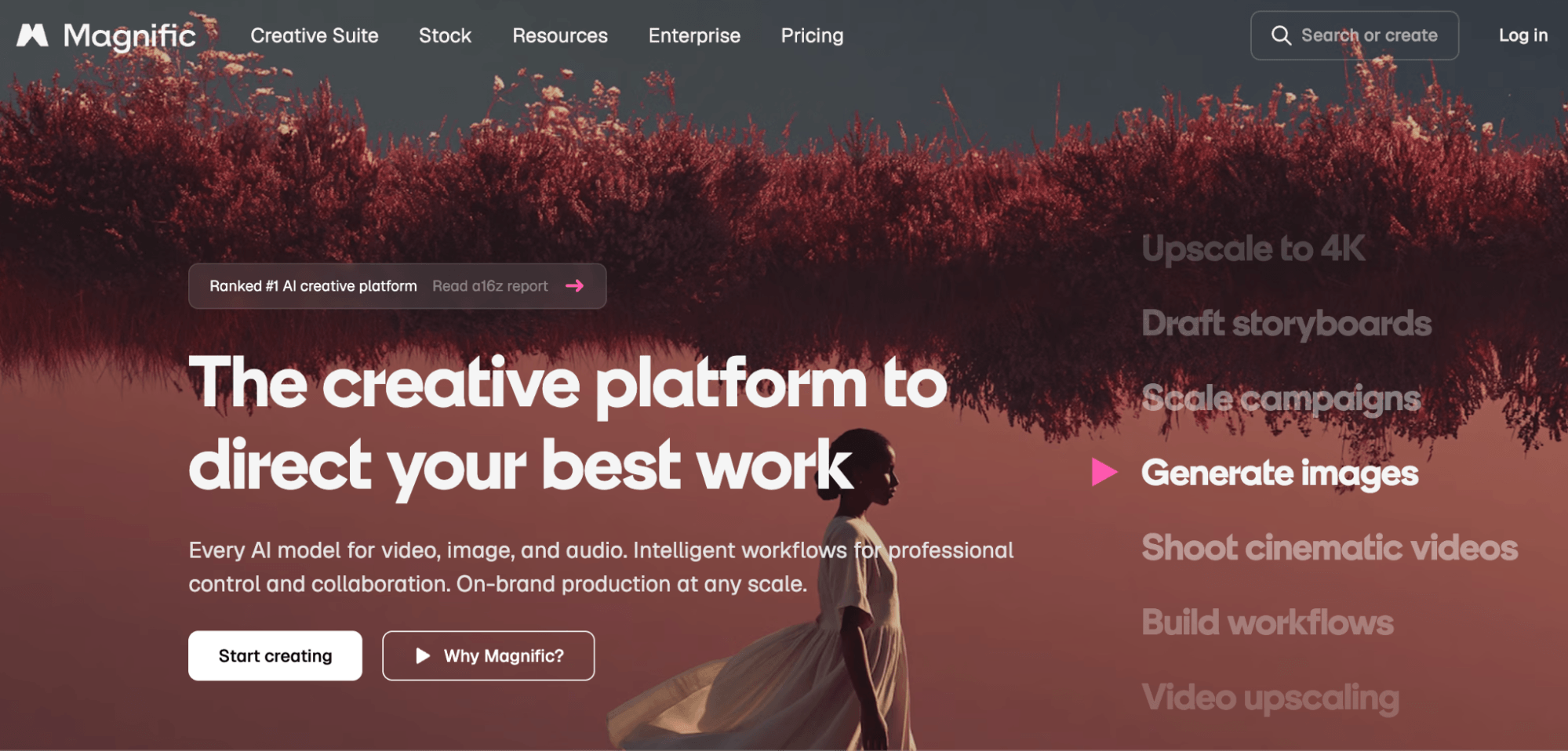
Instead of managing a dozen individual subscriptions, experts like Jerrod Lew recommend using Magnific. This platform aggregates the latest model APIs into a single interface. Its "Spaces" feature allows for a node-based workflow where images and videos can be processed in bulk. By connecting nodes, a marketer can create a standardized, repeatable system where one set of inputs flows through multiple AI models simultaneously, allowing for rapid comparison and selection.
4. Official Perspectives on AI Adoption
Industry leaders emphasize that the role of the marketer is shifting from "content creator" to "creative director." In recent discussions at events like Social Media Marketing World, the consensus is clear: the technology is no longer the bottleneck—the strategy is.
Google’s recent refresh of its creative production environments signals a move toward a "conversational agent" model. This means the future of marketing software is not learning complex menus, but rather having a dialogue with an AI partner that understands your brand’s specific constraints and goals.
5. Implications for the Future of Marketing
The ability to build these workflows has profound implications for the industry:
- Lowering the Barrier to Entry: Small teams can now produce content that previously required a mid-sized production agency. This effectively levels the playing field for startups and SMBs.
- Scalability of Personalization: Because these workflows are automated, brands can create personalized video content for hundreds of segments simultaneously, something that was previously logistically impossible.
- The Premium on Human Strategy: As the cost of "average" content drops to zero, the value of high-level creative direction, brand storytelling, and deep audience understanding will skyrocket.
Conclusion: Your Path Forward
Building a powerful AI workflow is a journey of trial and error. The most successful marketers are those who stop viewing AI as a "magic button" and start viewing it as a sophisticated, scalable production studio. By establishing a solid brand foundation, creating rigorous reference assets, and leveraging platform aggregators like Magnific, you can move past the limitations of simple prompting and into a new era of professional, consistent, and impactful marketing content.
As the technology continues to iterate at a breakneck pace, the winners will be those who spend less time chasing every new headline and more time building systems that can reliably integrate these tools into their daily business operations.