The Battle for the Inbox: TRAI, Truecaller, and the Future of Call Authentication in India
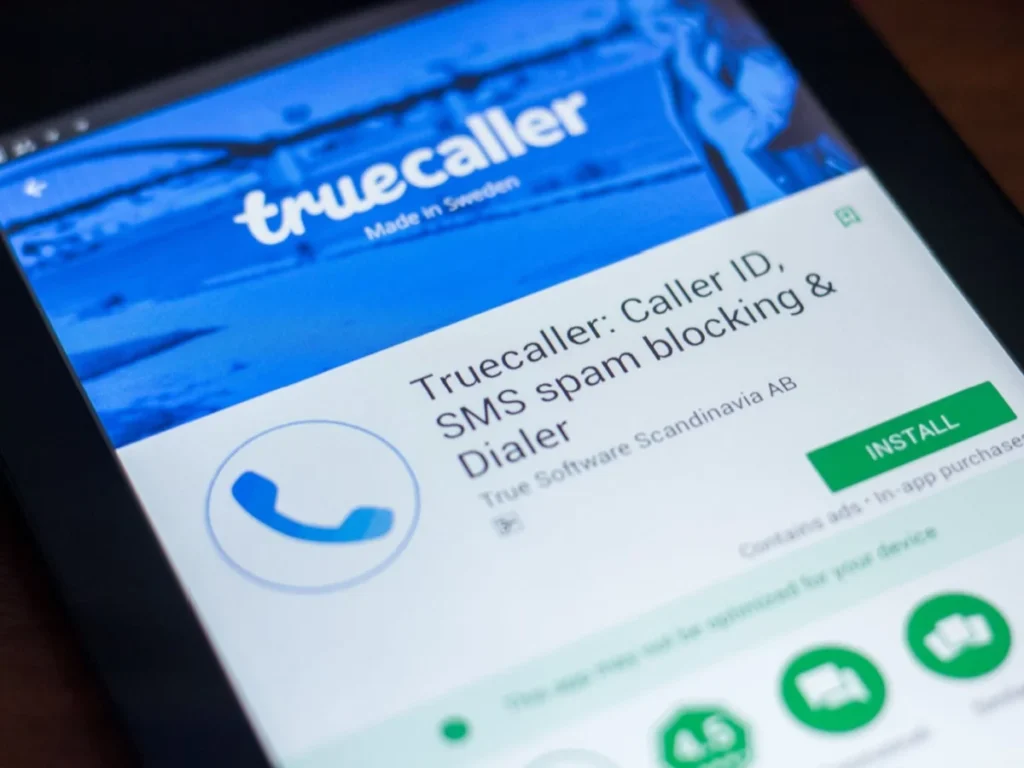
The digital landscape in India is currently witnessing a high-stakes regulatory showdown that pits the Telecom Regulatory Authority of India (TRAI) against the country’s most popular caller identification platform, Truecaller. At the heart of this conflict is a fundamental disagreement over who owns the "trust" in a mobile call: the government-sanctioned numbering framework or the algorithmic intelligence of third-party applications.
The dispute, which has escalated into a public war of words, centers on the 140 and 1600 number series. TRAI maintains that these series are sacrosanct, verified channels for essential communication that must remain untainted by the "spam" labels applied by third-party apps. Truecaller, conversely, argues that these very series have become hotbeds for fraudulent activity, and stripping away its ability to label them effectively disarms the consumer.
The Regulatory Pivot: Understanding the 140 and 1600 Series
To understand the friction, one must first understand the architecture of the numbering system. TRAI has long attempted to create a "clean" environment for commercial communication to ensure that critical alerts—such as One-Time Passwords (OTPs), banking transactions, and government notifications—reach the consumer without being caught in the crossfire of aggressive telemarketing or sophisticated scams.
The 1600 series is the latest pillar of this strategy. It is reserved exclusively for high-trust entities: banks, financial institutions, and government agencies. By isolating these calls, TRAI aims to establish a "verified channel" where a consumer knows exactly who is calling.
The 140 series, by contrast, is the established domain for registered telemarketers. Under the current commercial communication framework, these calls are meant to be filtered at the carrier level based on the user’s Do Not Disturb (DND) preferences.
TRAI’s draft Telecom Commercial Communications Customer Preference (Third Amendment) Regulations, 2026, propose a strict mandate: call management applications (like Truecaller) must not independently tag, block, filter, or alter calls originating from these specific number series. The regulator’s logic is that if the government has verified the entity behind the number, any external tagging is not only redundant but potentially undermines the integrity of the official communication channel.
A Chronology of the Dispute
The roots of this confrontation can be traced back to the broader efforts by the Indian government to curb the rising tide of digital fraud.
- March 2024: TRAI releases the draft regulations for public consultation. The proposal to restrict third-party apps from tagging or filtering the 140 and 1600 series is introduced, intended to streamline commercial communications.
- Mid-2024: As the consultation period progresses, the industry begins to realize the implications. Truecaller, which relies on community-reported data to flag potential spam, identifies that this rule would effectively create "blind spots" in its database.
- Late 2024: Media reports emerge suggesting that TRAI is seeking specific authorization from the Ministry of Electronics and Information Technology (MeitY) to bring caller ID and call management apps under the direct purview of the commercial communication regulatory framework.
- Present Day: The situation has reached a boiling point. TRAI issued a formal clarification to clear what it terms "misinformation," while Truecaller’s leadership has taken to public forums, including social media giant X, to voice strong opposition to what they perceive as a regression in consumer safety.
The Data Divide: Truecaller’s Case Against the Regulations
Truecaller’s opposition is not merely ideological; it is built on a foundation of user behavior data that paints a stark picture of the current state of telecom security.
Rishit Jhunjhunwala, CEO of Truecaller, has been vocal about the "ground reality." According to the company’s internal metrics, the labeling of 140 and 1600 numbers is not a nuisance but a necessary safety feature. Truecaller’s data suggests that these series are no longer the exclusive preserve of reputable institutions. Scammers have found ways to exploit these channels, leading to a massive decline in user trust.
Key data points highlighted by Truecaller include:
- High Unanswered Rates: Over the past eight months, users have ignored approximately 81% of calls originating from the 140-series and 79% of calls from the 1600-series.
- Volume of Distrust: Every single day, more than 51 million calls from these two series go unanswered, suggesting that the "verified" tag is failing to translate into consumer confidence.
- The "Bad Actor" Argument: Truecaller argues that by preventing the platform from labeling these numbers, the regulator is essentially forcing users to pick up calls they suspect are spam, thereby increasing their vulnerability to vishing (voice phishing) and financial fraud.
Jhunjhunwala has characterized the proposed move as "unacceptable," arguing that the regulator should focus on penalizing the bad actors who exploit these numbers rather than penalizing the platforms that help users avoid them.
The Regulatory Stance: Protecting the Channel
TRAI’s position is rooted in the philosophy of sovereign control over telecom infrastructure. The regulator argues that by allowing third-party apps to label calls that have already been vetted by the telecom service provider (TSP) and the regulator, these apps are effectively overriding the government’s own trust-building efforts.
TRAI’s argument rests on three pillars:
- DND Integrity: Since telecom operators already enforce DND settings for the 140 series, the regulator believes that additional filtering by third-party apps creates a conflict and adds an unnecessary layer of complexity.
- Reliability of OTPs: In the case of the 1600 series, the regulator fears that if a user’s app labels a legitimate bank call as "spam," the user might miss a critical security alert or transaction notification.
- Unified Framework: TRAI believes that the entire ecosystem of commercial communication should be governed by a single, transparent framework, rather than relying on the "black box" algorithms of private, often global, technology companies.
Implications for the Future of Caller ID in India
The outcome of this standoff could have profound implications for the digital economy in India.
1. The Expansion of TRAI’s Jurisdiction
If MeitY authorizes TRAI to regulate call management apps under the commercial communication framework, it would mark a significant shift. It would mean that apps like Truecaller, Getcontact, and others would have to comply with strict government guidelines on how they handle, display, and filter metadata. This would effectively turn these apps from independent, consumer-focused utilities into regulated entities within the telecom ecosystem.
2. The Erosion of User Trust
If the proposed rules go into effect, and users start receiving spam from the 1600 series—a series previously marketed as "government-verified"—the resulting loss of trust could be irreversible. Consumers have become accustomed to the "caller ID" being their first line of defense. If the state mandates that this line of defense be lowered, it may create a gap that is quickly filled by further fraudulent activity.
3. The Data-Driven Compromise
There is a potential middle ground. Truecaller has offered to share its data with MeitY to facilitate a more nuanced, data-driven approach to the regulation. This could lead to a system where the 1600 series remains "verified" for legitimate entities, but if those numbers exhibit patterns of spam behavior, the regulator itself—or an authorized, transparent entity—could flag them for the entire network, rather than leaving the task to private apps.
Conclusion
The confrontation between TRAI and Truecaller is a microcosm of a larger global debate: who should control the interface between the user and the caller? As communication networks become more sophisticated, so too do the scams that operate within them.
While TRAI’s desire to create a clean, trusted channel for essential services is understandable and necessary, the concerns raised by Truecaller regarding the prevalence of spam within these channels cannot be dismissed. The final resolution of this dispute will likely require a hybrid model—one that balances the integrity of government-backed communication channels with the technological reality that third-party apps have become the primary shield for the Indian consumer. As the ministry deliberates on whether to expand TRAI’s mandate, the eyes of the global tech community are fixed on India, waiting to see how it navigates the thin line between regulation and innovation.