From Consumer to Creator: How Deep-Tech, Inclusive Innovation, and Policy Reform Will Define India’s Leap to a Developed Nation
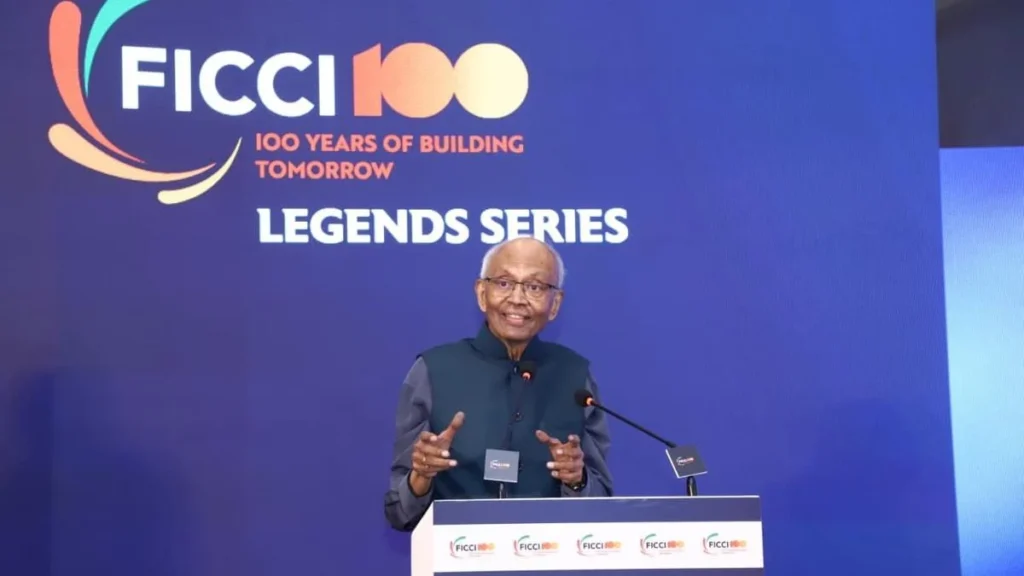
NEW DELHI — In a definitive address outlining the roadmap for India’s transition into a fully developed economy, Dr. Raghunath A. Mashelkar, one of India’s most eminent scientists and policy architects, declared that the nation’s future hinges on its ability to pioneer deep-tech, artificial intelligence (AI), and inclusive innovations. Speaking at the prestigious Federation of Indian Chambers of Commerce and Industry (FICCI) Legends Series, Dr. Mashelkar emphasized that India’s developmental trajectory must be anchored in creating globally competitive, high-quality, and affordable solutions that cater to the masses rather than a select elite.
The lecture, titled "Winning Through Innovation: Lessons for Industry and Society," served as both a celebration of India’s indigenous technological triumphs and a sharp critique of the systemic bottlenecks—most notably the government’s lowest-bidder (L1) procurement policy—that continue to stifle homegrown R&D.
1. Main Facts: The Triad of Excellence, Affordability, and Inclusion
At the heart of Dr. Mashelkar’s address was a call to dismantle the historical misconception that high-quality technology must carry a premium price tag. For decades, global innovation paradigms have equated "excellence" with high cost, leaving developing nations to choose between expensive imported technologies or sub-standard local alternatives.
Dr. Mashelkar argued that India is uniquely positioned to rewrite this narrative by championing an innovation model where excellence, affordability, and inclusion are not mutually exclusive but are instead the three defining pillars of the nation’s progress.
       ┌─────────────────────────────────────────┐
       │     India's New Innovation Model        │
       └────────────────────┬────────────────────┘
                            │
         ┌──────────────────┼──────────────────┐
         ▼                  ▼                  ▼
┌─────────────────┐┌─────────────────┐┌─────────────────┐
│   EXCELLENCE    ││  AFFORDABILITY  ││    INCLUSION    │
│  World-Leading  ││   Low Cost &    ││ Scaled for the  │
│    Deep Science ││ Resource-Light  ││  Bottom of the  │
│     and AI      ││   Engineering   ││     Pyramid     │
└─────────────────┘└─────────────────┘└─────────────────┘
Key Takeaways from the Address:
- The MLM Philosophy: India must double down on the Gandhian engineering philosophy of "More from Less for More" (MLM)—delivering more utility, value, and performance using fewer resources to benefit more people.
- Shift to "Next Practices": Indian industry must transition from merely adopting global "best practices" to creating global "next practices"—pioneering entirely new business models, technological platforms, and societal solutions.
- AI as a Co-Pilot: While advocating for rapid AI integration, Dr. Mashelkar cautioned that artificial intelligence must remain a "co-pilot, never an autopilot," ensuring that human ethics, compassion, and judgment guide its deployment.
- Procurement Reform: The current public procurement system, which prioritizes the lowest financial bidder (L1), remains the single largest systemic barrier to deep-tech and indigenous innovation in India.
2. Chronology: The Evolution of India’s Innovation Paradigm
To understand the urgency of Dr. Mashelkar’s message, it is essential to trace the historical phases of India’s technological and scientific journey since independence.
┌────────────────────────────────────────────────────────────────────────┐
│                      CHRONOLOGY OF INDIA'S INNOVATION                  │
├───────────────────┬────────────────────────────────────────────────────┤
│ Phase I (1947-90) │ Era of Import Substitution & Reverse Engineering   │
├───────────────────┼────────────────────────────────────────────────────┤
│ Phase II (1990s)  │ Global R&D Arbitrage & IP Assertiveness            │
├───────────────────┼────────────────────────────────────────────────────┤
│ Phase III (2010s) │ Digital Public Infrastructure (DPI) & Frugal Tech  │
├───────────────────┼────────────────────────────────────────────────────┤
│ Phase IV (Present)│ The Leap to Deep-Tech, AI, & "Next Practices"      │
└───────────────────┴────────────────────────────────────────────────────┘
Phase I (1947–1990): The Era of Resource Constraints and Import Substitution
Following independence, India operated under severe capital constraints and restricted access to global markets. The focus of the scientific establishment, led by institutions like the Council of Scientific and Industrial Research (CSIR), was on import substitution, reverse engineering of pharmaceuticals, and establishing foundational industrial capabilities.
Phase II (1990s–2000s): Global R&D Arbitrage and Intellectual Property Assertiveness
With the liberalization of the economy in 1991, multinational corporations began establishing global research centers in cities like Bengaluru, Pune, and Hyderabad, capitalizing on India’s highly skilled, cost-effective engineering talent. Concurrently, under Dr. Mashelkar’s leadership as the Director General of CSIR (1995–2006), India fought and won landmark international patent battles (such as those over turmeric and basmati rice), signaling a new era of intellectual property consciousness.
Phase III (2010s–Early 2020s): The Rise of Digital Public Infrastructure (DPI)
India bypassed traditional developmental steps by building robust Digital Public Infrastructure, including Aadhaar, the Unified Payments Interface (UPI), and India Stack. This period proved that India could scale digital solutions to hundreds of millions of citizens at a fraction of the cost incurred by Western nations.
Phase IV (Present & Beyond): The Leap to Deep-Tech and "Next Practices"
Today, India stands at a critical juncture. The challenge is no longer just about digital connectivity or service-sector outsourcing. The nation must now master deep-tech—including quantum computing, advanced materials, biotechnology, and generative AI—to secure technological sovereignty and lead global markets.
3. Supporting Data: The Power of Frugal and Inclusive Innovation
Dr. Mashelkar highlighted several breakthrough technologies developed in India that demonstrate how cutting-edge science can be harnessed to solve critical societal challenges affordably and at scale. These case studies serve as empirical evidence that high-tech solutions do not require prohibitive budgets.
Healthcare Diagnostics Powered by AI and Deep-Tech
Traditional medical diagnostics are often capital-intensive, requiring expensive imported machinery and specialized technicians, which restricts their availability in rural areas. Indian innovators have disrupted this model:
- AI-Powered Tuberculosis Detection: By utilizing machine learning algorithms on standard smartphones, healthcare workers in remote villages can analyze chest X-rays and acoustic cough signatures to detect tuberculosis in real-time. This replaces slow, expensive laboratory cultures with instant, low-cost screening.
- Thermal Imaging for Breast Cancer: Traditional mammography is expensive, often painful, and inaccessible in rural clinical settings. Indian startups have developed non-contact, radiation-free breast cancer screening tools using thermal imaging and AI. This diagnostic tool costs a fraction of a standard mammogram, enabling widespread preventative screenings.
- Non-Invasive Anemia Detection: Anemia affects over 50% of pregnant women in India. New, handheld optical devices can measure hemoglobin levels through a simple scan of the inner eyelid, completely eliminating the need for needles, chemical reagents, and laboratory processing.
The Digital Revolution and Green Energy Transition
The scale of India’s digital and green energy achievements provides further supporting data for this shift:

- Telecom Data Democratization: India boasts some of the lowest mobile data tariffs globally, transforming internet access from a luxury into a utility. This has laid the groundwork for rural e-commerce, digital education, and telemedicine.
- Green Hydrogen Initiatives: India is heavily investing in localized green hydrogen production, aiming to become a global hub for clean energy exports by utilizing indigenous electrolyzer technologies and abundant solar power.
4. Systemic Barriers: Reforming the L1 Procurement Paradigm
Despite these successes, Dr. Mashelkar issued a stern warning regarding structural barriers that continue to hold back the Indian innovation ecosystem. Chief among these is the public sector’s reliance on the L1 procurement policy, which mandates that government contracts be awarded to the lowest financial bidder.
Why the L1 Policy Stifles Innovation:
- Disincentivizes Quality and R&D: Deep-tech development requires significant upfront investment in research and development. When government tenders prioritize the cheapest product, high-quality, innovative local solutions are consistently underbid by low-grade, mass-produced imports.
- Risk Aversion: Government departments are often hesitant to procure unproven, cutting-edge technologies from domestic startups due to fears of audit objections if the technology fails.
- Impedes Commercialization: Without the government acting as an early adopter or "anchor customer," local startups struggle to find the initial market scale needed to commercialize their intellectual property.
┌────────────────────────────────────────────────────────────────────────┐
│                 REFORMING PUBLIC PROCUREMENT IN INDIA                  │
├───────────────────────────────────┬────────────────────────────────────┤
│ Current "L1" Model                │ Proposed "Risk-Sharing" Model      │
├───────────────────────────────────┼────────────────────────────────────┤
│ • Focuses strictly on lowest cost │ • Focuses on life-cycle value & IP │
│ • Promotes risk-avoidance         │ • Government acts as early adopter │
│ • Favors low-tech imports         │ • Promotes domestic R&D startups   │
│ • Stifles high-quality local R&D  │ • Shares technological risk        │
└───────────────────────────────────┴────────────────────────────────────┘
Dr. Mashelkar urged policymakers to transition the government’s role from a mere "purchaser of the cheapest products" to an active, risk-sharing partner. He proposed adopting procurement frameworks that evaluate proposals based on value, long-term life-cycle costs, and intellectual property creation rather than short-term price tags.
5. Official Responses and Industry Perspectives
The industrial community has strongly echoed Dr. Mashelkar’s calls for reform. Representing the corporate sector at the event, Rajvardhan V. Kanoria, Past President of FICCI and Chairman & Managing Director of Kanoria Chemicals & Industries Ltd., emphasized that the private sector must look beyond short-term financial returns and focus on long-term value creation.
"Innovation is no longer confined to laboratories or research institutions. It is the defining force that will determine India’s economic competitiveness, technological leadership, and inclusive growth in the decades ahead," Kanoria stated. "The challenge before industry is not simply to grow bigger, but to create solutions that generate greater value while benefiting a much larger section of society."
Industry leaders agree that the next phase of Indian corporate growth cannot rely solely on importing foreign technologies and adapting them for the domestic market. Instead, Indian companies must invest heavily in in-house R&D, build stronger linkages with academic institutions, and actively fund early-stage deep-tech startups.
6. Strategic Implications: The Path to "Viksit Bharat"
The insights shared by Dr. Mashelkar and industry leaders carry profound implications for India’s economic, geopolitical, and social future as the country marches toward its goal of becoming a developed nation ("Viksit Bharat") by 2047.
1. Achieving Technological Sovereignty
By shifting from a consumer of global technologies to a creator of proprietary intellectual property, India can reduce its strategic dependencies on foreign nations for critical technologies, including semiconductors, defense systems, pharmaceuticals, and telecommunications.
2. Democratizing Healthcare and Education
By applying the "More from Less for More" philosophy to social infrastructure, India can bridge the urban-rural divide. AI-driven diagnostics, digital classrooms, and decentralized clean energy can deliver high-quality public services to remote communities at a fraction of traditional costs.
3. Setting a Global Model for Sustainable Growth
Western models of industrial development have historically been highly resource-intensive and environmentally damaging. India’s frugal, resource-light approach to innovation offers a sustainable alternative for the global South, demonstrating that economic expansion does not have to come at the cost of environmental degradation.
4. Ethical Integration of Artificial Intelligence
As AI transforms global workforces, India’s human-centric approach—viewing AI as a co-pilot that enhances human capabilities rather than an autopilot that replaces them—could prove to be a resilient strategy. This ensures that technological advancements generate meaningful employment opportunities and preserve human dignity.
Ultimately, Dr. Mashelkar’s address served as a call to action for scientists, business leaders, and policymakers alike. For India to claim its place as a global superpower, it must foster an ecosystem where bold scientific inquiry is backed by risk-tolerant capital, supported by progressive government policies, and guided by a commitment to lift up every segment of society.