The Proof-of-Value Revolution: How AI-Driven Workflows are Redefining the High-Ticket Sales Close
In the traditional landscape of B2B sales, the "pitch" has long been a dance of persuasion, often characterized by a power imbalance where the seller must convince a skeptical prospect of their worth. However, a new paradigm is emerging—one powered by generative artificial intelligence—that flips this dynamic entirely. By leveraging high-speed AI workflows, sales professionals are now walking into initial meetings not with promises, but with functional, branded prototypes.
The effectiveness of this "show, don’t tell" strategy was recently highlighted by AI consultant Etan Polinger, who demonstrated how a single, four-hour AI-driven workflow successfully closed a $12,000 deal during the very first meeting. This approach represents a fundamental shift in the economics of sales preparation, allowing solo practitioners to deliver the kind of deep research and technical execution that previously required entire departments and weeks of lead time.
Main Facts: The $12,000 AI Sales Blueprint
The core of this modern sales strategy lies in the radical reduction of the "cost of effort" enabled by AI. Historically, performing deep market research and building a custom prototype for a prospect who hasn’t yet signed a contract was considered a high-risk, low-reward endeavor. If the deal fell through, the hours of unpaid labor were a total loss.
Etan Polinger’s workflow mitigates this risk by using AI to compress roughly 40 hours of traditional work into less than four. The primary components of this strategy include:
- Outcome-Centric Analysis: Using Large Language Models (LLMs) to distill complex client requests into a single, actionable sentence.
- Triple-Layer Research: Conducting separate AI-driven inquiries into the individual, the company, and the broader market.
- Automated Brand Synthesis: Extracting visual identities from existing web assets to create a custom UI/UX style guide.
- "Vibe Coding" Prototypes: Using AI coding environments to build functional software assets (like chat widgets or data dashboards) without manual programming.
The result is a psychological shift in the sales room. When a prospect sees a working tool built specifically for their brand before they have even paid a deposit, the conversation moves from "Should we hire you?" to "Do you have the bandwidth to start immediately?"
Chronology: From Community Post to Signed Contract
The specific $12,000 deal that serves as the case study for this workflow began not in a formal boardroom, but in a digital community.
The Lead Discovery:
The process was initiated when Polinger spotted a prospect in an online group asking for a custom widget. Rather than sending a generic portfolio or a link to a calendar, Polinger offered a simple, low-friction response: "I think I can help." This initiated a brief dialogue that secured a first meeting.
The Preparation Phase:
Over the next four hours, Polinger executed the AI workflow. He utilized ChatGPT and Claude to analyze the prospect’s previous public statements and the specific technical requirements of the widget. He then used browser extensions to scrape the prospect’s brand colors and fonts, feeding this data into Claude’s design features to generate a library of branded code snippets. Finally, he used Replit and "vibe coding" (natural language programming) to assemble a functional prototype of the widget.
The Meeting and the Close:
When the meeting commenced, Polinger did not open with a slide deck about his company’s history. Instead, he shared his screen to show the prospect a live, functional version of the very tool they had asked for, perfectly matched to their brand’s aesthetic.
The psychological impact was immediate. The prospect, seeing that 80% of the work was already completed and tailored to their needs, became the pursuer. The deal closed for $12,000 on the spot, with the prospect expressing concern that Polinger might be too busy to take on the project.
Supporting Data: The Four-Step AI Sales Workflow
To replicate this success, Polinger outlines a structured four-step process that utilizes a specific stack of AI tools.
1. Understanding the Prospect’s "True Ask"
Sales often fail because the seller addresses the technical requirements rather than the desired outcome. Polinger recommends copying the prospect’s initial inquiry or a meeting transcript into an AI with a specific prompt: “What do they want? Answer in one sentence that anyone can understand.”

This forces the AI to ignore the technical jargon (e.g., "I need a Python script for a database") and focus on the business result (e.g., "They want to automate their lead follow-up"). By staying outcome-oriented, the seller can offer a wider range of solutions, including out-of-the-box platforms if a custom build becomes too complex.
2. The Triple-Pass Research Method
Polinger argues for running three separate research passes rather than one general search. This prevents the AI from "thinning out" its results and ensures maximum computational depth for each category:
- The Person: Analyzing transcripts of their podcast appearances, LinkedIn posts, and interviews to understand their values and communication style.
- The Company: Investigating the business model and, crucially, their job postings. Open roles are a "tell" for a company’s internal struggles and strategic goals.
- The Market: Mapping out competitors and identifying how AI is currently disrupting that specific niche.
3. Visual Synchronization through AI
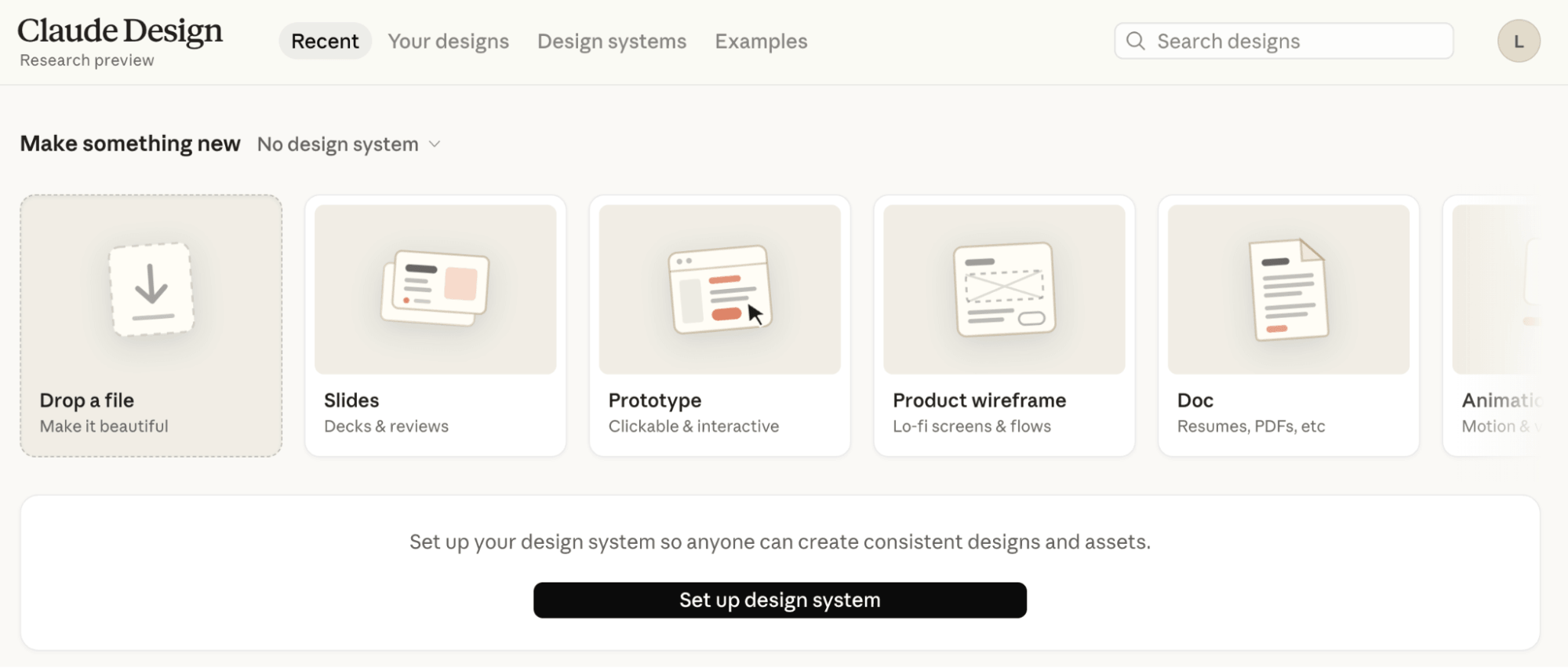
The "wow moment" in a sales call is often visual. Even if the logic of a tool is sound, if it doesn’t "look" like the client’s brand, there is a cognitive disconnect. Polinger uses tools like WhatFont and ColorZilla to extract hex codes and typography from the prospect’s website. These are then fed into Claude Design, which generates a folder of UI/UX code snippets (headers, buttons, graphs) that are pre-styled to match the client’s existing digital footprint.
4. Prototyping via "Vibe Coding"
The final step involves moving from design to function. By taking the branded code snippets and placing them into environments like Replit or Claude Code, sellers can use natural language to "vibe code."
For example, a seller might prompt: "Build a lead capture form using these branded buttons that sends a notification to Slack." The AI handles the backend architecture, allowing the salesperson to present a live, clickable asset. This moves the sales conversation into the "Demonstration of Reality" phase, which is significantly more persuasive than the "Presentation of Theory."
Official Responses and Expert Perspectives
Etan Polinger, an AI consultant and creator of the AI Integrator Certification at Chief AI Officer, emphasizes that this is not just about speed, but about the "reversal of energy." He notes that when a seller shows up with this level of preparation, the prospect feels they would lose something valuable if they chose a different vendor.

Michael Stelzner, founder of Social Media Examiner and host of the AI Explored podcast, observes that this workflow represents the future of professional services. "Most marketers and business owners are trying to figure out AI alone," Stelzner notes. He suggests that the ability to integrate these tools into a cohesive sales pipeline is what will separate high-earning consultants from those struggling with AI-induced commoditization.
Industry analysts suggest that this "Pre-emptive Deliverable" model may soon become the standard for high-ticket digital services. As AI tools become more accessible, the barrier to entry for creating prototypes will drop, making "unprepared" pitching look increasingly obsolete.
Implications: The Death of the Traditional Pitch
The implications of AI-driven sales workflows extend far beyond individual $12,000 deals. This shift suggests a broader transformation in the professional services industry.
1. The End of "Guess-Work" Sales:
Traditionally, sales was a game of numbers—send 100 emails to get 10 meetings to get one close. The AI workflow shifts the focus to high-intent, high-quality engagement. By investing four hours of AI-assisted work into a single high-value prospect, sellers can achieve much higher close rates, allowing them to work with fewer, better-paying clients.
2. The Rise of the "Technical Salesperson":
The line between the salesperson and the developer is blurring. With "vibe coding," a salesperson no longer needs a computer science degree to build a functional proof-of-concept. This democratizes technical sales and allows for more agile, responsive business development.
3. Ethical Considerations of "Free Work":
A common critique of this model is that it encourages "spec work" (working for free in hopes of getting paid). However, Polinger’s workflow counters this by making the "cost" of that work negligible. If a $12,000 deal can be secured with four hours of AI-augmented effort, the ROI remains overwhelmingly positive, even if some prospects do not close.
4. The Competitive Bar is Rising:
As more agencies and consultants adopt these workflows, the standard for a "first meeting" will rise. Prospects will eventually expect to see a level of personalization and technical readiness that was once reserved for the final stages of a contract negotiation.
In conclusion, the success of Etan Polinger’s $12,000 deal serves as a harbinger for the future of B2B commerce. In an age where AI can research, design, and code in minutes, the most successful sellers will be those who use these tools to prove their value before the first invoice is even sent. The future of selling isn’t about the pitch; it’s about the prototype.