Telangana’s Healthcare Standoff: TANHA Threatens Boycott of New Employee Health Scheme Over Pricing Concerns
HYDERABAD – The landscape of public healthcare in Telangana faces a significant disruption as the Telangana Aarogyasri Network Hospitals Association (TANHA) has issued a formal ultimatum to the state government. The association, which represents a vast network of private healthcare providers, has declared that its member hospitals will refuse to participate in the proposed new Employee Health Scheme (EHS) if the state proceeds with its plan to implement revised Central Government Health Scheme (CGHS) package rates.
The standoff marks a critical juncture in the relationship between the state government and the private healthcare sector, raising concerns about the continuity of medical services for thousands of government employees, pensioners, and their dependents.
The Core Conflict: Economic Viability vs. Standardized Pricing
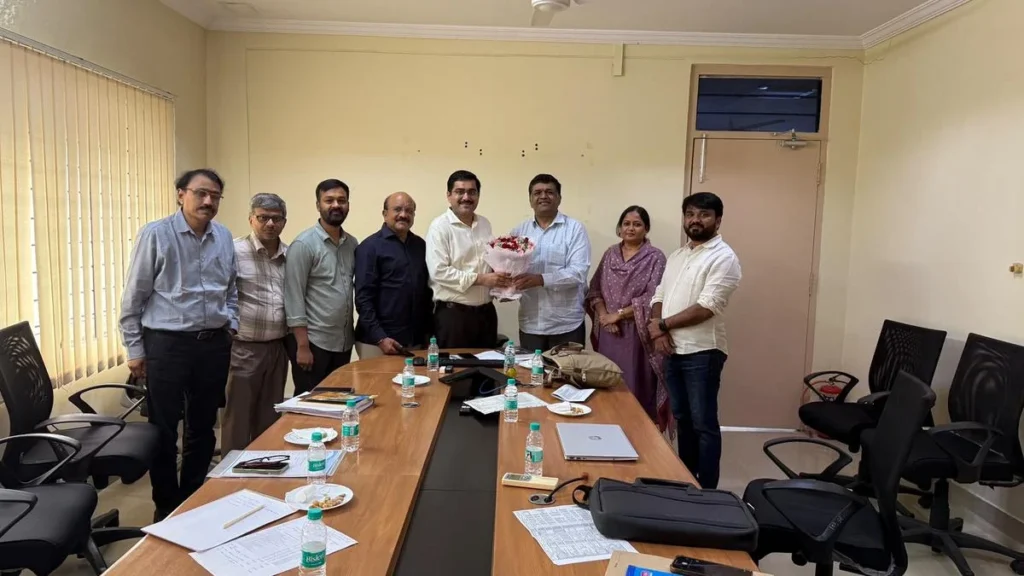
The primary point of contention is the financial sustainability of the proposed EHS model. On Tuesday, a high-level delegation from TANHA, led by its president, Dr. Vaddiraju Rakesh, met with the Chief Executive Officer of the Employee Health Scheme, Z. Hanumant Kondiba, and other senior officials to register their formal dissent.
According to TANHA, the proposed transition to CGHS-based tariffs is fundamentally flawed. The association argues that these rates are significantly lower than the current Aarogyasri and previous EHS package rates. Dr. Rakesh emphasized that these price points fail to account for the actual operational costs of modern medical facilities, including specialized diagnostic equipment, high-end consumables, and the rising cost of professional medical staffing.
“Adopting these rates would make it impossible for hospitals to sustainably deliver quality healthcare,” Dr. Rakesh stated following the meeting. “When the reimbursement rates do not cover the cost of the procedure and the necessary infrastructure, the entire service model becomes untenable for private providers.”
Chronology of the Policy Shift
The friction stems from the government’s recent initiative to overhaul the EHS to provide comprehensive coverage for government employees and their families. While the objective—improving healthcare access—is widely supported, the implementation strategy has been met with skepticism.
- Initial Proposal: The state government proposed a new iteration of the EHS, aiming to standardize rates across the board by aligning them with the national CGHS framework.
- Internal Analysis: TANHA conducted an internal review of the proposed tariff sheets. Their findings suggested that the new structure would lead to a revenue deficit for many hospitals, particularly those offering advanced surgical and intensive care services.
- The Meeting: On Tuesday, July 14, 2026, TANHA leaders sought an audience with CEO Z. Hanumant Kondiba to present their data-backed concerns and request a reconsideration of the pricing structure.
- The Ultimatum: Following the lack of immediate consensus, the association issued a public notice stating that their member hospitals would abstain from the new scheme if the financial parameters were not adjusted to reflect market realities.
Supporting Data: The Impact of Network Hospitals
To underscore the gravity of their position, TANHA has highlighted its critical role in the state’s healthcare ecosystem. The association reports that its member hospitals currently account for nearly 70% to 80% of all healthcare services rendered under the existing government employee schemes in Telangana.
This market dominance means that a boycott by TANHA would effectively paralyze the EHS. Without the participation of these private hospitals, the state would be forced to rely exclusively on government-run medical facilities, which are already struggling to manage existing patient volumes.
The Cost-to-Care Gap
TANHA argues that the current "actual costing" model is ignored in the government’s proposal. Their position paper outlines three key areas where the CGHS rates fall short:
- Consumables and Implants: The cost of specialized medical hardware has increased, yet the reimbursement caps proposed under the new scheme have not been adjusted to match inflationary trends in medical manufacturing.
- Infrastructure Maintenance: Modern hospitals require high overheads for sanitation, power, and biomedical waste management, all of which are increasingly expensive.
- Specialist Compensation: The scheme fails to adequately reimburse the professional expertise required for complex procedures, potentially leading to a shortage of specialist participation.
Official Responses and Administrative Stance
The meeting with CEO Z. Hanumant Kondiba and other senior officials served as the first formal dialogue between the two parties regarding the specific grievances of the hospitals. While the government has yet to issue a formal press release on the outcome, sources indicate that the officials took note of the association’s concerns.
The government’s primary motivation for adopting CGHS rates is to ensure fiscal discipline and uniformity across state-sponsored health initiatives. Officials have previously suggested that moving to a national standard would reduce administrative burden and prevent the disparity in pricing that often complicates multi-hospital network management. However, the private sector’s pushback suggests that a "one-size-fits-all" approach to pricing may not be compatible with the current private medical market in Telangana.

Seeking a Seat at the Table: Governance Reforms
Beyond the immediate dispute over pricing, TANHA is calling for a broader structural change in how the EHS is managed. The association has formally requested representation on the governing board and other key committees that oversee the scheme’s policy decisions.
Dr. Rakesh’s delegation proposed the inclusion of at least 10 representatives from various medical specialties. The association argues that this is not merely a request for influence, but a practical necessity for operational efficiency. By having clinicians and hospital administrators present during policy formulation, the government could anticipate "on-the-ground" challenges before they evolve into full-blown crises.
“We are not looking to dictate government policy,” a TANHA spokesperson noted. “We are looking for a seat at the table so that the policies created for the benefit of the patients are also feasible for the institutions providing the care.”
Implications for Patients and the Healthcare Sector
The potential failure of the EHS rollout has significant implications for thousands of government employees and pensioners who rely on the network for everything from routine screenings to emergency cardiac care.
1. Risk of Service Interruption
If the government and TANHA fail to reach an agreement, employees may find themselves unable to access their preferred private hospitals under the EHS. This would necessitate a shift to government hospitals, which could lead to overcrowding and extended wait times for elective procedures.
2. The Future of Public-Private Partnerships (PPP)
This dispute serves as a litmus test for the state’s PPP model. If the government is perceived as inflexible, it may deter private investment in healthcare infrastructure within the state. Conversely, if the government yields to the pricing demands, it must find a way to balance the budget without compromising the quality of care or shifting the burden onto the taxpayers.
3. Economic Impact on Hospitals
For the private hospitals, the risk is equally high. While they are standing their ground on pricing, they also rely on the volume of patients brought in by state schemes. Both parties are currently in a high-stakes negotiation where a compromise—likely involving a tiered pricing model or a periodic review of rates—seems the most probable, albeit difficult, path forward.
Conclusion: The Path Ahead
The coming weeks will be critical. The state government is currently under pressure to launch the new scheme, while TANHA is under pressure to protect the viability of its member institutions.
As the debate continues, the focus remains on whether the government will concede to a "cost-plus" model—where rates are calculated based on actual, transparent costs—or if it will hold firm on its CGHS-aligned fiscal policy. For now, the medical community and the thousands of families covered by the scheme wait to see if a middle ground can be found to ensure that healthcare remains both affordable for the state and sustainable for the providers.
The success of the EHS rests on this delicate equilibrium; failure to find it could signal a long and difficult transition for Telangana’s healthcare sector.