The Rise of the Agentic Desktop: A Comprehensive Guide to Claude Cowork
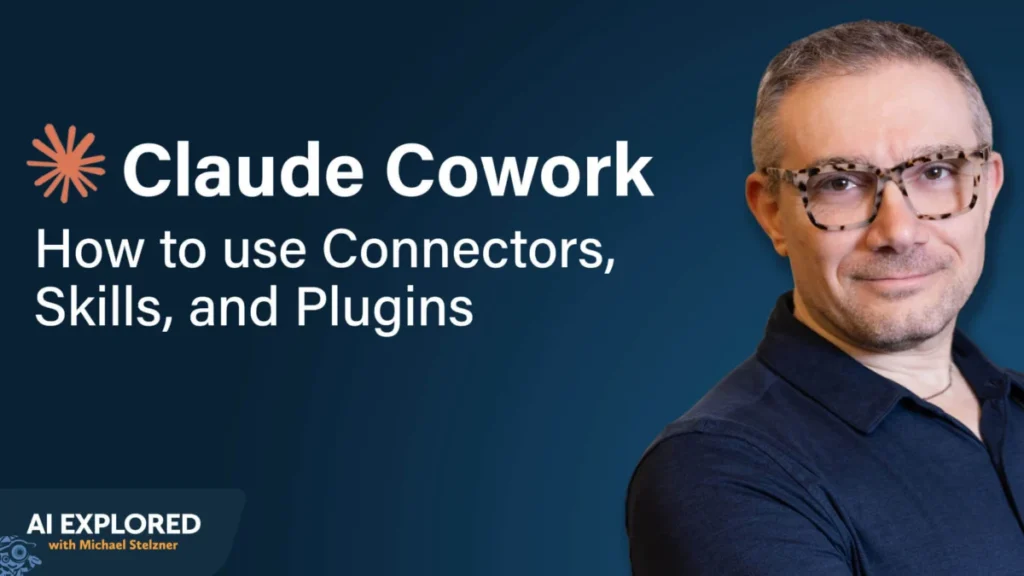
In the rapidly evolving landscape of artificial intelligence, the transition from "chatbots" to "agents" represents the most significant paradigm shift since the release of Large Language Models (LLMs). While 2023 and 2024 were defined by the art of prompting and conversational exchange, 2025 has ushered in an era of autonomous execution. At the forefront of this movement is Anthropic’s Claude Cowork, an agentic desktop application designed to move beyond simple dialogue and into the realm of complex, multi-step task management.
Launched in January 2025, Claude Cowork is not merely an interface update; it is a fundamental reimagining of how humans interact with AI. This article explores the core mechanics, practical applications, and strategic implications of Claude Cowork for modern professionals.
1. Main Facts: Defining the Agentic Shift
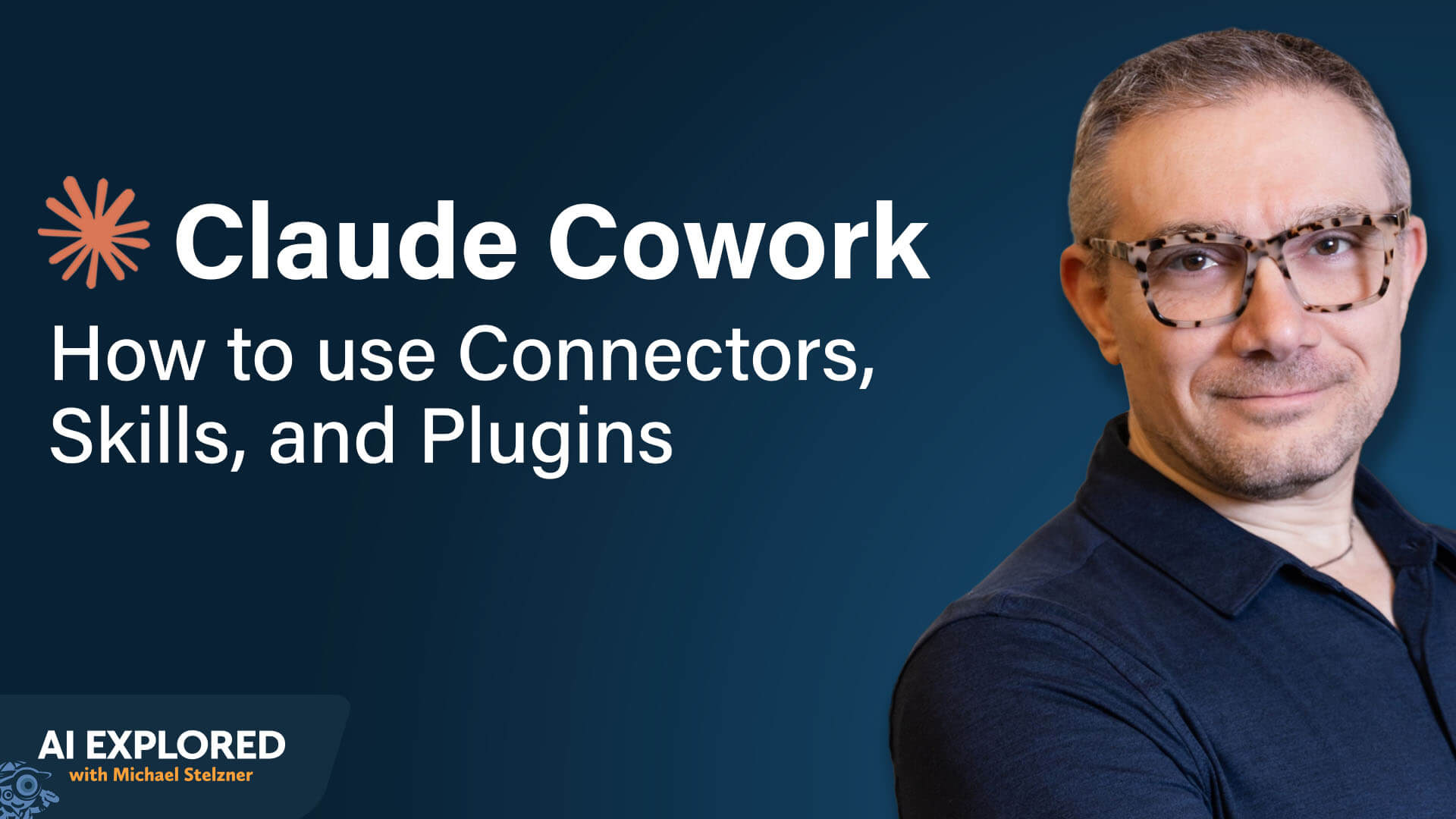
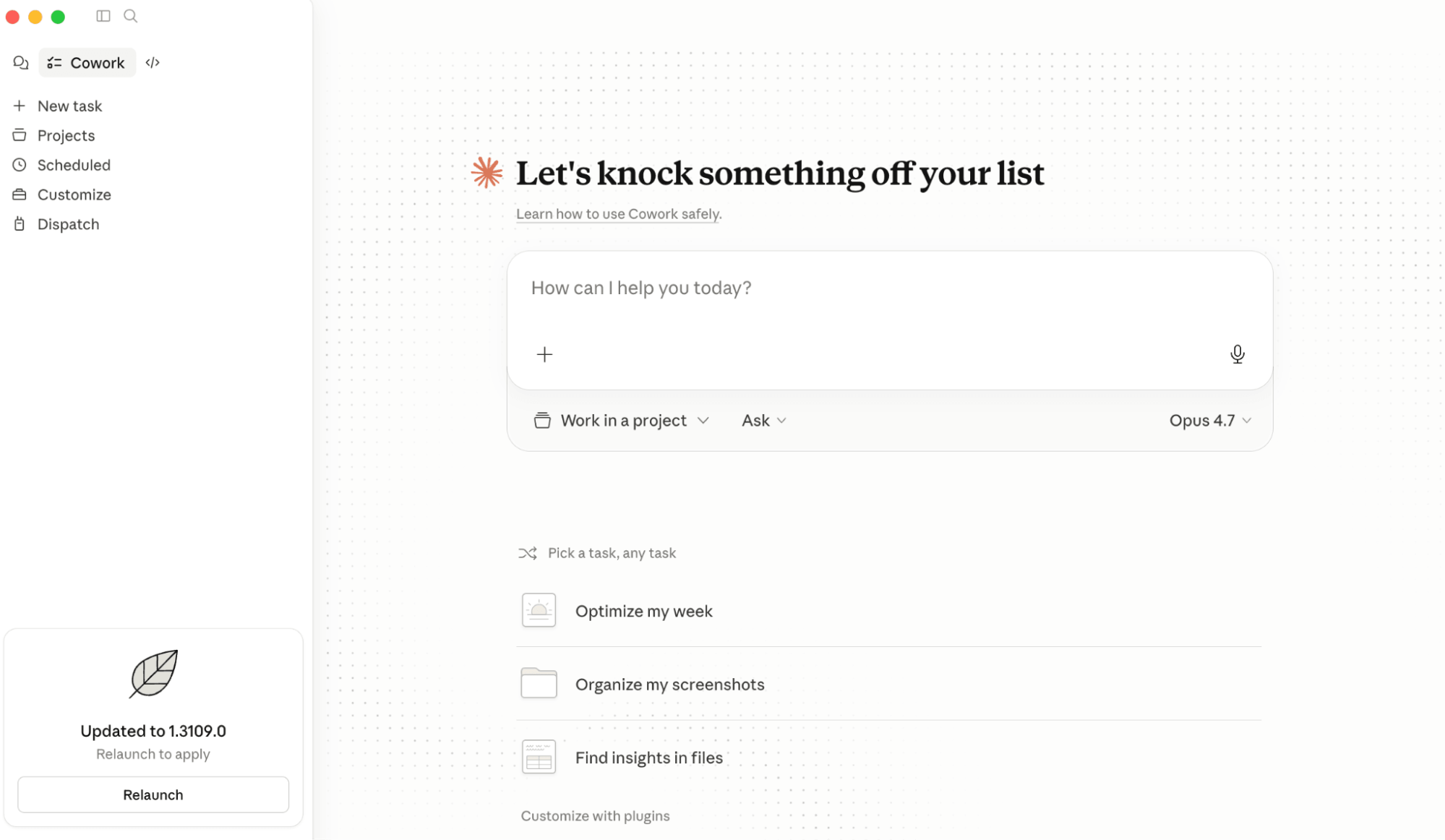
Claude Cowork is a specialized desktop application built on top of Anthropic’s Claude models. Unlike the standard Claude web interface, which functions primarily as a sophisticated sounding board, Cowork is designed to act as a digital employee. It leverages "agentic" capabilities, meaning it can reason through a goal, break it down into sub-tasks, and execute those tasks across various software environments with minimal human intervention.
The Supervisor Model
The core philosophy of Cowork is a shift in the user’s role from "writer" to "manager." Dan Nestle, a prominent AI strategist, likens the standard Claude interface to a brilliant but needy intern who requires constant instruction. In contrast, Cowork acts as an experienced associate. Once provided with a brief, it navigates files, connects to web services, and handles the "grunt work," returning to the user only for final approval or when it encounters a strategic roadblock.

Core Components
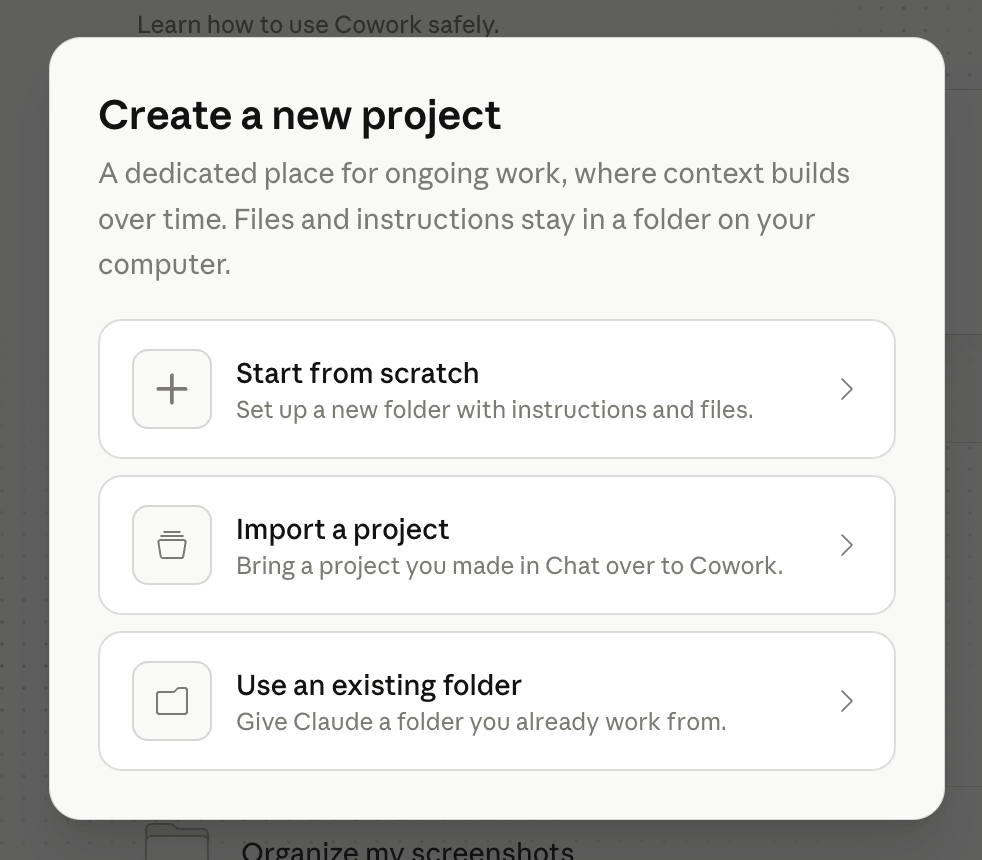
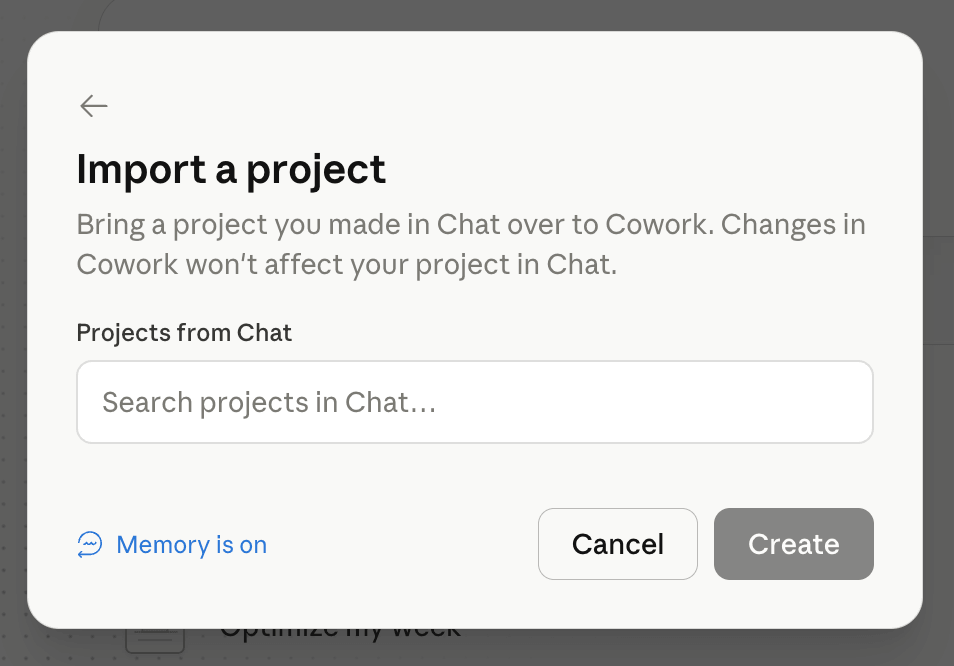
The Cowork ecosystem is built upon four pillars:
- Projects: Dedicated workspaces containing specific instructions, style guides, and knowledge bases.
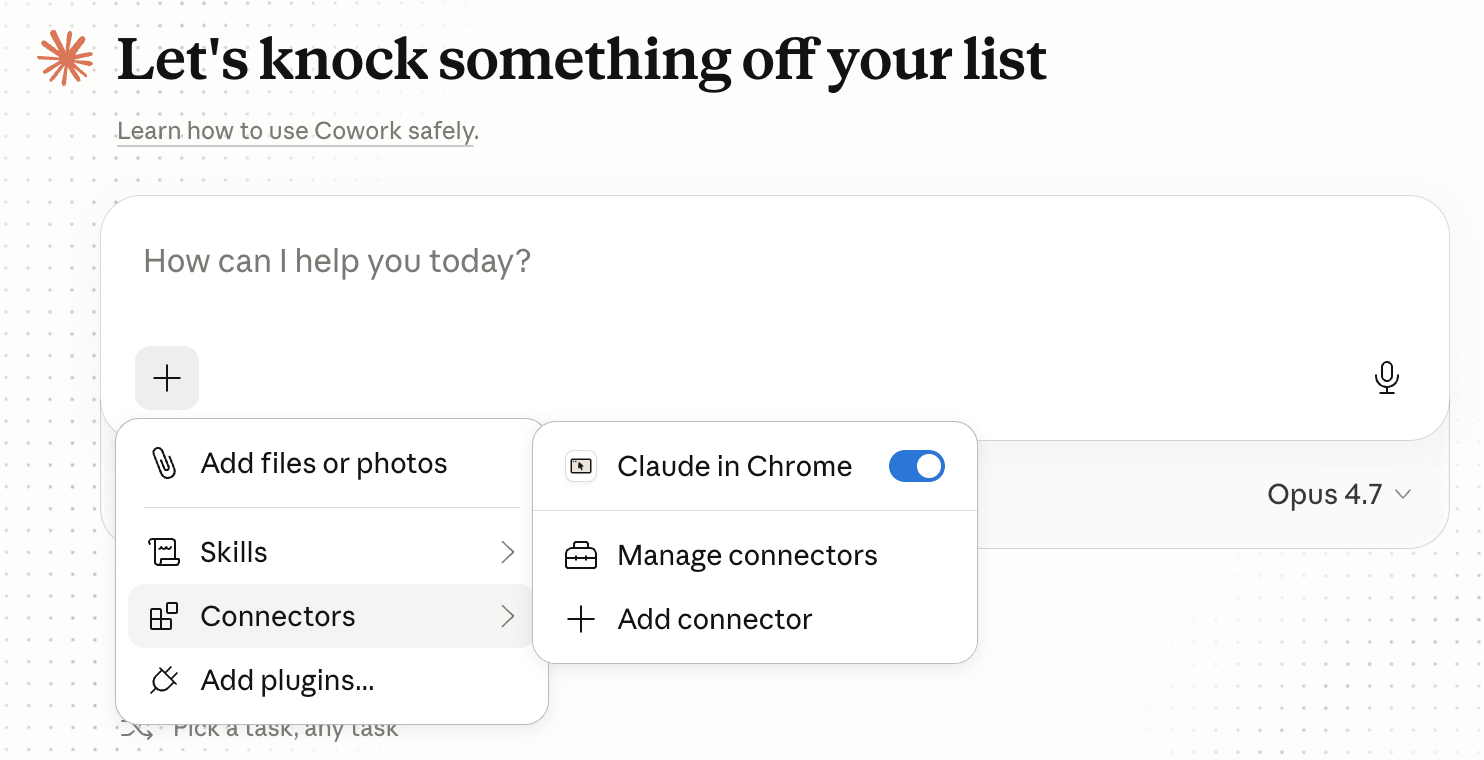
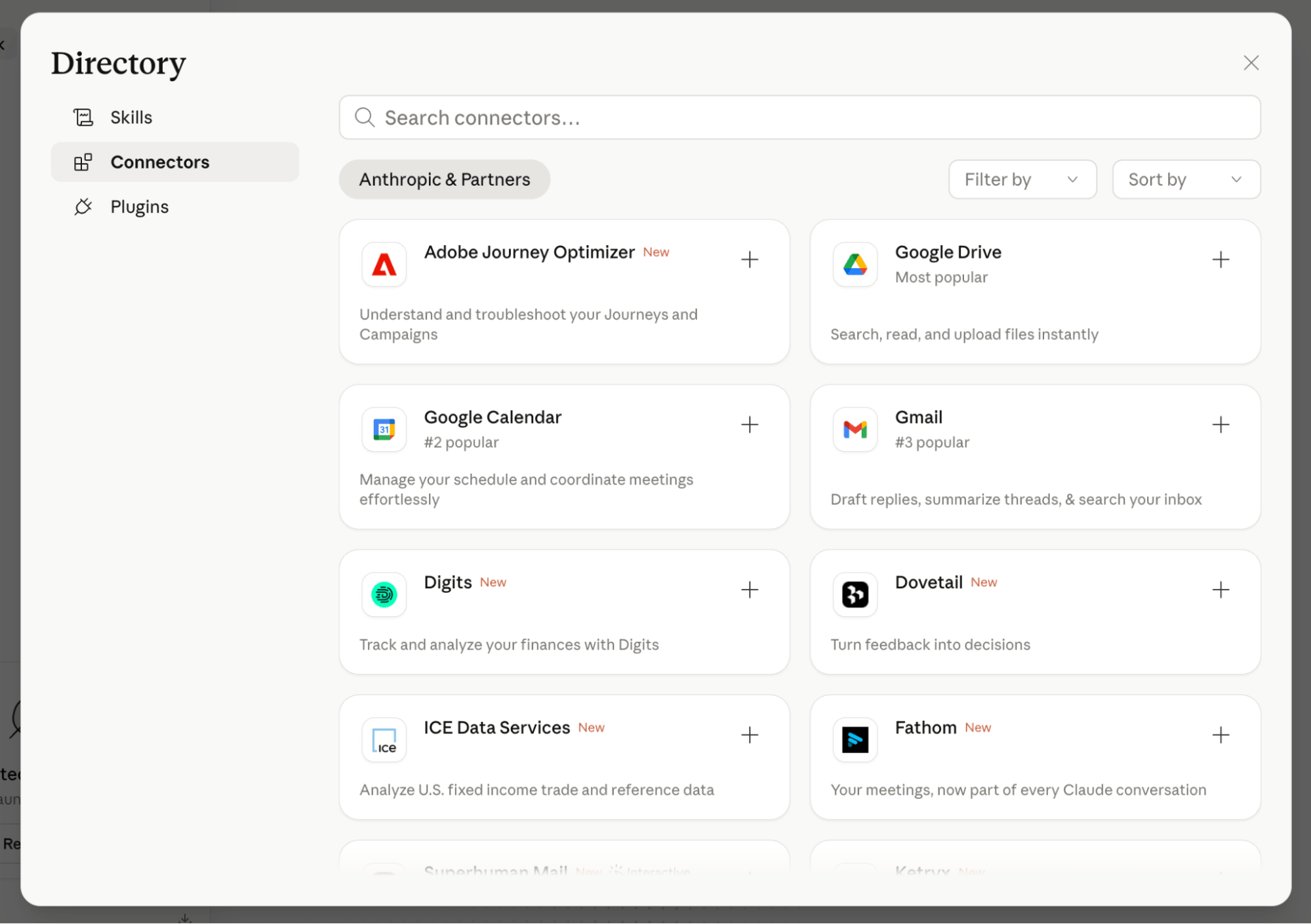
- Connectors: Direct API links to third-party services like Google Drive, Airtable, and Slack.
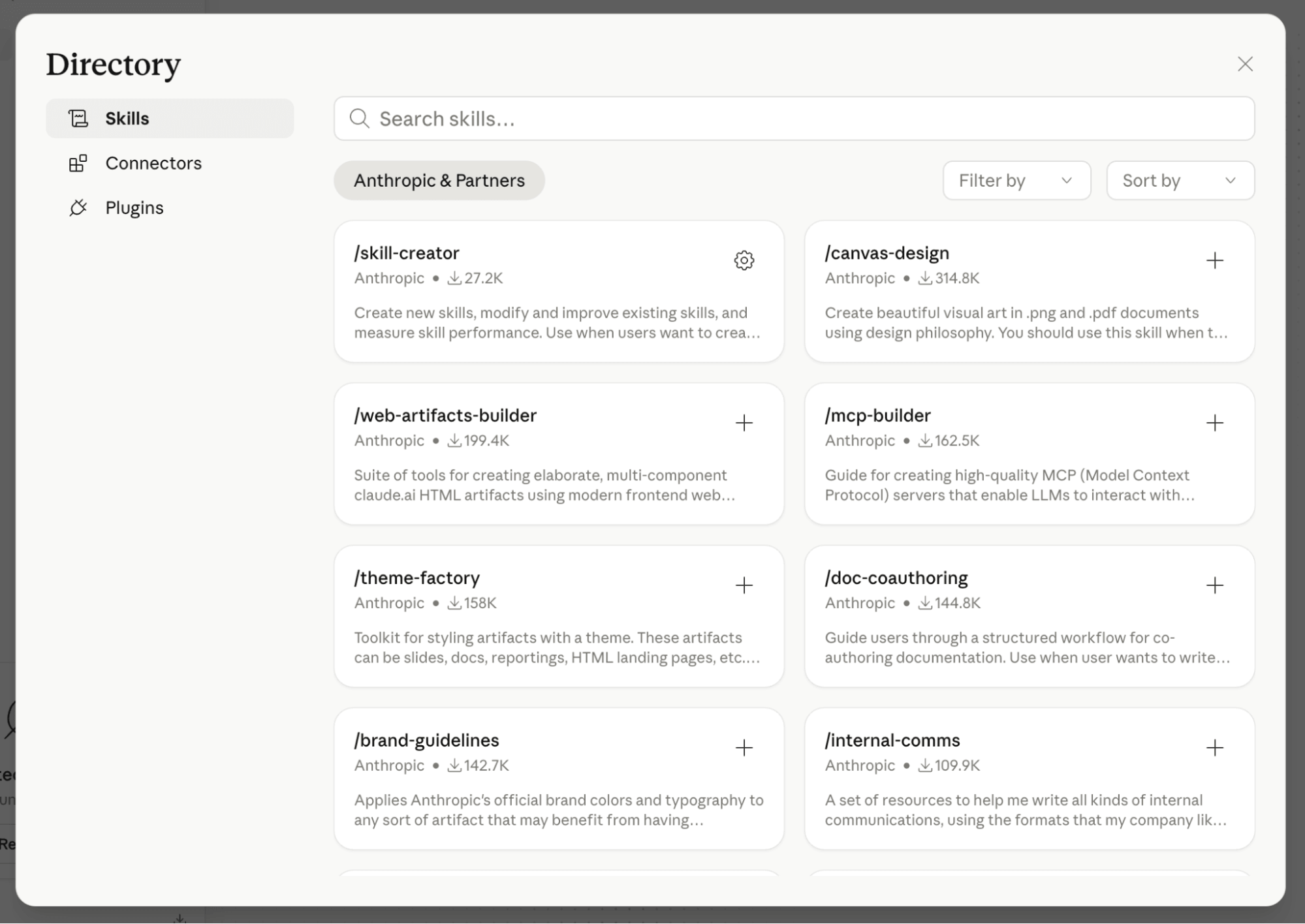
- Skills: Packaged, reusable micro-tasks that Claude learns to perform consistently.
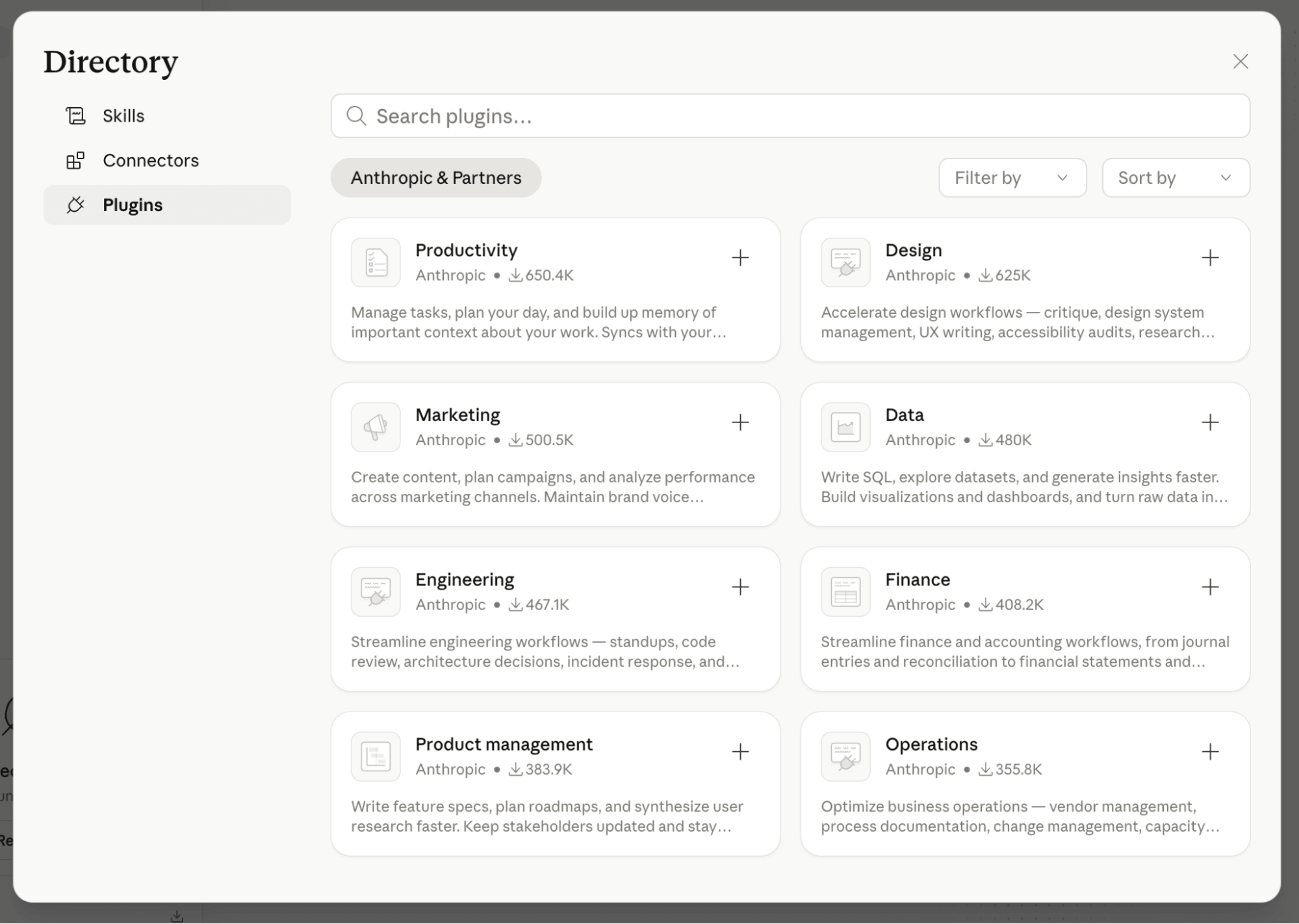
- Plugins: Thematic bundles of skills organized by domain expertise (e.g., Marketing, Engineering).
2. Chronology: From Conversation to Action
The road to Claude Cowork was paved by incremental updates to the Claude ecosystem, reflecting Anthropic’s commitment to "Constitutional AI" and functional utility.
- Early 2024: Anthropic introduces "Projects," allowing users to ground Claude in specific documents and custom instructions. This reduced the need for repetitive prompting but remained confined to the chat window.
- Late 2024: The release of the Claude 3.5 and 4.0 model families introduced significantly higher reasoning capabilities and better tool-use (function calling), enabling Claude to interact more reliably with external code and APIs.
- January 2025: Anthropic officially launches the Claude Cowork desktop application. This marked the first time the AI was given "background" agency—the ability to operate across Chrome tabs and local file systems while the user focused on other tasks.
- Present Day: The platform has expanded to include a marketplace for Skills and Plugins, allowing for a community-driven ecosystem of automation.
3. Supporting Data: Practical Applications and Performance
The value of Claude Cowork is best demonstrated through its diverse use cases, which span technical management, content at scale, and system optimization.
A. Technical Website Management
One of the most daunting tasks for non-technical users is managing backend website infrastructure. In pilot tests and user reports, Cowork has demonstrated the ability to handle WordPress management autonomously.

- Case Study: When tasked with inserting tracking pixels, Cowork doesn’t just provide instructions. It logs into the WordPress dashboard, identifies the lack of a "Header/Footer" plugin, researches the most secure options, installs the chosen plugin, and verifies the code placement—all while the user simply monitors the "play-by-play" log.
B. Content Engines and Brand Consistency
For marketers, the "blank page" problem is replaced by a "review" workflow. By connecting a Claude Project (containing brand voice and ICP data) to Cowork, users can automate daily content cycles.
- Efficiency Data: Cowork can be instructed to scan specific RSS feeds or news sites every morning, synthesize the data according to a specific brand voice, and generate multiple LinkedIn posts and newsletter summaries before the user starts their workday.
C. The "Opus 4.6" Optimization
As AI models evolve, older system prompts often become "bloated" or inefficient for newer architectures. Cowork has proven highly effective at self-optimization. Users have successfully used Cowork to audit their entire library of Claude Projects, rewriting legacy instructions to leverage the improved inference capabilities of newer models like Opus 4.6 and Sonnet 4.5. This ensures that the AI isn’t just working, but working at peak efficiency for its current version.
D. Background Browser Execution
Unlike web-based AI that stops when you close the tab, Cowork operates its own Chrome-based environment. It can fill out forms, proofread live staging sites, and navigate SaaS platforms in the background. This "multi-threaded" approach allows human workers to maintain their flow while the AI handles administrative overhead in a separate, dedicated browser group.
4. Technical Deep Dive: Connectors, Skills, and Plugins
To get the most out of Claude Cowork, users must understand the hierarchy of its integration tools.
Connectors: The Digital Nervous System
Connectors eliminate the "copy-paste" tax. By authorizing Cowork to access tools like Airtable, Google Drive, GitHub, and Gmail, the AI can read and write data in real-time.
- Example: A user can ask Cowork to "Summarize the last three client emails in Gmail and create a task in Asana for each." Cowork handles the cross-platform communication without the user ever opening a browser tab.
Skills: The Reusable Knowledge Base
A "Skill" is essentially a miniaturized, specialized version of a Custom GPT. If a user frequently asks Claude to evaluate content against three specific "Ideal Customer Personas" (ICPs), they can package that logic into a Skill.
- Command: "Run this draft by my ICP Skill."
- Result: The AI immediately invokes the specific persona constraints without needing a 500-word prompt to remind it of the context.
Plugins: Professional Toolkits
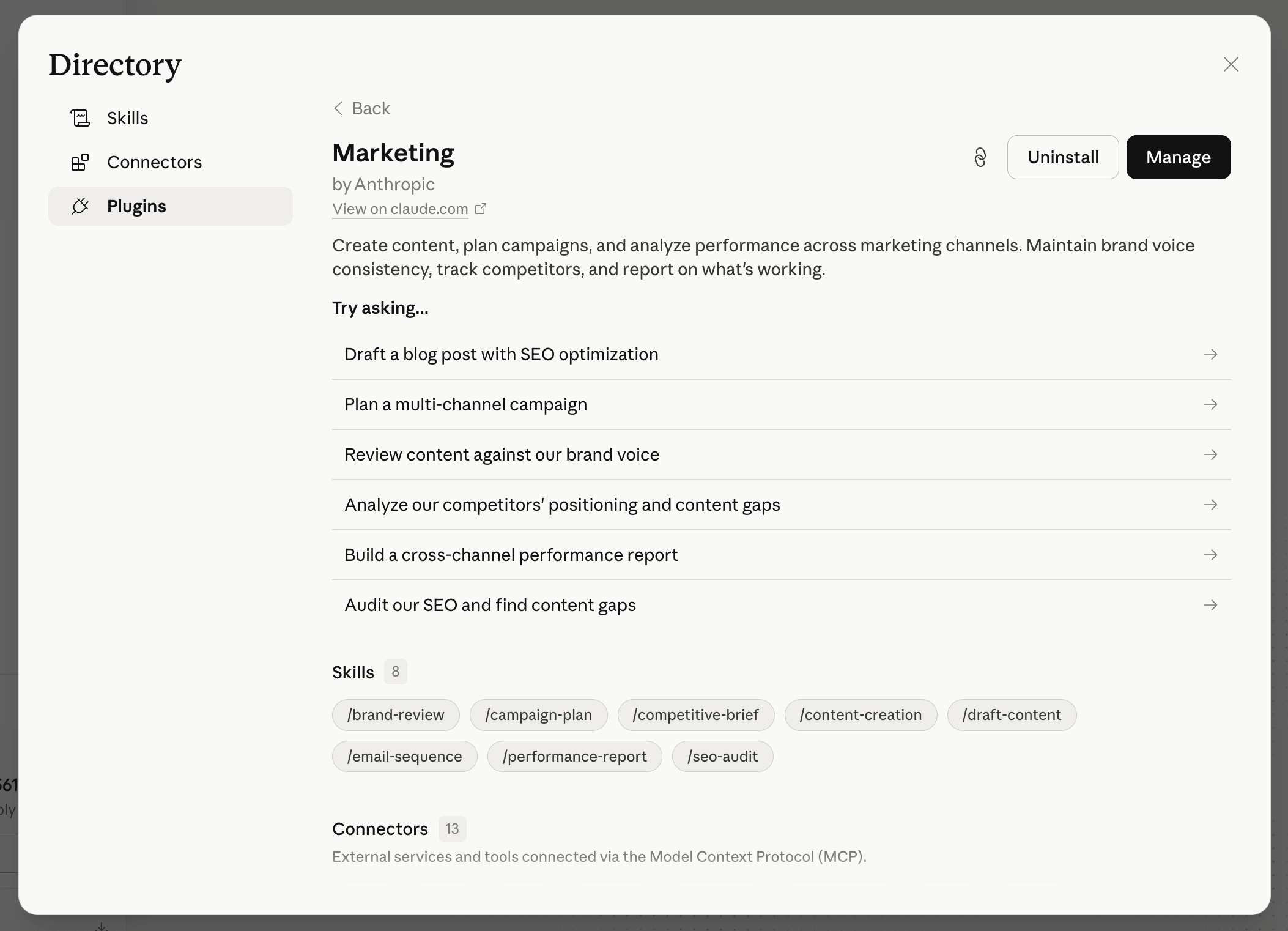
Plugins are the most macro-level tool in Cowork. They are collections of skills curated for specific roles. A "Marketing Plugin" might include skills for SEO analysis, headline A/B testing, and meta-description generation. This allows users to "level up" their Cowork instance instantly by adding entire domains of expertise.
5. Official Responses and Security Considerations
Anthropic has been vocal about the "safety-first" design of Cowork, but the transition to agentic AI brings inherent risks that users must manage.
Permissions and "Human-in-the-Loop"
Anthropic’s official stance is that Cowork should never act without explicit or "bounded" permission. Every time the application attempts to access a new site or local file, it triggers a permission request. This ensures the user remains the ultimate authority, preventing the "runaway agent" scenario often feared in AI ethics discussions.
Data Privacy and Model Training
A critical note for professional users: By default, conversations on Claude Pro and Max plans may be used for model training.
- Recommendation: Because Cowork interacts with sensitive files and logged-in accounts, Anthropic and independent strategists like Dan Nestle strongly recommend that users opt-out of training data sharing in their settings.
- Enterprise Limitations: Currently, Cowork activity is not fully logged for compliance in the same way standard chat is. For organizations with strict audit requirements (SOC2, HIPAA), official guidance suggests waiting for the "Compliance Log" update before using Cowork for sensitive data processing.
6. Implications: The Future of Professional Work
The emergence of Claude Cowork signals a move toward "AI Orchestration." We are entering a period where the competitive advantage of a professional will not be their ability to write a prompt, but their ability to manage a fleet of AI agents.
The Shift in Skillsets
The "managerial" mindset required for Cowork suggests that traditional middle-management skills—delegation, clear communication of goals, and quality control—will become essential for individual contributors. When the AI can do the work, the human’s value lies in intent and verification.
The End of Context Limits?
One of the greatest frustrations with standard LLMs is the "context window" limit—the point at which the AI starts forgetting the beginning of a long conversation. By using Projects and Skills within Cowork, users can bypass this. Instead of feeding the AI 20 documents every time, the AI simply "reaches" for the relevant Skill or Connector when needed, keeping the active conversation window lean and focused.
Conclusion
Claude Cowork is more than a productivity tool; it is a preview of the future operating system. By integrating Projects, Connectors, and Skills into a cohesive desktop experience, Anthropic has provided a blueprint for how humans and AI will collaborate in the years to reach. For those willing to move past the chat box and embrace the role of an AI supervisor, the potential for scale and efficiency is virtually limitless.
As we move deeper into 2025, the question for businesses is no longer "Should we use AI?" but "How many agents can we effectively manage?" Claude Cowork provides the first robust answer to that question.