The Green Locomotive Revolution: Analyzing the Economics and Future of India’s Hydrogen Trains
By Zee Media Bureau
Updated: July 18, 2026
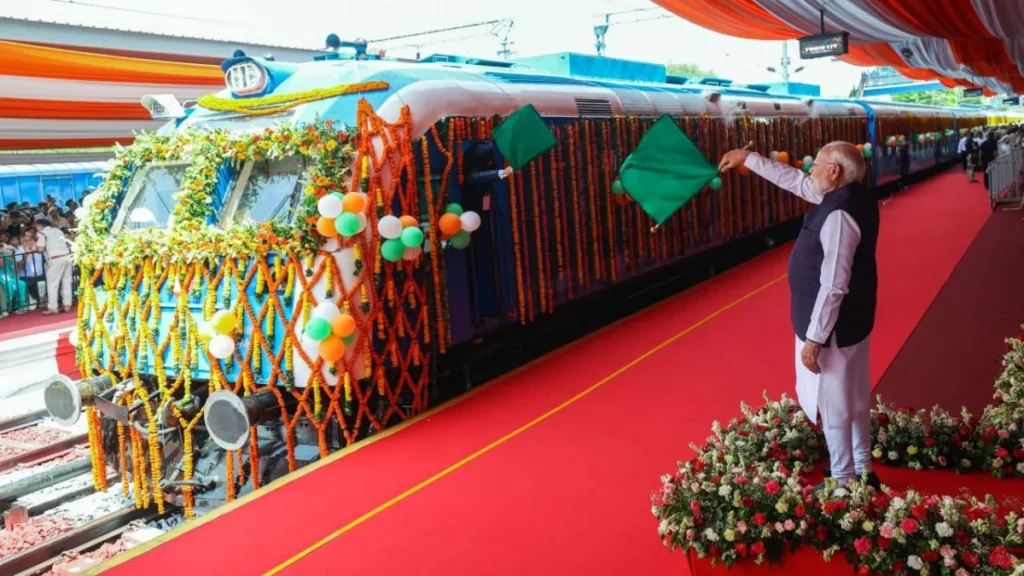
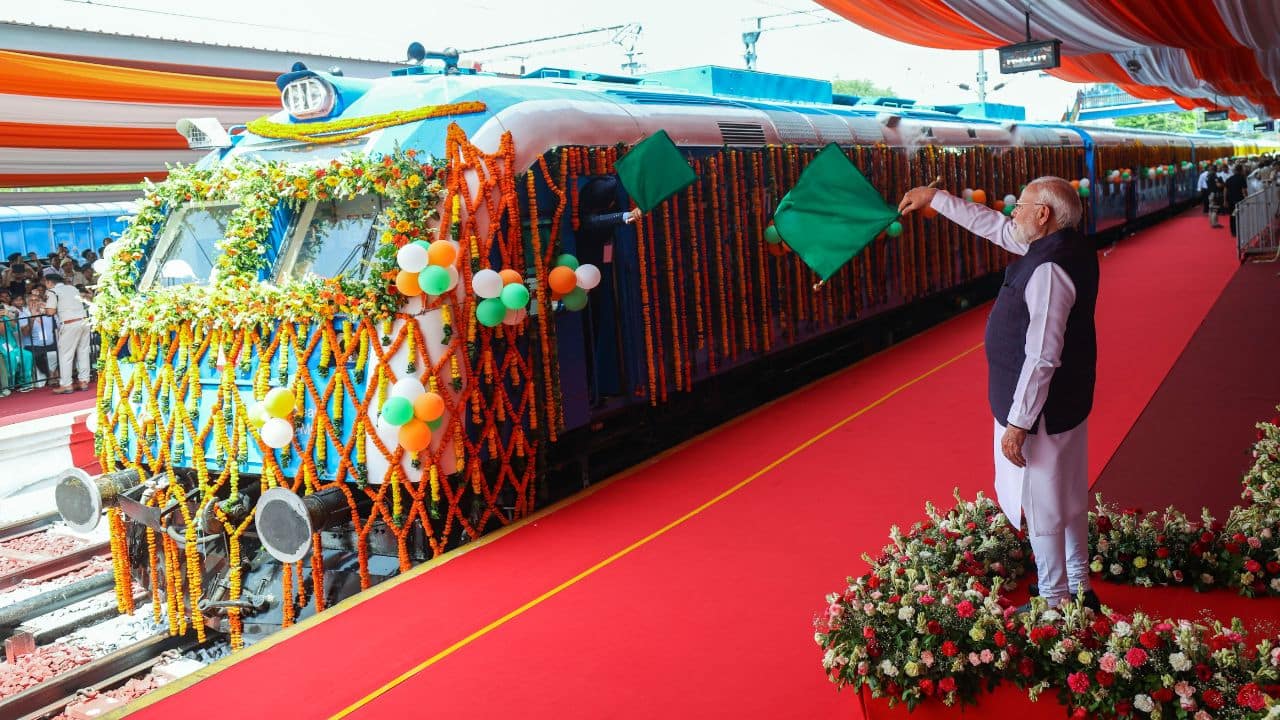
As India accelerates its transition toward a net-zero future, the Indian Railways has officially entered a new era of sustainable transport. The recent flagging off of India’s first hydrogen-powered train between Jind and Sonipat marks a pivotal shift in the nation’s technological landscape. While the initial capital expenditure remains a point of contention for fiscal planners, the long-term environmental and operational benefits are beginning to paint a compelling picture for the future of rail travel.
The Cost of Innovation: Capital Expenditure vs. Long-Term Viability
The primary question surrounding the introduction of hydrogen trains in India has been one of economics. Developing a hydrogen-powered train is a capital-intensive endeavor. Current estimates place the cost of constructing a single hydrogen train between Rs 40 crore and Rs 80 crore. When compared to a conventional diesel locomotive, this represents a significant premium—approximately 30% more expensive to manufacture and deploy.
However, railway economists and engineers argue that focusing solely on the "sticker price" overlooks the broader economic lifecycle of the fleet. The investment is not merely in a train, but in an entire ecosystem that includes hydrogen fuel cell technology, specialized storage infrastructure, and localized refueling stations. While the initial outlay is steep, the operational savings—driven by reduced maintenance costs, lower fuel volatility, and the elimination of carbon credits—are expected to balance the ledger over the next decade.
A Chronology of Progress: From Vision to Track
The journey toward hydrogen mobility in India has been a calculated, multi-year progression:
- 2021-2022 (Conceptualization): The Ministry of Railways begins feasibility studies for "Hydrogen for Heritage" routes, identifying low-density sections of the network where green hydrogen could replace legacy diesel engines.
- January 2023 (Policy Push): The Union Cabinet approves the National Green Hydrogen Mission, providing the necessary financial and policy impetus for heavy transport sectors, including railways, to adopt hydrogen fuel cells.
- 2024 (Technological Trials): Prototyping begins at the Integral Coach Factory (ICF) in Chennai. Engineers work to adapt fuel cell systems to function within the harsh, varying climate conditions of the Indian subcontinent.
- July 17, 2026 (The Milestone): Prime Minister Narendra Modi officially flags off the inaugural service between Jind and Sonipat. This route was specifically selected for its short-haul nature, ideal for testing the efficacy of hydrogen fuel cells in real-world passenger operations.
- July 18, 2026 (Operational Analysis): Initial data points from the first 24 hours of service indicate that the train is meeting performance benchmarks, with zero tailpipe emissions and noise levels significantly lower than diesel counterparts.
Supporting Data: Decoding the Economics of Hydrogen
To understand why the government is pushing for this transition, one must look at the comparative metrics between traditional and green locomotives.
Comparative Cost Analysis (Per Kilometer)
While the manufacturing cost of a hydrogen train is 30% higher, the operational cost per kilometer is becoming a focal point of optimization. Diesel-powered trains are susceptible to global crude oil price fluctuations, which frequently destabilize railway operational budgets. Hydrogen, particularly when produced locally through electrolysis powered by renewable solar or wind energy, offers a stabilized, predictable cost structure.
The Efficiency Gap
Hydrogen fuel cells convert chemical energy into electricity with much higher efficiency than internal combustion engines. Traditional diesel engines lose a vast amount of energy through heat and friction. Conversely, a hydrogen fuel cell train captures energy through regenerative braking, which is then stored in onboard batteries, further extending the range of the train and reducing the frequency of refueling stops.
Infrastructure Requirements
The transition requires a "hub-and-spoke" model for hydrogen distribution. The current infrastructure setup involves localized hydrogen production units near major junctions. While this requires a substantial initial investment in storage tanks and safety protocols, it eliminates the logistics of transporting diesel fuel across thousands of miles, reducing the overall carbon footprint of the supply chain.
Official Responses and Strategic Policy
The government’s stance remains one of "pragmatic optimism." Railway officials have emphasized that the hydrogen train project is not merely a pilot, but a strategic component of the "Atmanirbhar Bharat" (Self-Reliant India) initiative.
"The objective is to decarbonize the Indian Railways entirely by 2030," stated a spokesperson for the Ministry of Railways. "The hydrogen initiative is the final piece of the puzzle. While the cost is currently higher, we anticipate that as the technology scales, localized production of fuel cells and hydrogen storage tanks will bring the manufacturing costs down to parity with diesel engines within the next five to seven years."
The Ministry of Environment, Forest and Climate Change has also lauded the project, noting that the replacement of diesel locomotives on heritage and short-distance routes will lead to a massive reduction in particulate matter (PM2.5) and nitrogen oxide emissions, significantly improving air quality in regions like Haryana and the NCR.
Implications: A Sustainable Future for the Indian Rail Network
The shift to hydrogen has profound implications that extend beyond the balance sheet.
1. Environmental Impact
The most immediate implication is the reduction of the carbon footprint. By replacing diesel engines, the Indian Railways is positioning itself as a leader in global sustainable transport. The Jind-Sonipat route serves as a proof-of-concept that India can successfully deploy advanced green technology in public infrastructure.
2. Technological Self-Reliance
By developing indigenous hydrogen fuel cell capabilities, India is insulating itself from the volatile global energy market. The development of this technology is fostering a domestic manufacturing base, creating jobs in the renewable energy sector, and positioning Indian engineering firms as potential exporters of green rail technology to other emerging markets in Asia and Africa.
3. Improving the Passenger Experience
Hydrogen trains are inherently quieter and generate less vibration than diesel engines. For passengers, this translates into a significantly more comfortable ride. Furthermore, the absence of smoke and the reduction in air pollution around stations create a much more pleasant urban environment for commuters and railway staff alike.
4. The "Heritage" Advantage
The Indian Railways maintains several heritage lines—often in sensitive ecological zones like hill stations. Traditional diesel trains have long been criticized for their environmental impact in these areas. Hydrogen trains are the perfect solution, offering the power required to traverse steep inclines without harming the fragile biodiversity of the regions.
Challenges Ahead: The Road to Mass Adoption
Despite the excitement, the transition faces hurdles. Scaling the technology from a single route to a national network requires massive investment in a nationwide hydrogen grid. Safety standards for hydrogen storage and handling at scale are currently being drafted by the Petroleum and Explosives Safety Organization (PESO), and ensuring these are strictly followed will be paramount.
Furthermore, the price of "Green Hydrogen"—hydrogen produced using renewable energy—needs to decrease. Current government subsidies for electrolyzers are helping, but the long-term success of the project depends on the continued reduction in the cost of solar and wind energy, which are the primary sources for powering the electrolysis process.
Conclusion
The launch of India’s first hydrogen train is a landmark event that reflects the nation’s commitment to a greener, cleaner future. While the 30% price premium on manufacturing currently dominates the conversation, it is a narrow view of a much larger shift. The true value lies in the long-term energy security, the preservation of the environment, and the technological leap that Indian Railways is taking.
As the Jind-Sonipat service continues to operate, it will provide the data necessary to refine the technology and lower costs. If successful, this project will not only redefine the Indian railway system but will also serve as a blueprint for other developing nations seeking to balance rapid industrial growth with the urgent necessity of climate action. The age of the hydrogen locomotive has arrived, and it promises a cleaner, quieter, and more efficient journey for the millions who rely on the Indian Railways every day.