The Outlier Video Method: How AI-Driven Reverse Engineering is Redefining the Creator Economy
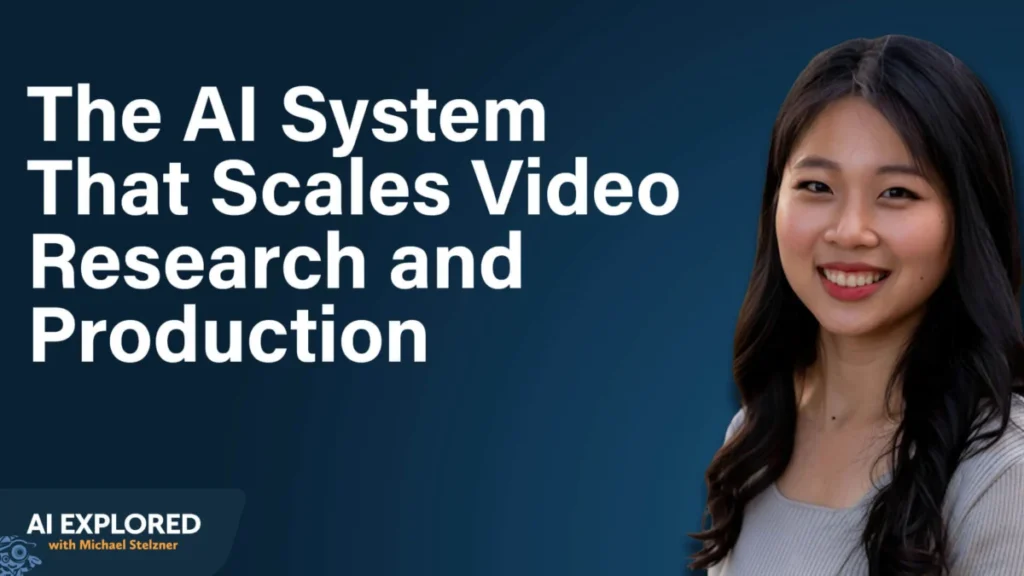
In the rapidly evolving landscape of digital content, the "creator burnout" phenomenon has become a significant barrier to sustainable business growth. As platforms like YouTube, Instagram, and TikTok demand higher frequency and better quality, creators often find themselves trapped in a grueling cycle of manual research, scripting, and editing. However, a new methodology developed by AI content strategist Sandy Lee is promising to break this cycle.
By leveraging advanced AI agents—specifically Claude Code—Lee has pioneered the "Outlier Video Method," a systematic approach to identifying high-performing content niches and automating the production of high-converting scripts. This method does not merely use AI as a writing assistant but as a sophisticated research and development department that operates 24/7.
Main Facts: The Evolution of Content Research
The Outlier Video Method is built on the premise that success on platforms like YouTube is not accidental; it is algorithmic. The core of the strategy involves identifying "outliers"—videos that significantly outperform the average metrics of a specific channel—and reverse-engineering the psychological triggers that made them successful.
Key statistics and facts regarding this methodology include:
- Rapid Growth Metrics: Using this AI-integrated system, Lee grew a new YouTube channel from 200 to 11,000 subscribers in less than 30 days.
- Revenue Generation: The system facilitated $10,000 in revenue within the first month through a combination of channel ad revenue and client retainers.
- The Seven-Agent Architecture: The system utilizes a hierarchical structure of seven AI agents and sub-agents. These range from "senior engineers" making strategic decisions to "junior agents" handling granular tasks like thumbnail analysis and transcript formatting.
- The Outlier Formula: A mathematical approach to content selection that prioritizes relative performance over absolute view counts, ensuring creators model topics with genuine viral potential rather than just those backed by massive existing audiences.
Chronology: From Manual Grind to Algorithmic Automation
To understand the necessity of the Outlier Video Method, one must look at the trajectory of its creator, Sandy Lee.

2018–2024: The Manual Era
Lee entered the content space in 2018, building a language-teaching brand. Through sheer manual labor—personally researching trends, writing every script, and editing every frame—she amassed 550,000 subscribers across multiple platforms. However, this success came at a high personal cost. Balancing a full-time job, client work, and the demands of raising three young children, Lee reached a point of total exhaustion. The manual "grind" was no longer a viable business model.
Late 2025: The AI Breakthrough
With the release of advanced coding and reasoning models like Claude Code, Lee pivoted from manual creation to systems engineering. She realized that the most time-consuming parts of the creator workflow—market research and structural formatting—were tasks perfectly suited for large language models (LLMs) capable of interacting with APIs and external data.
The Present: Scaling via Systems
Lee transitioned from a "creator" to a "system architect." By building a pipeline that connects YouTube’s data via Claude Code and automation platforms like n8n, she removed herself from the research phase entirely. Her role is now reduced to the "human-in-the-loop" elements: final decision-making and on-camera delivery.
Supporting Data: The Mechanics of the "Outlier Score"
The primary innovation of Lee’s system is the "Outlier Score." Most creators look at trending videos and see high view counts, but those numbers can be deceptive. A video with 1 million views on a channel with 10 million subscribers is actually underperforming.
Lee’s system calculates the Outlier Score using a specific formula:

Outlier Score = (Video Views in First 48 Hours ÷ Channel’s Average Views in First 48 Hours) × 100
A score of 100 indicates average performance. A score of 300 or 500 indicates a "breakout" hit where the topic or the "hook" is doing the heavy lifting, not the creator’s fame.
The Technical Stack
The system operates through a sophisticated integration of tools:
- Claude Code: Acts as the central intelligence, running complex "skills" or prompts that analyze data.
- n8n / Zapier: Serves as the connective tissue, moving data from YouTube to the AI and eventually to the creator’s email.
- YouTube API: Provides real-time data on views, upload times, and channel averages.
By monitoring a curated list of ten "competitor" or "niche-adjacent" channels, the AI generates a daily digest. This report identifies which videos are outliers, summarizes why they are working, and suggests how the user can adapt the topic to their own brand voice.
Strategic Framework: The "Inside Out" Methodology
While the technical side of the Outlier Method focuses on external data, Lee emphasizes that the foundation must be internal. She utilizes the Japanese concept of Ikigai (reason for being) to ensure the AI doesn’t produce "soulless" content.

Step 1: Developing the Identity
Before engaging the AI, the creator must answer four foundational questions:
- What do you love?
- What are you good at?
- What does the world need?
- What can you be paid for?
The intersection of these answers becomes the "Content Identity." Lee advises creators to perform this step without AI to ensure the core of the brand remains human. Once established, these notes are fed into the AI to generate two critical assets:
- Ideal Customer Profile (ICP): A detailed breakdown of the audience’s demographics, pain points, and purchasing triggers.
- Content Pillars: Three to five recurring categories that define the channel’s scope (e.g., AI workflows, personal branding, productivity).
Step 2: The Scripting "Skill"
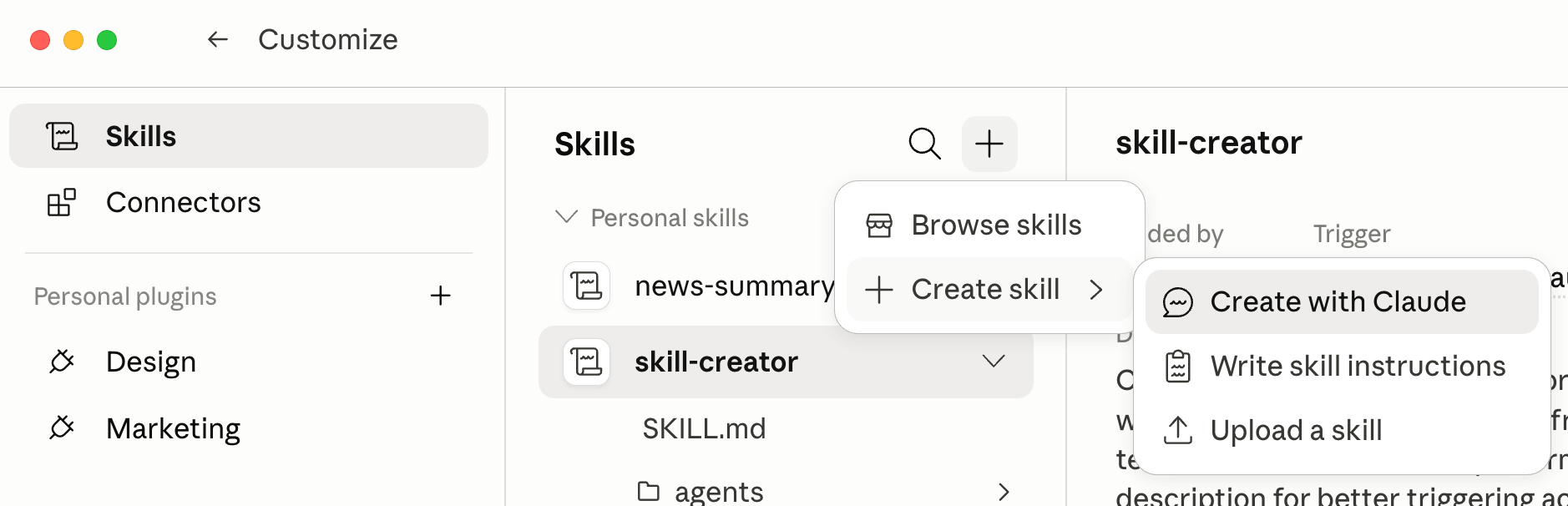
Once an outlier video is identified, the AI doesn’t just copy it. It uses a "Claude Code Skill"—a pre-programmed set of instructions—to rewrite the content. The AI analyzes the outlier’s transcript but filters it through the creator’s Ikigai, ICP, and Content Pillars.
The system is programmed to follow a high-retention 7-Part Hook Formula:
- Pattern Interrupt: An unexpected visual or verbal cue.
- The Hook: A compelling reason to keep watching.
- The Promise: What the viewer will gain by the end.
- Social Proof: Why the creator is qualified to speak.
- The Problem: Identifying the viewer’s current struggle.
- The Solution: Introducing the core concept.
- The Transformation: Showing the "after" state.
Implications: The Future of Content Creation
The success of Sandy Lee’s Outlier Video Method signals a major shift in the creator economy. We are moving away from the "Solopreneur" model toward the "AI-Orchestrated Agency" model.
1. The Death of the "Niche Research" Grind
For years, the advice for new creators was to "spend hours watching YouTube" to learn the market. Lee’s method suggests that this is an inefficient use of human capital. As AI agents become more adept at analyzing sentiment and engagement patterns, the "research" phase of content creation will likely become 90% automated.
2. Focus on Personal Brand and Delivery
If AI can handle the research, the scripting, and the SEO, the only remaining competitive advantage for a creator is their "humanity"—their unique voice, their lived experience, and their ability to connect on camera. This method ironically places more pressure on the creator to be a compelling performer because the "technical" barriers to entry have been lowered.
3. Ethical Considerations of Reverse-Engineering
The Outlier Method raises questions about originality. While Lee emphasizes using one’s own voice and story, the core of the system is based on modeling what is already working. In a world where AI can perfectly reverse-engineer viral hits, the line between "inspiration" and "algorithmic mimicry" becomes blurred.
Conclusion: A New Standard for Efficiency
Sandy Lee’s transformation from a burnt-out manual creator to a high-efficiency AI strategist provides a blueprint for the next generation of digital entrepreneurs. The Outlier Video Method demonstrates that AI’s greatest value is not in replacing the creator, but in acting as a force multiplier.
By automating the "what" and the "how" of content creation, Lee has reclaimed her time while achieving faster growth than ever before. For creators looking to scale in 2025 and beyond, the message is clear: stop grinding against the algorithm and start building the systems that can decode it. As Lee’s results show, the difference between a struggling channel and a $10,000-a-month business often comes down to the math behind the message.