YouTube Shorts Mastery: Unlocking the Secrets of Hooks and Curiosity Loops
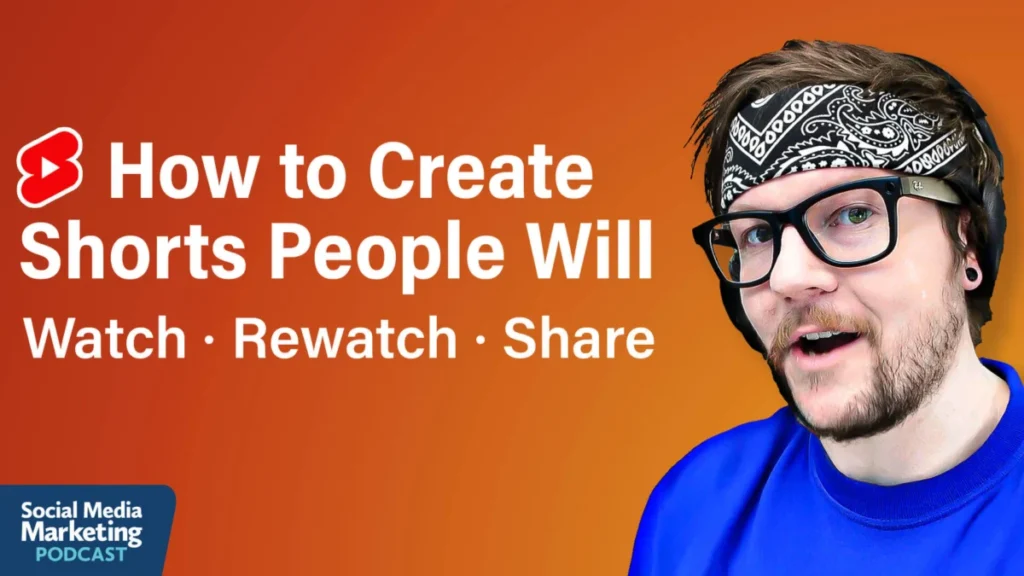
In the rapidly evolving landscape of digital marketing, few platforms offer the reach and searchability of YouTube Shorts. As a Google-owned asset, YouTube sits at the intersection of social entertainment and the world’s most powerful search engine. Yet, despite this massive potential, many businesses struggle to gain traction, often finding their videos buried in the endless scroll of the Shorts feed.
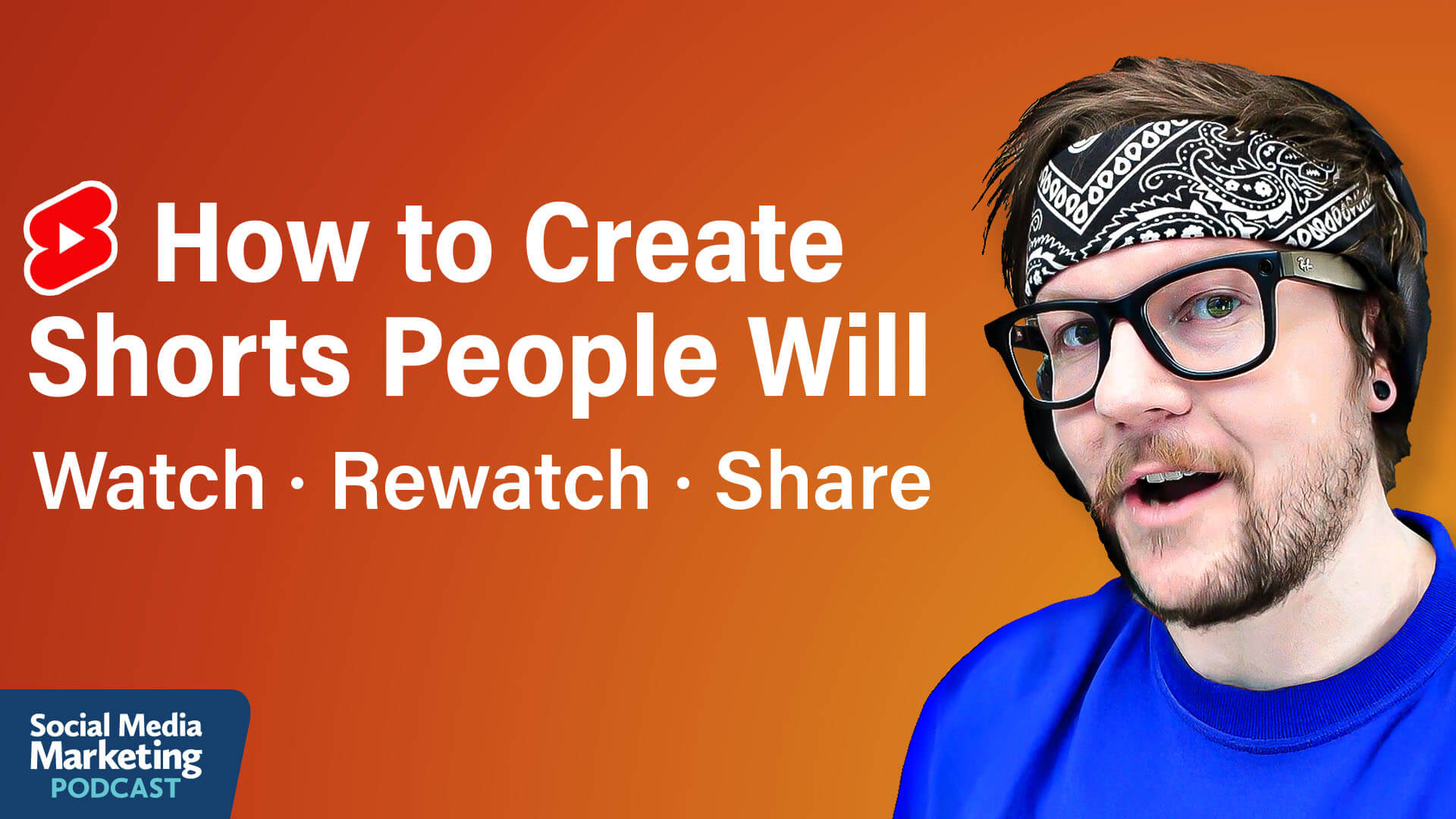
According to YouTube Shorts expert John Scott, the issue isn’t the platform—it’s the strategy. Most marketers approach Shorts with a traditional advertising mindset, failing to account for the specific algorithmic mechanics that govern YouTube’s ecosystem. To explode your views, you must move beyond promotional content and embrace the art of the "Curiosity Loop."
The Core Metric: Why YouTube Rewards Retention Over Shares
To understand why your Shorts are failing, you must first understand what the platform wants. While Instagram optimizes for social sharing—leveraging its robust Direct Messaging (DM) features to distribute content—YouTube operates differently. Because YouTube lacks a primary social-sharing mechanism equivalent to Instagram’s DMs, its algorithm prioritizes watch time.
When a user remains on your video, the algorithm interprets this as a signal of quality. If a viewer swipes away immediately, the video is flagged as "unengaging," and its distribution is curtailed. By shifting your focus from "raw exposure" to building genuine trust and sustained attention, you can signal to YouTube that your content deserves to be served to a wider audience.
The Promotional Pitfall: Value-First vs. Ad-First
The most significant hurdle for businesses is the temptation to treat organic Shorts as free ad space. When a video feels like a commercial, the audience—who are primarily on the platform for entertainment or education—swipes away almost instantly.
When YouTube tests your video on a "seed audience" of approximately 1,000 viewers, those initial retention metrics are vital. If the content feels promotional, the high swipe-away rate tells YouTube that your video is not worth further promotion.
The Anatomy of a Successful Pivot
John Scott illustrates the "value-first" approach with the example of a men’s hair styling product. Rather than creating a dry, feature-based advertisement, the creator opened with a chaotic, high-energy visual: a person dumping styling powder over their own face and hair, followed by an unsuccessful attempt to clean it up. This served as an "obstacle"—an entertaining, relatable mess.
The transition to the solution was immediate. The very next shot showed the hair looking perfectly styled, accompanied by a simple, non-intrusive text overlay: "Link in description." By providing entertainment first and a soft-sell second, the creator successfully converted engagement into a potential sale without ever feeling like an interruption.
Structuring the Story: The Power of Curiosity Loops
At the heart of every high-performing Short is a "curiosity loop." This is a psychological device that introduces a question or a conflict at the start of a video and leaves it unresolved until the very end. The "tension" created by this gap is exactly what drives the viewer to watch through to completion.
The Three-Beat Narrative Structure
For a 30- to 60-second video, complexity is your enemy. You can simplify your storytelling into three distinct beats:

- The Obstacle: Present a conflict or a problem that creates immediate tension.
- The Solution: Reveal the method, insight, or product that resolves the tension.
- The Call to Action (CTA): A subtle, minimal prompt that guides the user on what to do next.
A crucial pro-tip for creators: Mind your audience’s perspective. Avoid industry jargon. If a layperson cannot immediately grasp the premise of your story, the curiosity loop will fail to open. If they don’t understand the conflict, they have no reason to stick around for the resolution.
Crafting the Hook: Stopping the Scroll
The "hook" is your first line of defense against the swipe. It can be categorized into three specific types, which can be used individually or stacked for maximum impact.
Audio, Visual, and Text Hooks
- Audio Hooks: It is not enough to simply speak; you must pique interest. A hook like "I just discovered a dark secret about [industry]" is far more effective than a standard introduction.
- Visual Hooks: This involves using imagery that provides instant credibility or creates a "visual anomaly" that demands attention.
- Text Hooks: Often the most underutilized tool, text overlays provide "subtext" to the video. For instance, a video showing a professional conversation could have the text, "What they say vs. what they actually think." This gap between the visual and the text forces the viewer to watch to see the resolution of that tension.
Modeling Success
You do not need to reinvent the wheel. Study viral Shorts—both within and outside your niche—to identify the "structural dynamic" they use. If you see a video about "The 3 Businesses That Never Fail," you can adapt that same structure to your specific niche, such as "The 3 Gardening Mistakes That Kill Your Soil." The mechanic remains the same; only the subject matter changes.
Establishing, Opening, and Closing the Loop
To effectively open a curiosity loop, you must front-load the most "puzzling" or unexpected element of your story.
Tactics for Opening
- "I wish I had known this before…" This phrase triggers a fear of missing out (FOMO) and signals that a valuable lesson lies ahead.
- "But/Therefore" Statements: This structure creates a rhythmic chain of conflict and resolution. It keeps the viewer in a constant state of anticipation.
- Unexpected Pairings: Consider the example of a real estate agent who was struggling with people ripping out her "For Sale" signs. Instead of a standard business pitch, she reframed her story: "People keep ripping out my signs, so I bought a baseball bat." This absurdity forces the viewer to stay and see how a baseball bat could possibly relate to real estate. The payoff—using the bat to hammer the signs deeper—is both satisfying and memorable.
Closing the Loop
The way you end a video is just as critical as how you begin. For entertainment, end with a punchline or a twist. For education, end with the primary takeaway promised in the hook.

Notably, John Scott advises against "cluttering" the end of your video with calls for likes, comments, or subscriptions. Tacking on a generic "please like and subscribe" often breaks the narrative momentum you have worked so hard to build. If the value of your content is high enough, the audience will naturally engage without being prompted.
Implications for Future Marketing Strategies
The transition toward short-form, value-first content signals a fundamental shift in how businesses must communicate. In an era of shrinking attention spans, the "soft sell" is the only sell that remains effective. By mastering the curiosity loop, businesses can stop acting like advertisers and start acting like content creators.
The data is clear: YouTube’s algorithm rewards those who respect the viewer’s time. By prioritizing storytelling over promotion, avoiding the "trailer" trap, and leaning into the structural mechanics of curiosity, creators can build a sustainable, high-growth presence on YouTube Shorts.
As you look to refine your own strategy, remember that your goal is not to force the viewer to leave the app or buy your product immediately. Your goal is to keep them watching, to build the "brand equity" that comes from being a source of genuine value, and to let the algorithm do the heavy lifting of distribution for you.
John Scott is a prominent YouTube Shorts expert and coach. He is the founder of HookBomb, a platform designed to help creators identify and adapt viral hook structures. You can follow his work on his YouTube channel, Creator Rant.